Pavlovac Monastery: A Serbian Orthodox Monastery Dedicated to Saint Nicholas


Site at a Glance
- Rating
- 4.8
- Popularity
- Low
- Country
- Serbia
- Primary era
- Medieval
- External website
- Open
- Eras represented
- Medieval, Early Modern
- Civilizations
- Ottoman, Serbian
- Site type
- Religious
- Remains
- Monastery
On this page11 sections
History
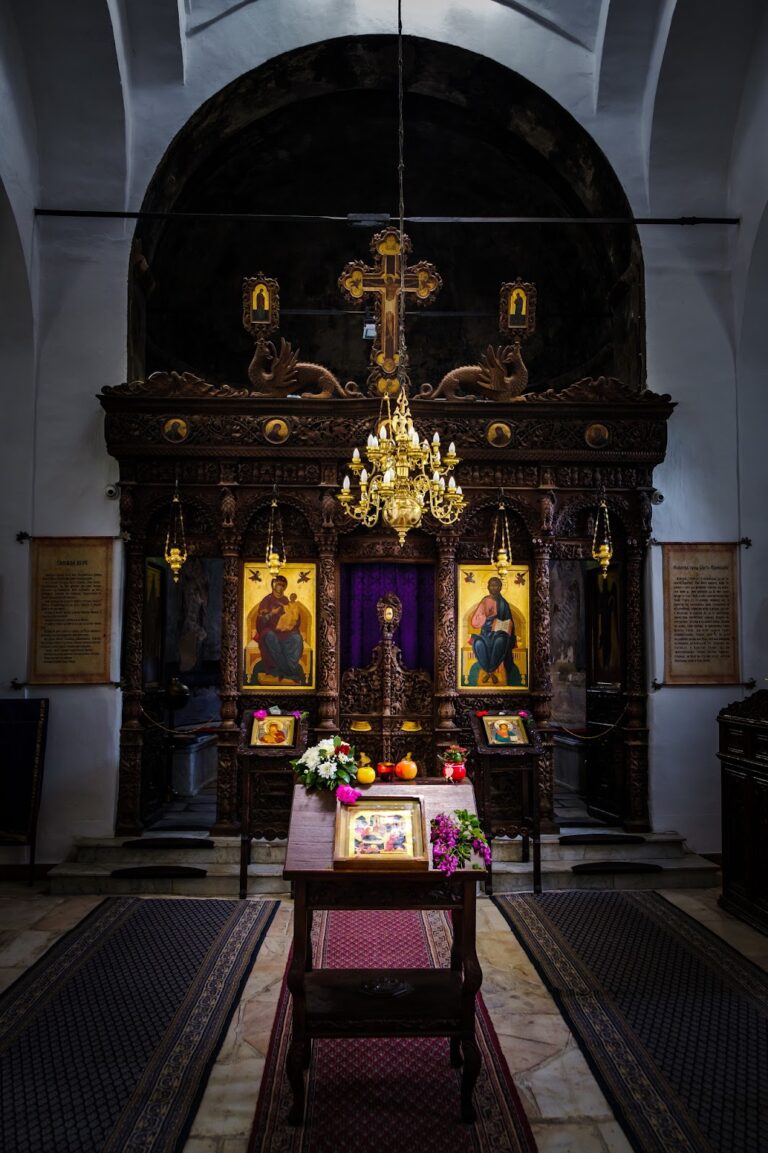
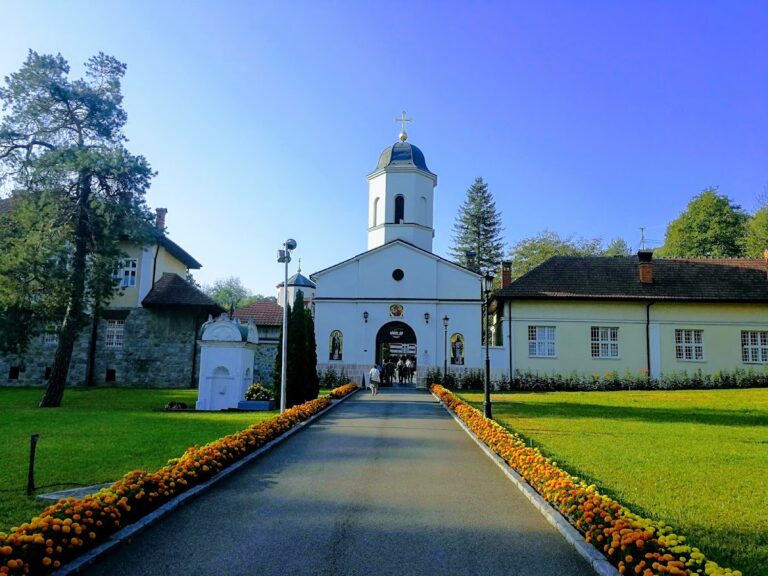
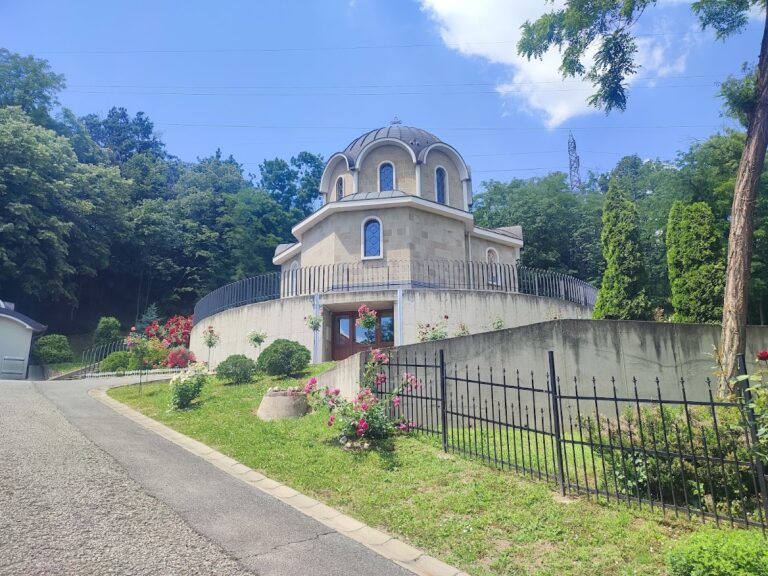
Pavlovac Monastery is a Serbian Orthodox monastery in Serbia, located in Koraćica on the southern slope of Kosmaj Mountain. Dedicated to Saint Nicholas, it was founded in 1417 in the Moravian architectural tradition, a late medieval Serbian style associated with the cultural sphere of the Morava region. The monastery belongs to the Eparchy of Šumadija.
Foundation under Despot Stefan Lazarević
The monastery was built on the orders of Despot Stefan Lazarević, the Serbian ruler of the early fifteenth century known for major political, military, and cultural building projects. Construction was carried out by pupils of Rada Borović, the despot’s court architect. Pavlovac also served an administrative purpose: in 1425, Stefan Lazarević issued a release document there to several merchants from Dubrovnik who worked as his customs officials.
Ottoman-era destruction and survival
Pavlovac fell into ruin during the Ottoman conquest. It was rebuilt in the second half of the sixteenth century, when Ottoman registers listed the monastery beneath Kosmaj and recorded four monks living there.
The monastery was destroyed again in 1690 during the upheavals surrounding the Great Migration of the Serbs, the movement of many Serbian communities from Ottoman-held areas toward Habsburg lands during the wars of the late seventeenth century. Before leading this migration northward into Habsburg-controlled Hungary, Serbian Orthodox Patriarch Arsenije III Crnojević celebrated one of his final liturgies at Pavlovac. The monastery’s brotherhood was unable to leave, and Ottoman forces killed the monks and burned and destroyed the complex.
For approximately 280 years, Pavlovac remained in ruins. In the nineteenth century, the site was known as the old church ruins of Pavlovac. Reconstruction was considered in 1935, but the monastery was not rebuilt until 1967.
Reconstruction and archaeological investigation
The reconstructed monastery was renovated again in 1990. Archaeological investigations conducted systematically in 1973 and 1974 examined the surviving remains of the earlier complex. Between 1963 and 1967, the remains of the monks killed in 1690 were identified. After almost three centuries in ruin, they were marked and placed in the foundations of the newly reconstructed church.
Pavlovac is recognized as a cultural monument of great importance in Serbia and is also protected as a cultural property of the City of Belgrade.
Remains
The monastery complex is organized around the church, with a monastic residence on its south side and a probable summer residence of Despot Stefan Lazarević on its north side. The reconstructed buildings use rubble stone and lime, while the remains of the older monastery survive as ruins within the complex.
Church and marked foundations
Church of Saint Nicholas
The church is dedicated to Saint Nicholas, the monastery’s patron saint, and follows the Moravian architectural tradition. The present building belongs to the twentieth-century reconstruction, while the foundations incorporate the marked relics of the monks killed during the monastery’s destruction in 1690.
Older monastery ruins
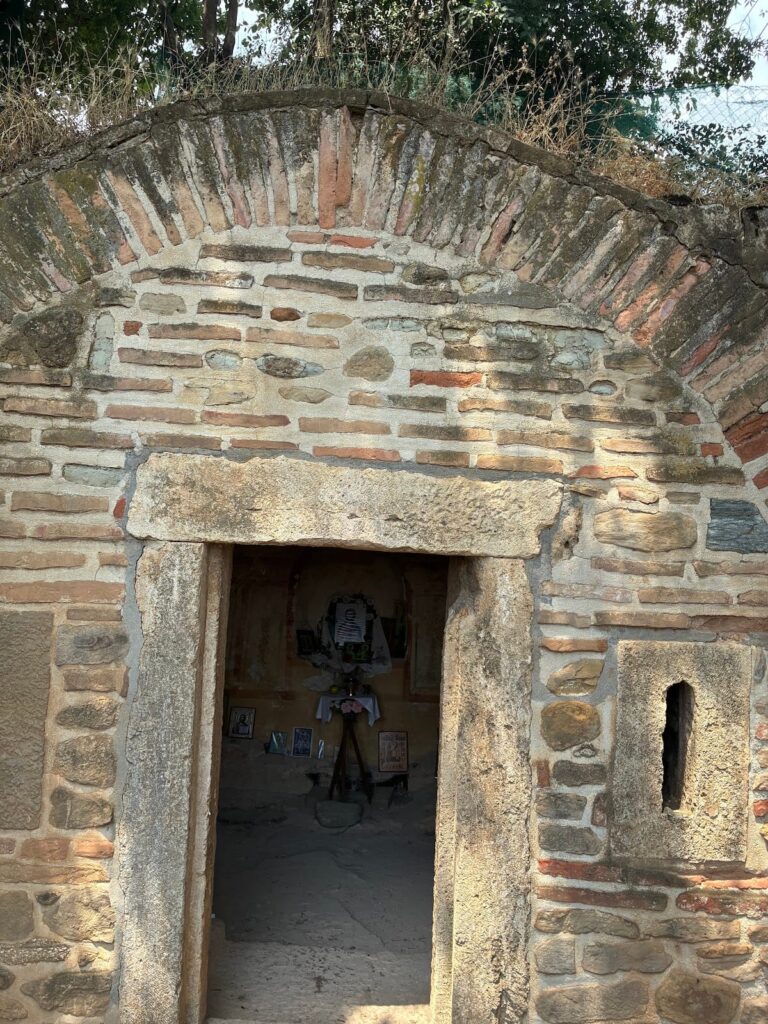
Ruins of the earlier monastery remain within the complex and preserve the physical evidence of Pavlovac’s medieval and later history. Their relationship to the reconstructed church reflects the continued use of the historic monastic site after its long period of abandonment.
Monastic residences
Southern monastic residence
A monastic residence stands on the south side of the church. It forms part of the reconstructed complex and is built of rubble stone and lime.
Probable summer residence
On the north side of the church are the remains of a building interpreted as the probable summer residence of Despot Stefan Lazarević. Its position within the complex connects the surviving architectural layout with the monastery’s foundation under his orders.
Nearby sites