Purtse Castle: A Historic Fortified Manor in Estonia
Visitor Information
Google Rating: 4.6
Popularity: Low
Country: Estonia
Civilization: Early Modern
Site type: Military
Remains: Castle
History
Purtse Castle is situated in the municipality of Purtse in modern-day Estonia. It was constructed during the mid-16th century by local German-speaking landowners in the region, reflecting the architectural and social transitions of the time in northeastern Estonia.
The estate at Purtse was first mentioned in records dating back to 1421, indicating its longstanding significance in the area. For nearly two centuries, the property remained under the ownership of the von Taube family. It was likely Johann von Taube who initiated the construction of the current fortified manor house in the 1500s, blending defensive needs with residential functions during a period of architectural change from Gothic to Renaissance influences.
In the late 16th and early 17th centuries, the estate saw prominent ownership under Henrik Fleming, who served as Governor of Ingria between 1584 and 1650. Later, the Baltic German von Stackelberg family acquired the property in the 18th century. By the 1730s, Purtse Castle had become a subsidiary estate of the nearby Püssi manor, reflecting shifts in regional landholding patterns.
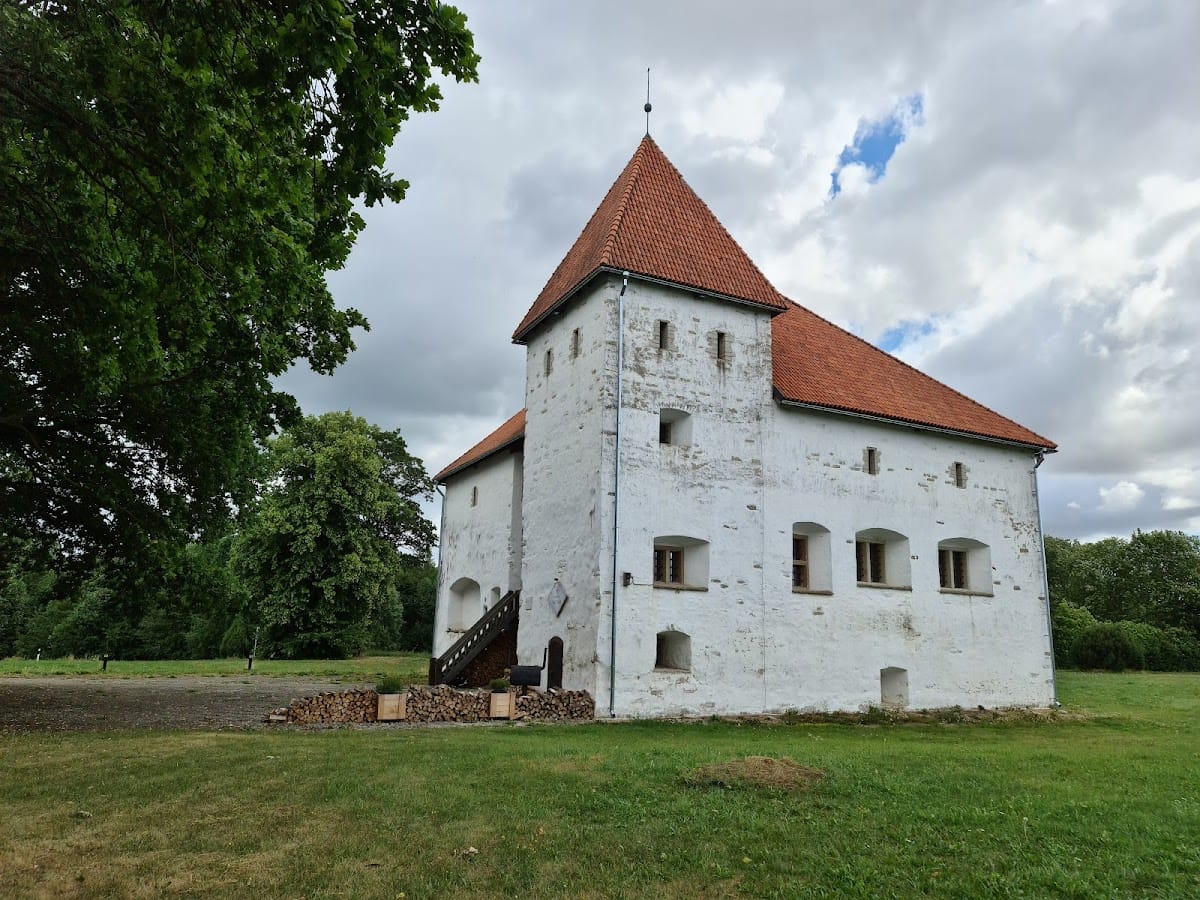
Throughout its history, Purtse Castle was adapted for varied uses beyond its original role as a residence and stronghold. It functioned as storage space for grain and dairy products, served as a prison, and eventually housed workers. The building endured several fires that damaged parts of the structure. After 1940, the castle was left abandoned until restoration efforts began in the late 20th century. Between 1987 and 1990, significant reconstruction work restored the defensive floor and the tower, aiming to recreate their former appearance. Today, Purtse Castle stands protected by the Estonian state as a cultural monument, preserving the layered history of the site.
Remains
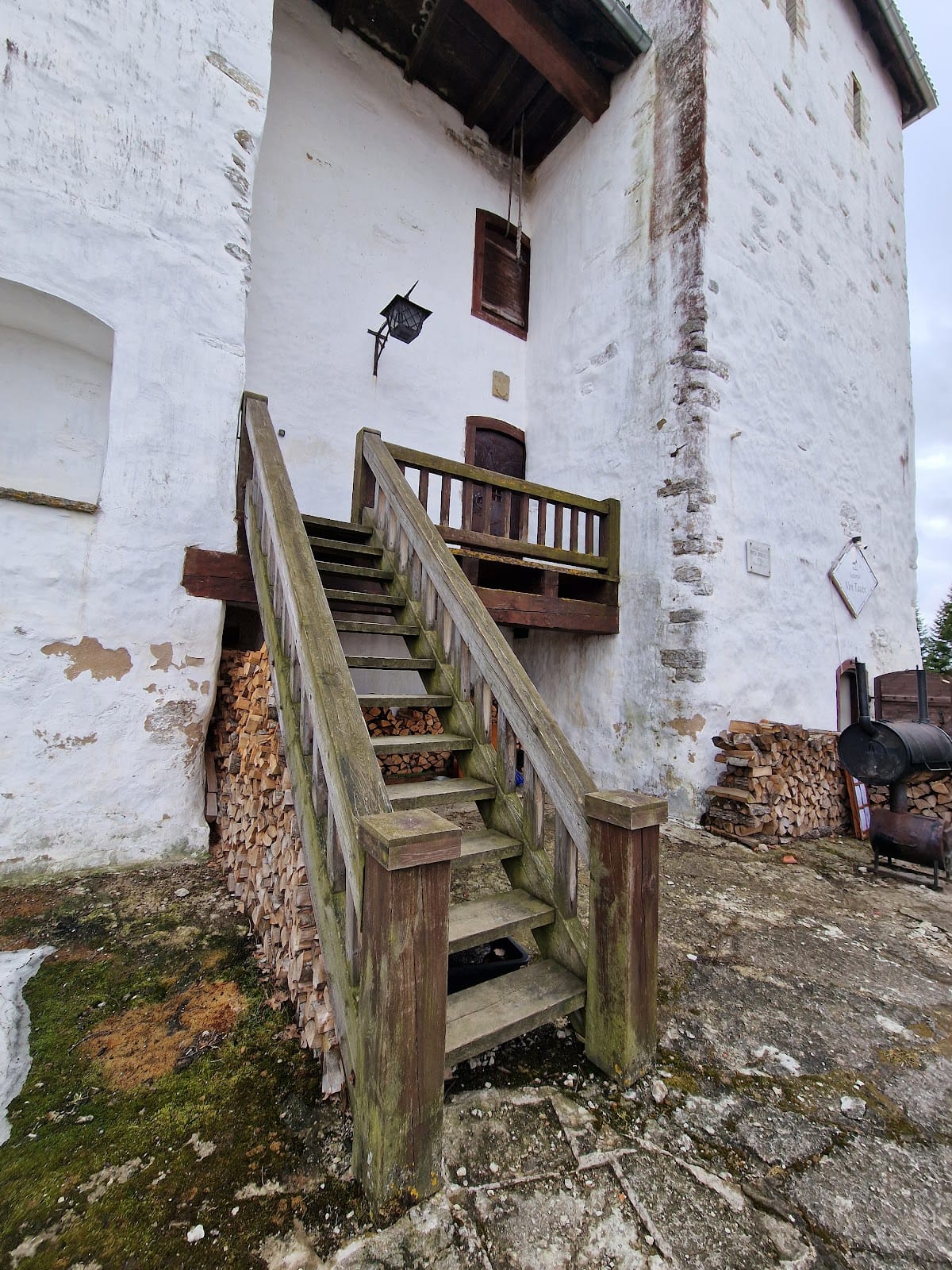
Purtse Castle is a three-story stone building exhibiting a combination of late Gothic and early Renaissance details, indicative of the transitional architectural style of its time. The ground floor was designed for storage, the middle floor provided living quarters, and the top level was dedicated to defense. Originally, entry to the castle was through the second floor via a retractable ladder, a feature that allowed the residents to secure the building against attack.
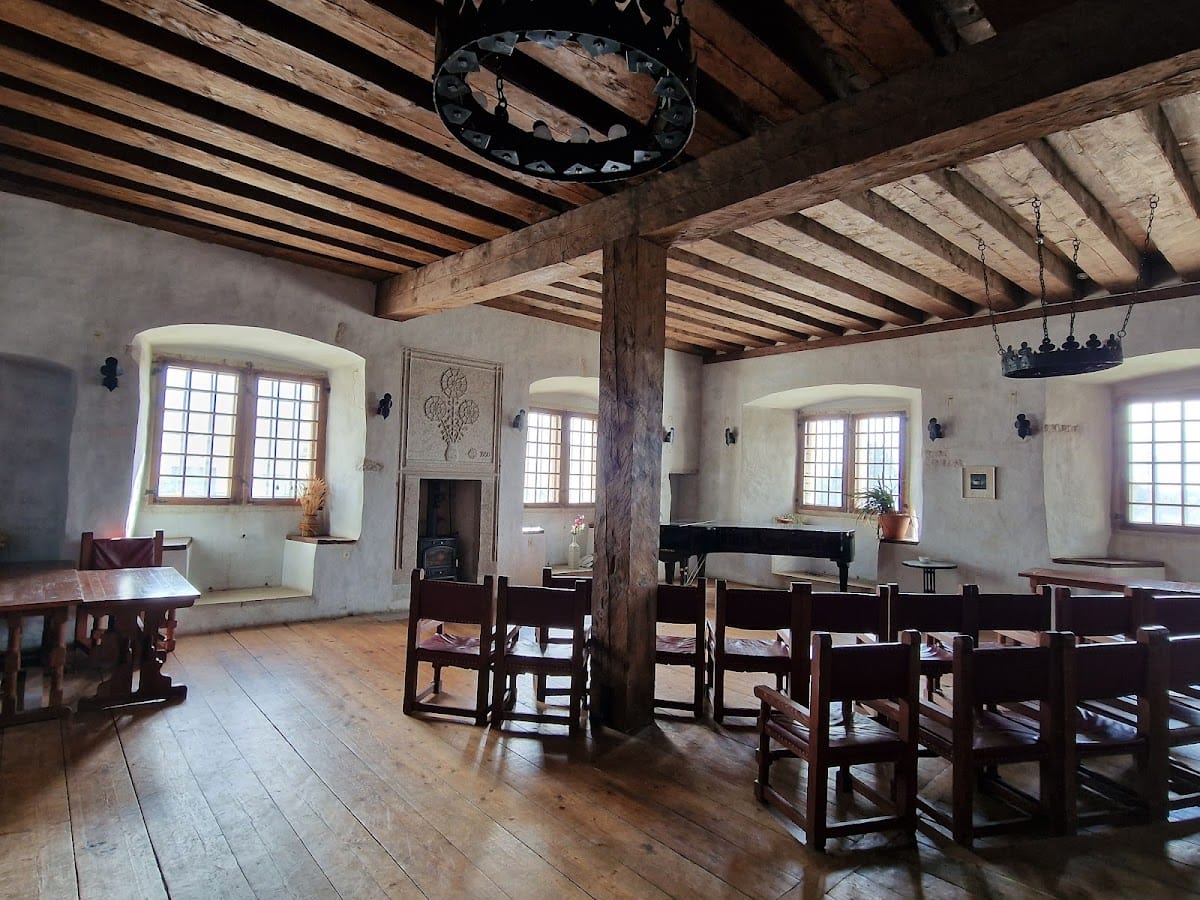
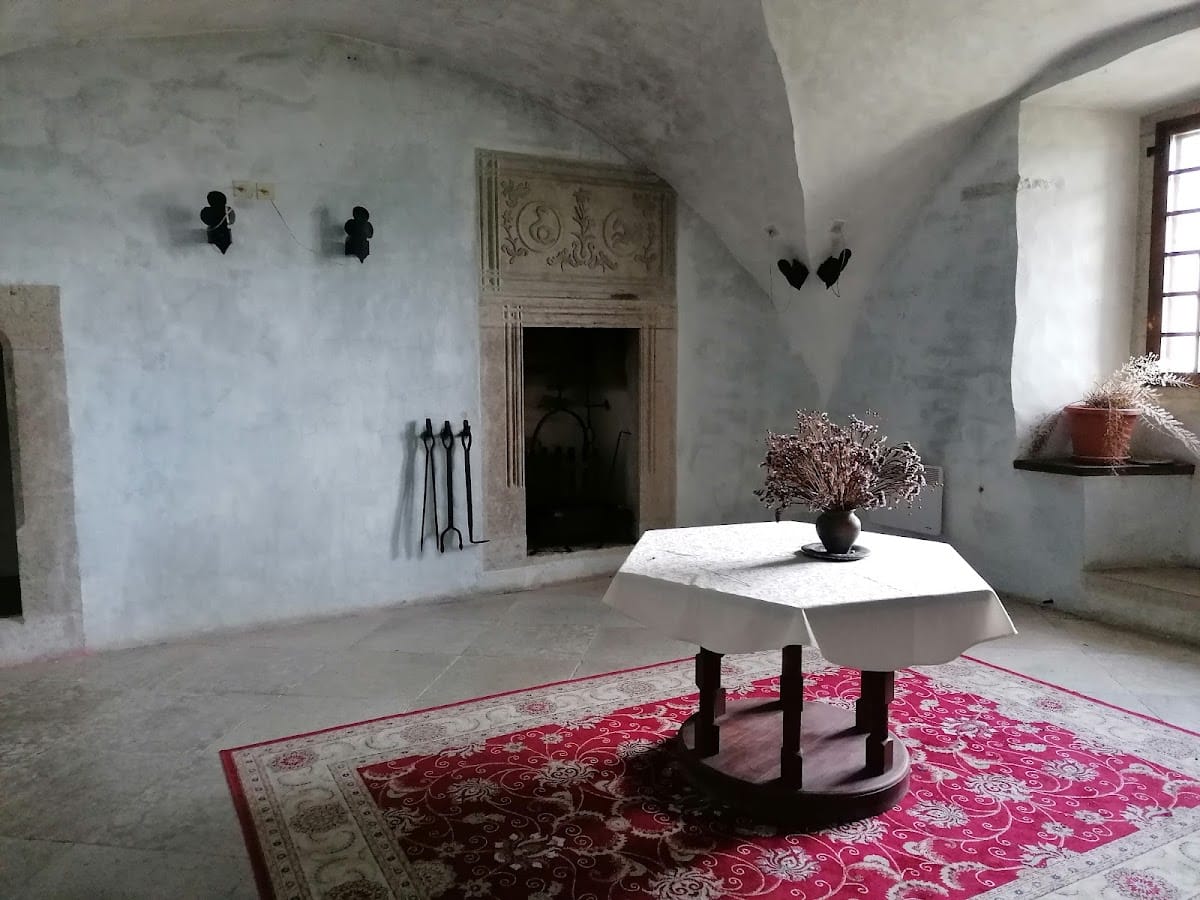
The living area on the middle floor consisted of one large chamber with a beam ceiling, accompanied by two smaller rooms vaulted in stone, suggesting comfort and status for the inhabitants. Archaeological evidence also indicates that a wooden residential wing was once attached to the main stone structure, extending the living space.
Significantly, the basement incorporated an advanced hypocaust system—a form of underfloor heating designed to warm the main hall above—demonstrating technological innovation in domestic comfort for the period. Throughout its existence, the castle underwent several modifications, including the loss of its original defensive floor over the centuries, leading to partial ruin by mid-20th century.
The late 20th-century restoration carefully rebuilt the upper defensive floor and the tower to restore their historical profiles based on archaeological findings. These reconstructed elements highlight the castle’s military aspect while preserving its architectural heritage. Today, the building retains its stone construction, wide window and door openings that combine Gothic form with the emerging Renaissance style, providing a tangible connection to the region’s evolving history.