Puerta del Cambrón: A Renaissance City Gate in Toledo
Site at a Glance
- Country
- Spain
- Primary era
- Early Modern
- Eras represented
- Early Modern
- Civilizations
- Crown of Castile, Spanish
- Site type
- Military
- Remains
- Gate
On this page6 sections
History
Renaissance Reconstruction
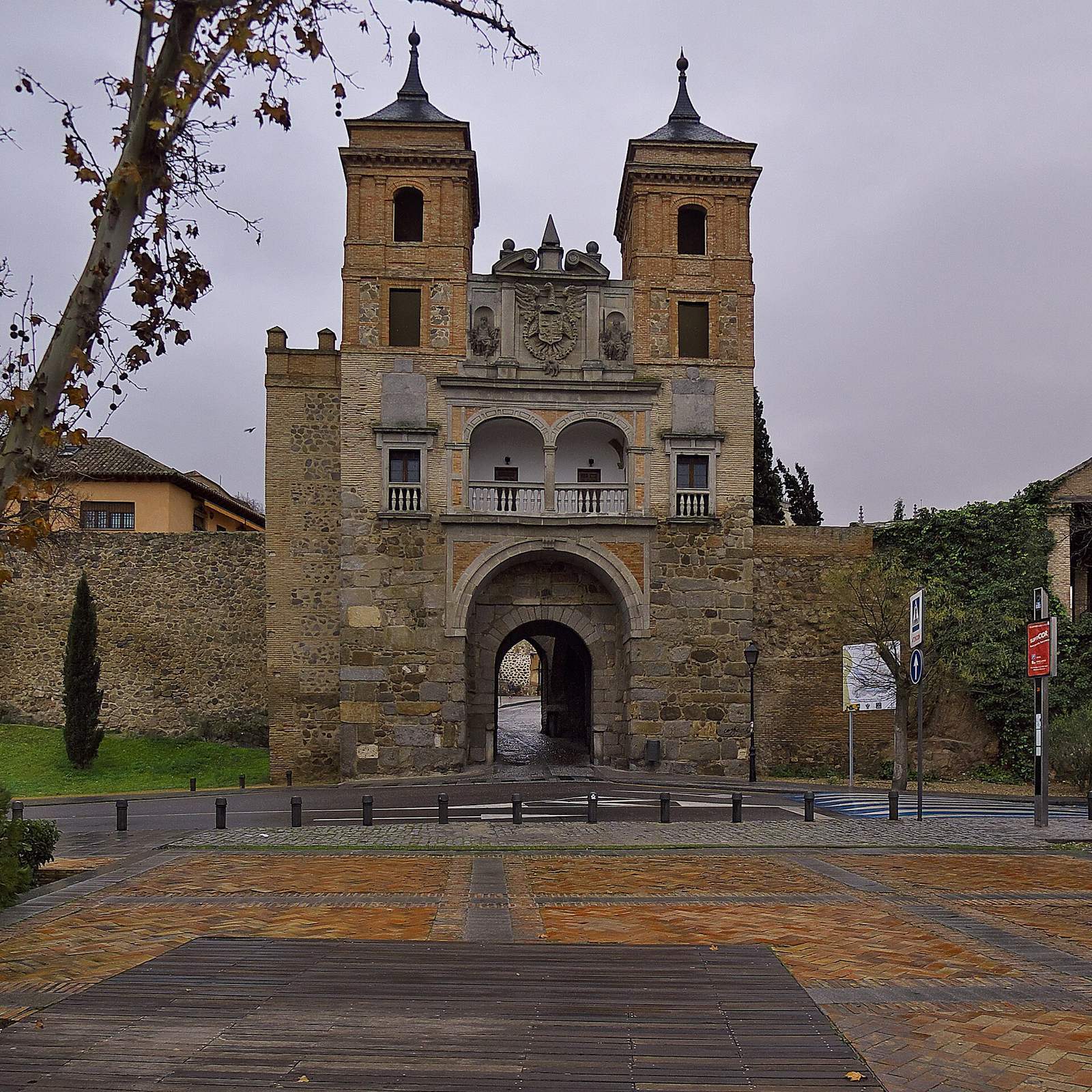
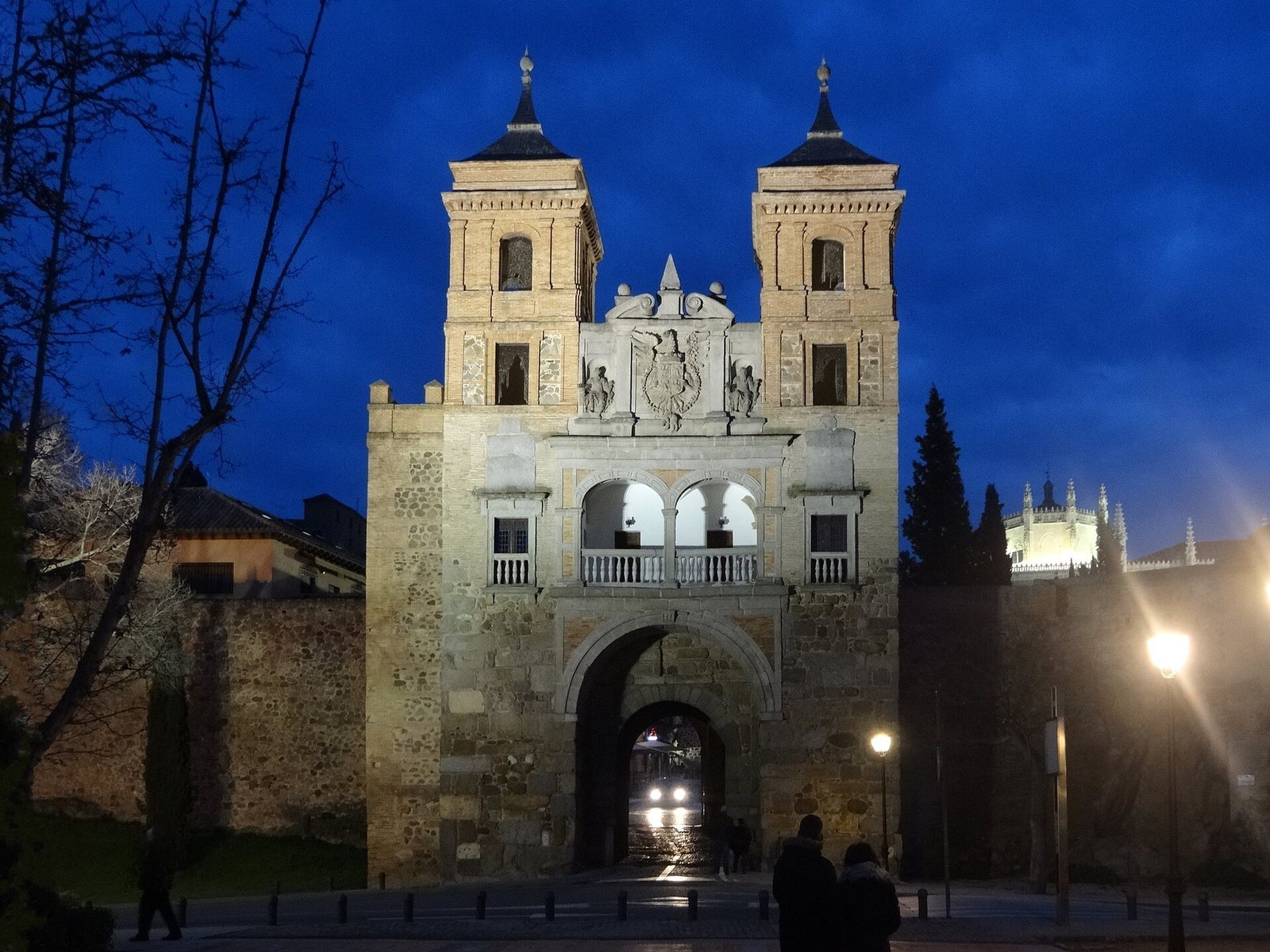
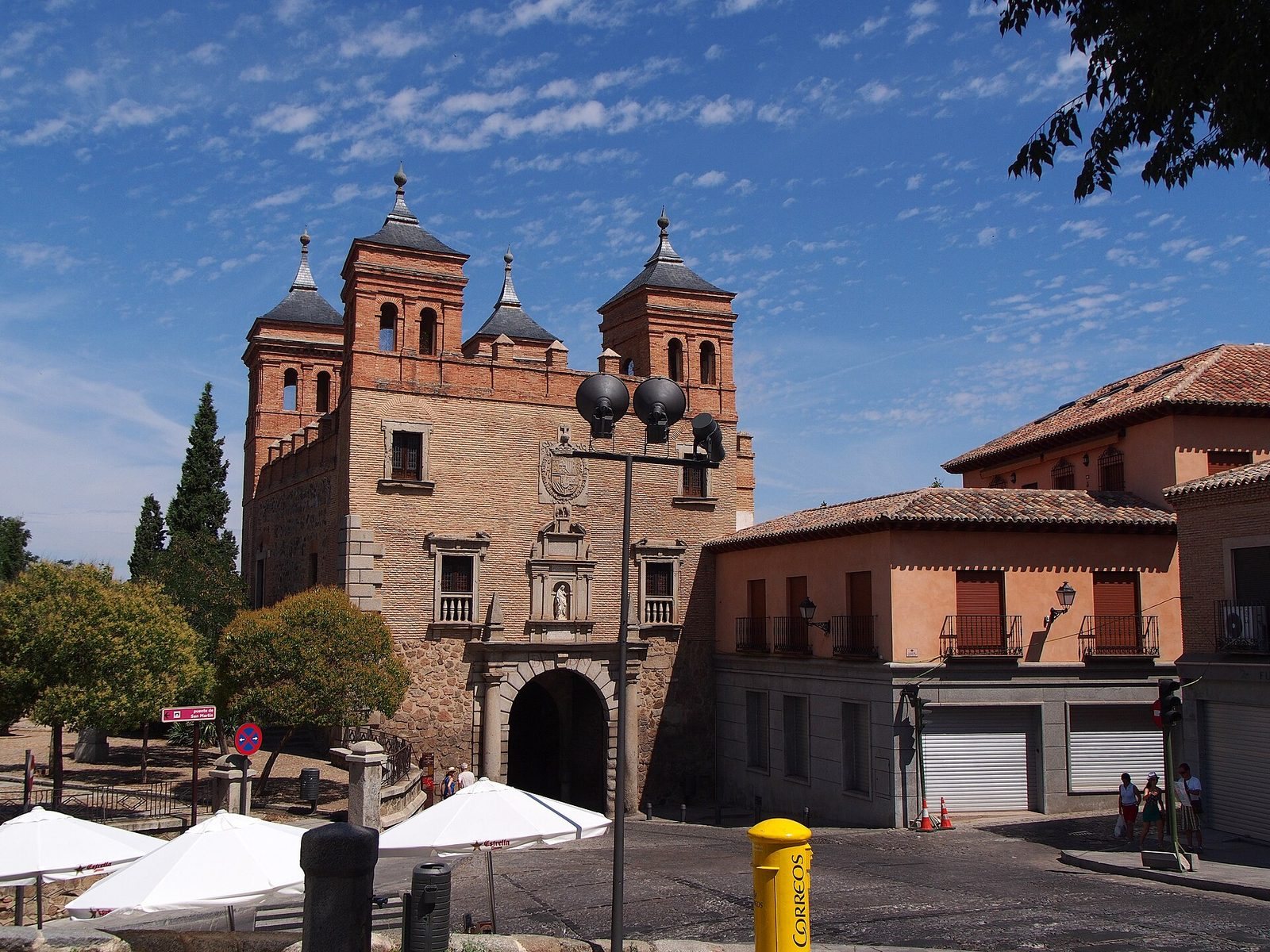
Puerta del Cambrón is a Renaissance-style city gate in western Toledo, Spain. It was reconstructed twice during the 1570s, with the final rebuilding taking place around 1576. Master builders Hernán González and Diego de Velasco, as well as the Spanish Renaissance sculptor and architect Juan Bautista Monegro, are believed to have taken part in the work. The gate was formerly known as the Gate of the Jews and the Gate of Saint Leocadia. Its name may refer to a thorny plant that grew on the ruins of one of its towers before the final reconstruction.
Heritage Recognition and the Civil War
Toledo’s walls, gates, towers, and bridges were declared National Monuments on 21 December 1921. Puerta del Cambrón is also classified as an Asset of Cultural Interest, a Spanish designation for culturally significant property.
During the Spanish Civil War, fought from 1936 to 1939, the gate sustained slight damage. At dawn on 23 August 1936, militiamen shot 80 people there. Most were priests, members of religious orders, or members of Catholic associations. Manuel Basarán del Águila was among those killed.
Remains
Gate Structure
The gate’s Renaissance structure is made of stone and brick. It has two arches and two pairs of towers. Its northwest facade is one of the gate’s exterior faces.
Carved Features
A carved figure of Saint Leocadia, a Christian saint traditionally venerated in Toledo, was made for the gate and is attributed to Juan Bautista Monegro. An inscription is also part of the structure.