Pons Neronianus: A First-Century Roman Bridge in Rome
Site at a Glance
- Popularity
- Medium
- Country
- Italy
- Primary era
- Classical
- Eras represented
- Classical
- Civilizations
- Roman
- Site type
- Infrastructure
- Remains
- Bridge
On this page4 sections
History
Pons Neronianus was a first-century stone bridge over the Tiber in Rome, Italy, built during the reign of either Emperor Caligula or Emperor Nero, although its builder is uncertain. It linked the western Campus Martius (Field of Mars) with the Ager Vaticanus (Vatican Field), providing a crossing between the two parts of the city.
Construction and Roman use
A wooden crossing served the route before the stone bridge. Caligula built a circus, a large venue for public spectacles such as chariot racing, on the Tiber’s right bank. Nero is thought to have replaced the timber crossing on the Via Triumphalis with the stone bridge. On the right bank, the imperial family held land along the Via Cornelia, and the crossing gave Nero access to gardens and a portico belonging to his mother, Agrippina the Younger.
Romans probably also used the bridge to reach the Circus of Nero, built by Caligula and later named for Nero. The historian Tacitus connected the circus with Nero’s execution of Christians accused of starting the Great Fire of Rome in 64 CE. The bridge was also called Pons Triumphalis, after the Via Triumphalis. Beginning with Emperor Titus, victorious emperors entered Rome across it in triumphal processions, formal ceremonies celebrating military victory. Pons Vaticanus was another name, reflecting the bridge’s connection with the Ager Vaticanus.
Disuse and later history
The bridge’s name does not establish a connection with Nero as either its builder or namesake. It may instead have taken its name from the Plain of Nero, a name for the area on the Tiber’s right bank that remained in use into the medieval period. People who no longer knew the bridge’s origins may have named its ruins after the locality. By the Middle Ages, it was also called Pons ruptus, meaning “Broken Bridge,” in reference to its damaged condition.
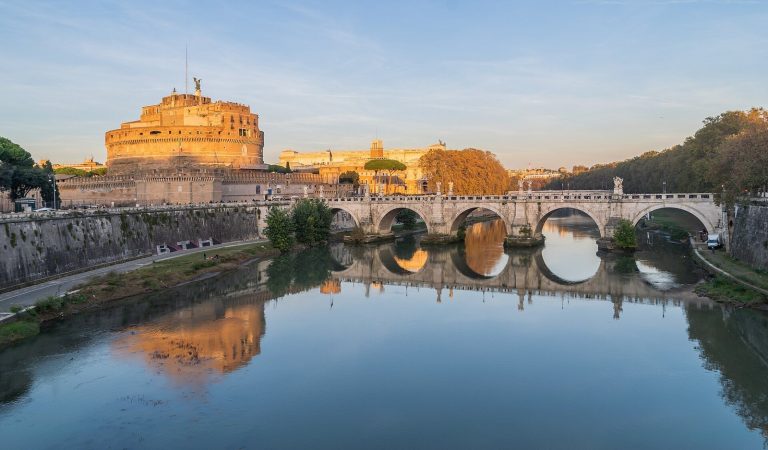
The bridge may have struggled to carry Rome’s everyday traffic. Within a century of its completion, Emperor Hadrian built Pons Aelius less than 200 metres upstream. Pons Neronianus had fallen out of use by the fourth century CE and is dated to that century as destroyed, though the timing of its collapse is uncertain. The late Roman Christian poet Prudentius described a route to St Peter’s by way of Hadrian’s bridge. Since Pons Neronianus would have provided a shorter crossing, this route points to the older bridge’s disuse. Medieval descriptions of Rome, including Mirabilia Urbis Romae and Graphia Aureae Urbis Romae, included it among the city’s ruins. In the fifteenth century, Pope Julius II planned a restoration, but it did not take place. In the nineteenth century, the bridge’s piers, which still rose above the water, were removed to let boats navigate the Tiber safely.
Remains
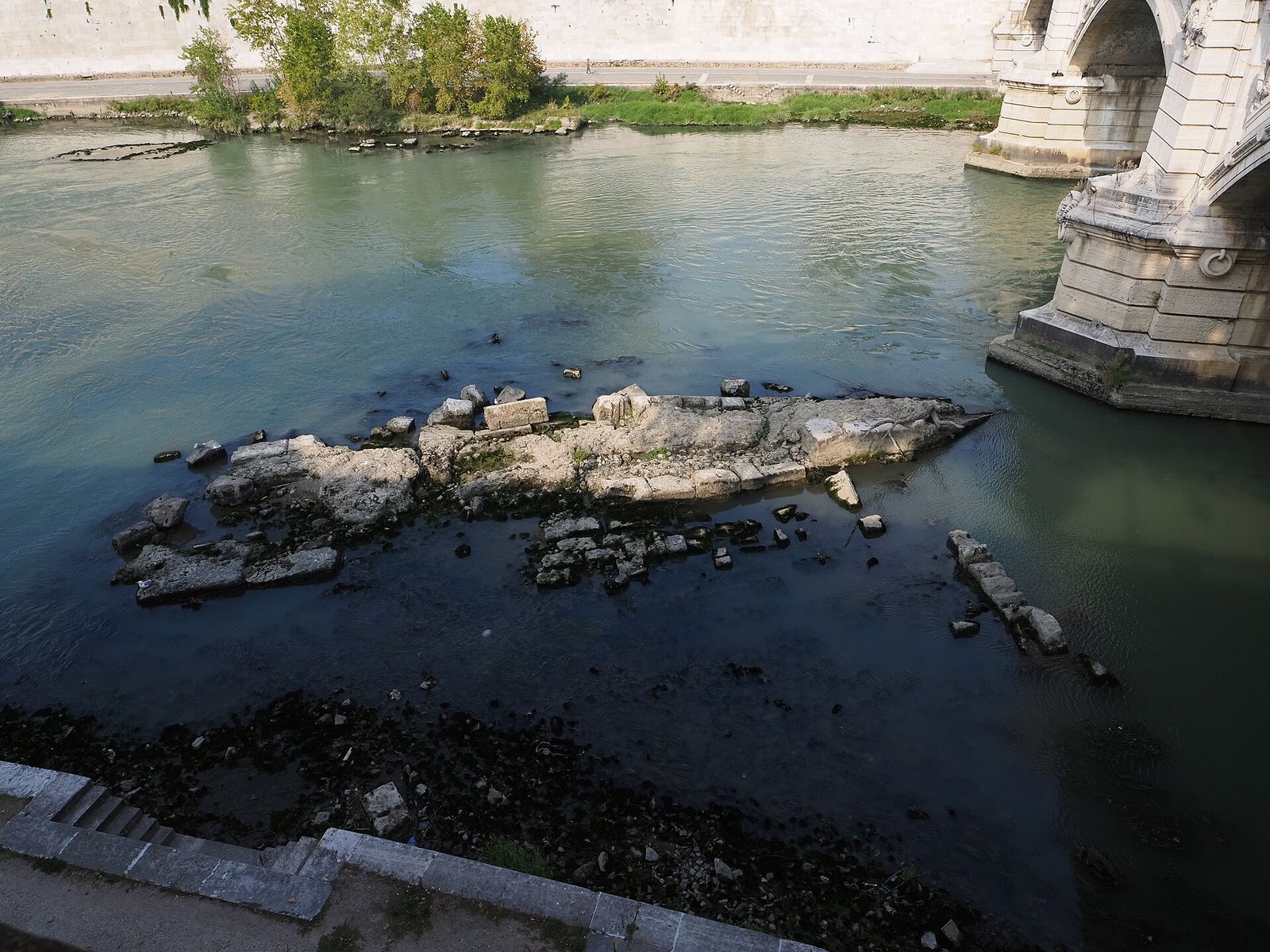
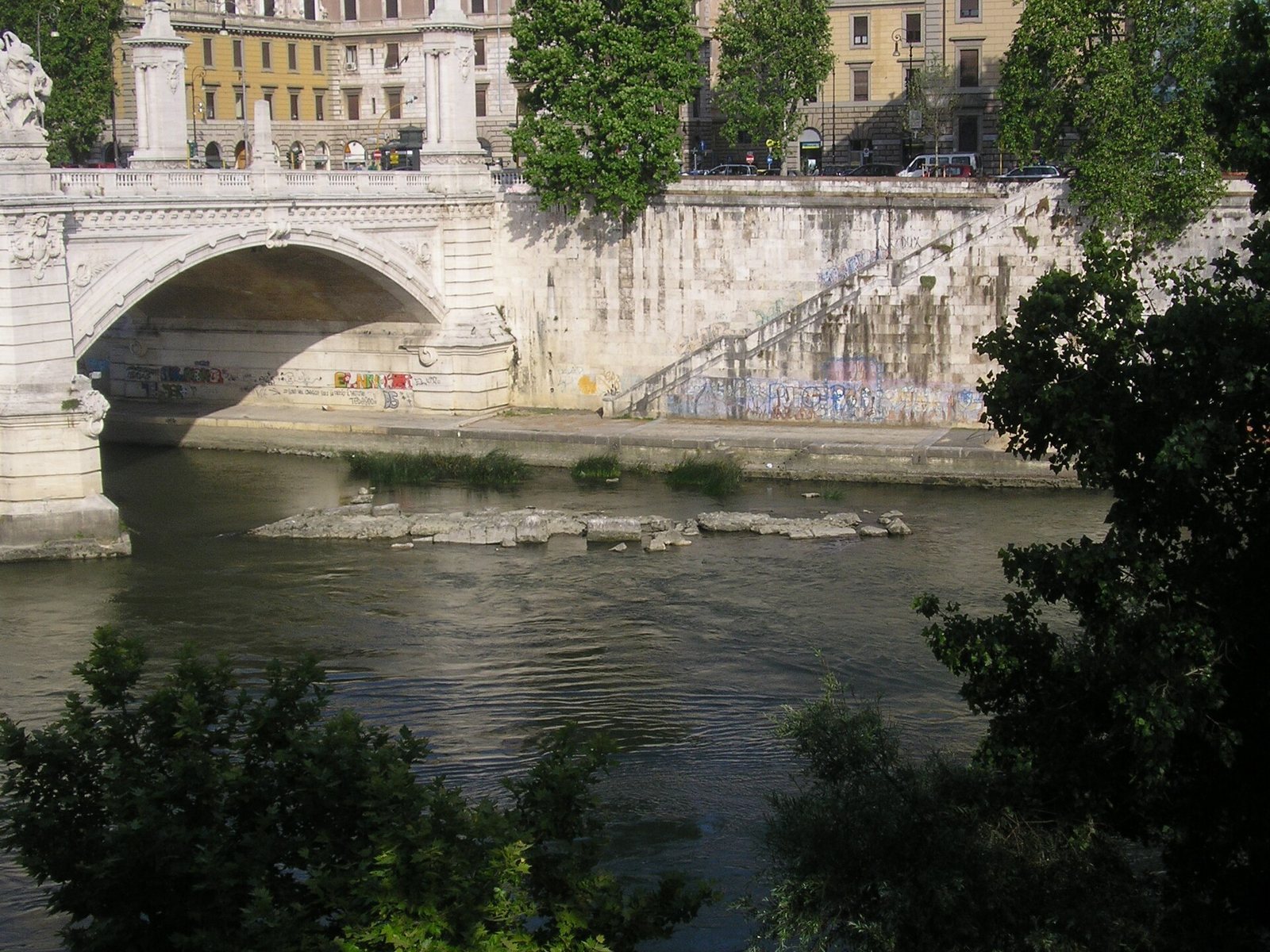
The arched stone bridge crossed the Tiber immediately below the modern Ponte Vittorio Emanuele II, on a slightly different alignment. Four piers, the supports carrying the arches, once held up the structure.
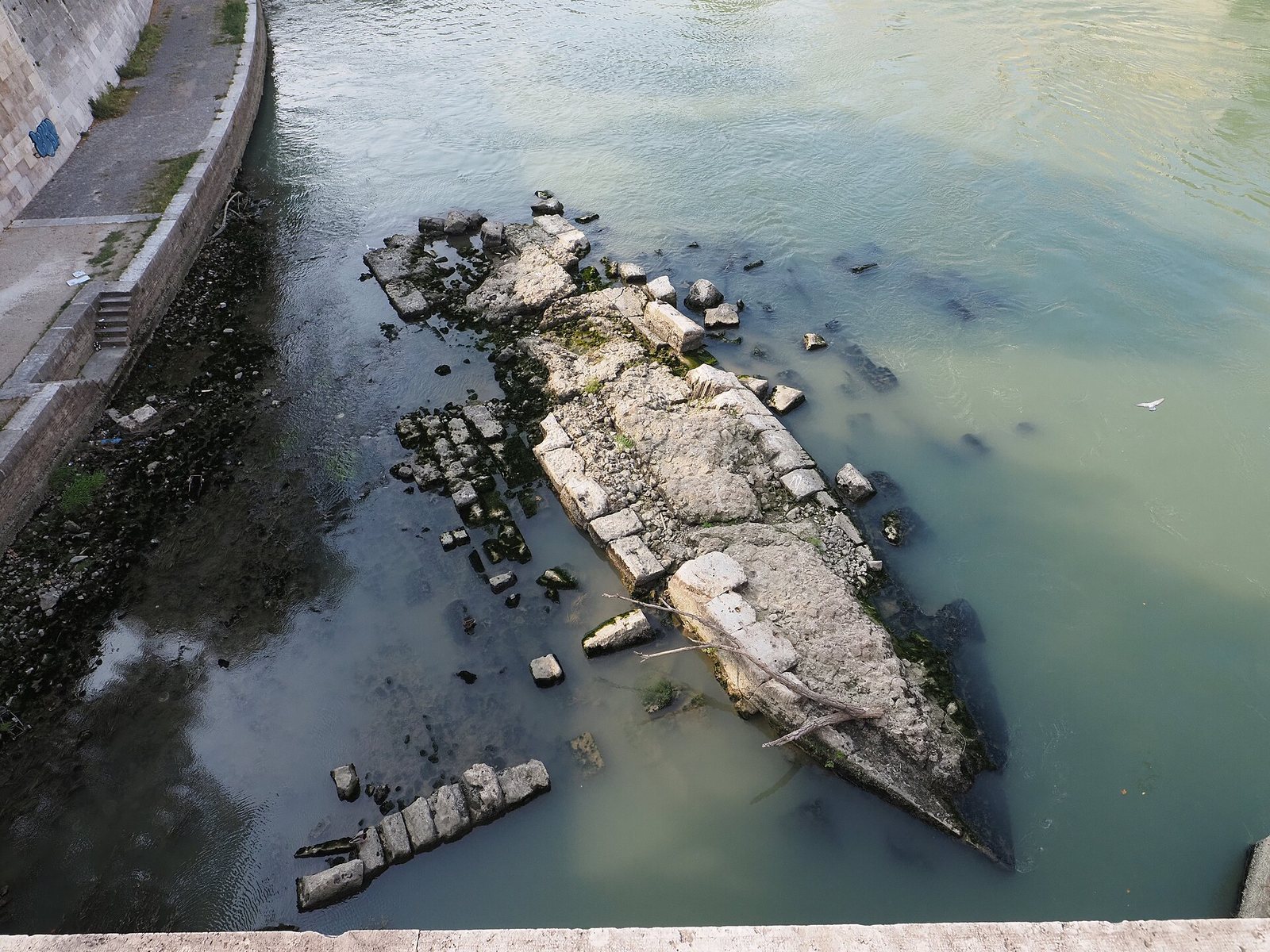
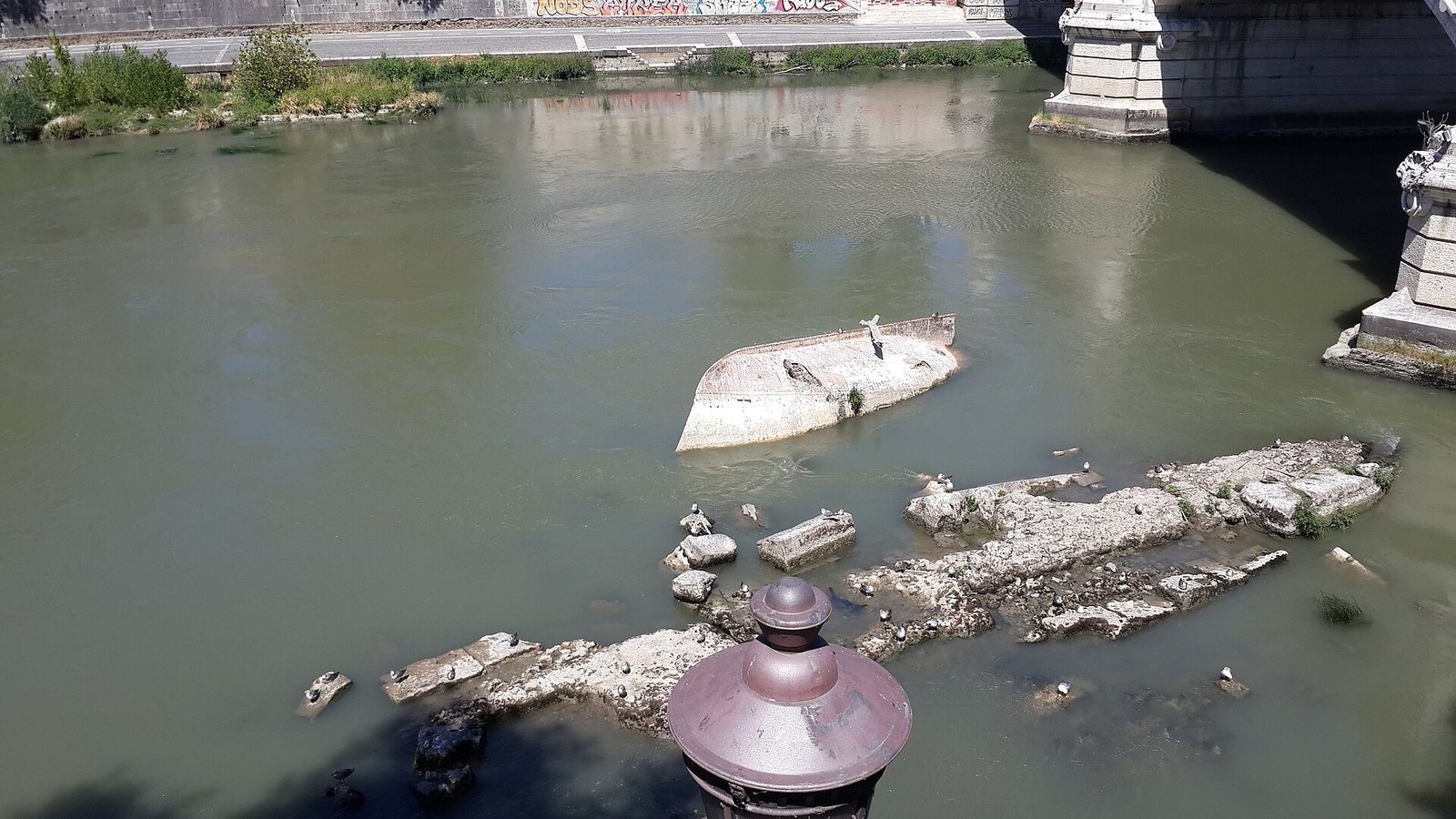
A foundation belonging to one of the piers survives and can be seen when the Tiber is low.