Pauline Monastery Ruin in Nagyvázsony: A Late Medieval Monastery
Site at a Glance
- Rating
- 4.7
- Popularity
- Medium
- Country
- Hungary
- Primary era
- Medieval
- Eras represented
- Medieval
- Civilizations
- Hungarian
- Site type
- Religious
- Remains
- Monastery
On this page10 sections
History
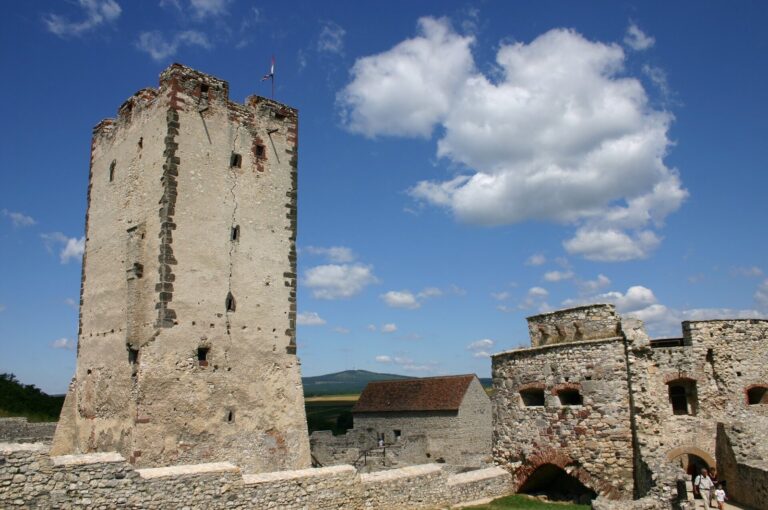
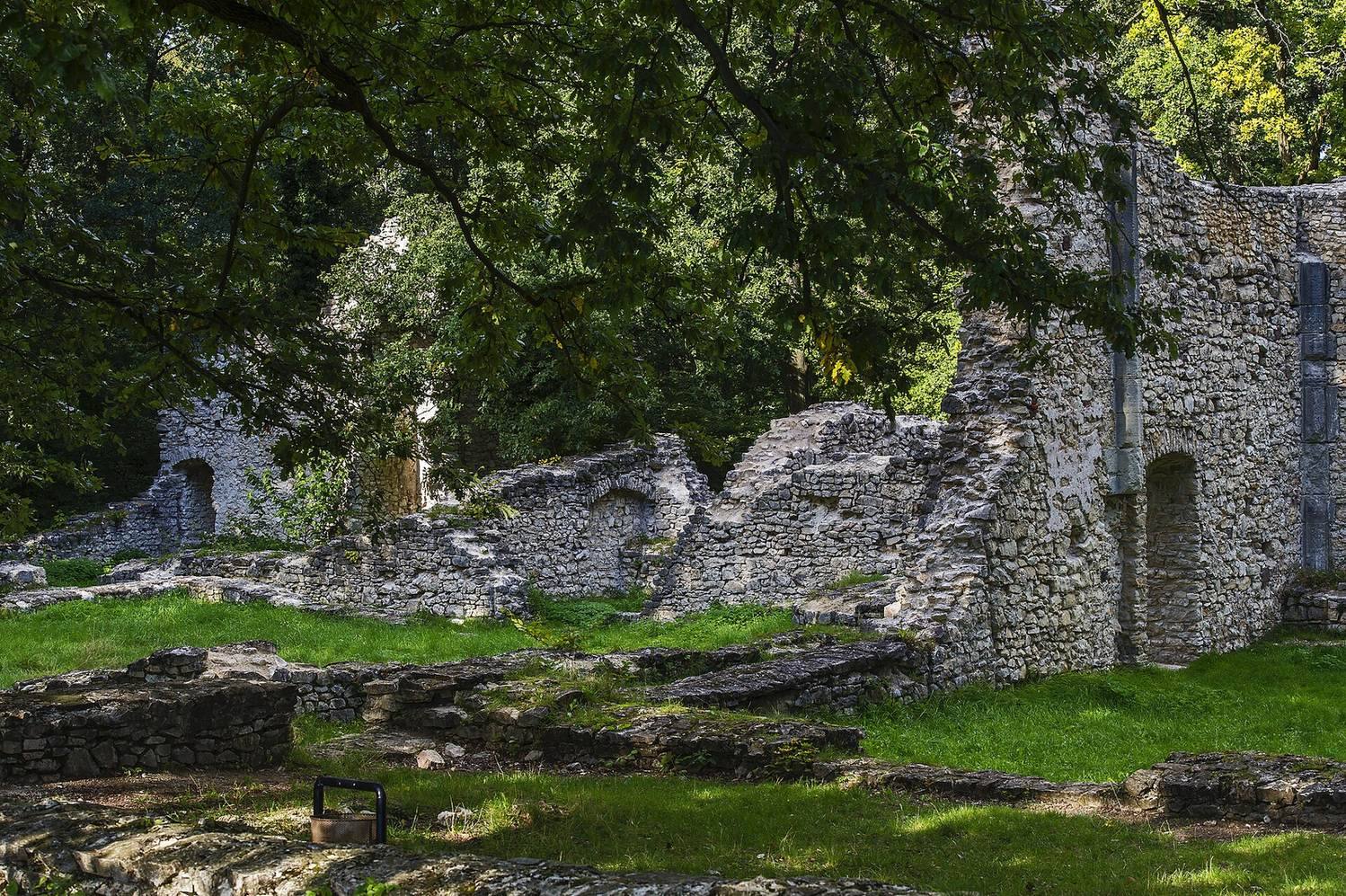
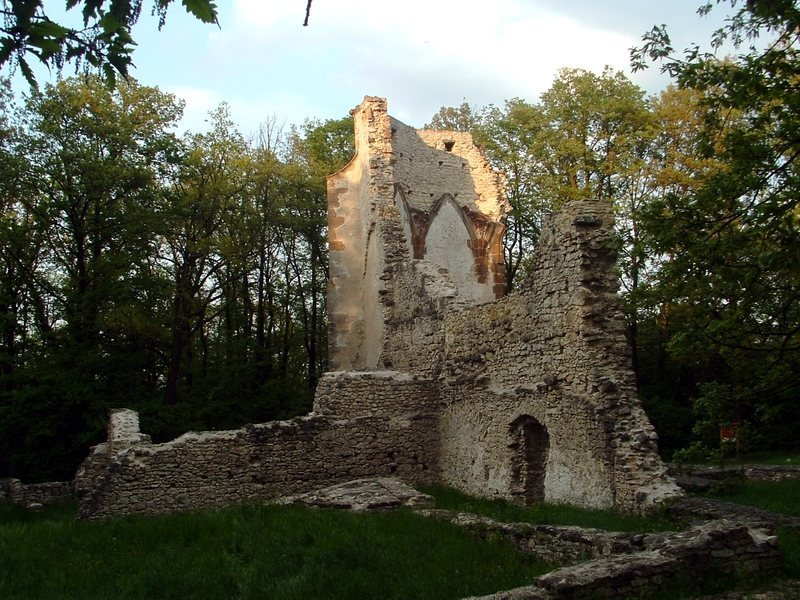
The Pauline monastery ruin in Nagyvázsony is the remains of a late medieval monastery in Hungary. Pál Kinizsi, a Hungarian military commander, and his father-in-law Balázs Magyar founded it between 1480 and 1483 for the Catholic Order of Saint Paul the First Hermit, commonly known as the Paulines.
Foundation and monastic life
Kinizsi brought the Paulines to Vázsony in 1478, when it was a market town. The founders intended the monastery as a burial place for their family, and its endowment was said to support 26 people. Tradition says the monastery was built using ransom paid for one of Kinizsi’s Turkish captives. Its church was dedicated to Saint Michael, the archangel in Christian tradition.
Learned monks lived and worked at the monastery, and excavation indicates that skilled bookbinders also worked there. Kinizsi was buried at the monastery in late 1494.
Abandonment and reuse
The monastery was deserted in 1543. After Veszprém fell to the Ottomans in 1552, the monastery and other nearby monasteries were blown up to prevent their conversion into fortifications that could threaten the Vázsony border fortress.
Stones from the monastery were reused at Vázsony Castle during the sixteenth and seventeenth centuries, and in village houses in the eighteenth century. Because the church stood some distance from the village, it was not considered suitable for restoration as a parish church. Instead, a Baroque parish church, in a European style associated especially with the seventeenth and eighteenth centuries, was built in the settlement center.
Excavation and preservation
Archaeologist István Éri led an excavation in 1959. Preservation work and minor additions followed in 1960, after which the ruins received little further attention for nearly half a century.
Remains
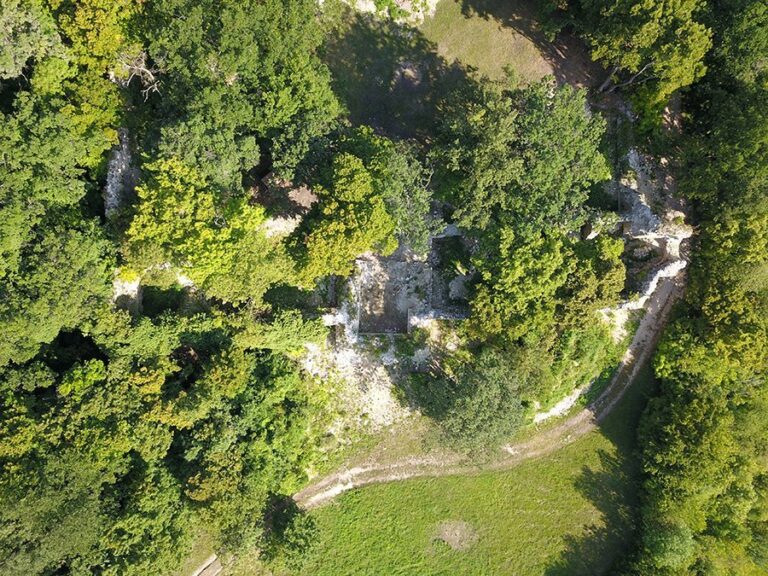
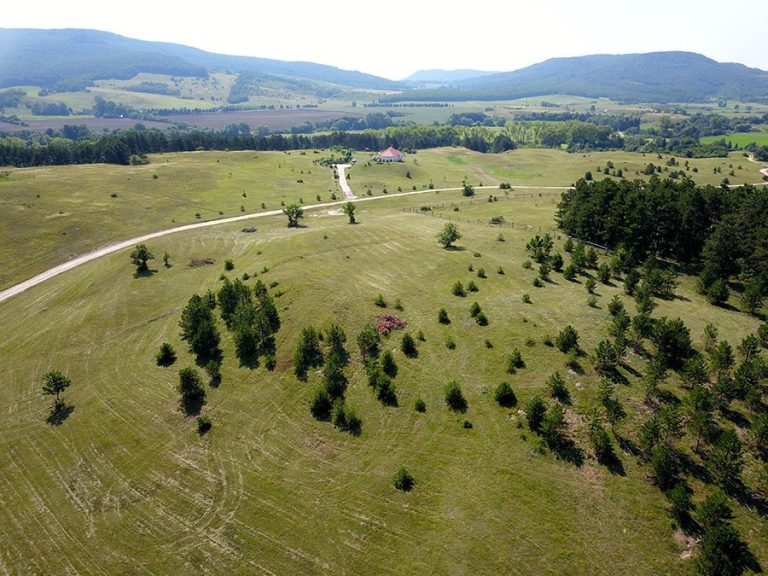
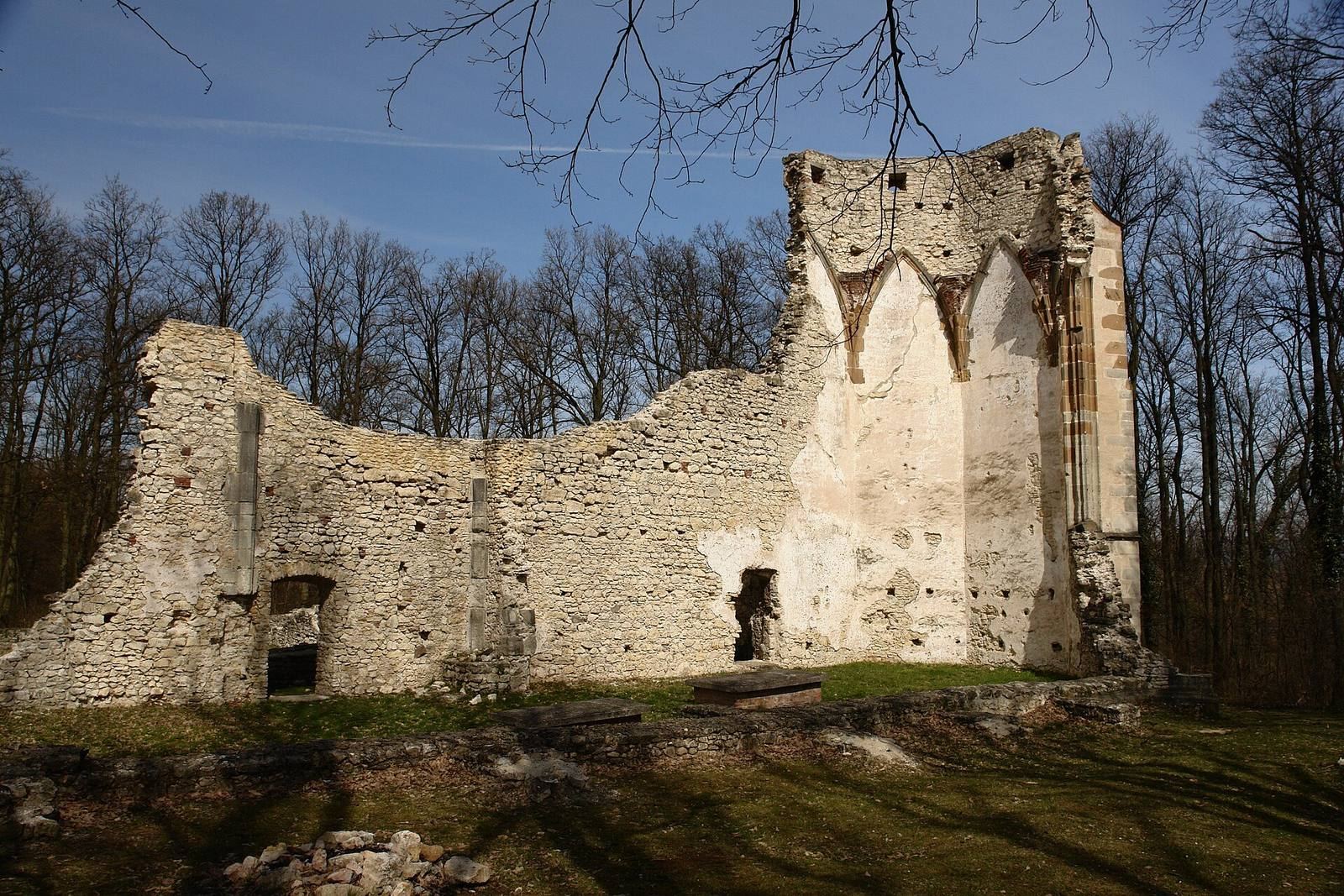
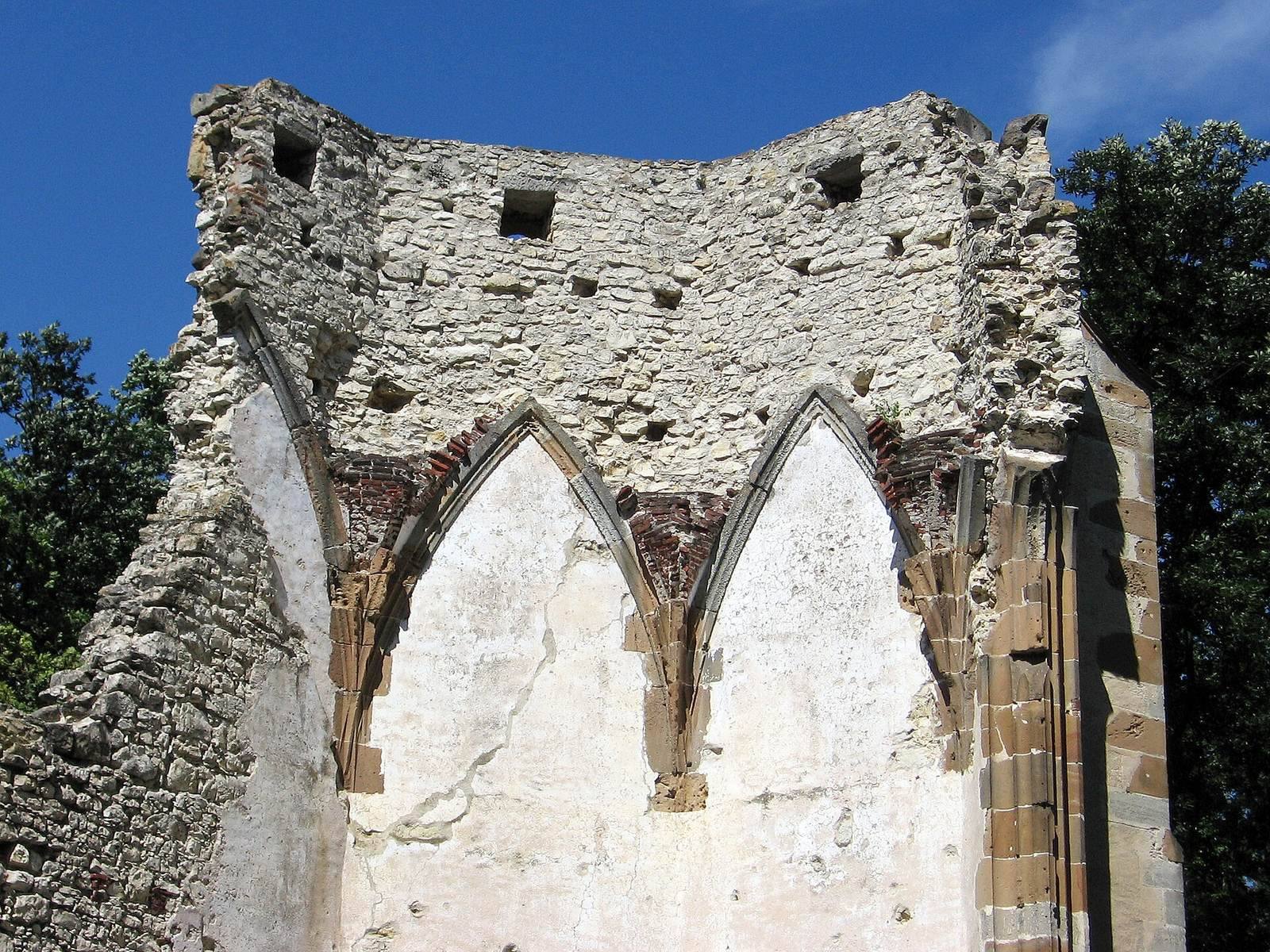
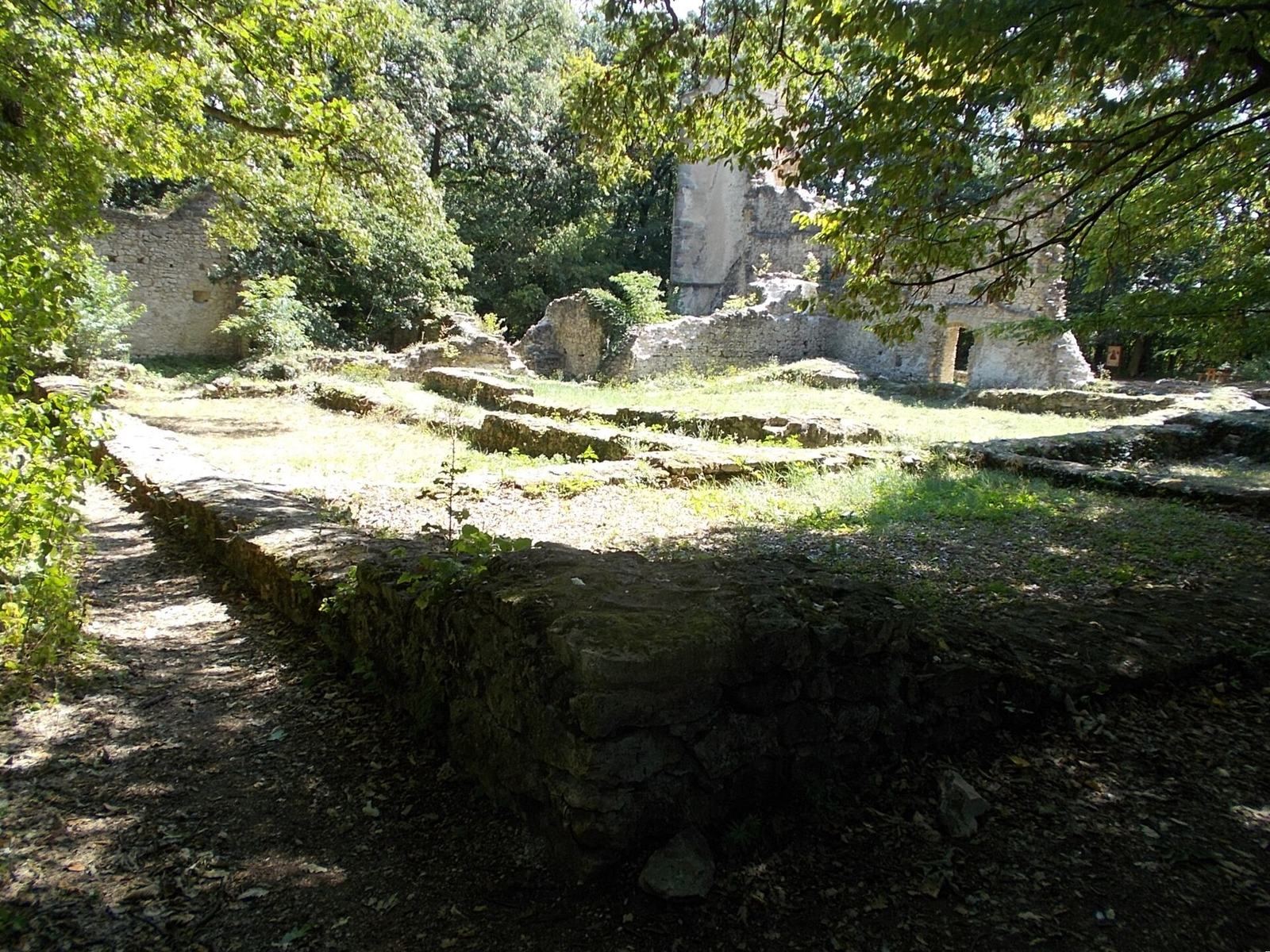
The monastery stood west of Vázsony Castle in the Bakony forest. Its walled complex included a church, a four-sided monastic courtyard on the church’s north side, and farm buildings. The church had a single nave and a sanctuary (the church’s altar area) covered by a Gothic net vault, a ribbed ceiling with a mesh-like pattern.
Church
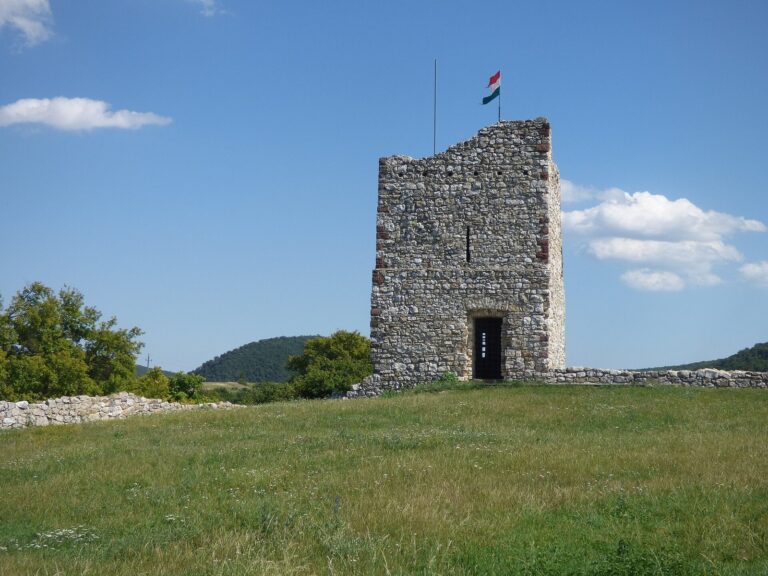
The church measured 31 m long. Its nave was 9.5 m wide, and its sanctuary was 8 m wide and ended in several sides. The sanctuary’s end wall survives at full height, while the nave’s foundation walls remain.
Monastic courtyard and enclosure
The courtyard adjoined the north side of the church. Wall sections closest to the church stand higher than the other surviving sections. Farm buildings formed part of the complex, which was enclosed by a wall. Excavation exposed part of that boundary wall.
Manuscripts and burial evidence
Handwritten books
Four handwritten books, or codices (handwritten manuscript books), made at the monastery survive. One was written for the nuns’ monastery at Veszprémvölgy. Two were made for Magyar Benigna, Kinizsi’s wife. The Festetics Codex dates to around 1494, and the Czech Codex to 1513. The Peer Codex, made around 1518, is believed to have been given to Simon, a minor nobleman living in nearby Csepely. These books are especially valuable because few medieval written records survive.
Kinizsi’s grave and tombstone
Kinizsi’s grave was excavated and is associated with a tombstone now visible in the chapel of Vázsony Castle.