Palazzo Sant’Antonio: A Former Franciscan Monastery in Cerreto Sannita
Site at a Glance
- Popularity
- Very Low
- Country
- Italy
- Primary era
- Medieval
- Eras represented
- Medieval
- Civilizations
- Kingdom of Naples, Kingdom of Sicily, Spanish
- Site type
- Religious
- Remains
- Monastery
On this page8 sections
History
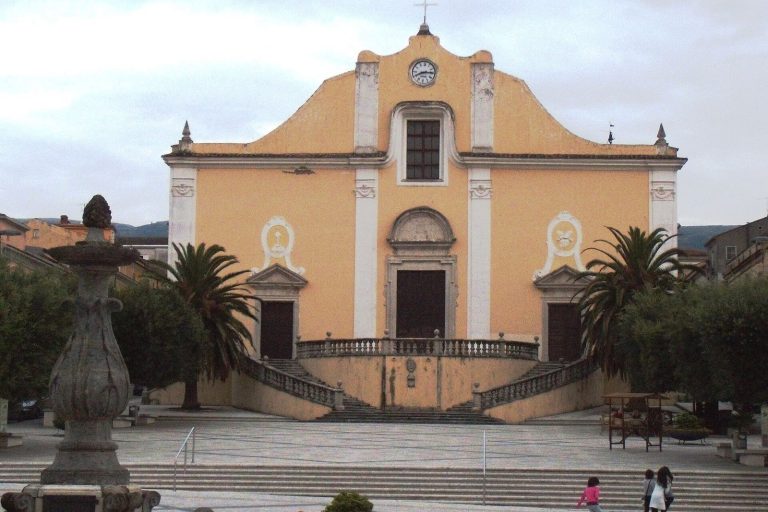
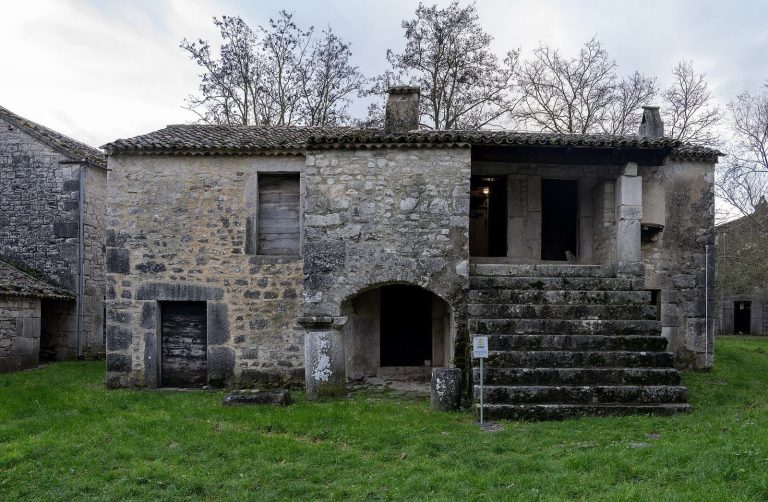
Palazzo Sant’Antonio is a former Franciscan monastery in Cerreto Sannita, Italy, founded around 1240 at ancient Cerreto. It became an important religious institution in the region and was rebuilt in the planned town of Cerreto Sannita after the earthquake of 1688.
Foundation and regional role
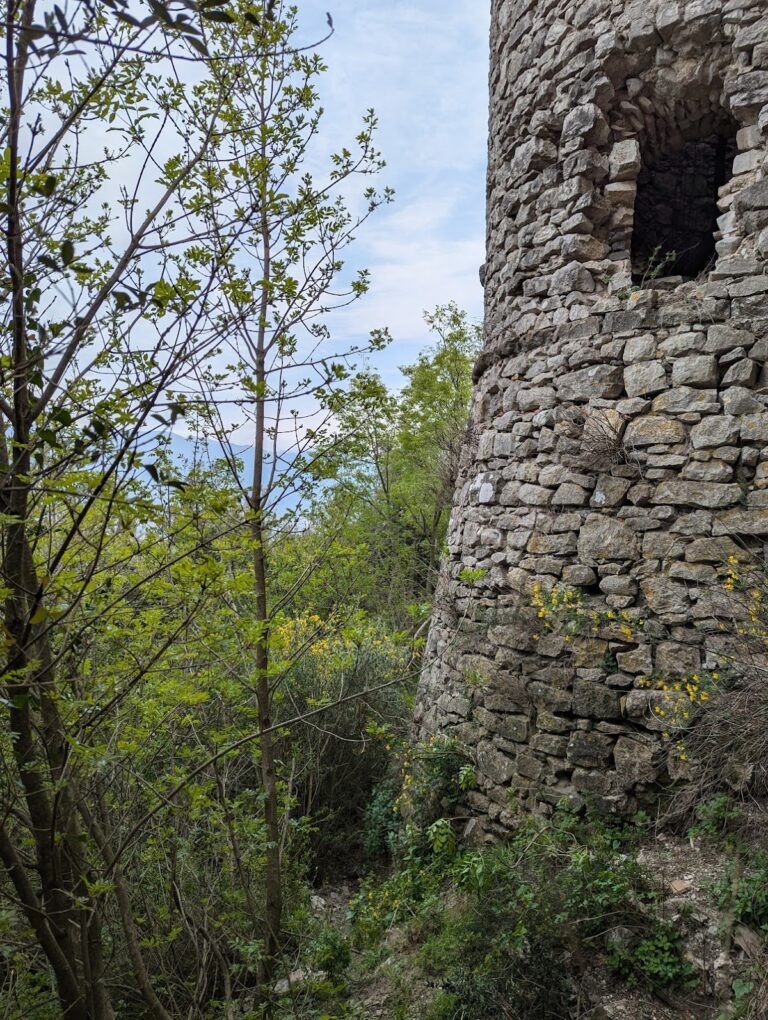
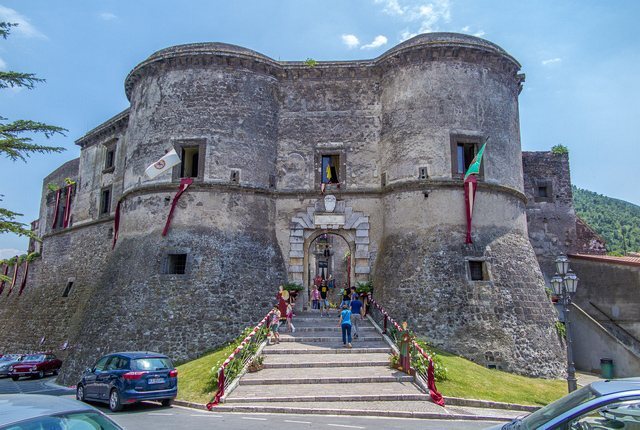
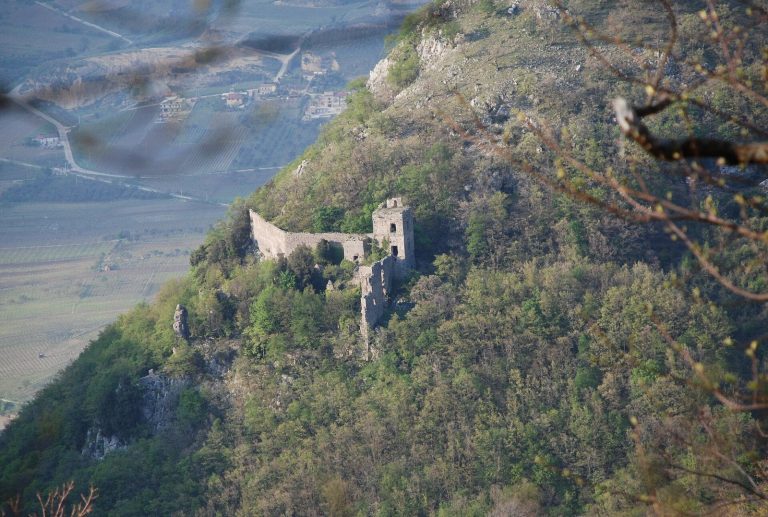
In 1244, Salomone, son of Girardo di Massa Inferiore, donated three garden plots to the convent. The friars received frequent gifts, and the monastery hosted repeated meetings to elect the Franciscan provincial, the regional head whose authority extended across much of present-day Campania. The counts of Sanframondo gave the friars part of their castle at ancient Cerreto. From 1369, Poor Clare nuns occupied the castle’s other portion.
Franciscan study and local tensions
In the sixteenth century, after Pope Leo X divided the Franciscan order into the Observant and Conventual branches, the community joined the Conventual Franciscans. The monastery also developed as a center of study. In 1621, the Cerreto friar Cesare de Laurentiis became provincial. In 1651, local priests and friars clashed over how taxes imposed on peasants should be divided, amid tensions over the friars’ growing influence.
Earthquake and rebuilding
The earthquake of 5 June 1688 destroyed the monastery, and only two of its seventeen friars survived. They used the convent’s income to rebuild it from the ground up in the newly planned town of Cerreto Sannita, whose plan was drawn up by the Italian architect and urban planner Giovanni Battista Manni. The monastery and its associated Church of Sant’Antonio were rebuilt quickly. In 1693, Bishop Giovanni Battista de Bellis was buried in the church while Cerreto Sannita’s cathedral remained unfinished.
Suppression and later use
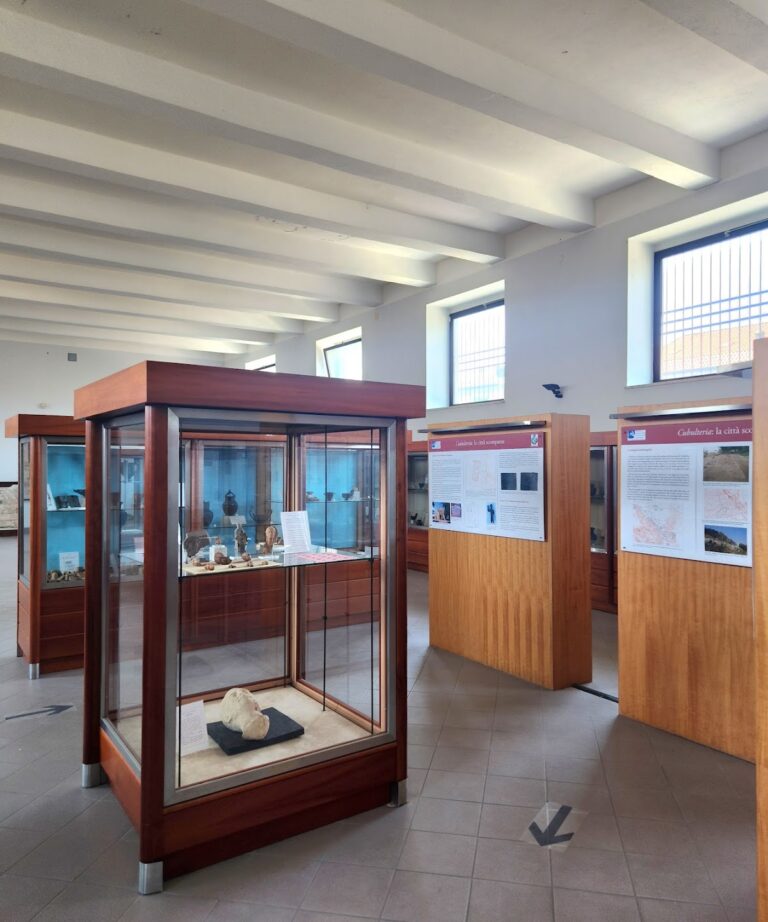
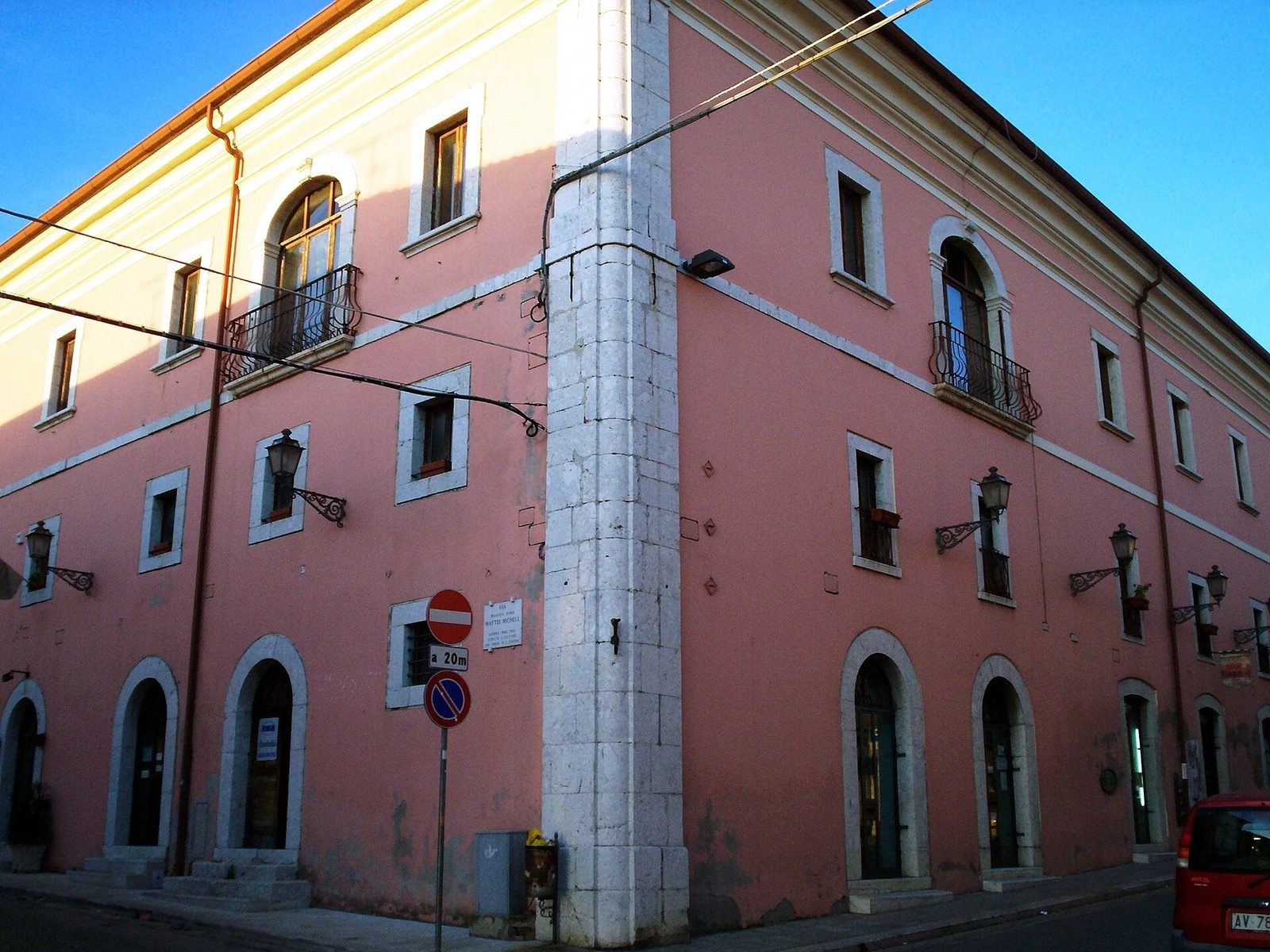
The earthquake of 26 July 1805 damaged both the monastery and its church. After Joseph Bonaparte, king of Naples from 1806 to 1808, ordered the monastery’s suppression, the building served several purposes. It became municipal offices in the early twentieth century and is now used for municipal offices and Cerreto’s civic and ceramics museum. The monastery was also associated with the Confraternity of the Madonna del Pianto, a religious association devoted to Mary.
Remains
Plan and cloister
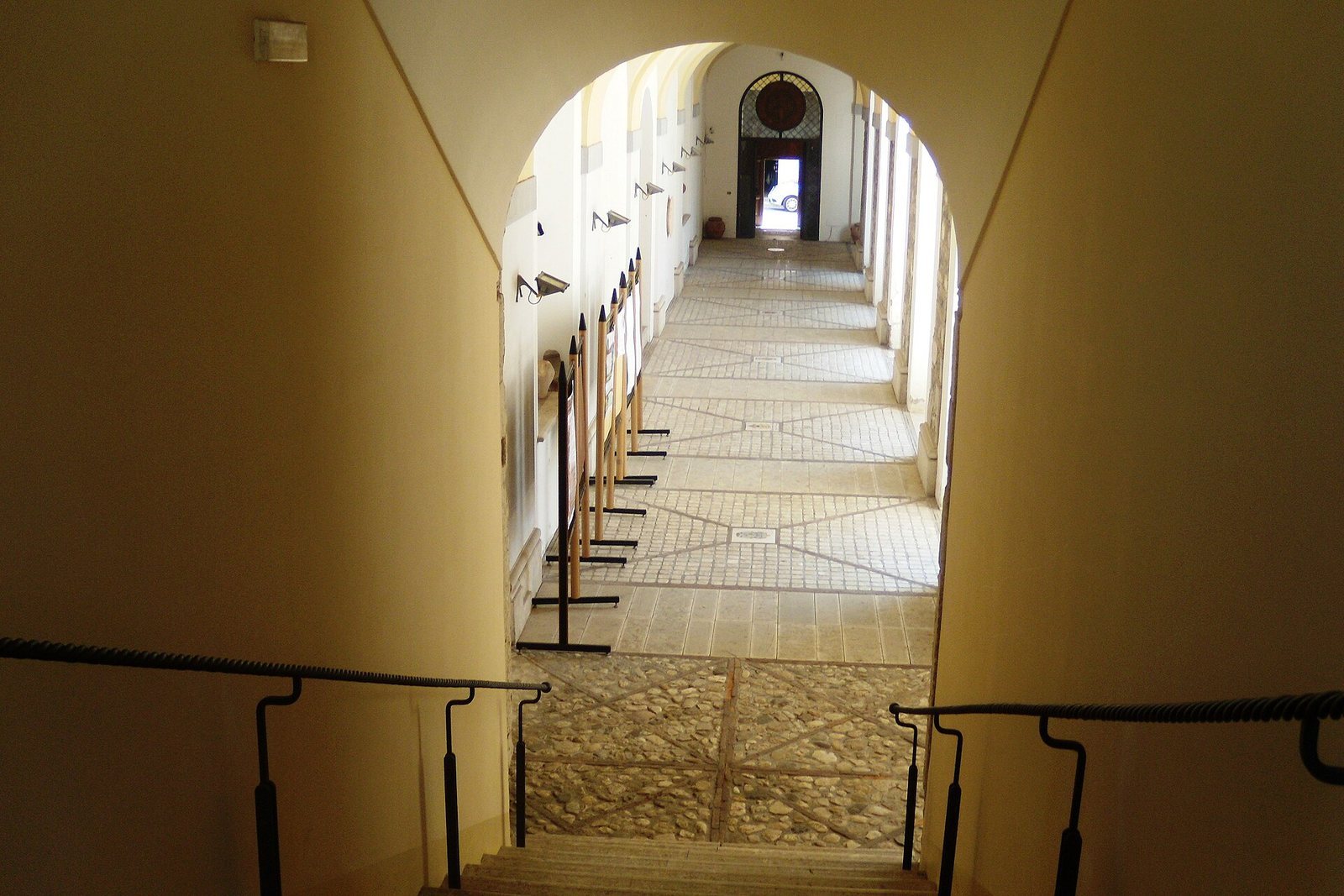
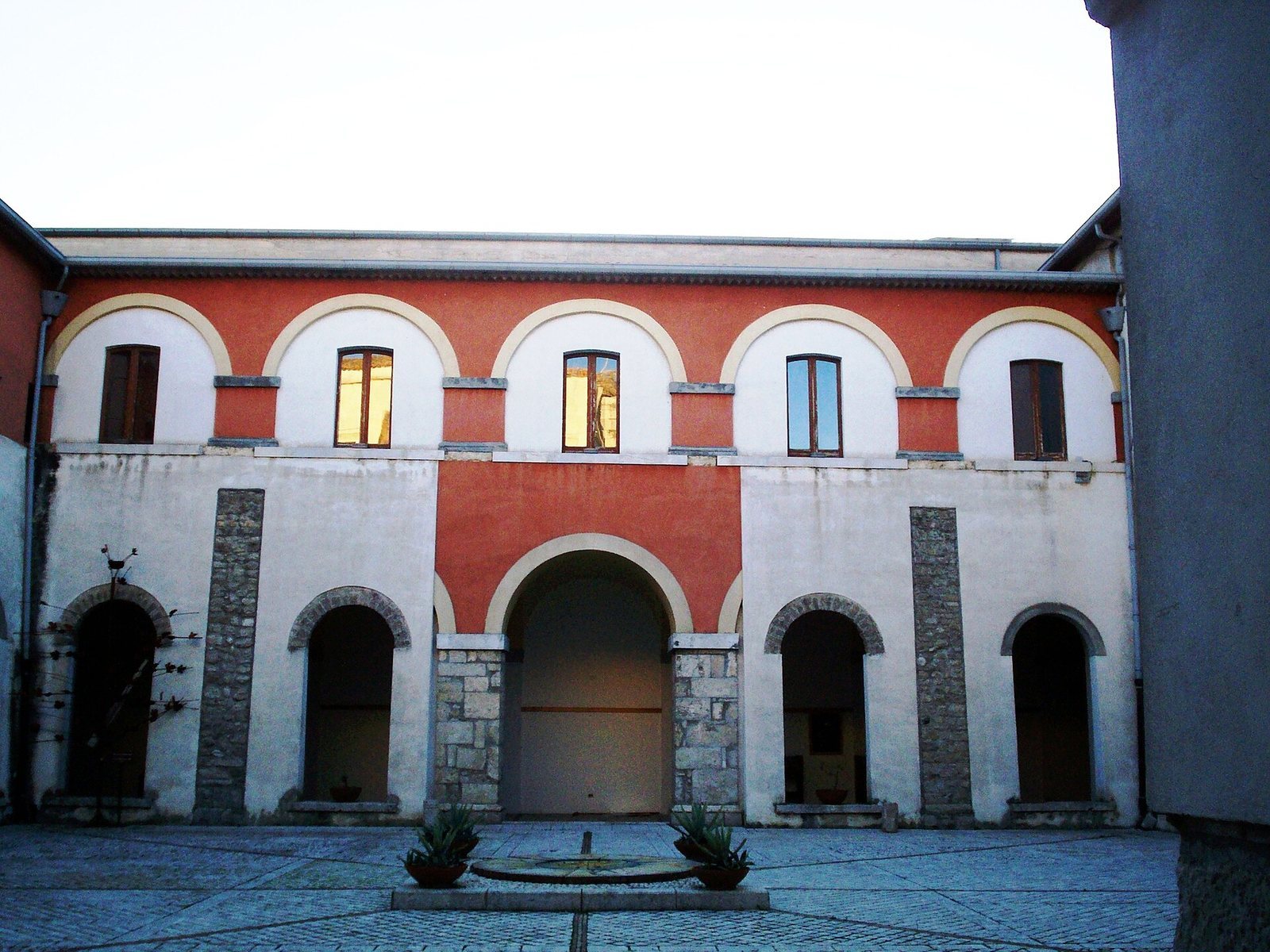
The large monastery building has a rectangular plan organized around a square interior cloister, a monastery courtyard bordered by covered walkways. Five arches line each side. The Church of Sant’Antonio is attached to the monastery, while its former garden has since been put to another use.
Ceramic paving
The cloister paving has twenty ceramic panels in each section. Those in the east wing depict local crafts and industries, including ceramics, wool-cloth making, stoneworking, ironworking, and woodworking. The south wing panels show the Churches of Sant’Anna and the Madonna della Libera, Hannibal’s Bridge, Morgia Sant’Angelo (also called Leonessa), and the Sanctuary of the Madonna delle Grazie. The west wing depicts the former Poor Clare monastery, the Church of San Gennaro, the Collegiate Church of San Martino, the Cathedral of Cerreto Sannita, and the Church of the Madonna of Constantinople. Panels in the north wing bear the coats of arms of Bishops Giovanni Battista de Bellis and Biagio Caropipe, the Conventual Franciscans, and the counts of Carafa and Sanframondo. At three of the four corners, panels represent Cerreto’s successive settlements.