Palazzo dell’Opera della Primaziale Pisana: Administrative Palace for Pisa Cathedral
Site at a Glance
- Popularity
- Medium
- Country
- Italy
- Primary era
- Medieval
- Eras represented
- Medieval, Early Modern
- Civilizations
- Duchy of Florence, Grand Duchy of Tuscany, Holy Roman Empire, Republic of Pisa
- Site type
- Civic
- Remains
- Palace
On this page11 sections
History
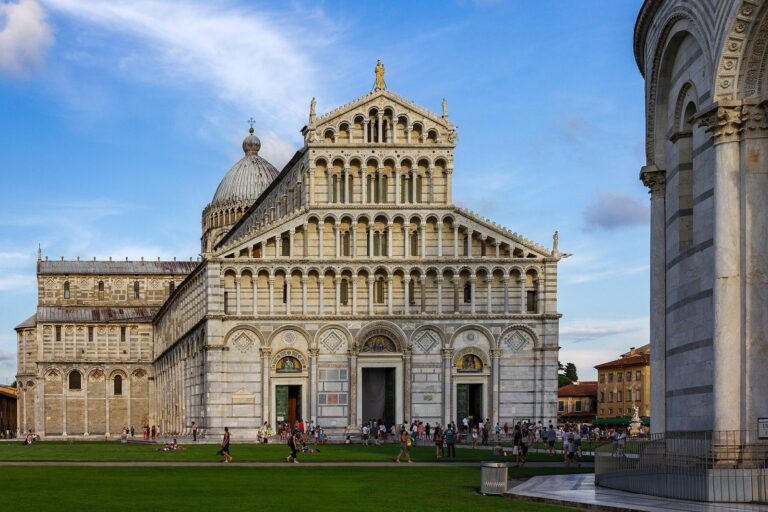
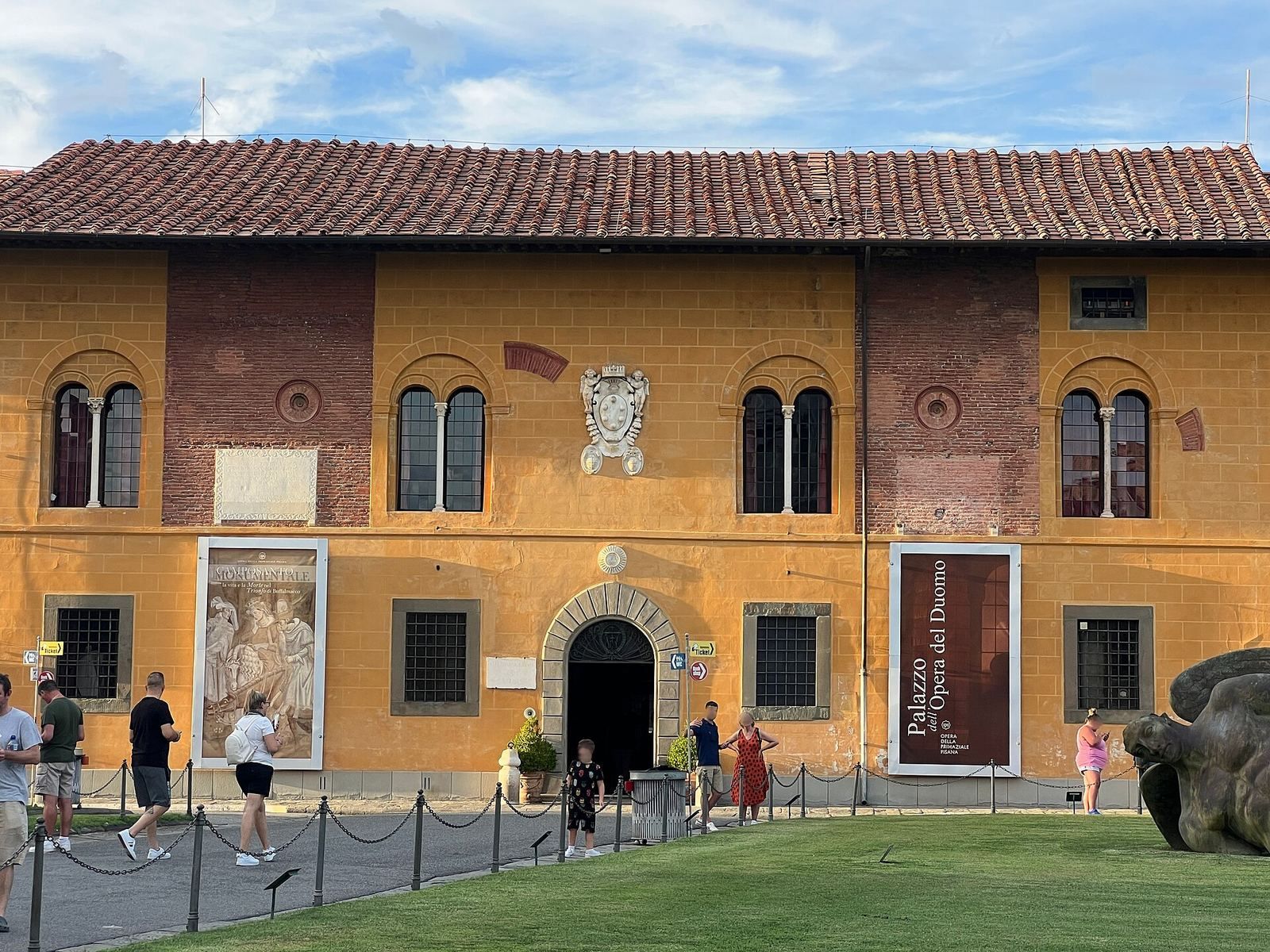
The Palazzo dell’Opera della Primaziale Pisana is a historic administrative palace on the north side of Piazza del Duomo in Pisa, Italy. It served the Opera della Primaziale Pisana, the body responsible for Pisa Cathedral and its monumental complex. Its history reaches back at least to 1309, when houses, a cloister, and a garden in the area provided lodgings for the Opera’s superintendent of works, his family, lay brothers, and master craftsmen.
Service and enlargement
The palace served people employed by the Opera, including a tailor, bell ringers, custodians, and manual workers. It grew through successive enlargements up to the eighteenth century, with further alterations as its functions changed.
Nineteenth-century institutional changes
After the Chapter House, the meeting place of the cathedral chapter, the clergy responsible for its governance and religious life, was demolished in the mid-nineteenth century, its chapter hall and archives moved into the palace. A few years later, the Opera’s offices also transferred there from Piazza delle Vettovaglie.
Recent uses
In 2012, the administrative and chapter offices moved to new premises in Piazza Arcivescovado. The palace retained offices for supervision, security, and technical work, and began hosting temporary art exhibitions in 2014.
Remains
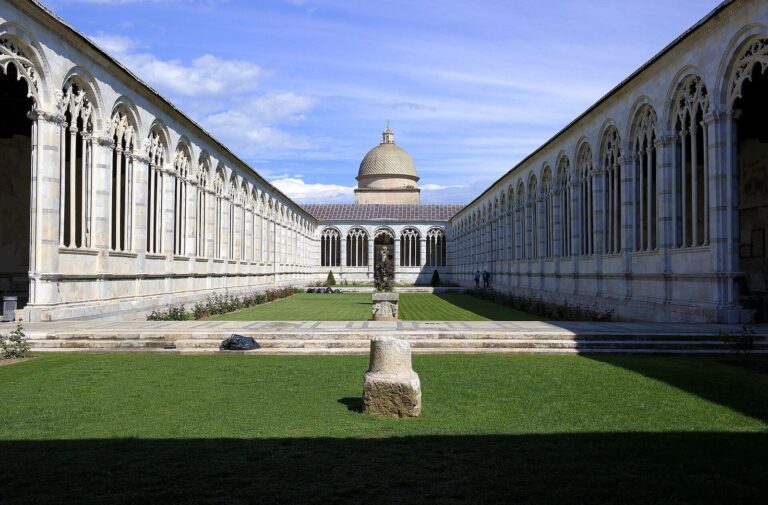
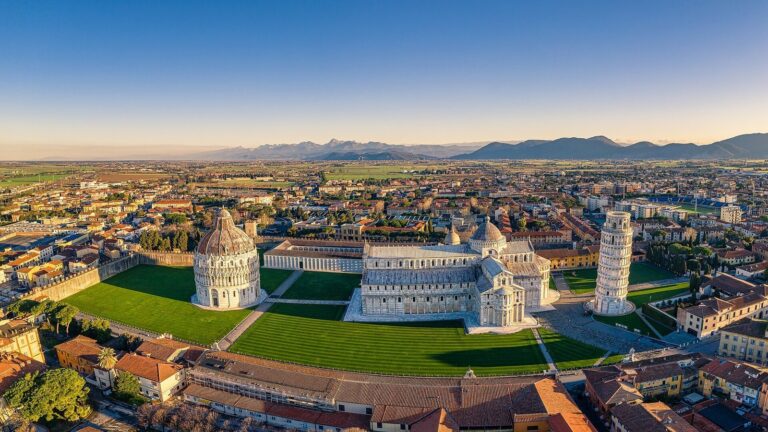
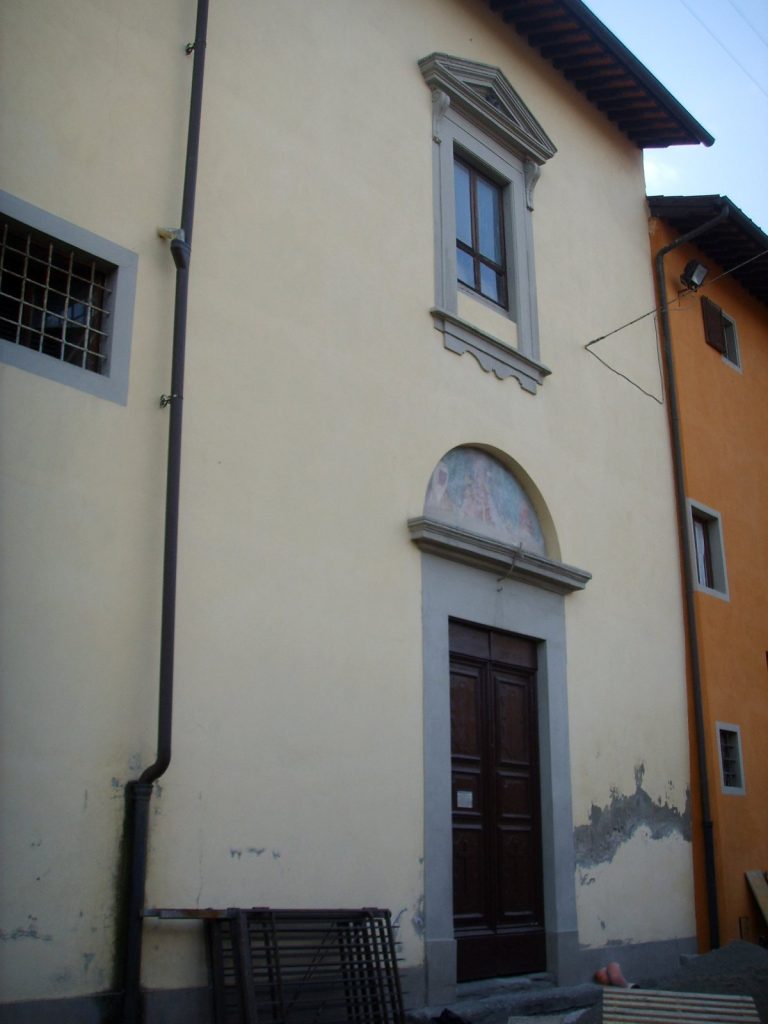
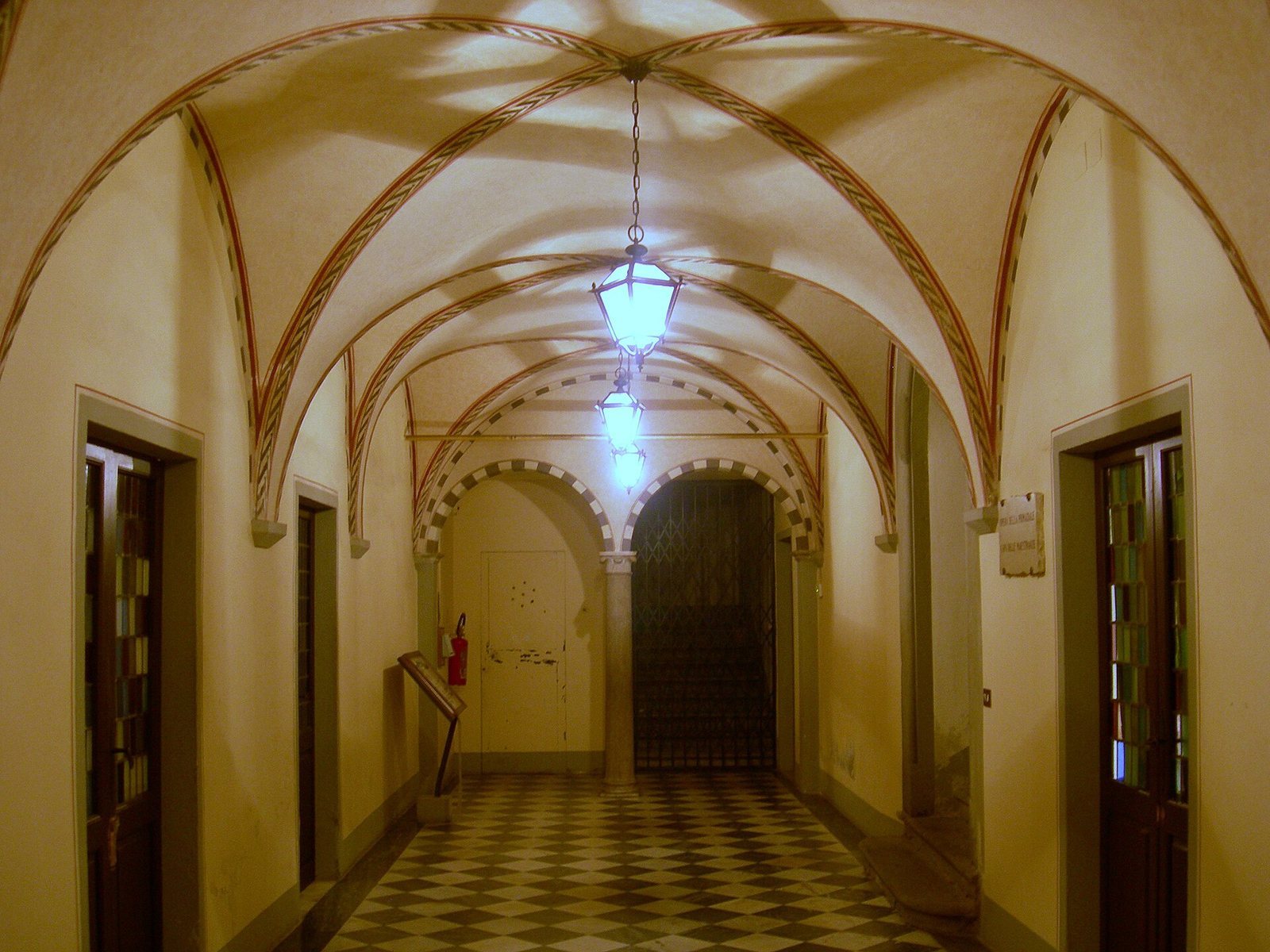
The palace is a two-storey building on the north side of Piazza del Duomo, to the right of the Campo Santo, Pisa’s historic monumental cemetery. Its interior includes a ground-floor corridor and a chapel, while the main building’s façade retains its original appearance.
Façade
The façade bears a Medici coat of arms, associated with a powerful Florentine family, and marble panels marked with the Opera’s initials. An eighteenth-century plaque commemorates the 1494 stay of Charles VIII, king of France. Another plaque records the 1926 visit of Benito Mussolini, the Italian Fascist leader who had established a dictatorship by then; this plaque is undergoing restoration.
Interior rooms and decoration
Paintings and frescoes
A rare Byzantine fresco, in the artistic tradition of the medieval Eastern Roman Empire, depicts the Madonna and Child with two saints. It predates Cimabue’s stay and the early-fourteenth-century change in painting associated with Giotto. Other works include Pentecost by Giovan Battista Tempesti and The Coronation of Mary by Pomarancio. In the ground-floor Loggetta, a small open gallery, Agostino Ghirlanda painted the vaults in 1550. A fresco in the technical offices dates to the early fifteenth century and was painted by an artist from Siena; another, in the Deputation Hall, was painted by Vincino di Vanni and Giovanni d’Apparecchiato in 1299.
Chapel
The chapel contains stucco work by Angelo Somazzi and Giuseppe Ferri, as well as frescoes painted by Ranieri Allegranti in 1783.
Sculpture and Chapter Hall
Parts of Giovanni Pisano’s original pulpit are kept in the President’s Room. The Chapter Hall once displayed the Pisan Griffin, a bronze creature with an eagle’s head and wings and a lion’s body; it is now in the Museum of the Opera del Duomo.
Chapter Archive
The Chapter Archive preserves and displays documents in glass cases. Its holdings include papal and imperial charters, the oldest dating to 930, an eleventh-century Exsultet, a liturgical text for the Easter celebration, fourteenth-century illuminated books, and writings signed by artists. The archive also holds the arrest warrant for Count Ugolino della Gherardesca, a medieval Pisan political figure.