Palazzo Brandolin Rota: A Renaissance Palace on Venice’s Grand Canal
Site at a Glance
- Popularity
- Medium
- Country
- Italy
- Primary era
- Early Modern
- Eras represented
- Early Modern
- Civilizations
- Venetian
- Site type
- Domestic
- Remains
- Elite Residence
On this page4 sections
History
Palazzo Brandolin Rota is a Renaissance palace in Dorsoduro, Venice, Italy, built in the seventeenth century and enlarged to its present size in the mid-eighteenth century. Renaissance architecture revived classical forms in Europe.
Construction and enlargement
The palace was first built with two floors. It was expanded in the mid-eighteenth century, and its two principal floors belong to different building periods.
Hotel and later uses
In the early 1870s, Franz Edler von Hruschka acquired the palace and established the Hotel Universo there. The building was adapted for hotel use during the nineteenth century. After it fell into disrepair, it was sold in the early 1880s.
For a short time, the palace was home to Italian soprano Toti Dal Monte and English poet Robert Browning. In a later period, it housed the Società dell’Unione, one of Italy’s last gentlemen’s clubs. The Brandolini Rota family now owns the palace as a private home.
Remains
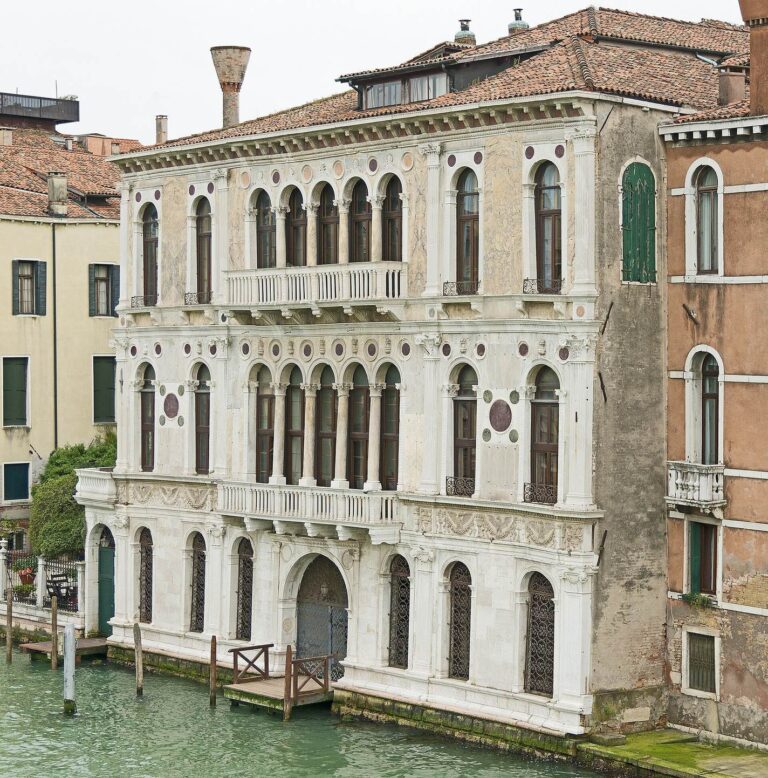
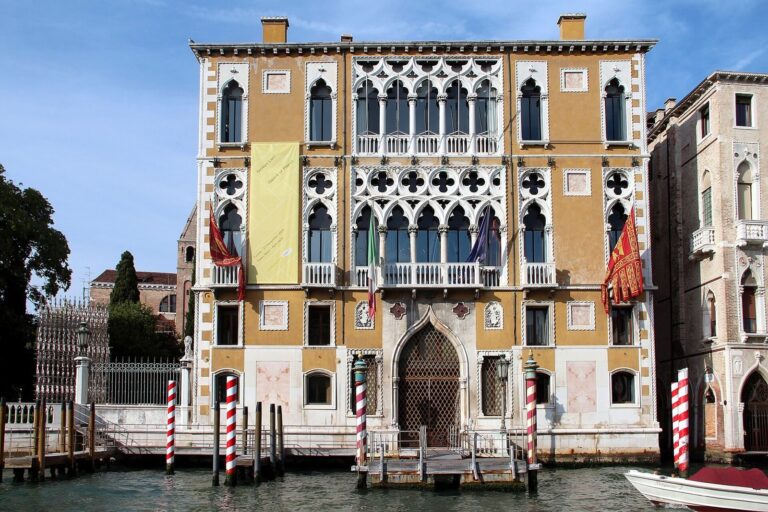
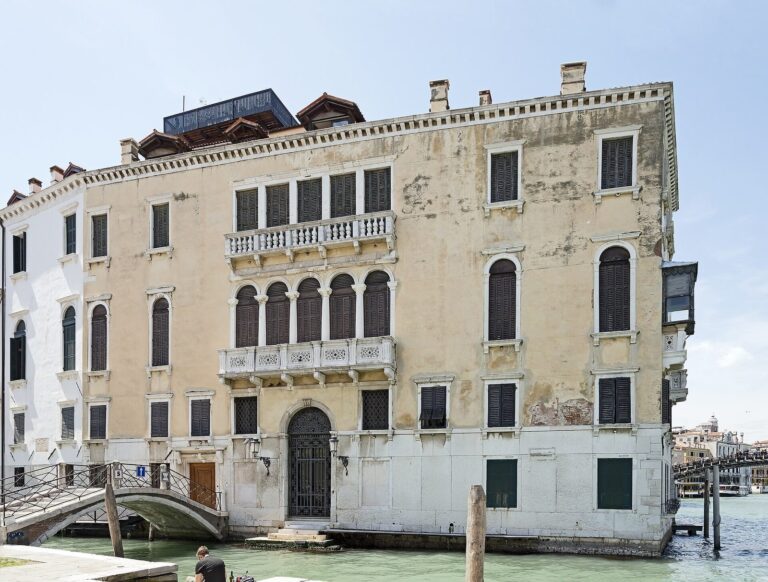
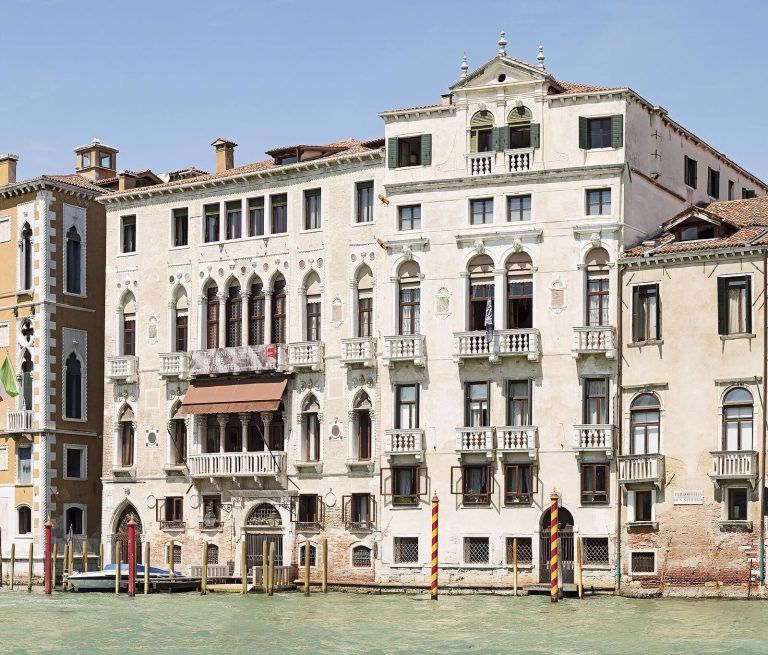
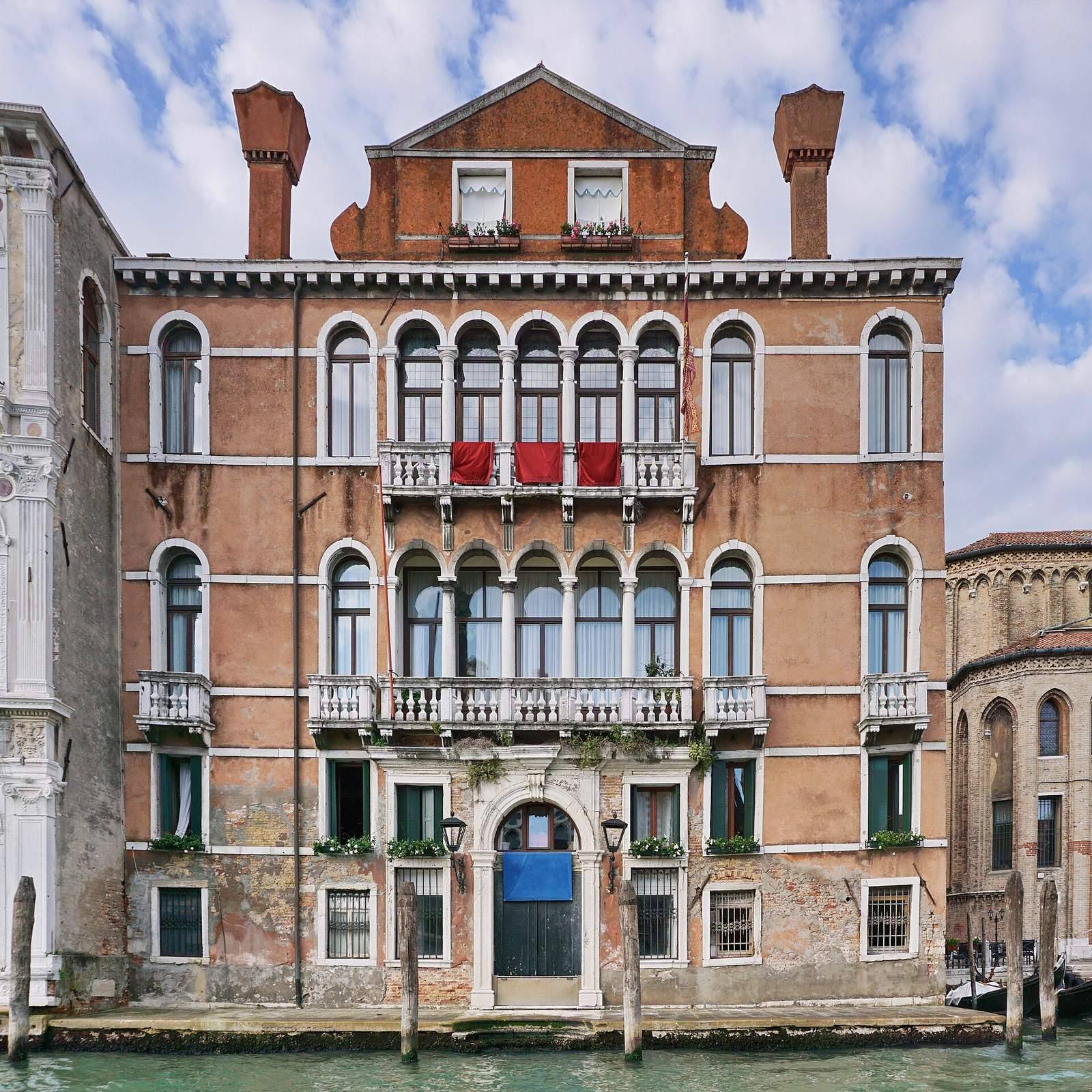
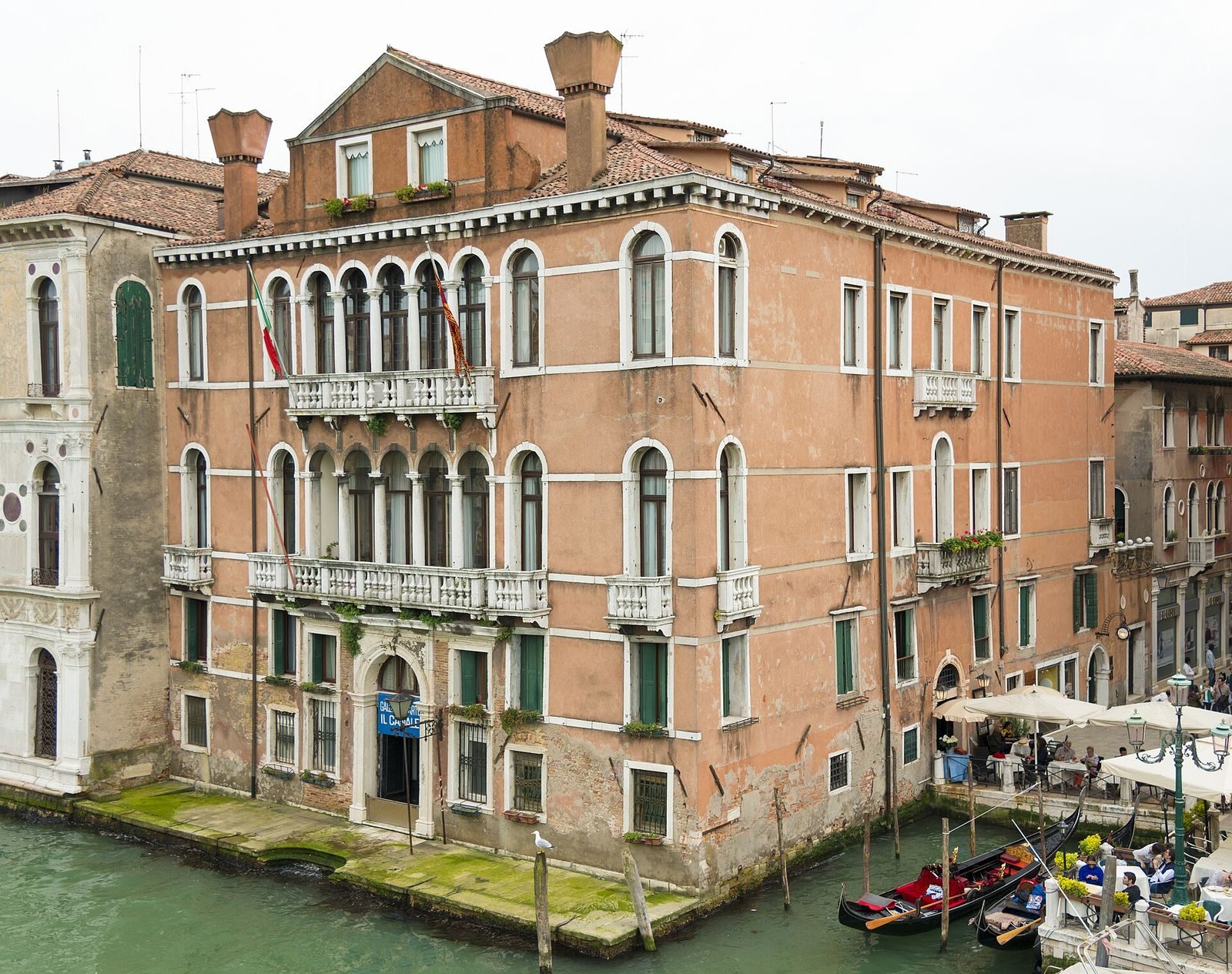
The three-storey palace stands on the Grand Canal between the Gallerie dell’Accademia and Palazzo Contarini Polignac. A mezzanine lies between the ground floor and the first principal floor, and the two principal floors have substantially similar layouts. The canal façade is relatively plain, with a rounded water portal, an entrance opening directly onto the canal, at its center. Each principal floor has nine round-headed openings. On both floors, the five central openings form a pentafora, a group of five window openings. Balustrades extend across all the openings on the first principal floor, but only across the central group on the second. Above it, the façade rises to a tympanum, the panel enclosed by a pediment, containing two square windows, each with a single opening. A pair of large chimneys completes the upper façade.