Château d’Estoublon: A Historic Agricultural Estate in France
Site at a Glance
- Popularity
- High
- Country
- France
- Primary era
- Early Modern
- Eras represented
- Early Modern
- Civilizations
- French
- Site type
- Domestic
- Remains
- Manor House
On this page9 sections
History
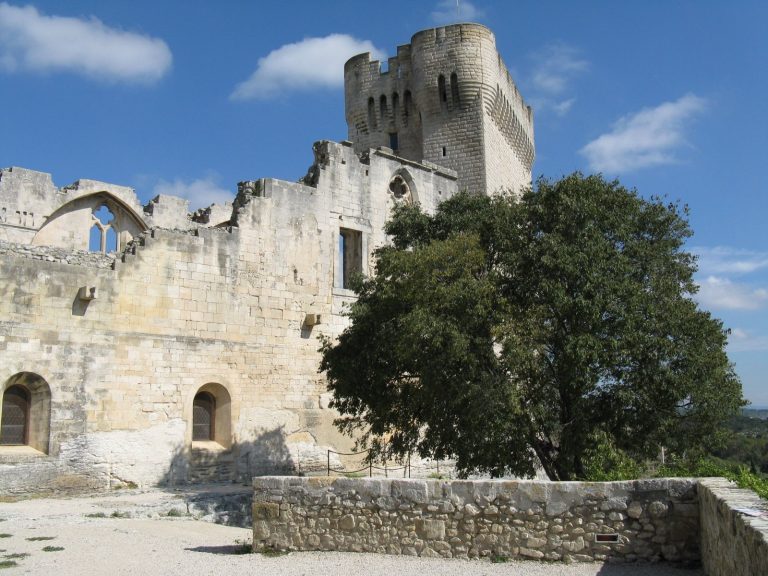
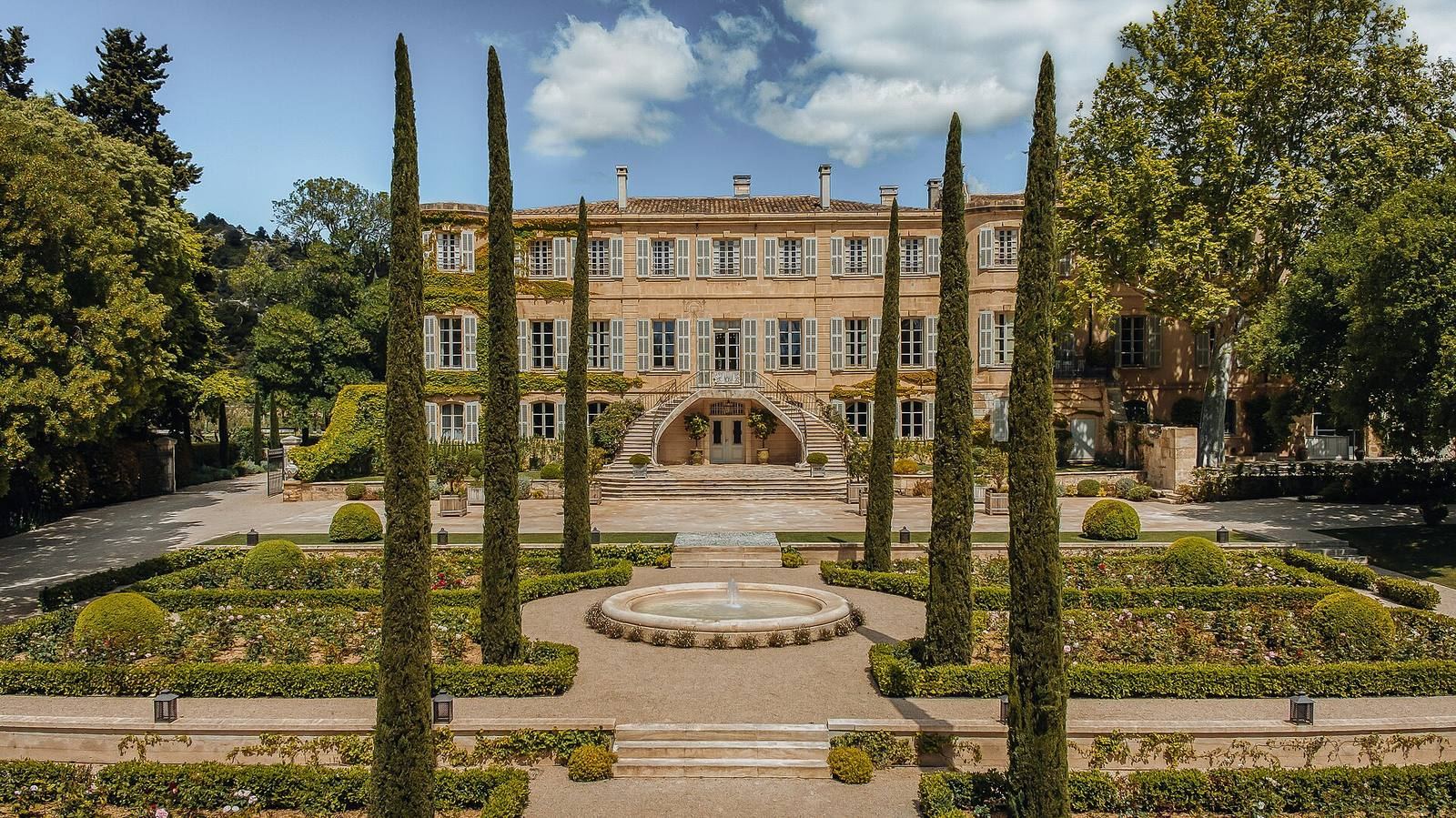
Château d’Estoublon is an agricultural estate in Fontvieille, France. Known in the Middle Ages as Le Grand Mas, it was described as the largest agricultural estate in the Arles region. The present château dates to 1731.
The de Grille family
In 1489, the de Grille family, an aristocratic family from Arles, acquired the estate. They owned it for several centuries, growing vines, olives, and wheat.
Fire, renaming, and reconstruction
In 1561, conflict between Protestants and the lordship of Baux led to the burning of Le Grand Mas. Members of the de Grille family moved to the town of Estoublon in Alpes-de-Haute-Provence, where they received the title of marquis of Estoublon, a noble rank. At the end of the conflict, the estate took the name Château d’Estoublon, and reconstruction began.
The château and changing ownership
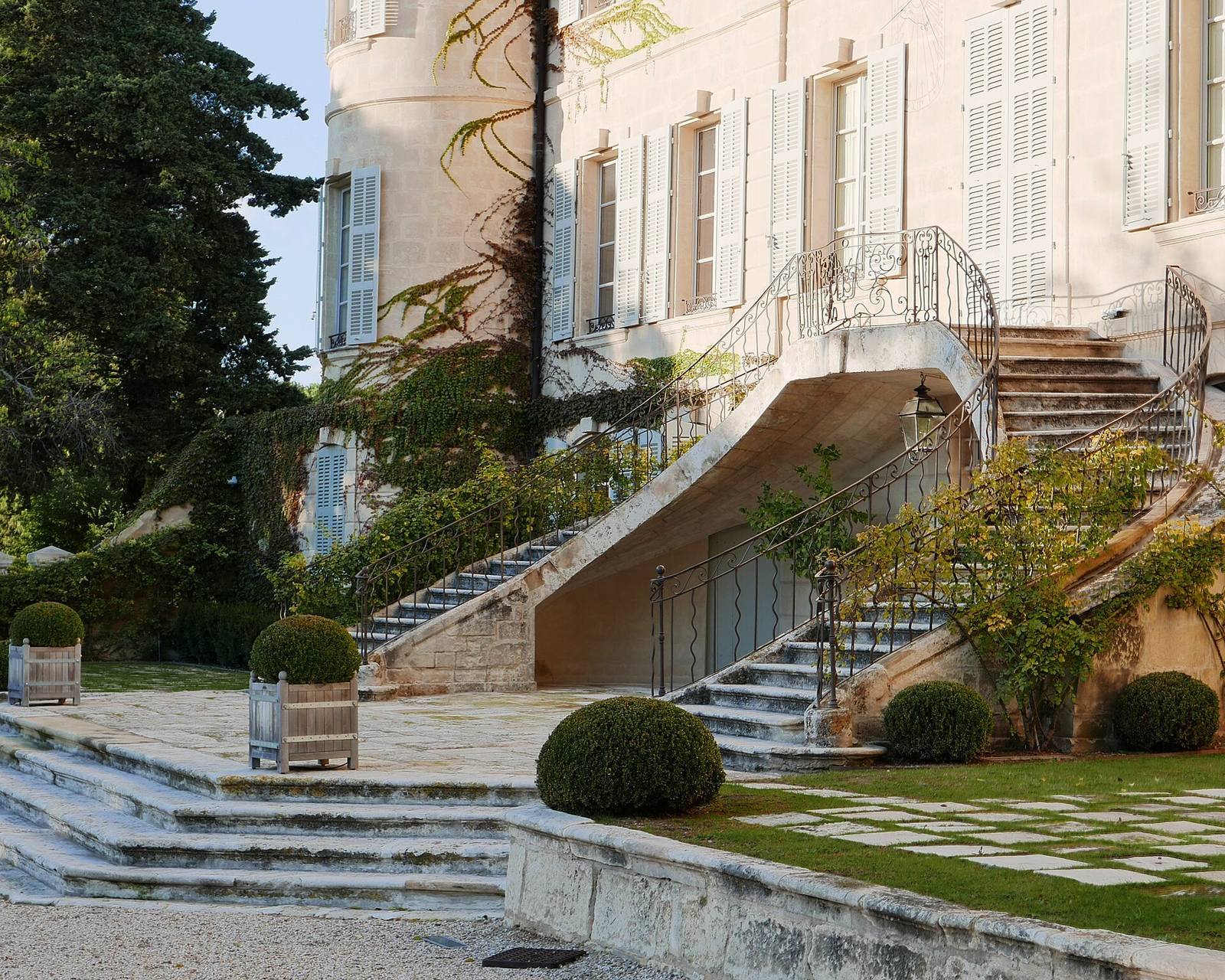
The present château was built in 1731, the same year the estate’s first olive mill was established. Ownership changed several times over the next two centuries. A Parisian antiquarian lived at the château for a short period, then sold its furniture and wood paneling, after which the property lost value.
An order dated 15 June 1966 listed the château’s façades and roofs as historic monuments.
Twentieth-century agricultural revival
The Lombrage family, originally from Fontvieille, bought the estate in 1932 to develop olive production. The severe frost of 1956 killed nearly all the olive trees. The family replanted and reorganized the grove, pioneering oils made from a single olive variety. The estate became France’s first producer of these monovarietal oils.
In 1998, the Schneider family began replanting the vineyard to restore the château’s standing. The estate produces red, white, and rosé wines under the Les Baux-de-Provence AOP, or protected designation of origin, which links products to a defined area and its production rules. Its vineyard is farmed organically. Olive growing also remains central, with production focused mainly on extra-virgin oil, including oils under the Vallée des Baux-de-Provence AOP.
Remains
The château and cultivated estate
The estate brings together a château and agricultural land devoted chiefly to olive trees and vines. The vineyard lies on the southern slope of the Alpilles, while the olive groves and the estate’s olive-processing mill form part of its agricultural landscape.
Olive grove and mill
The substantial olive grove supplies olives for oil. The first mill was built on the estate in 1731, and the estate has its own mill for processing olives after harvest.
Vineyard
The vineyard grows Grenache Noir and Blanc, Syrah, Cabernet Sauvignon, Mourvèdre, Roussanne, Marsanne, Rolle, and Cinsault.