Palais Dumba: A Viennese Residence and Artistic Gathering Place
Site at a Glance
- Popularity
- Medium
- Country
- Austria
- Primary era
- Modern
- Eras represented
- Modern
- Civilizations
- Austrian Empire, Habsburg
- Site type
- Domestic
- Remains
- Elite Residence
History
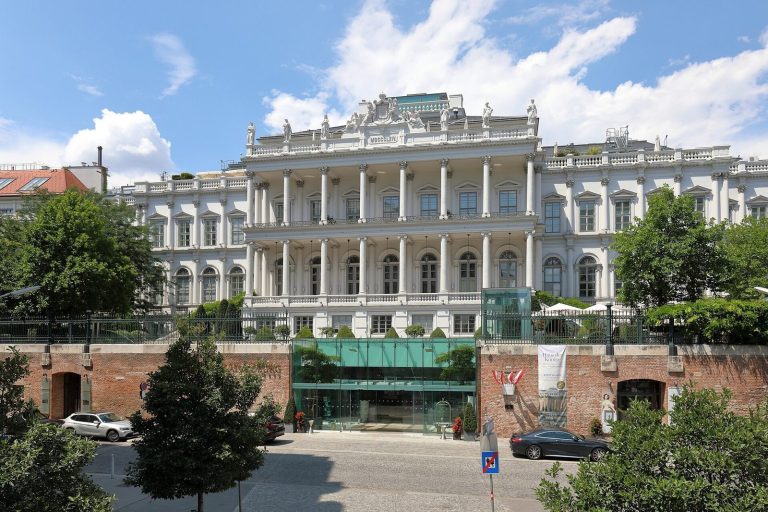
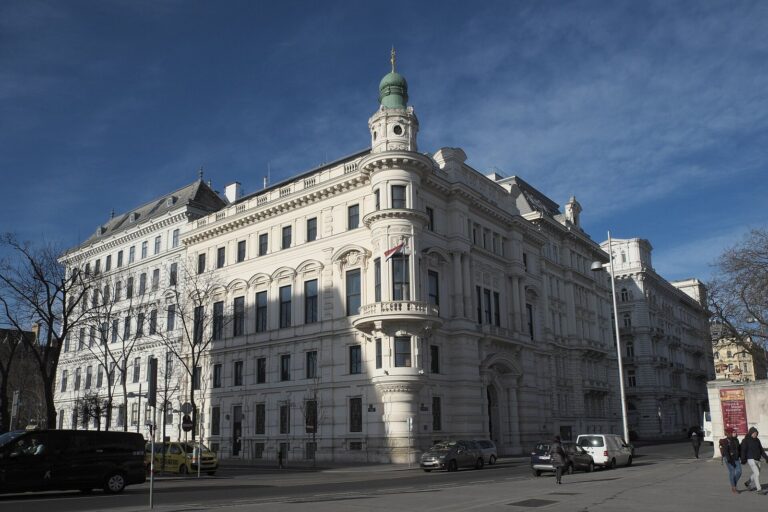
Palais Dumba is a residence in Vienna, Austria, built in 1865–1866 for Nikolaus Dumba in the Viennese Neo-Renaissance style, a 19th-century revival drawing on Renaissance forms. Dumba (1830–1900) was an industrialist, politician, and patron of the arts and music, and the palace served as his home.
In the late 19th century, Dumba hosted gatherings attended by members of Vienna’s artistic, intellectual, and business communities. His guests included composers Johannes Brahms and Richard Wagner, as well as members of Emperor Franz Joseph I’s family. Among them were Archduke Rudolf, the emperor’s son and heir to the Austro-Hungarian throne, and Rudolf’s wife, Princess Stephanie, who was born a Belgian princess.
Most of the palace’s furnishings were auctioned at the Dorotheum in 1937. Overdoor paintings by Gustav Klimt and Friedrich Schilcher burned during the Second World War. The building is now used for apartments and commercial premises, including ground-floor shops.
Remains
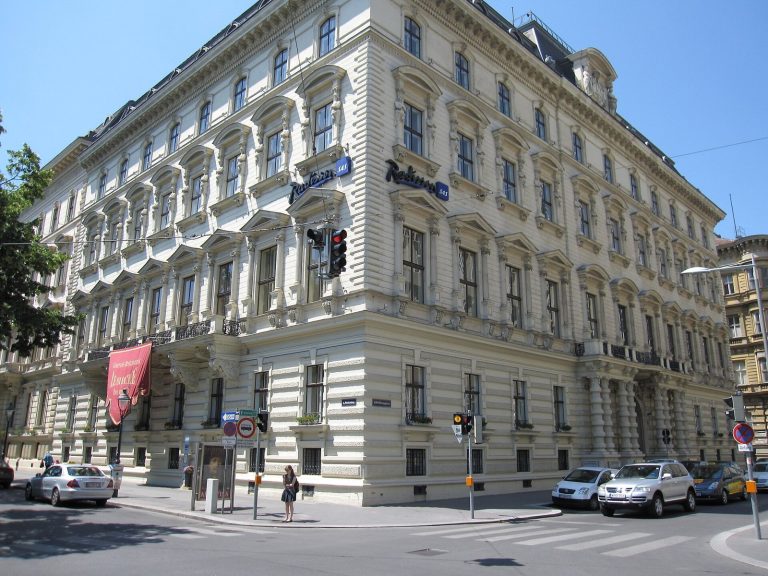
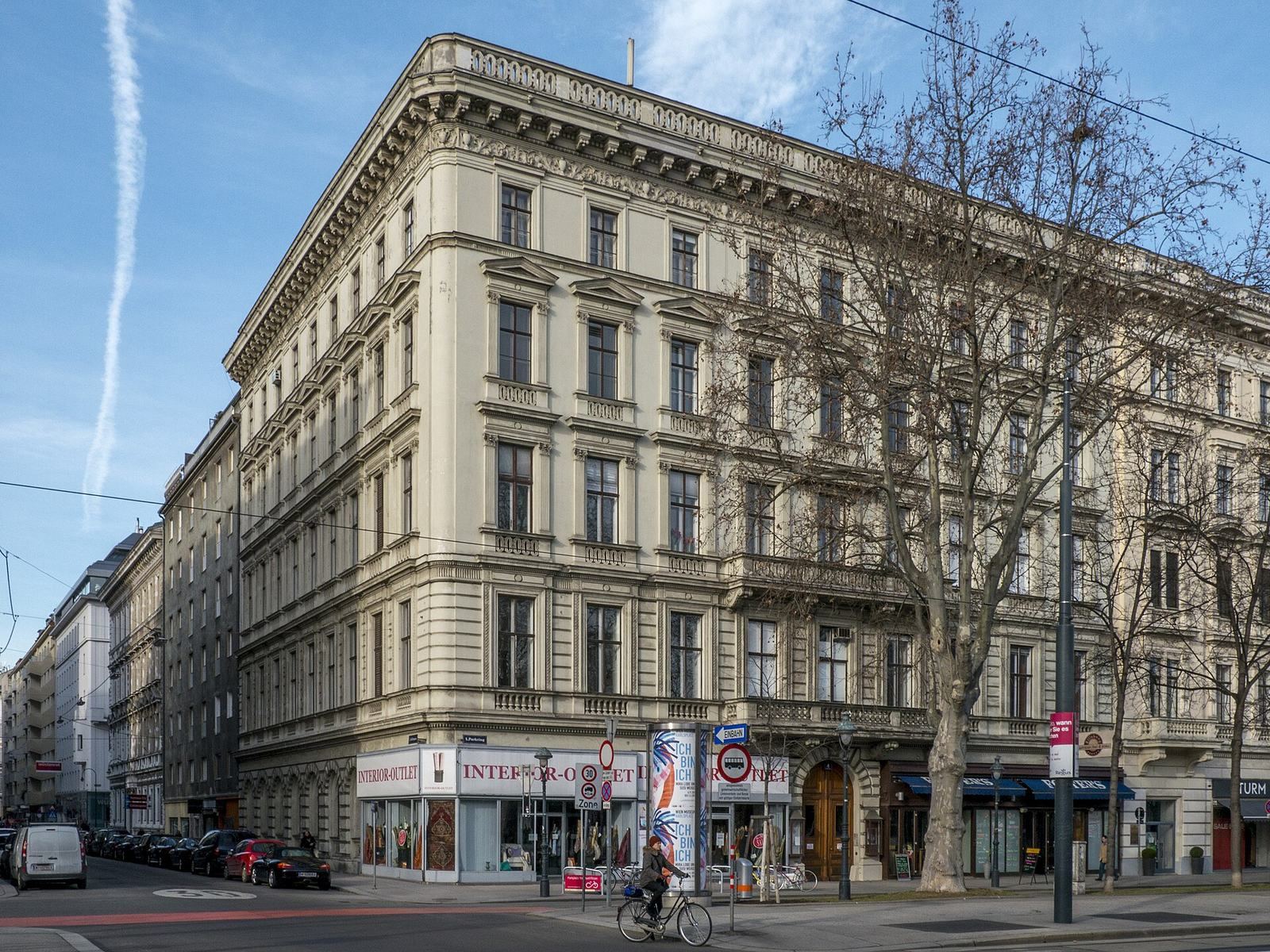
The five-storey palace has a U-shaped plan and stands at Parkring 4, on the corner with Zedlitzgasse. It faces the Stadtpark and lies on the Ringstrasse. Its Viennese Neo-Renaissance design was created by Viennese architects Johann Romano von Ringe and August Schwendenwein von Lanauberg.
Interior decoration
The palace’s interior was once elaborately decorated. Hans Makart created its richly adorned study, and Gustav Klimt contributed Allegory of Music for the salon and Schubert at the Piano. Friedrich Schilcher also worked on the decoration, while Rudolf von Alt decorated the library. Watercolors by von Alt and photographs recorded the former furnishings. At the entrance, Dumba placed an embroidered curtain bearing a large Greek greeting in gold lettering, meaning “Greetings.”