Palace of the Duke of Infantado in Madrid: A Seventeenth-Century House-Palace
Site at a Glance
- Popularity
- Medium
- Country
- Spain
- Primary era
- Early Modern
- Eras represented
- Early Modern
- Civilizations
- Habsburg, Habsburg Spain, Spanish
- Site type
- Domestic
- Remains
- Elite Residence
On this page7 sections
History
Seventeenth and eighteenth centuries
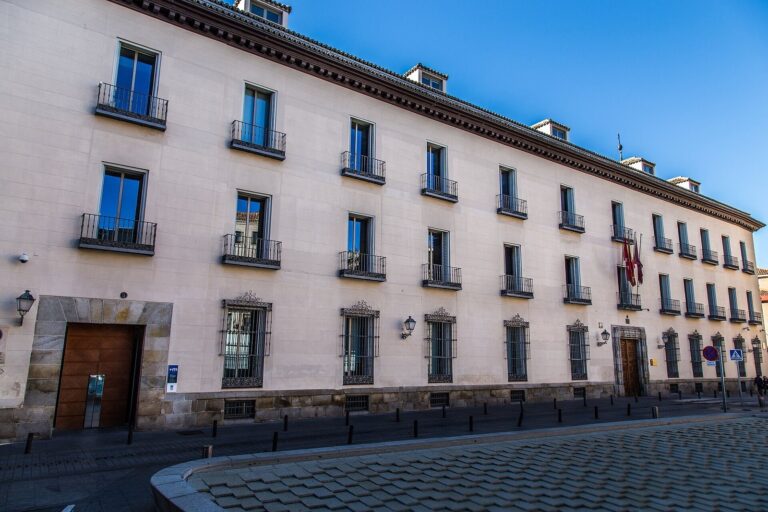
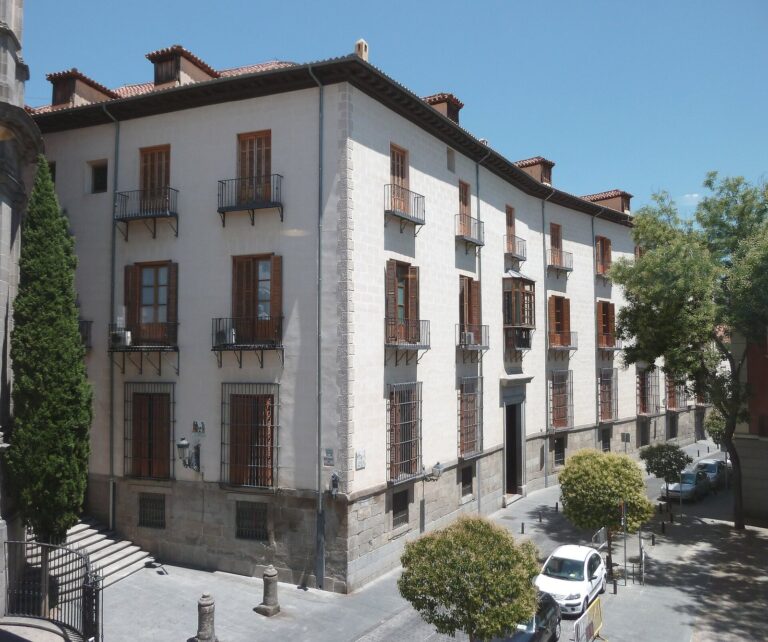
The Palace of the Duke of Infantado is a seventeenth-century house-palace in Madrid, Spain. It first belonged to the Duke of Rivas and passed in the late eighteenth century to the Duke of Infantado, both hereditary titles in Spain’s aristocracy. The new owner commissioned alterations to the building.
Heritage protection and educational use
The palace is listed as an Asset of Cultural Interest, a Spanish heritage-protection designation; proceedings to grant it this status began on 8 July 1977. The Fundación Universitaria San Pablo CEU acquired the building in 2000 and restored and adapted it for educational and cultural use.
Proposed cultural redevelopment
Mahou acquired the palace in 2014 with plans for a beer museum. A design competition held by the Official College of Architects of Madrid selected a proposal in 2015. In late 2019, the city council approved a remodeling project that would change the building’s use from educational facilities to a private cultural facility.
Remains
Plan and arrangement
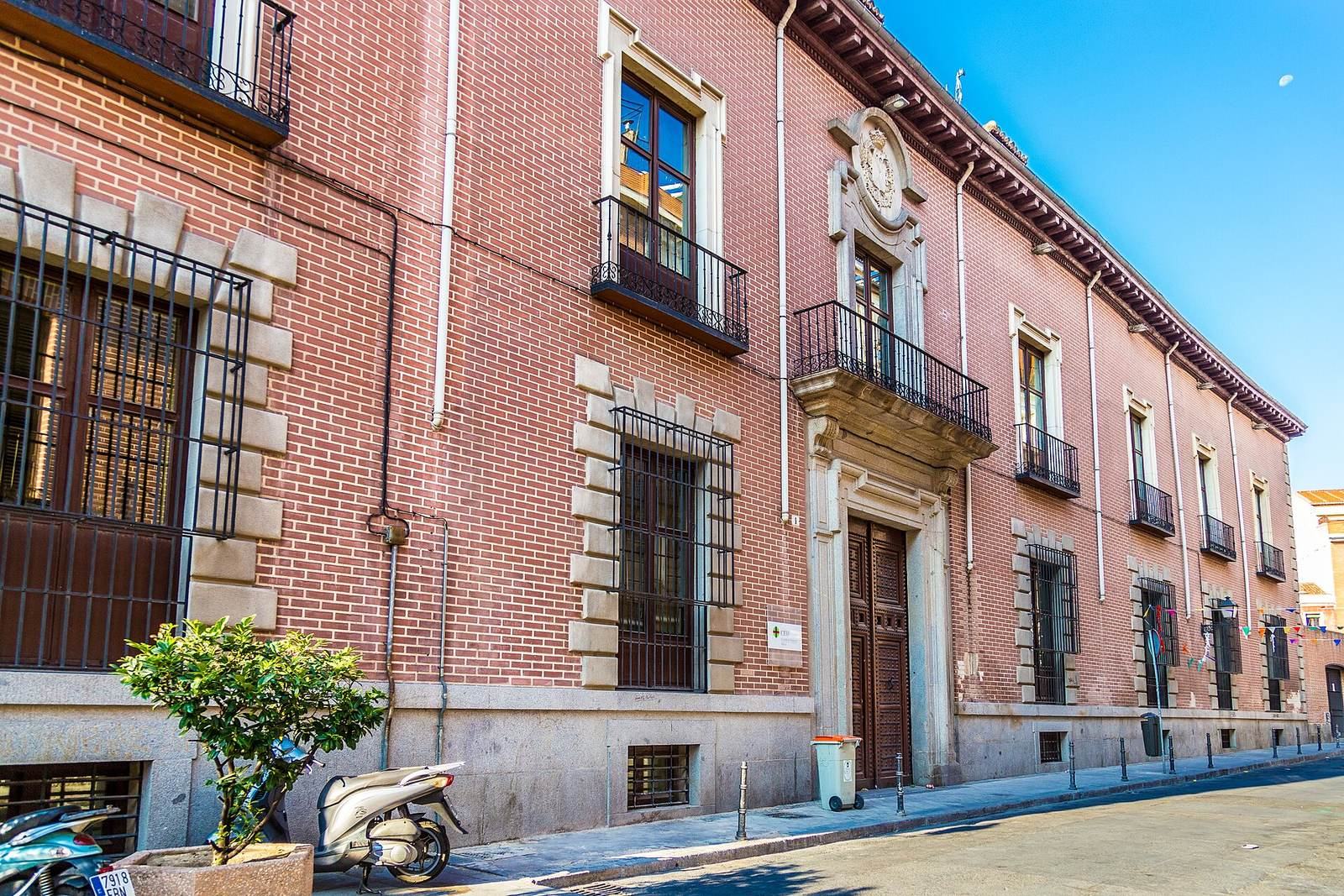
The palace occupies a C-shaped plot, and its exterior structure and internal division retain an arrangement established in the seventeenth century despite later alterations. It is a corridor house, a traditional plan in which dwellings are reached from a shared gallery or corridor. The building has two floors, a basement, and an attic, with its main entrance set off-center. Auxiliary buildings are thought to have served as quarters for household staff.
Façade and entrance
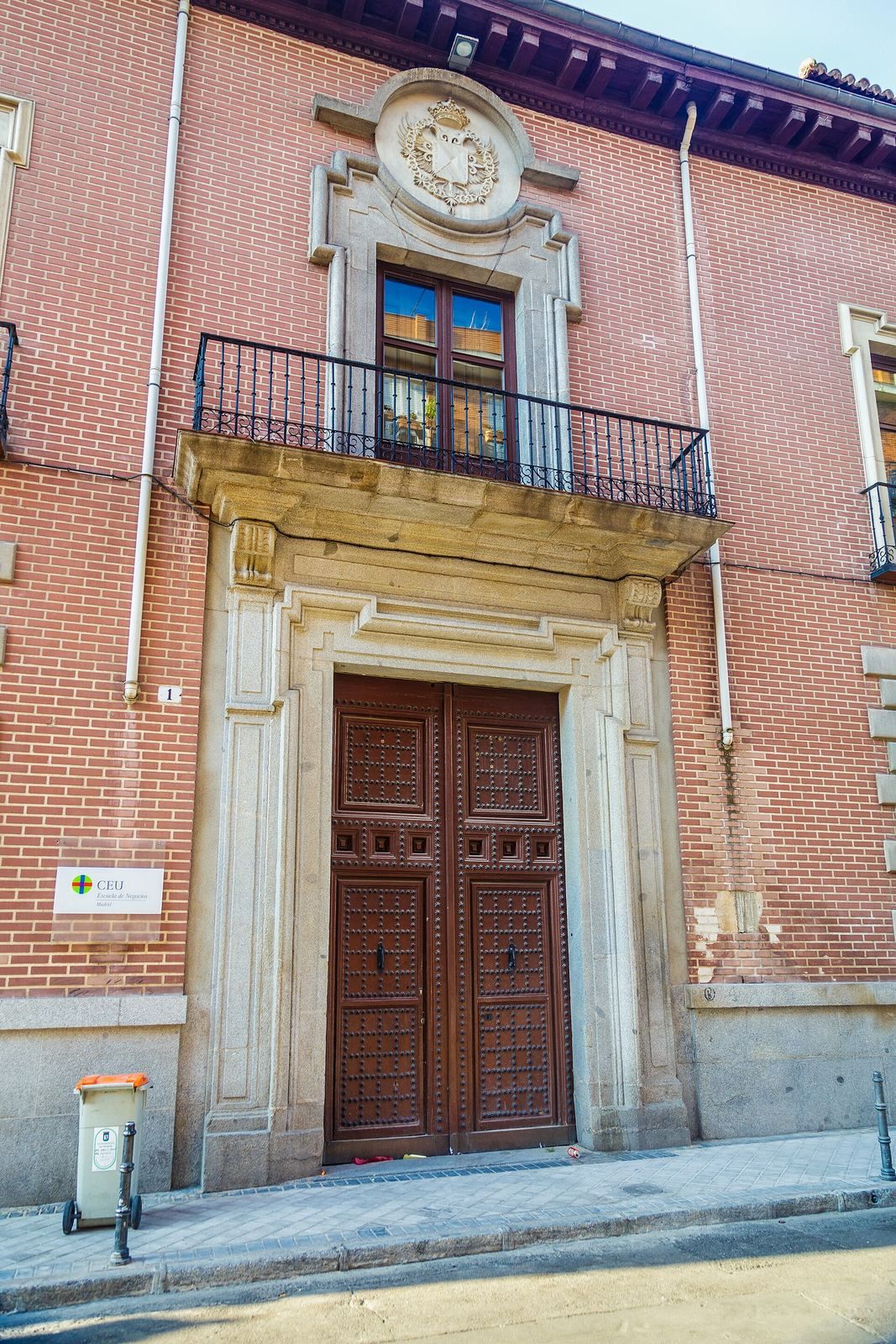
The main façade carries the Mendoza de la Vega coat of arms, representing a Spanish noble lineage, above the lintel of the central balcony. The entrance opens into a vestibule containing a Renaissance doorway brought from the Castle of La Calahorra in Granada. The palace is at Calle de Don Pedro 1, overlooking Plaza de los Carros and Carrera de San Francisco; Plaza de Puerta de Moros is also associated with its location.