Schloss Neideck: A Renaissance Castle and Princely Residence in Arnstadt
Site at a Glance
- Popularity
- Medium
- Country
- Germany
- Primary era
- Early Modern
- Eras represented
- Medieval, Early Modern
- Civilizations
- Holy Roman Empire
- Site type
- Military
- Remains
- Castle
On this page9 sections
History
Schloss Neideck is a Renaissance castle in Arnstadt, Thuringia, Germany, built between 1553 and 1560. It later served as the residence of the Counts of Schwarzburg-Arnstadt, making Arnstadt a residence town.
Earlier castle and Renaissance rebuilding
A castle belonging to the abbots of Hersfeld, leaders of a Benedictine monastery in present-day Hesse, is mentioned in 1273. Count Günther XLI, a member of the German noble House of Schwarzburg, later built Schloss Neideck over the earlier castle’s foundation walls.
Schwarzburg-Arnstadt residence
Schloss Neideck became the seat of the Counts of Schwarzburg-Arnstadt, a branch of the House of Schwarzburg. After Prince Anton Günther II died in 1716, the residence moved to Sondershausen.
Decline and damage
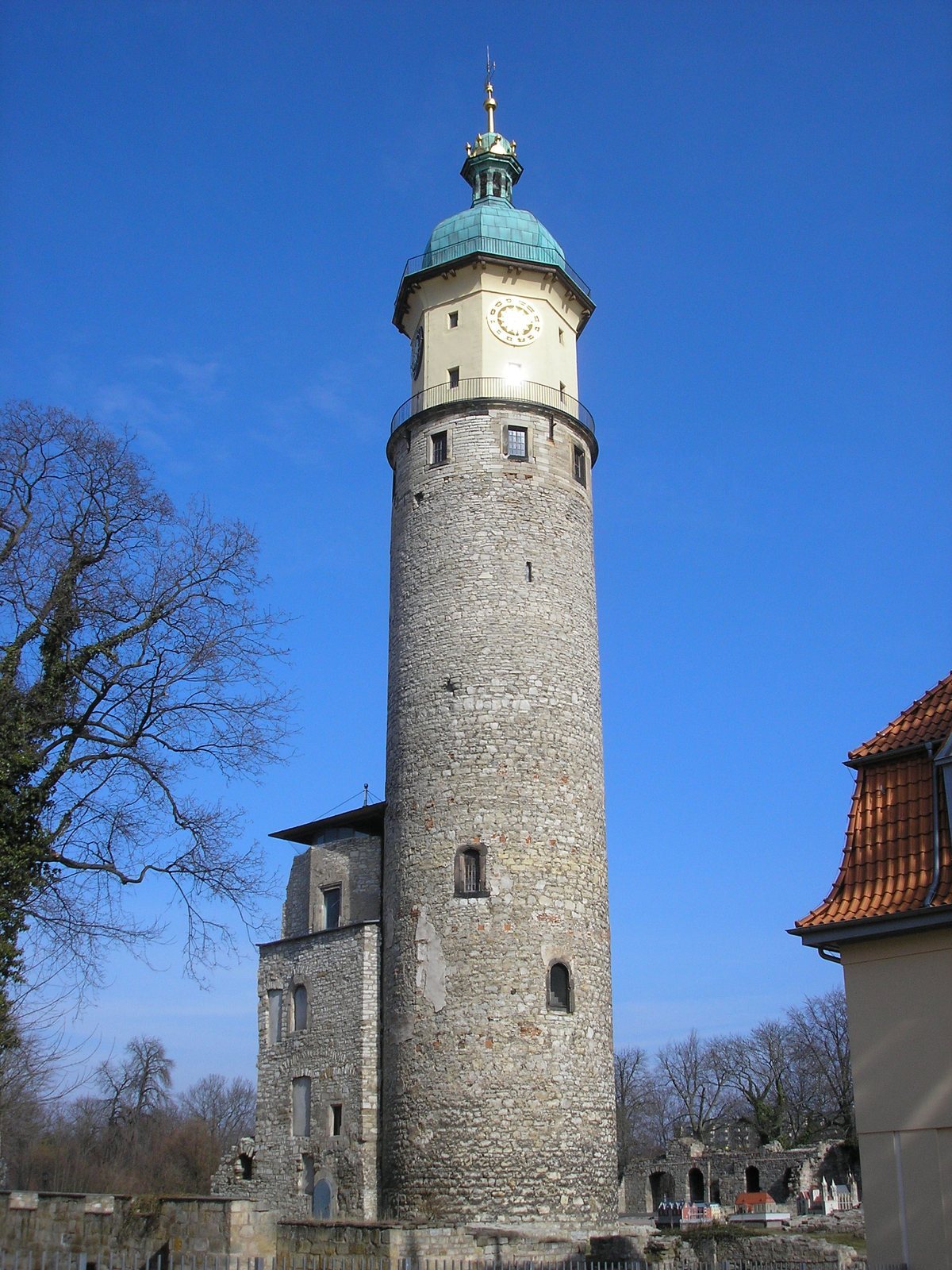
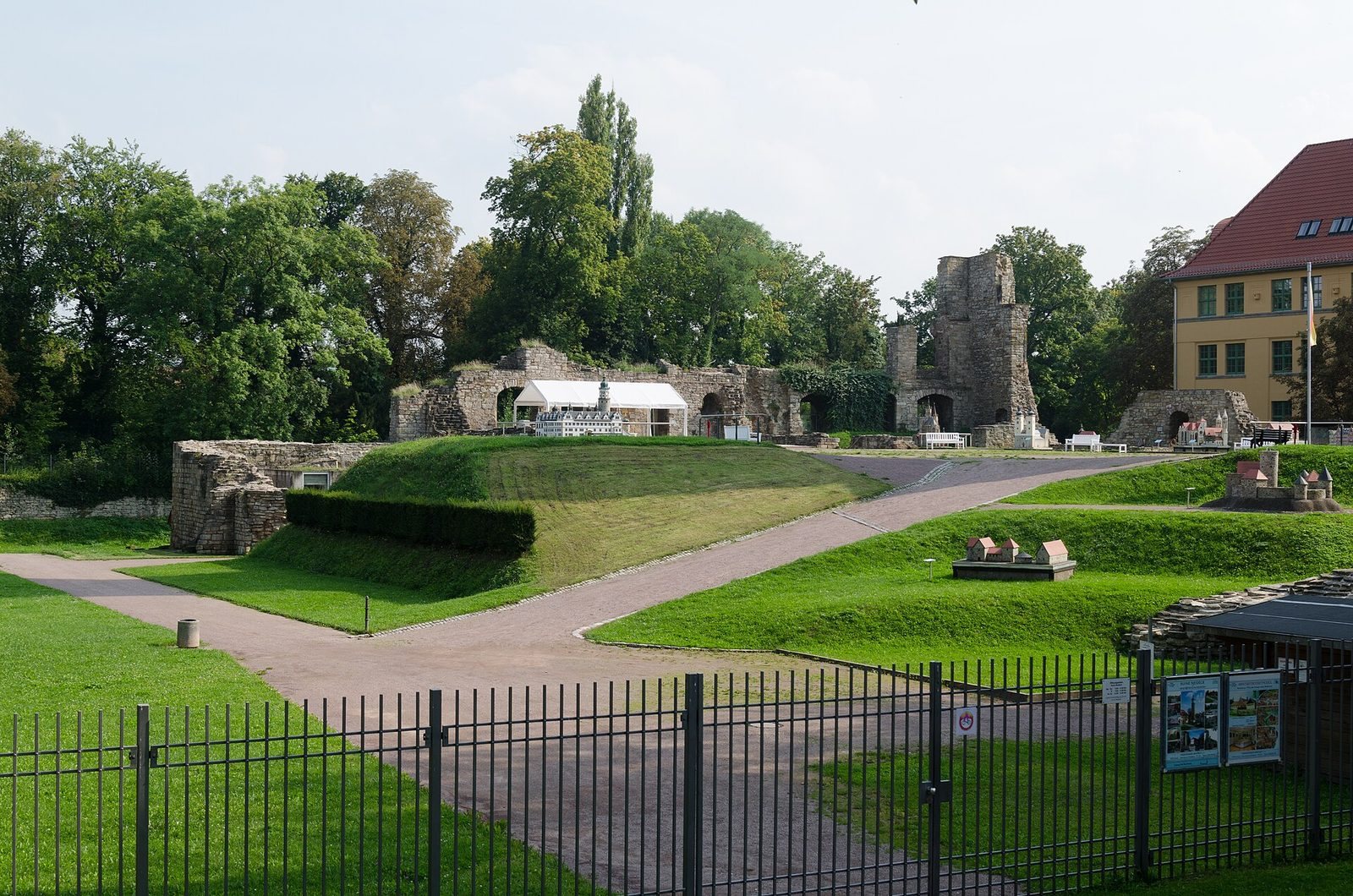
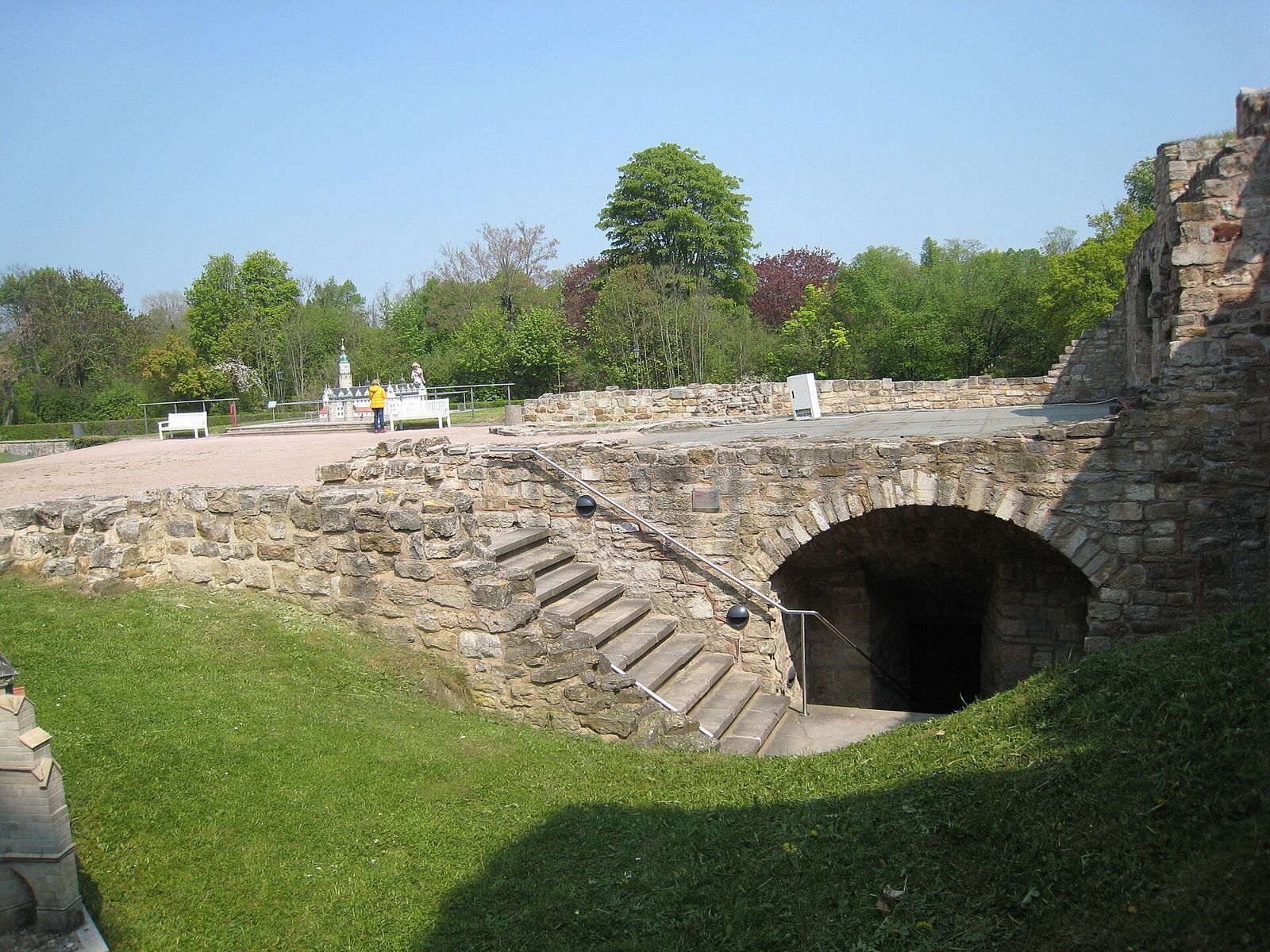
With the residence transferred, the castle stood nearly empty and was also used as a stable. Stone was taken from it for bridge construction, and the structure deteriorated until part of it collapsed in 1779. In April 1945, U.S. artillery fire damaged the tower. The 65-metre tower was restored in 1998 and 1999, and the remaining ruins were later uncovered and secured.
Remains
Castle remains and associated buildings
The castle survives as a ruin apart from its tower. Its construction incorporated the foundation walls of the earlier castle, linking the surviving fabric to the site’s predecessor.
Castle tower
The 65-metre tower is the principal standing feature of the castle. It was restored in 1998 and 1999.
Castle model
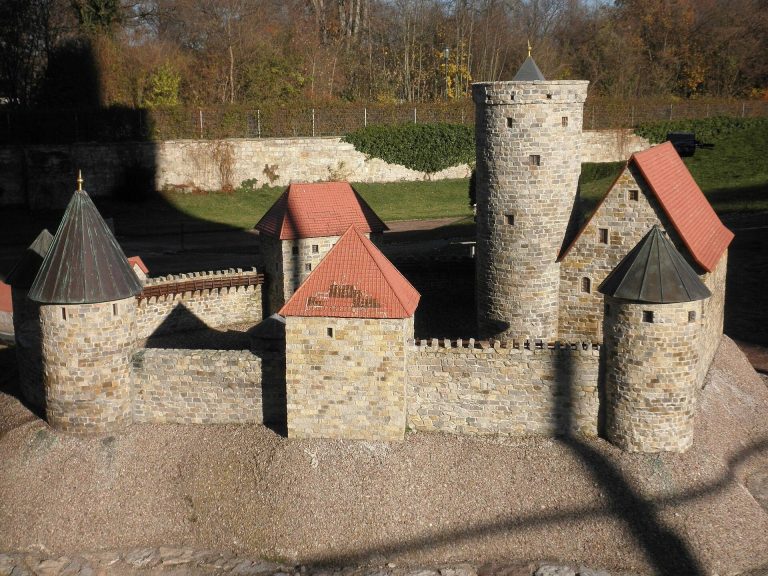
A model of Schloss Neideck, made at a scale of 1:20, stands on the grounds with other miniature buildings.
Gardener’s house and Arnstadt model
The nearby castle gardener’s house was built around 1650. Inside, a model shows Arnstadt as it appeared around 1740, at a scale of 1:200.