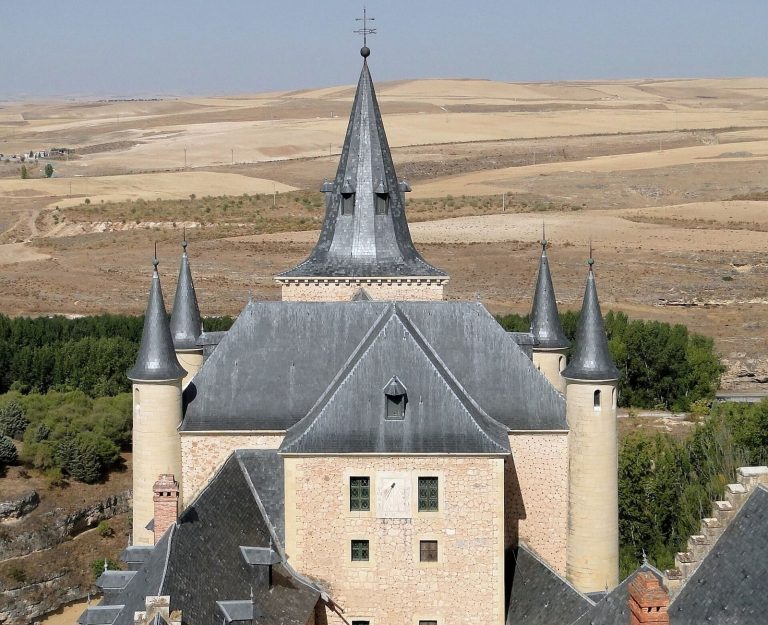
Monastery of Santa Cruz la Real, Segovia: A Dominican Monastic Complex
Site at a Glance
- Rating
- 4.5
- Popularity
- Very Low
- Country
- Spain
- Primary era
- Medieval
- Eras represented
- Medieval, Early Modern
- Civilizations
- Crown of Castile, Spanish
- Site type
- Religious
- Remains
- Monastery
On this page16 sections
History
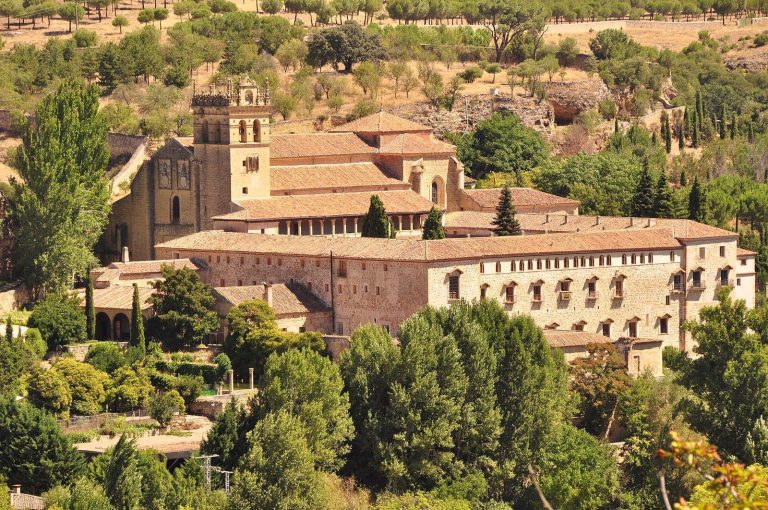
Monastery of Santa Cruz la Real, Segovia, is a former Dominican monastery in Segovia, Spain, founded in 1218 by Saint Dominic de Guzman as the first Dominican house on the Iberian Peninsula. The complex began as a Romanesque foundation and was repeatedly rebuilt, acquiring Gothic-Isabelline, Renaissance, and later architectural elements. It became closely connected with the monarchy and the religious and political history of Castile.
Foundation and Medieval Development
The first Dominican friars arrived in Segovia in 1217, after the city donated houses for the new community. Dominic reached Segovia in 1218 and founded the monastery. A cave later incorporated into the complex is traditionally associated with a period of penitence by the order’s founder. The Dominican establishment was rebuilt during the second half of the thirteenth century, with assistance from Segovian institutions, local citizens, and the monarchy.
Royal and civic support provided the community with a more secure financial base. In the late thirteenth century, a royal privilege confirmed an annual grant of 100 maravedis, a historical Iberian monetary unit. Fernando IV and Alfonso XI later endorsed the income, while the Segovian council granted the Dominicans wheat in 1326. These privileges helped sustain the monastery as its buildings and religious activities developed.
Royal Patronage and the Catholic Monarchs
Santa Cruz la Real prospered particularly under Isabella I of Castile and Ferdinand II of Aragon, jointly known as the Catholic Monarchs. Their patronage financed major construction and refurbishment, and their protection gave the monastery the designation la Real, meaning “Royal.” The church was remodeled in association with Juan Guas, an architect linked with the Castilian court, and Friar Tomas de Torquemada, a Dominican friar and leading inquisitor. This work transformed the complex from its earlier Romanesque character toward the Gothic-Isabelline style.
The monastery’s relationship with the Catholic Monarchs also belonged to a period when the crown strengthened its control over the Inquisition, an ecclesiastical institution that investigated and prosecuted religious deviation. In 1492, the expulsion of Spain’s Jewish community brought substantial financial gains to the friars. Income confiscated from Garci Gonzalez Gualdrafas, a Segovian merchant executed in 1489 for practicing Judaism, contributed to the rebuilding of the monastery.
The royal connection was also expressed through religious objects and furnishings. The Catholic Monarchs gave Santa Cruz a relic of the lignum crucis, traditionally identified as a fragment of the True Cross, which Boabdil, the last Muslim king of Granada before its conquest in 1492, was said to have donated to them. Under Philip II, royal patronage continued with the donation of a high altar retable designed by Juan de Herrera and painted by Diego de Urbina.
Expansion in the Sixteenth Century
During the sixteenth century, the monastery’s wealth, institutional influence, and educational activity increased. Cardinal Domingo Pimentel, Bishop of Cordoba, established several chaplaincies, endowed religious foundations supporting specified clergy and worship. Monarchs granted annual alms of 30,000 maravedis, and numerous wills left bequests to the community. Part of the complex was used for teaching, while the cloister and associated dependencies supported secondary activities such as study and storage.
The monastery also possessed a substantial art collection. It included paintings by the Flemish artist Ambrosius Benson, a painting of Christ on the Cross attributed to Pedro Berruguete, and works associated with Pedro de Bolduque, Felipe de Aragon, and Alonso de Herrera. Following nineteenth-century secularization, many of these movable works were dispersed to museums and public collections, including the Museo del Prado and the Segovia Provincial Council.
Secularization and Later Reuse
Ecclesiastical dissolutions and requisitions ended Dominican possession of Santa Cruz la Real in 1836. The Segovia Provincial Council converted the complex into a hospice and nursing home for the elderly, and in May 1843 established a charitable orphanage there. The buildings were later left empty and unused during the late nineteenth century. Several fires at the beginning of the twentieth century contributed to the monastery’s abandonment.
Santa Cruz la Real was declared a site of cultural interest as a monument on June 3, 1931. In 1963, the Association of Alumni of Segovia Provincial Residence organized activities intended to preserve the memory of people who had lived in the former home. Extensive renovation in the late twentieth century gave the former convent a new institutional use as a campus of IE University, a private university with campuses in Segovia and Madrid. Its former religious spaces now serve university functions, including conference use. The monastery is also included within Segovia’s UNESCO World Heritage designation of 1985.
Remains
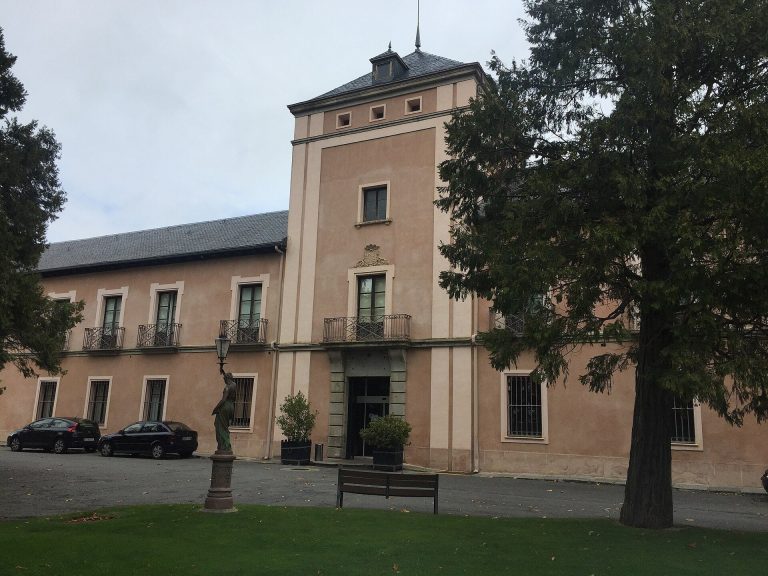
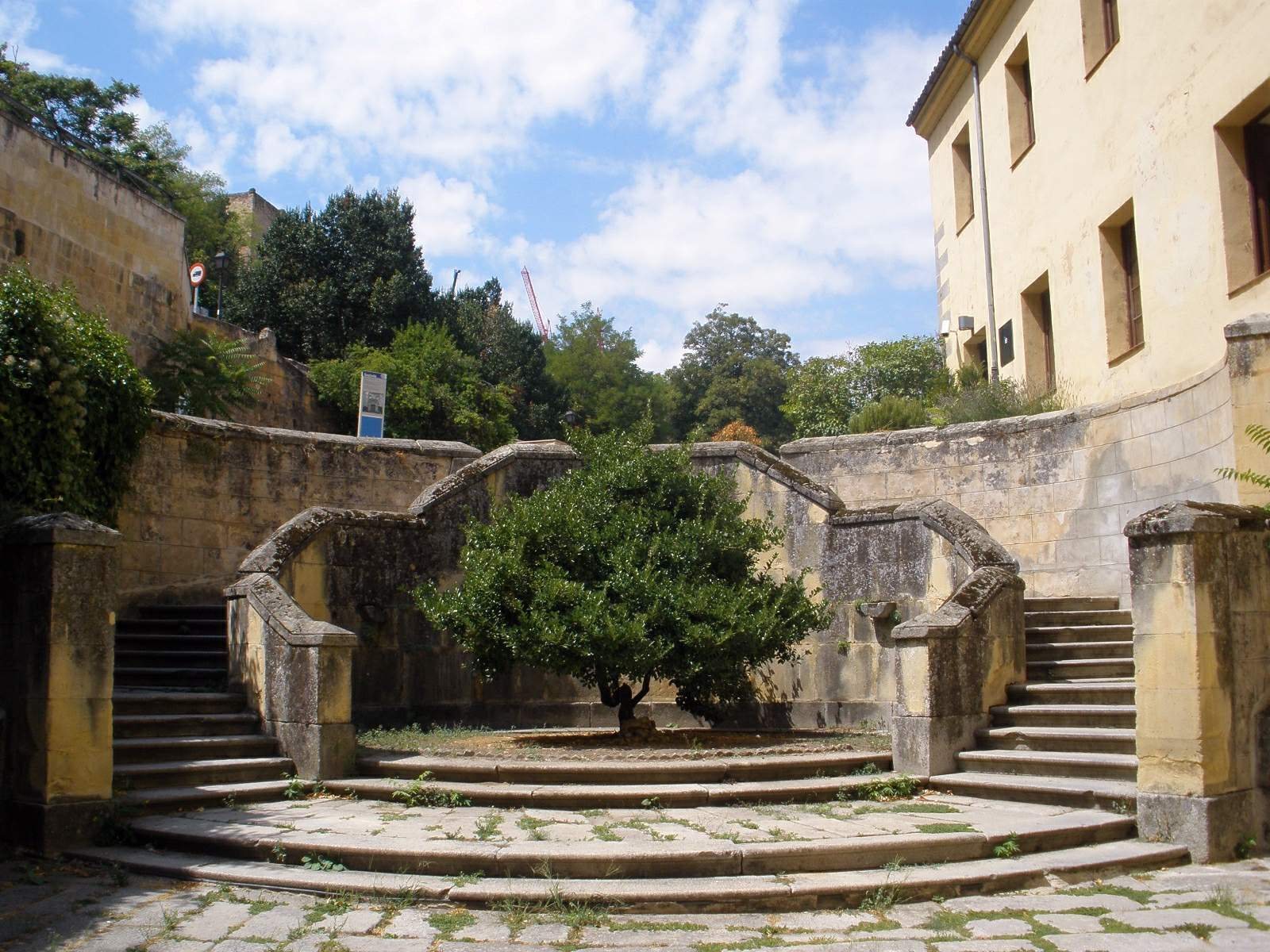
The surviving complex stands north of Segovia’s historic urban center in the district of San Lorenzo. Its architectural fabric brings together Romanesque remains, the Gothic-Isabelline work associated with the Catholic Monarchs, Renaissance cloister construction, and later alterations. The former monastery’s dependencies now make up IE University’s Segovia campus, while several principal religious spaces have been adapted for institutional use.
Church and Royal Chapel
Church Portal and Nave
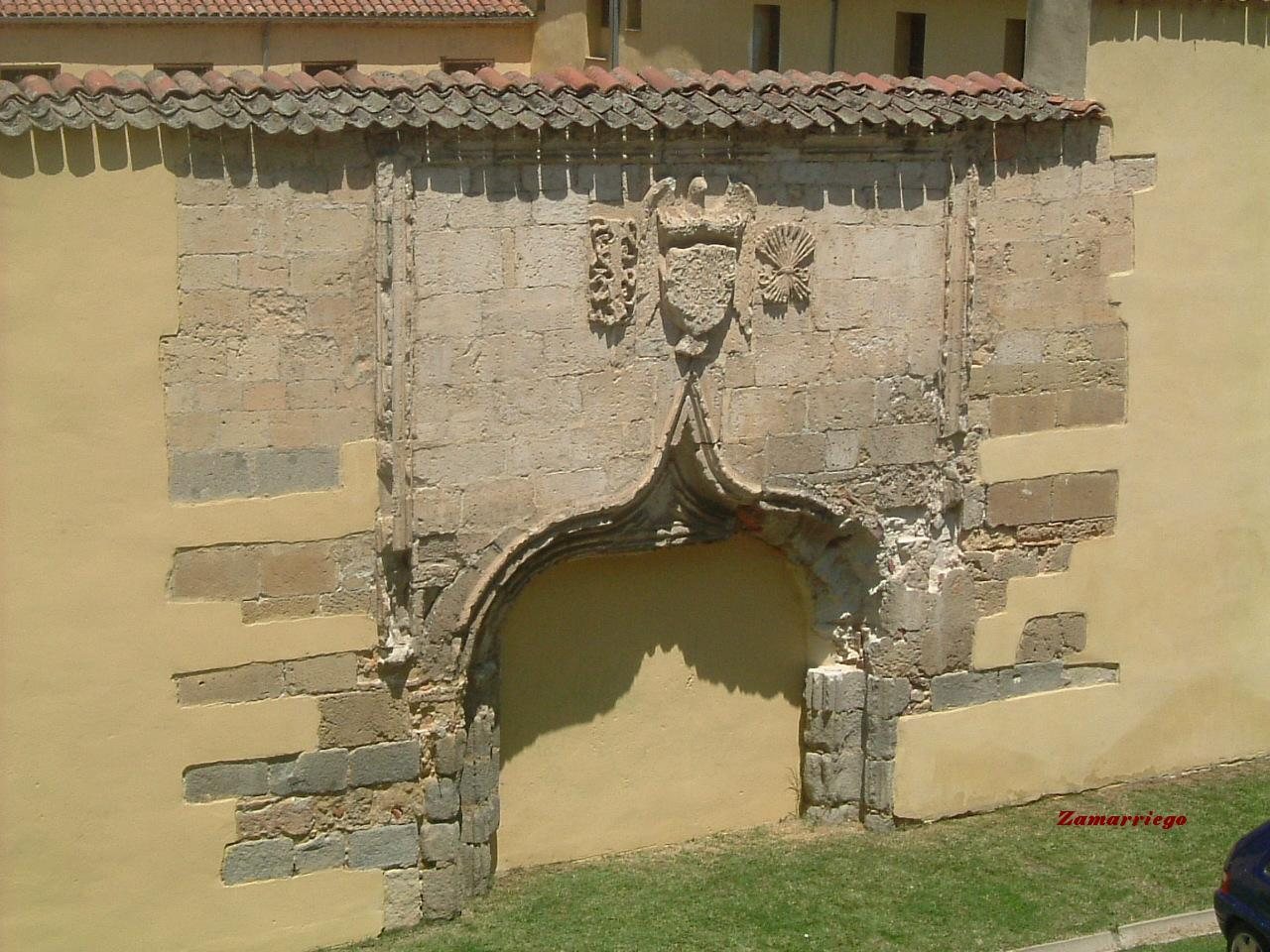
The church has a monumental frontispiece in the Gothic-Isabelline, or Hispano-Flemish, style. Queen Isabella personally commissioned the portal, which depicts her and Ferdinand praying and preserves the royal motto “Tanto monta.” Inside, the church is formed by a single nave covered with ribbed vaults, ceilings supported by intersecting masonry ribs. The former church now functions as IE University’s principal conference room.
Cave of Saint Dominic
On the north side of the church is the royal chapel known as the Cave of Saint Dominic. The cave was preserved as a center of worship and is reached through an antechapel built during the period of the Catholic Monarchs. Earlier, a very small passage connected the cave with the monastery. The cave has a ribbed vault and an ornate portal, retaining the architectural expression of its devotional role within the larger complex.
Cloister and Community Rooms
Cloister
The cloister is a covered walkway enclosing an open courtyard and reflects the monastery’s expanded organization. Its Renaissance-style work belongs to the later architectural development of Santa Cruz la Real. Areas connected with the cloister were assigned to secondary purposes, including study and storage, showing how the complex accommodated the community’s religious, educational, and practical activities.
Chapter Hall
The Chapter Hall, dedicated to Saint Vincent, served both as a chapel and as the meeting room where the monastic community discussed important matters. A chapter hall is the formal assembly room of a religious community. The former hall has been converted into a conference space, preserving its place within the complex while serving a different institutional purpose.
Refectory
The refectory, the communal dining hall, formed another part of the monastery’s domestic organization. It has also been converted into a conference hall. Together with the chapter hall and cloister, it represents the range of spaces required for communal worship, administration, study, storage, and daily religious life.
Dispersed Artistic Remains
Paintings by Ambrosius Benson
Several paintings from the former monastery’s collection were made by Ambrosius Benson, a Flemish artist. A number of Benson canvases are held by the Museo del Prado, having first passed to the former Museo de la Trinidad. They form part of the artistic material dispersed after the nineteenth-century secularization of the monastery.
Other Former Collection Works
A painting of Christ on the Cross was attributed to Pedro Berruguete while it was still at the monastery in 1977. The former collection also included works associated with Pedro de Bolduque, Felipe de Aragon, and Alonso de Herrera. The Segovia Provincial Council preserves a considerable number of works that originated at Santa Cruz la Real, while the present location of the high altar retable by Juan de Herrera and Diego de Urbina is not stated.