Ōtsukayama Kofun: A Late Fourth-Century Burial Mound in Fukushima
Site at a Glance
- Popularity
- Medium
- Country
- Japan
- Primary era
- Classical
- External website
- Open
- Eras represented
- Classical
- Civilizations
- Yamato
- Site type
- Burial
- Remains
- Burial Mound
On this page9 sections
History
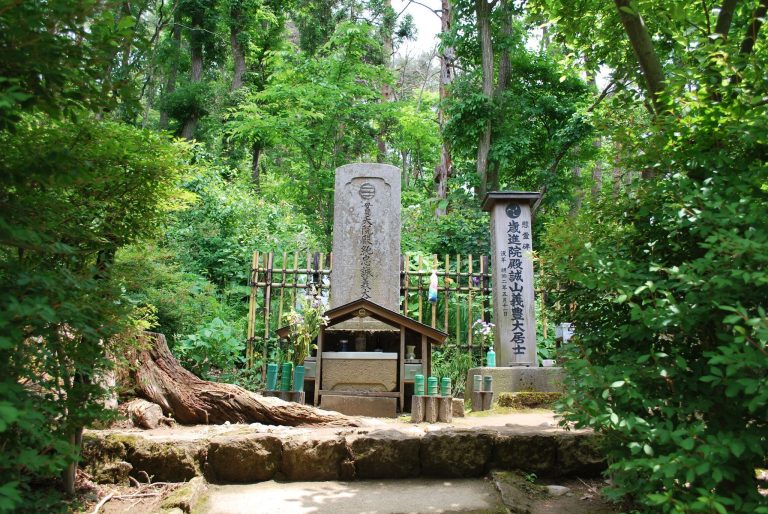
Ōtsukayama Kofun is a large Japanese burial mound on an isolated hill in Aizuwakamatsu, Fukushima Prefecture, Japan. It dates generally to the late fourth century and belongs to the Kofun period, the era when such tombs were built.
Early date and Yamato connections
Aizuwakamatsu City places the mound’s construction in the first half or middle of the fourth century. It is one of three large tombs in the Ikki Kofun Group. The other two, Iimoriyama Kofun and Dōgasakuyama Kofun, are often considered earlier. Ōtsukayama is the second-largest kofun in Fukushima Prefecture and the fourth-largest in the Tōhoku region. It is also described as among the region’s oldest, though the other two mounds may predate it.
Many grave goods, including objects associated with the Kinai region, have been interpreted as evidence of close ties between the deceased and the Yamato polity, an early Japanese political order centered in Kinai. The finds support the interpretation that a local leader connected to that order was present in Aizu by the late fourth century. This challenges an earlier view that Yamato influence in Aizu began only after Abe no Hirafu’s seventh-century campaigns in northeastern Japan. Hirafu was a Yamato commander associated with those campaigns.
A legendary tradition about the Four Route Generals, preserved in the Records of Ancient Matters and the Chronicles of Japan, links Aizu to Yamato’s conquest. The story has been considered in discussions of when Yamato rule began in Aizu and who may have been buried at Ōtsukayama, but the occupant’s identity remains uncertain.
Investigation and recognition
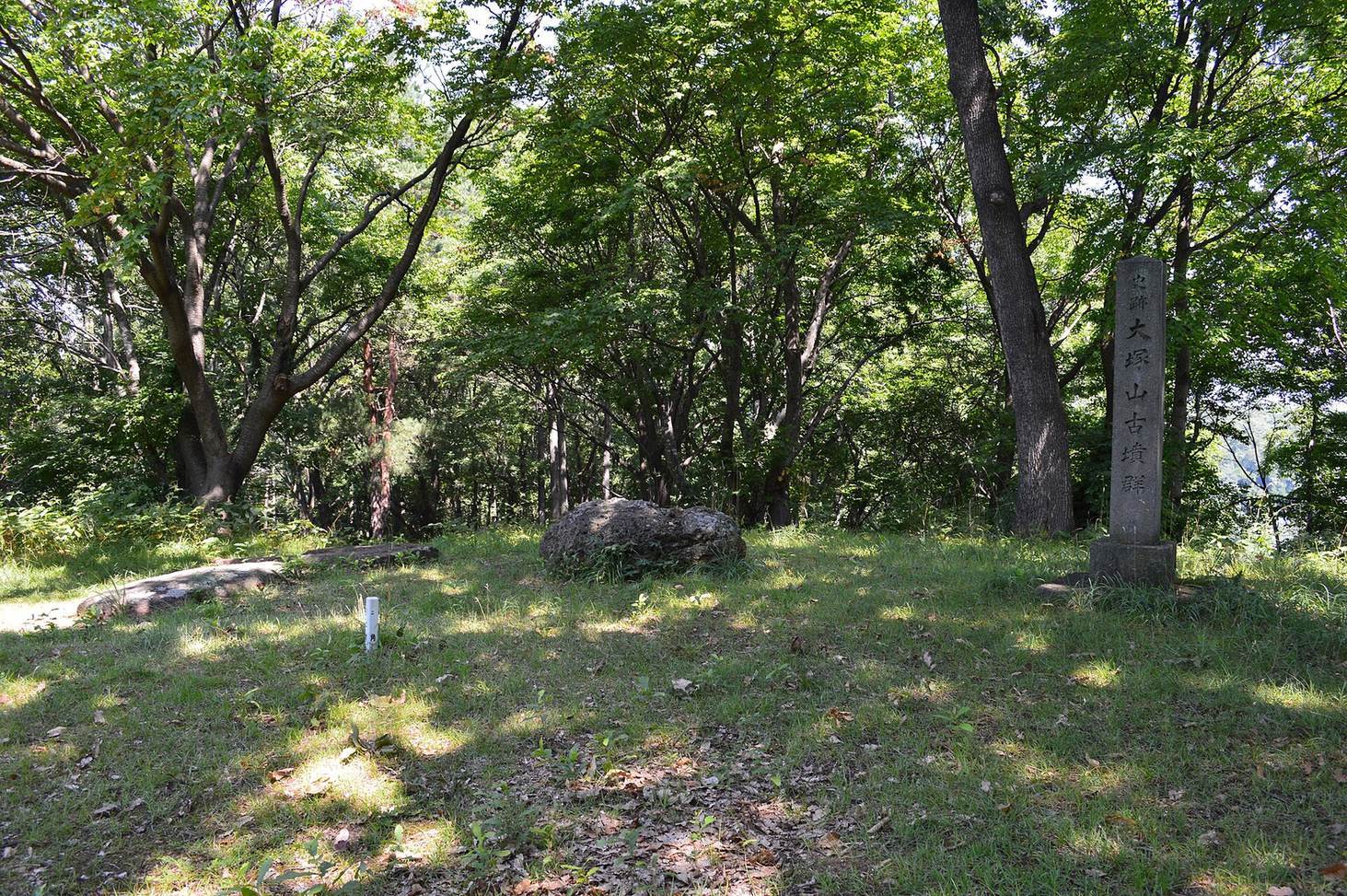
Archaeologist Torii Ryūzō identified the mound as a kofun in 1920. In 1964, Tohoku University’s archaeology department excavated the rear mound under Professor Nobuo Itō as part of a local history project. A survey in 1988 revised the mound’s measured dimensions. The kofun became a National Historic Site in 1972, and its excavated objects were designated a National Important Cultural Property in 1977.
Remains
Mound and setting
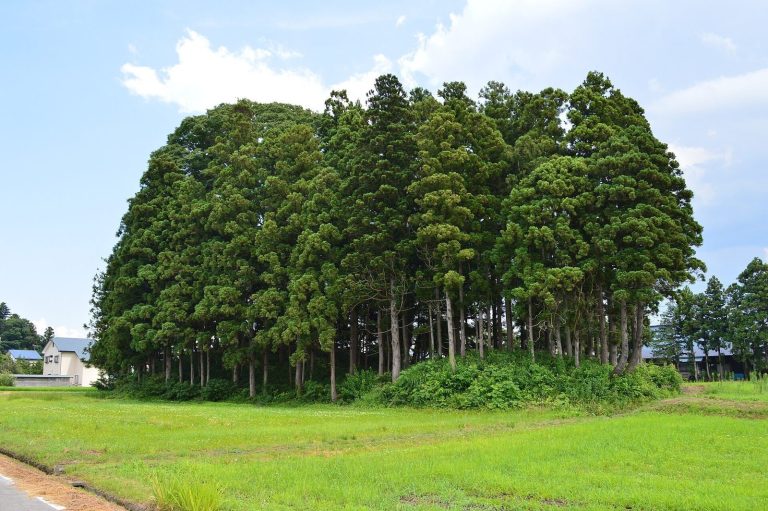
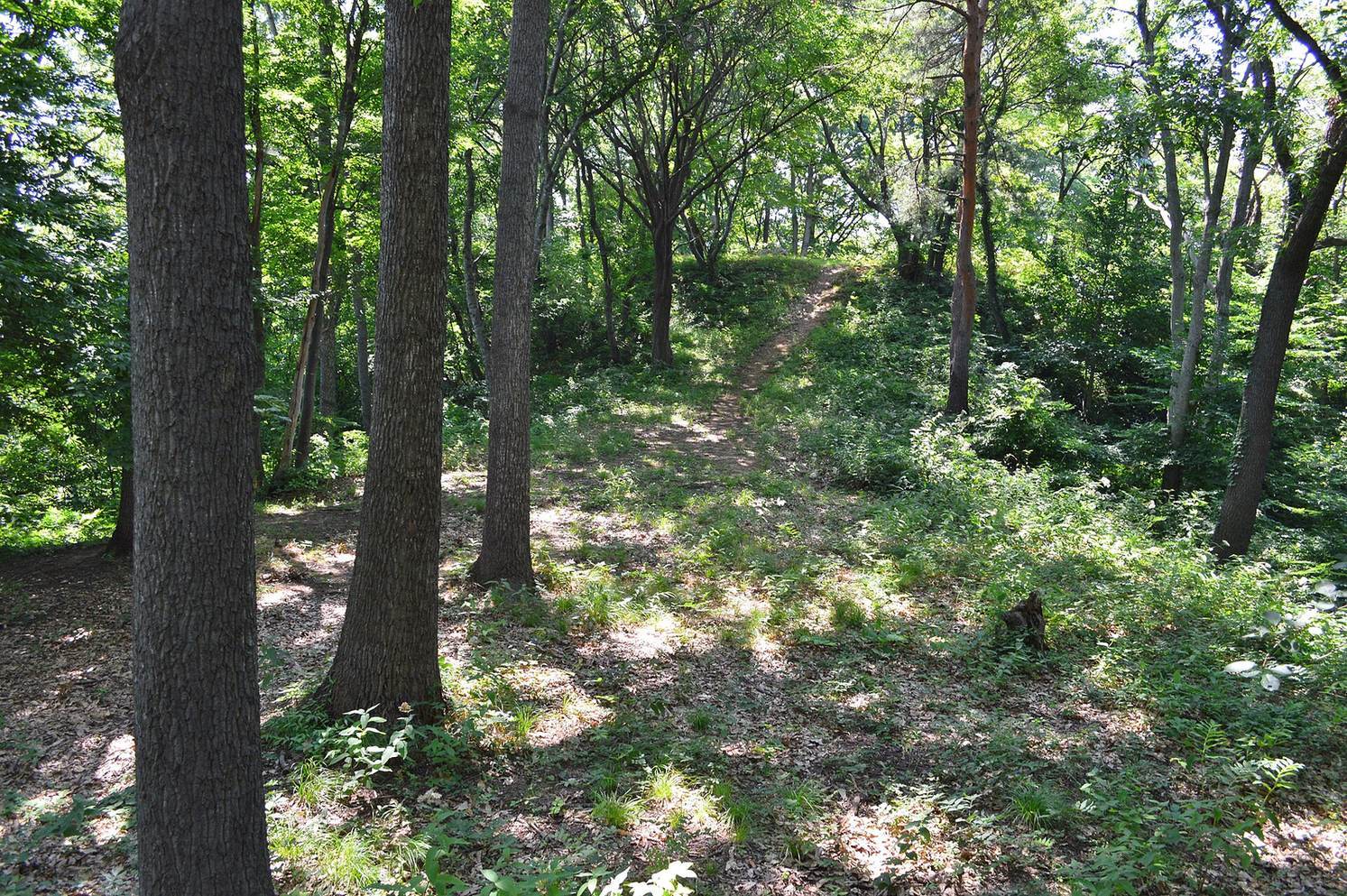
The mound occupies the summit of an isolated hill in the eastern Aizu Basin. Its keyhole-shaped plan joins a circular rear section to a rectangular front section that faces almost due north. A small platform projects from the eastern side of the narrow connection between them, while the western side of the rear mound bulges slightly.
The mound measures 114 metres long. Its rear section is 70 metres across and about 10 metres high, while the front is 54 metres wide. The front has two tiers and the rear has three; a moat lies along the eastern side. Earlier measurements gave a total length of 90 metres, a rear diameter of 45 metres and height of 6 metres, and a front width of 23 metres and height of 3.5 metres. Those figures had led to the front section being understood as narrow and elongated.
Nearby burial features
Nine round burial mounds lie near Ōtsukayama, and fourteen tombs with horizontal burial chambers are situated to its south. Six caves formerly occupied the southern slope: one was about 2.73 metres square, and the other five were smaller.
Burials in the rear mound
Southern burial
Two wooden coffins lay side by side on a north–south axis within the rear mound, surrounded by clay. Each had a cross-section shaped like split bamboo. The southern coffin measured 8.4 by 1.1 metres, and the northern one measured 6.5 by 1 metre. The southern burial was earlier. Teeth from it indicate an elderly man, considered a likely principal occupant, although the identities of those buried at the site remain uncertain.
The southern burial yielded 279 objects. Among them was a triangular-rimmed mirror decorated with deities and animals, made from the same mould as a mirror from Tsuruyama Maruyama Kofun. It is sometimes called Himiko’s mirror, referring to a ruler of Wa known from early Chinese histories, but that identification is disputed. Mirrors of this type have also been interpreted as gifts distributed by the Yamato polity to regional leaders. Other finds included a variant four-beast mirror, jadeite magatama (curved, comma-shaped beads), jasper tubular beads, amber and glass beads, and a bamboo comb.
Weapons and tools included a sword with a three-leaf ring-shaped pommel, other iron swords, a small iron knife, bronze and iron arrowheads, and a lacquered quiver decorated with straight lines and arcs. The assemblage also included an iron axe, a spear-shaped woodworking plane, whetstones, and iron agricultural implements. The ring-pommel sword has been compared with one from Wakahachiman Shrine Kofun in Fukuoka.
Northern burial
The northern burial yielded 95 objects, including a twisted-pattern mirror, jasper tubular beads, and a jasper spindle whorl, a weighted tool used in spinning thread. Its weapons and tools included an iron straight sword, other iron weapons, bronze and iron arrowheads, a quiver for holding arrows, an iron axe, and a small knife.
The excavated objects are held at the Fukushima Prefectural Museum, where many are displayed.