Oratorio di Santa Cecilia in Bologna: A Roman Catholic Oratory
Site at a Glance
- Popularity
- Medium
- Country
- Italy
- Primary era
- Medieval
- Eras represented
- Medieval, Early Modern
- Civilizations
- Papal States
- Site type
- Religious
- Remains
- Chapel
On this page8 sections
History
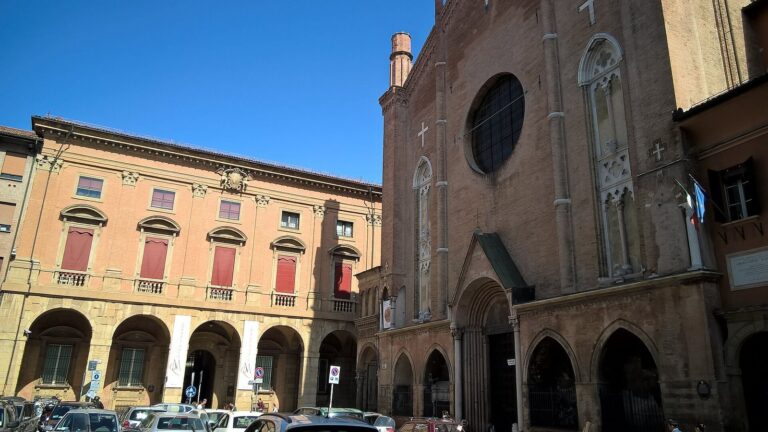
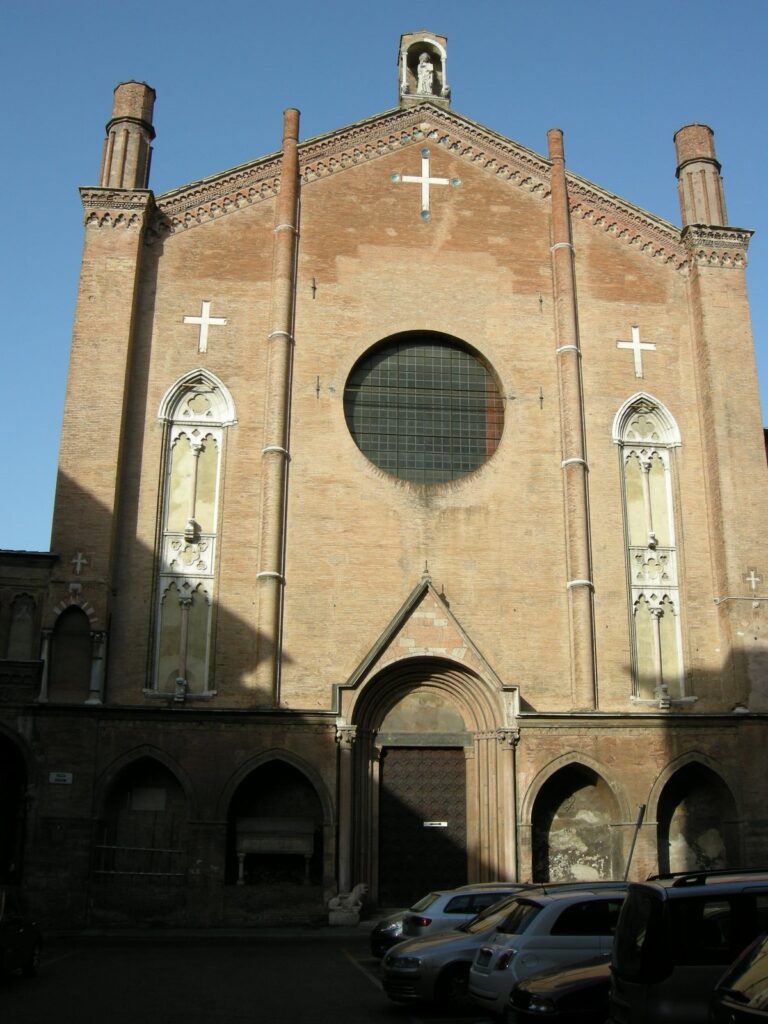
The Oratorio di Santa Cecilia in Bologna is a Roman Catholic place of prayer in Italy, attached to the rear of the Basilica of San Giacomo Maggiore. Dedicated to Saints Cecilia and Valerian, it belongs to the Archdiocese of Bologna, a church district overseen by an archbishop. Before becoming an oratory, it served as the meeting place of a confraternity, a lay religious association organized around devotional or charitable activity.
Medieval origins and rebuilding
The date of the oratory’s original construction is unknown, though a thirteenth-century document places it before the Basilica of San Giacomo Maggiore. The Augustinian Hermits, a religious order following the Rule of Saint Augustine, were assigned the oratory in 1267. They took possession in 1323, while their adjoining convent was still under construction. In 1359, the Bishop of Bologna authorized them to rebuild the oratory at a different site near its original location.
Fifteenth-century changes and the fresco cycle
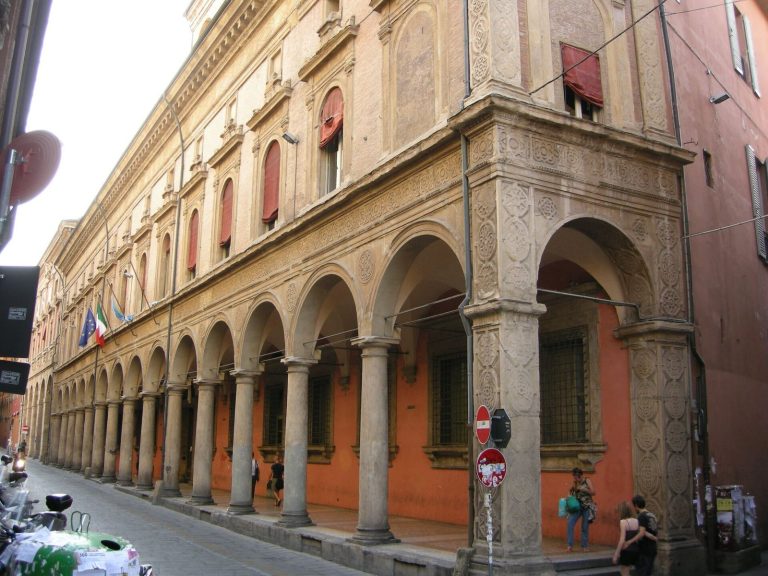
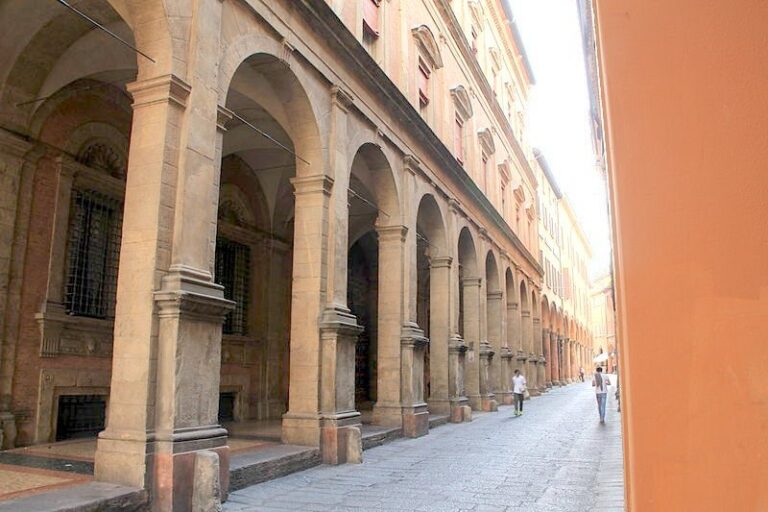
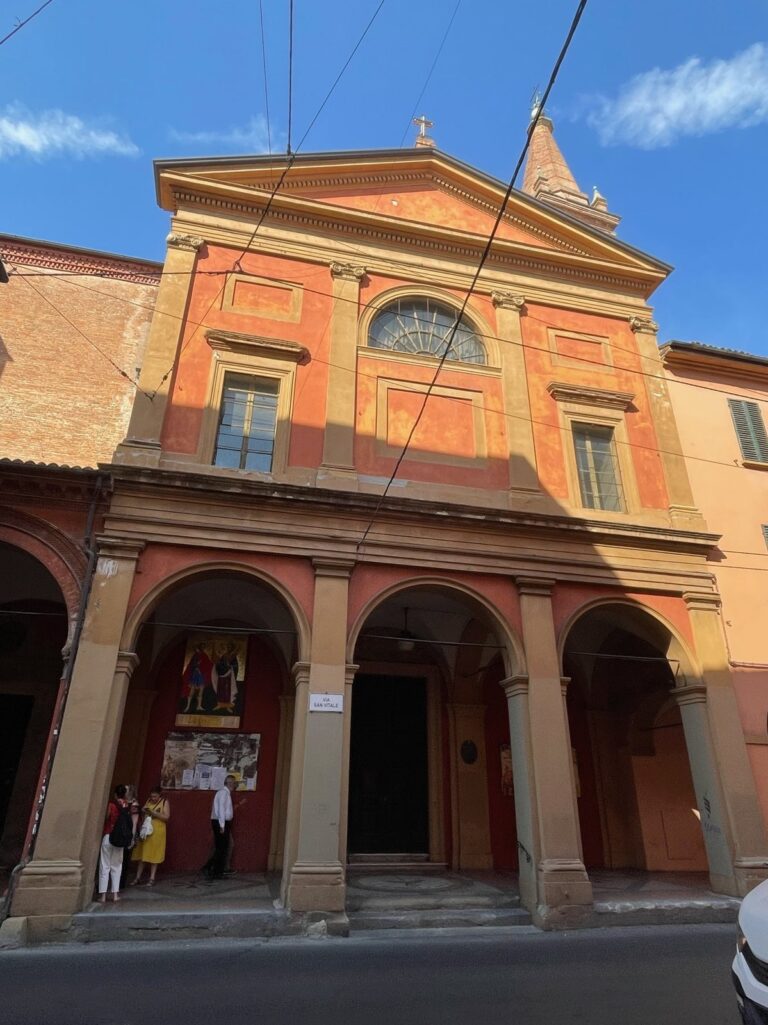
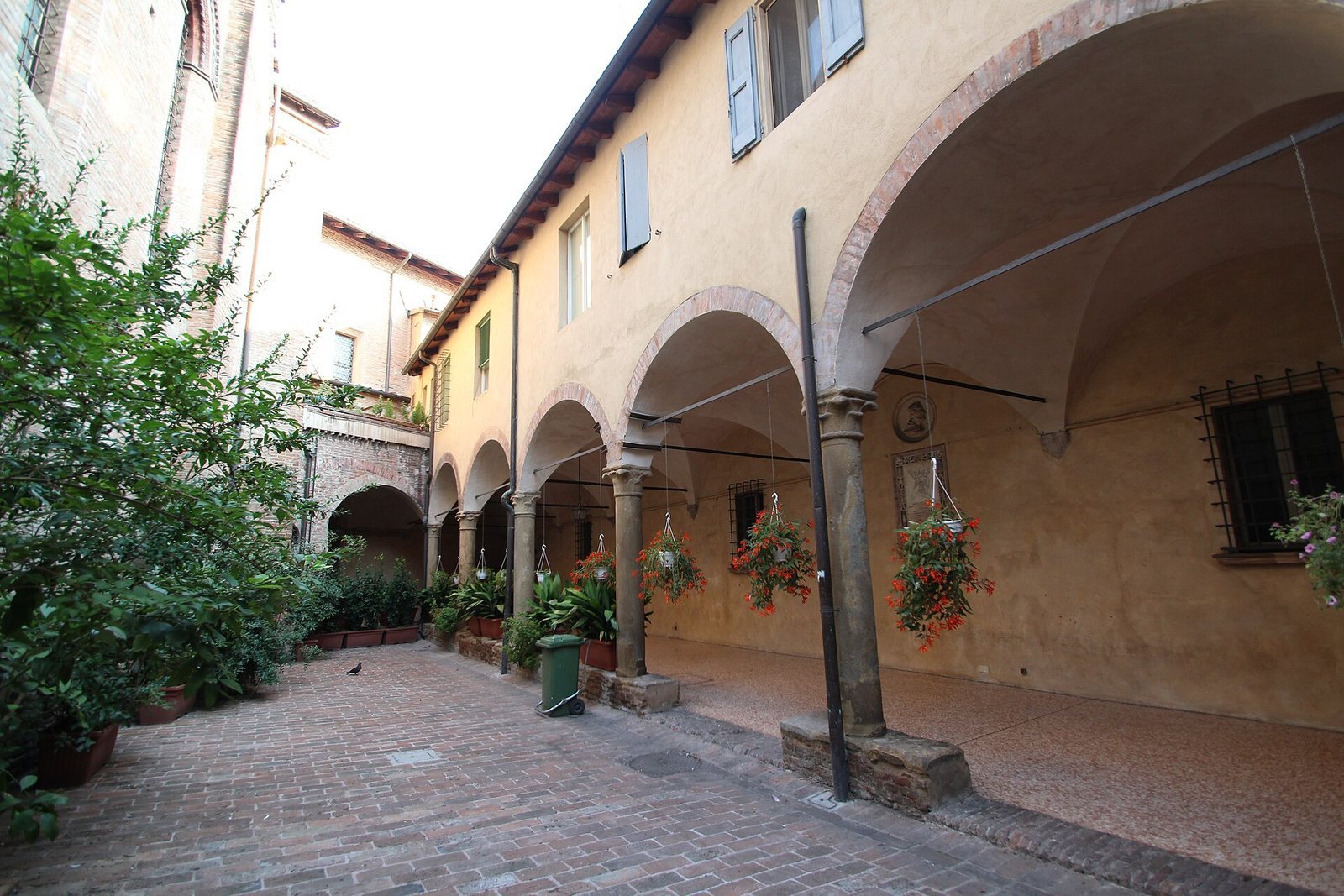
The building was altered again in the second half of the fifteenth century, during the Renaissance, a European cultural period marked by renewed interest in classical art and learning. The construction of porticoes, or covered walkways, removed the old street-facing façade. In 1483, the Bolognese architect and engineer Gaspare Nadi reduced the building’s size. That same year, construction of the Bentivoglio Chapel also narrowed the space in front of the old church.
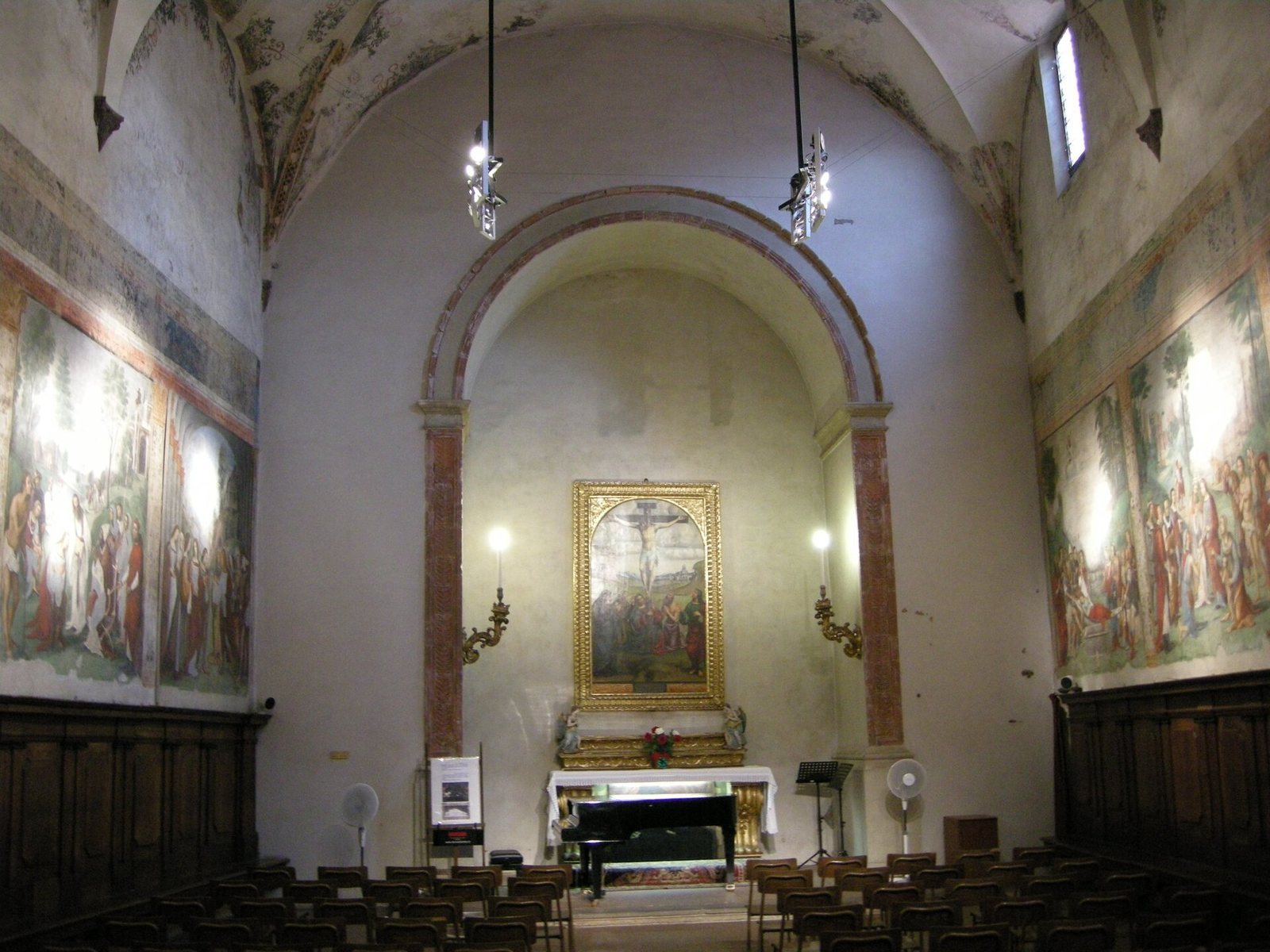
From 1505 to 1506, Bolognese and Emilian artists, including painters associated with the Bentivoglio court, created a cycle of frescoes portraying episodes from the lives of Cecilia and Valerian. A fresco is painted onto wet plaster. The cycle is sometimes known as the “Sistine Chapel of Bologna.” The oratory is now used as a concert hall.
Remains
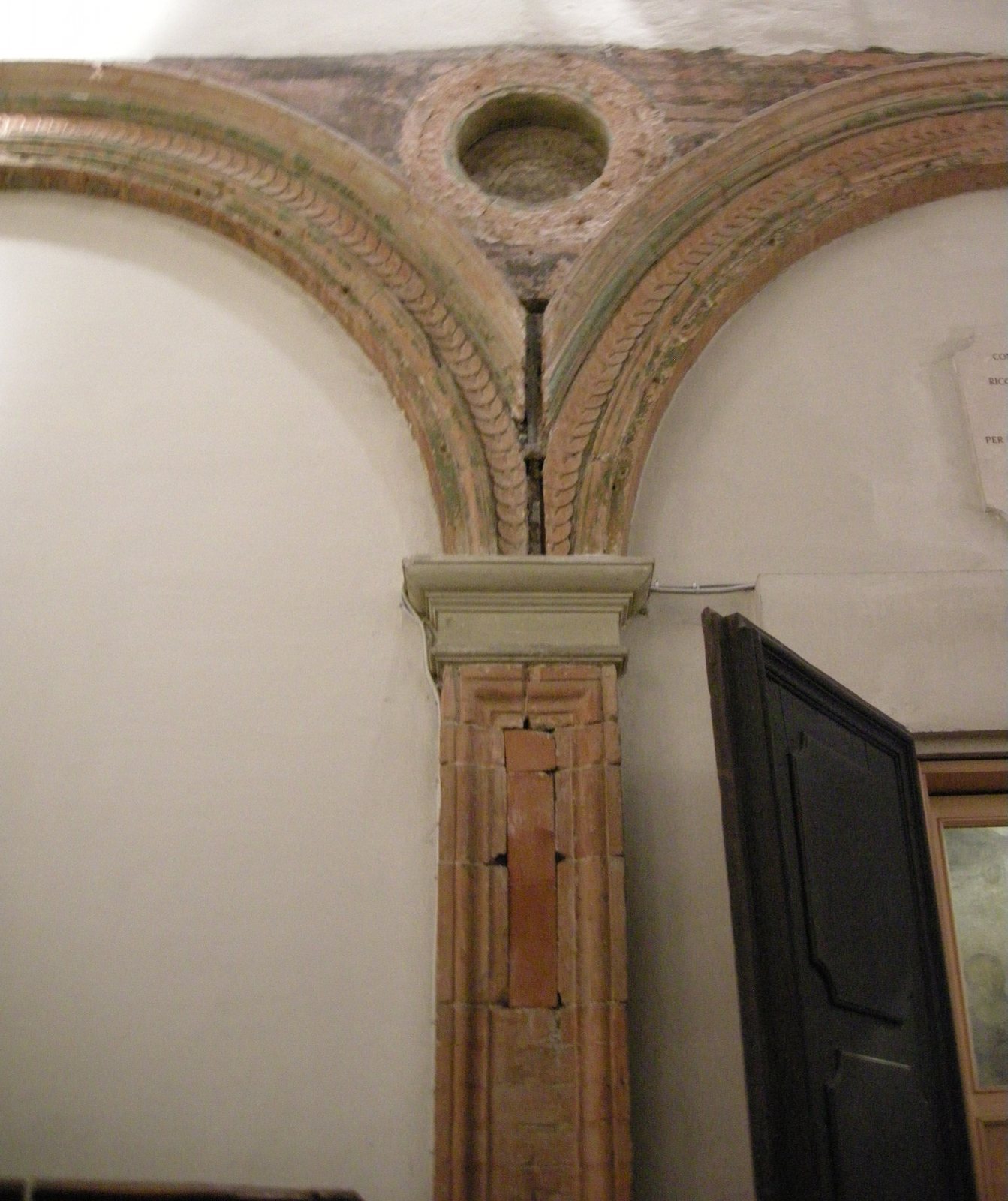
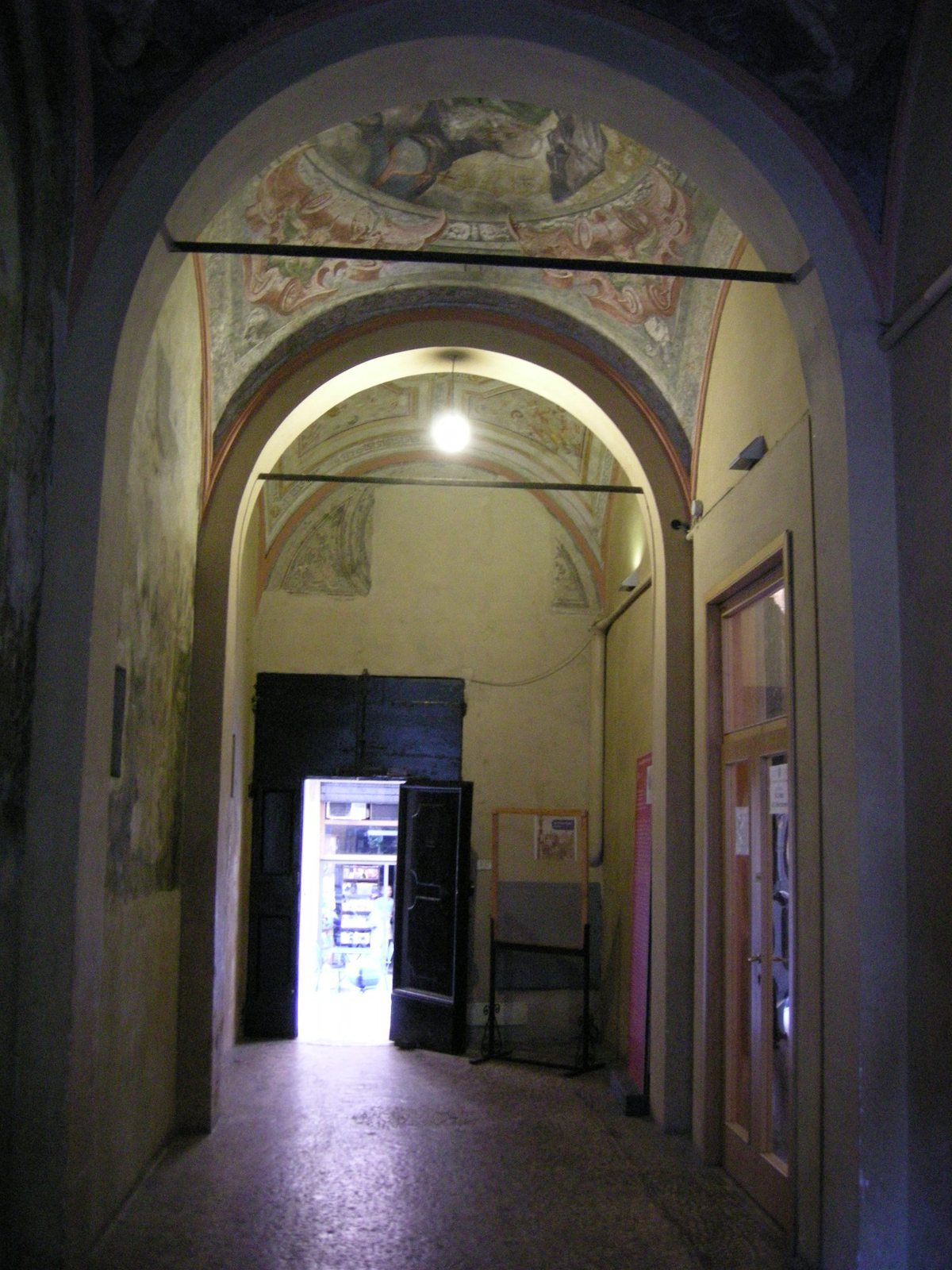
The oratory is attached to the rear of the basilica and adjoins its portico. Its interior is a single hall beneath a lowered barrel vault, a continuous arched ceiling, with lunettes, curved recesses where the vault meets a wall. Frescoes decorate the hall’s side walls and the adjoining portico.
Interior and surviving decoration
Side-wall frescoes
Ten fresco panels run along the side walls, separated by pilaster strips, shallow vertical projections, decorated with grotesque ornament, a style of fanciful decorative forms. Read from the altar, the scenes begin with the marriage of Cecilia and Valerian, by Francesco Francia, followed by Saint Urban converting Valerian, by Lorenzo Costa. Valerian’s baptism is attributed to Giovanni Maria Chiodarolo and Cesare Tamaroccio, while the angel crowning Cecilia and Valerian is attributed to Bartolomeo Bagnacavallo and Biagio Pupini.
The sequence continues with the beheading of Valerian and his brother Tiburtius, and the martyrs’ burial, both attributed to Amico Aspertini. Cecilia disputing with Prefect Almachio is attributed to Bagnacavallo and Pupini; her martyrdom and beheading to Chiodarolo and Tamaroccio. Lorenzo Costa painted Cecilia giving her wealth to the poor, and Francesco Francia painted her burial.
Portico frescoes
Fragmentary frescoes in the portico depict several episodes also found in the interior cycle: Cecilia and Valerian’s marriage, Valerian’s conversion and baptism, and the couple’s crowning by an angel. Other surviving scenes show Cecilia disputing with Almachio, her martyrdom, her gifts to the poor, and her burial.
Altar and associated works
An altarpiece, an artwork placed at or behind an altar, depicts the Crucifixion and saints. Attributed to Francesco Francia, it has been returned to the altar. Francesco Cavazzoni, Tiburzio Passarotti, and Cesare Baglioni are also associated with works in the oratory.