Noltland Castle: A Sixteenth-Century Fortified Castle in Orkney
Site at a Glance
- Rating
- 4.6
- Popularity
- Very Low
- Country
- United Kingdom
- Primary era
- Early Modern
- External website
- Open
- Eras represented
- Early Modern
- Civilizations
- Kingdom of Scotland
- Site type
- Military
- Remains
- Castle
On this page13 sections
History
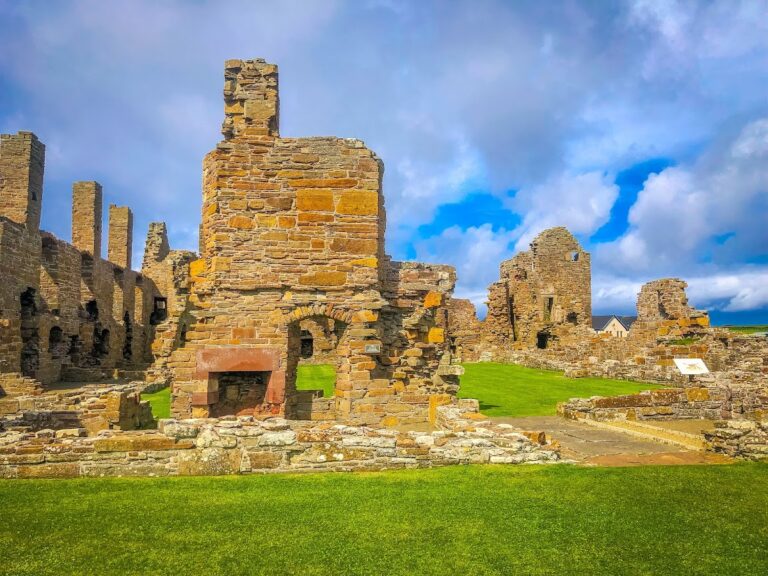
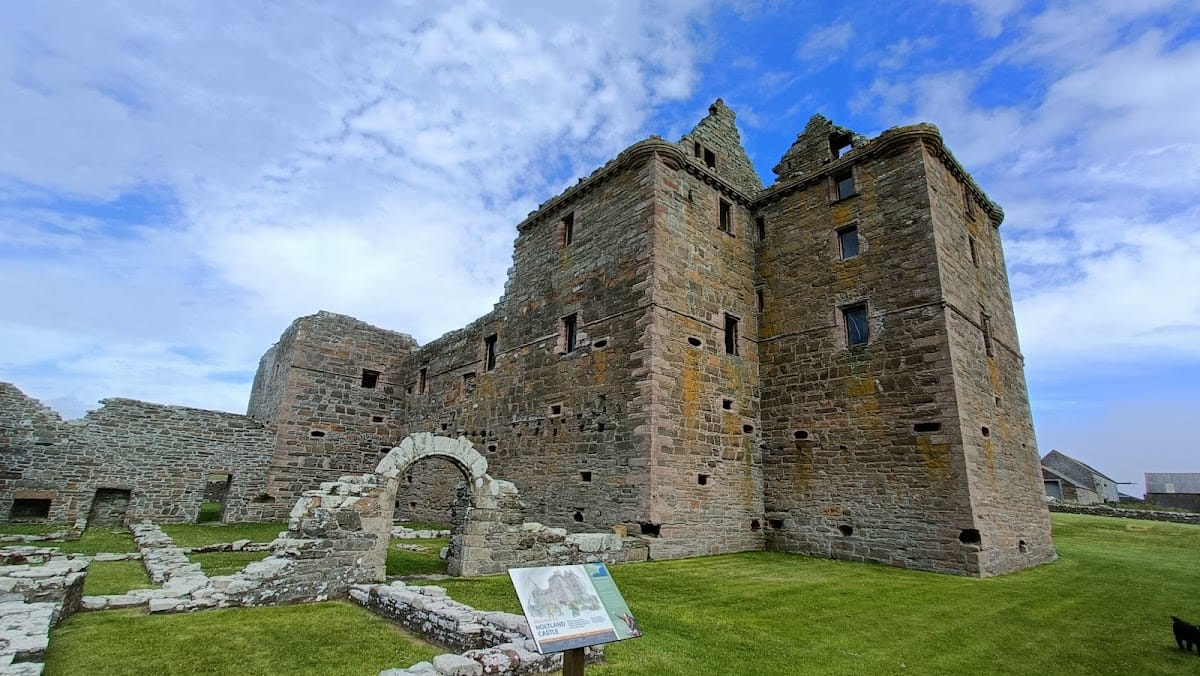
Noltland Castle is a sixteenth-century fortified castle in ruins on Westray in the Orkney Islands of the United Kingdom, 0.8 kilometres west of Pierowall. Construction of the present building began in 1560 for Gilbert Balfour and continued until 1573, although the castle was probably still unfinished when work stopped. Its history reflects the political struggles surrounding Mary, Queen of Scots, the sixteenth-century Scottish monarch whose reign was marked by major religious and political conflicts.
Medieval predecessors
An earlier castle stood on the site by 1420. It was built by Thomas Tulloch, Bishop of Orkney, but was probably left incomplete. William Tulloch succeeded him in 1461 and held the bishopric until 1477. A late-fifteenth-century siege by the Sinclairs of Warsetter is associated with the site. A report from 1529 also refers to an unfinished fortress at Noltland, although this probably concerned a different castle.
The Balfour foundation
Gilbert Balfour received the Noltland lands in 1560 from his brother-in-law, Adam Bothwell, Bishop of Orkney, after marrying Margaret Bothwell. Around the same period, Balfour became Master of the Household, a senior official responsible for administering the monarch’s household, to Mary, Queen of Scots. He also served as Constable of Kirkwall and Sheriff of Orkney, a Crown-appointed local judicial and administrative official.
Balfour was involved in the murders of Cardinal David Beaton in 1546 and Lord Darnley in 1567. He continued to support Mary, Queen of Scots, before fleeing to Sweden. There he served in the Swedish army and was executed for treason against the Swedish king in 1576.
Seizure, restoration, and later ownership
Around 1572, Noltland Castle was seized by Robert Stewart, who later became Earl of Orkney, a Scottish noble title historically associated with authority in the islands. The castle returned to the Balfour family in 1574. In 1598, William Stewart of Egilsay captured it for his half-brother Patrick Stewart, second Earl of Orkney, as settlement for an unpaid debt. Patrick Stewart retained possession for at least five years.
Sir Andrew Balfour of Mountquhanie sold the castle and its lands to Sir John Arnot in 1606. Arnot was Treasurer-Depute of Scotland and Lord Provost of Edinburgh. He became Sheriff of Orkney in 1611, after Patrick Stewart was imprisoned for treason in 1610.
Fire, abandonment, and preservation
After the forces of the Marquess of Montrose were defeated at the Battle of Carbisdale in 1650, some of his men took refuge at Noltland. Troops of Oliver Cromwell later held the castle. A fire damaged it in 1746, and the building was abandoned in 1760.
Excavations in 1873 and 1874 uncovered several skeletons in the castle area. Noltland entered state management in 1911 and is now managed by Historic Environment Scotland. It has been protected as a monument in the United Kingdom since 31 December 1921.
Remains
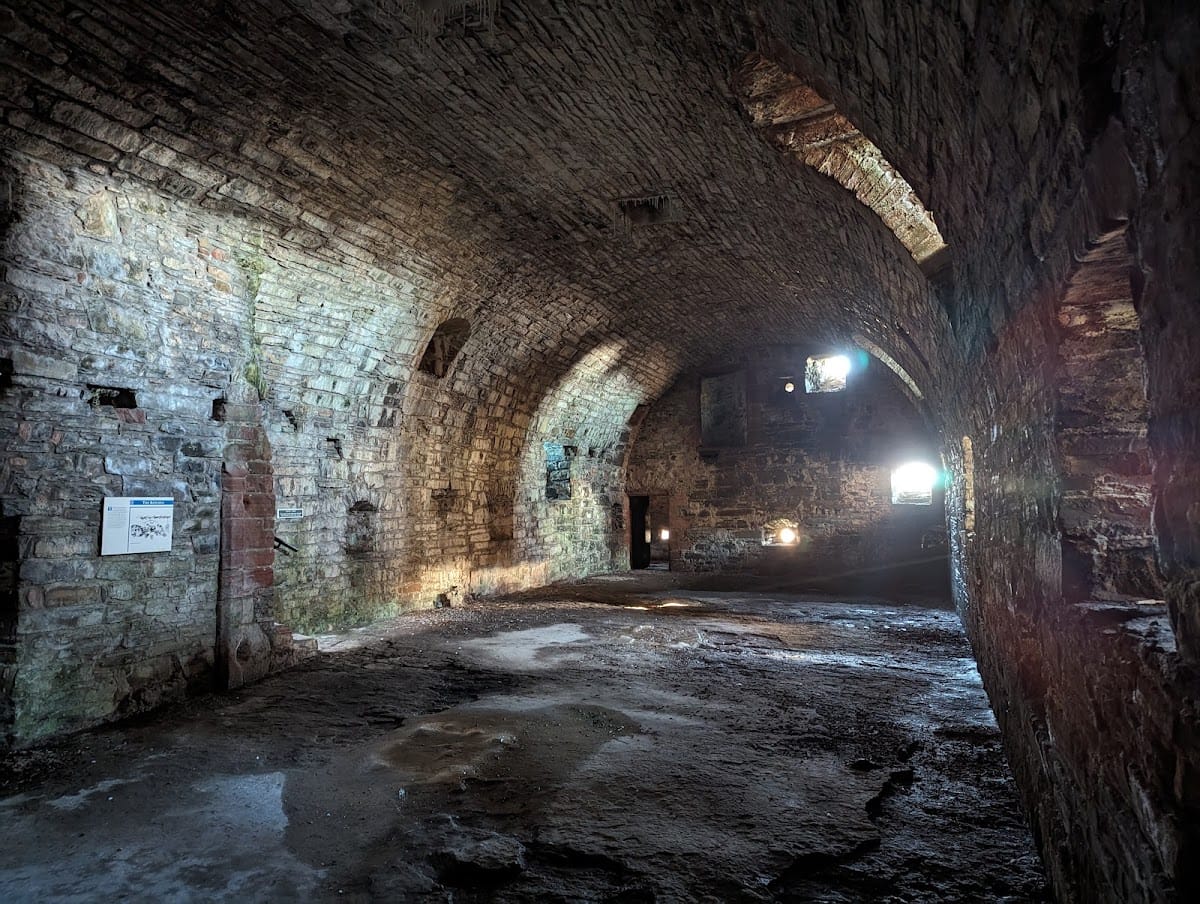
The surviving ruin follows a Z-plan, a fortified layout with a rectangular central block and towers at two diagonally opposite corners. The principal elevation runs from east to west. The main block measures approximately 26.4 to 26.5 metres by 11 metres, with walls about 7 feet thick. Two rectangular towers, each about 8.2 square metres in area and approximately 8 metres high, complete the main arrangement.
The principal castle
Main block and towers
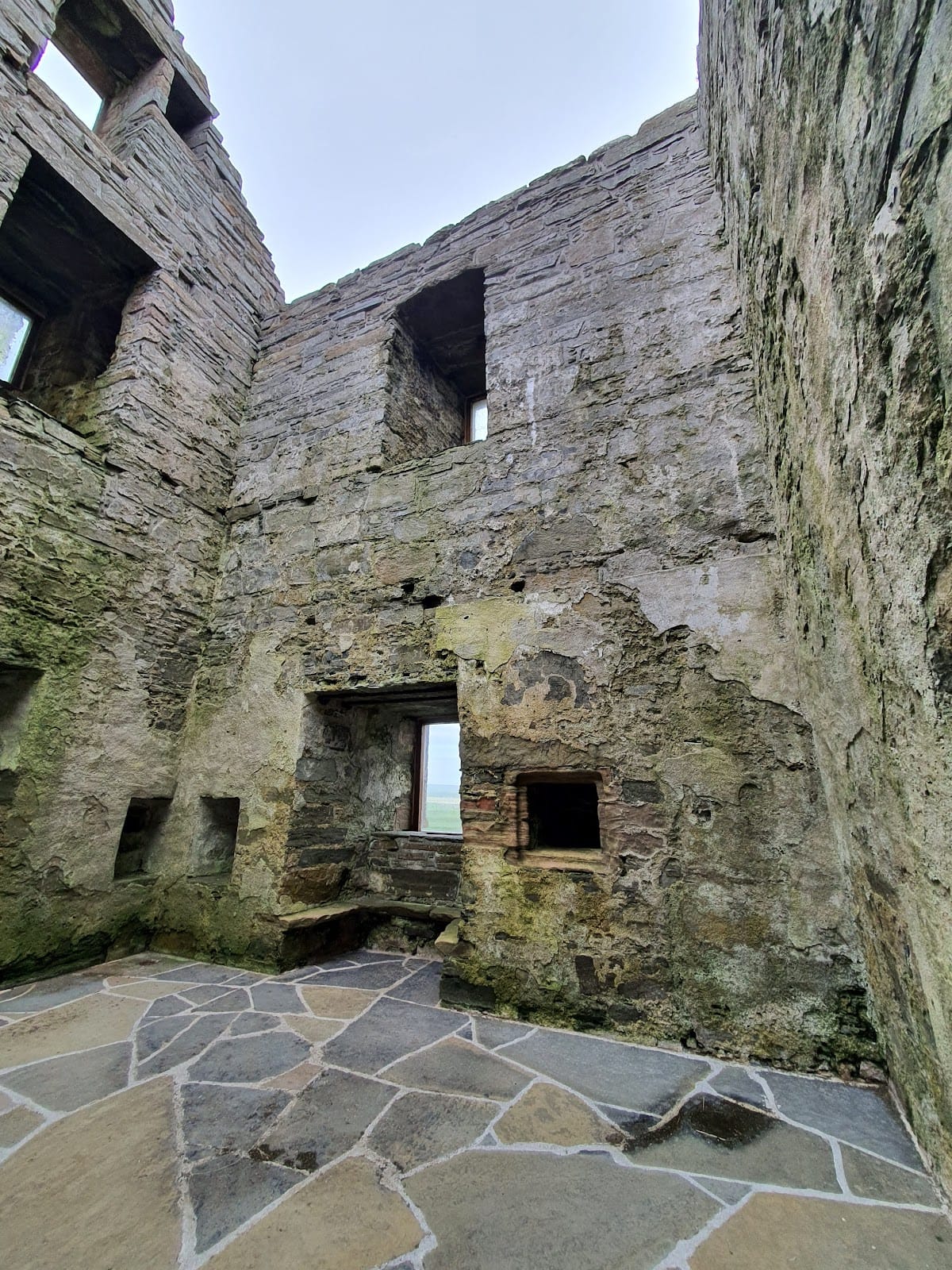
The castle had four storeys and an attic. Its entrance was placed in the south-west tower. The ground floor contained a kitchen with a large fireplace and oven, as well as storage rooms. A smaller stair connected the kitchen with the great hall on the first floor.
Staircase and great hall
An unusually broad spiral stair leads from the entrance to the great hall. Its stone central column has a richly decorated capital stylistically similar to one at Fyvie Castle dated to 1595 to 1603. The broad staircase is probably associated with Patrick Stewart’s period of occupation.
Gun loops and inscription
Seventy-one gun loops, or narrow openings through which firearms could be used from behind the walls, are arranged across three levels. The number is described as the highest found in a Scottish castle, while the three-level arrangement has no known parallel in Scotland and may have no parallel in Europe. Some of the openings resemble types found at Muness Castle and Scalloway Castle in Shetland and at the Earl’s Palace in Kirkwall.
An inscription on the facade is derived from the Book of Exodus: “When I see blood I will pass over you in the night.”
Later buildings and surrounding features
Courtyard and southern wing
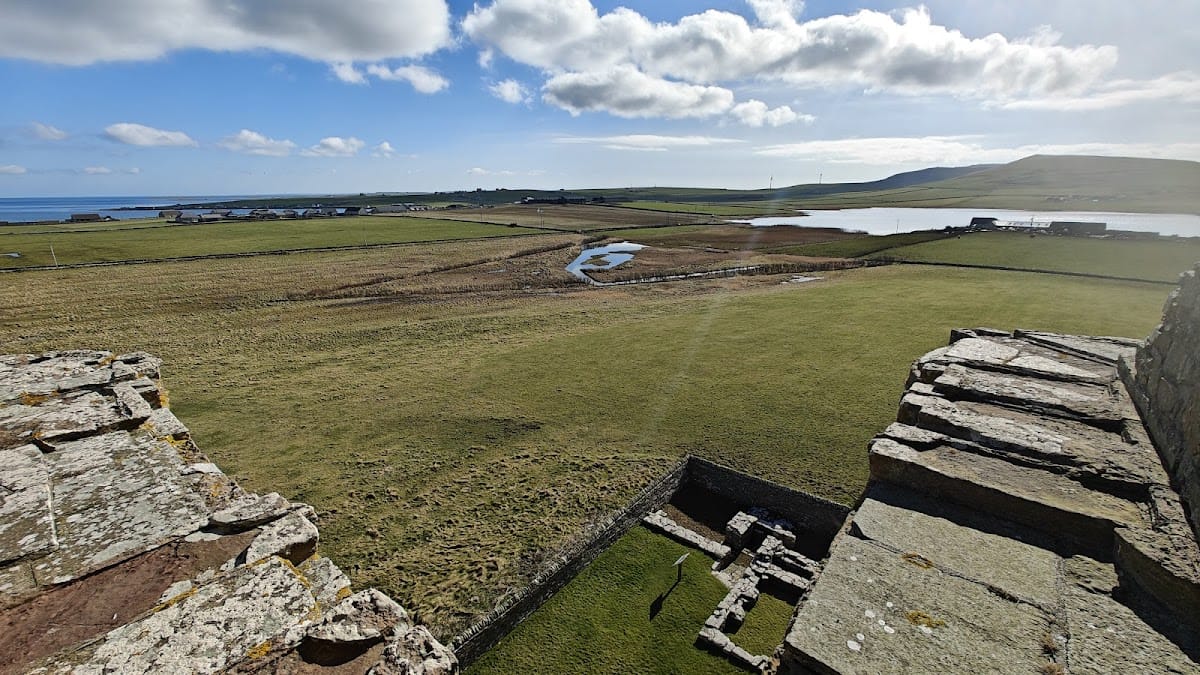
A courtyard was created on the south side of the castle during the seventeenth century. An additional wing with an L-shaped plan was built beside it in the eighteenth century. These southern buildings remained in use until at least the second half of that century, although the main block may already have been ruinous when they were constructed.
Western cemetery
A cemetery formerly lay on the western side of the castle. The site as a whole is now a ruin.
Nearby sites