Nikolo-Kochanovskaya Church: A Russian Orthodox Church in Novgorod
Site at a Glance
- Popularity
- Low
- Country
- Russia
- Primary era
- Early Modern
- Eras represented
- Early Modern
- Civilizations
- Russian
- Site type
- Religious
- Remains
- Church
On this page5 sections
History
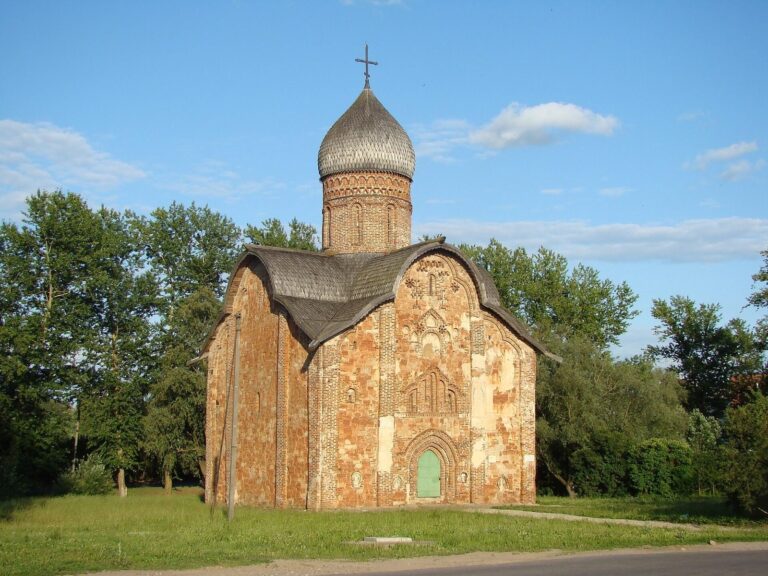
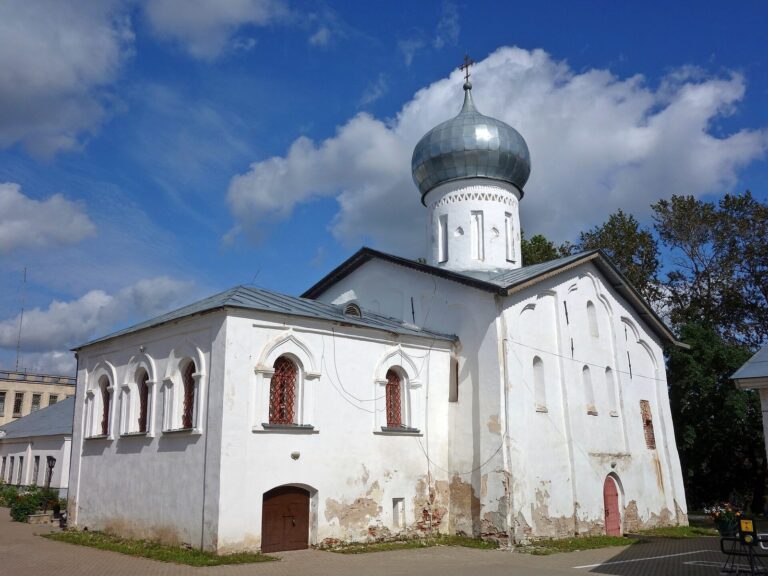
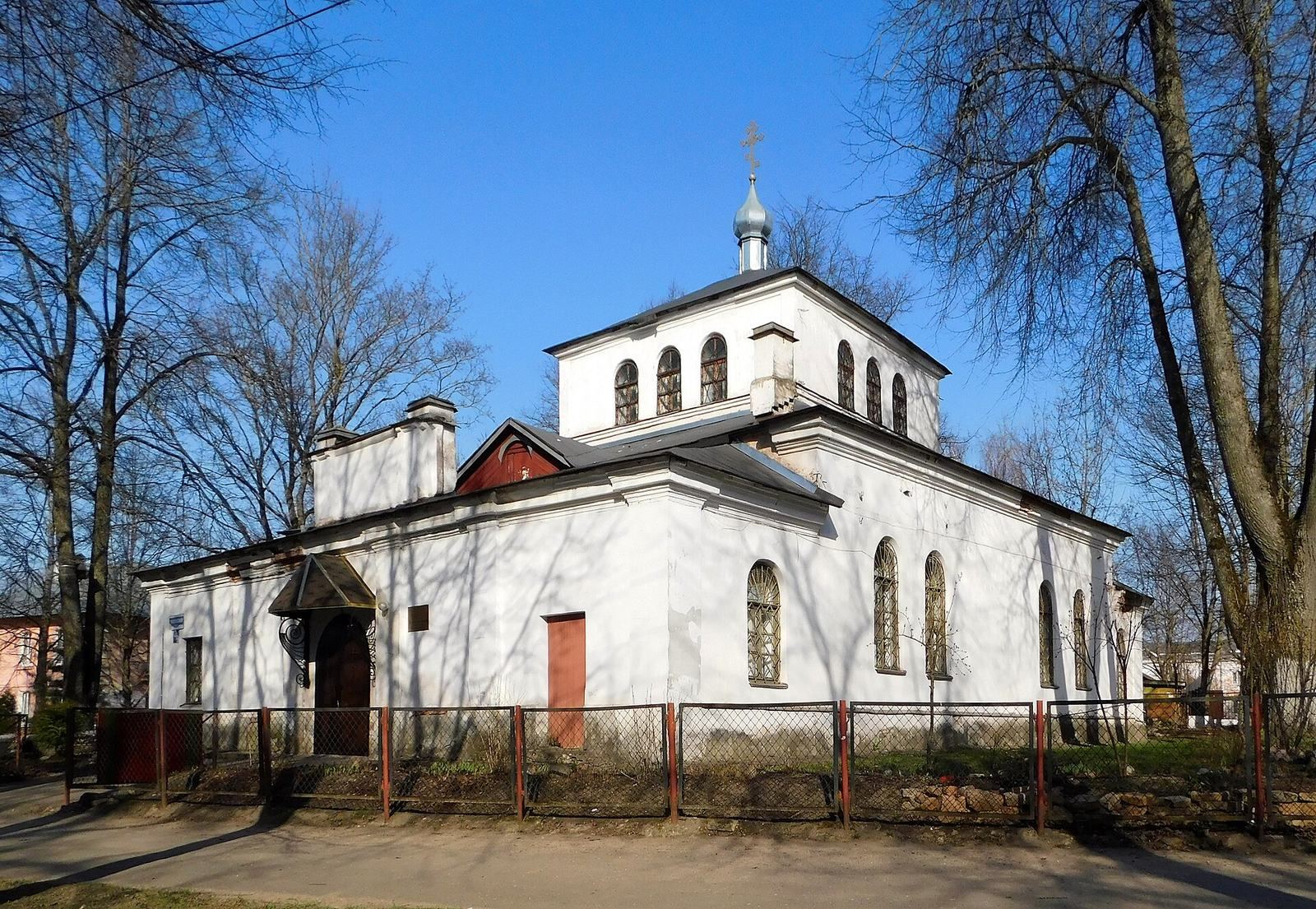
The Nikolo-Kochanovskaya Church is a Russian Orthodox church in Novgorod, Russia, whose stone construction began in 1554. It is dedicated to Saint Panteleimon the Healer, an early Christian martyr traditionally revered as a healer, but became popularly known by the name of Nicholas Kochanov. The church is attached to the Church of the Intercession and belongs to the Novgorod Diocese, a territorial church district overseen by a bishop.
Burial and Foundation
Nicholas Kochanov, a Novgorodian holy man born in the fourteenth century, died on 27 July 1392. In his will, he requested burial beside a road at the edge of the cemetery around the Cathedral of St James. In spring 1554, Archbishop Pimen and Novgorod townspeople began building a stone church over his grave. Although dedicated to Panteleimon, it became widely associated with Kochanov.
Plunder, Alteration, and Civic Use
During the Swedish occupation from 1610 to 1617, the church was plundered. In 1617, donations from townspeople and money from St Sophia Cathedral paid for its renewal. A gilded icon screen was installed in 1772, and the following year a refectory and a side chapel dedicated to Saint Dmitry of Rostov, a Russian Orthodox bishop and writer, were added. The church underwent another renewal, inside and out, in 1829.
Archimandrite Makarii Mirolyubov, an Orthodox senior monastic cleric and church historian, recorded that Emperor Nicholas I, who ruled Russia from 1825 to 1855, named his third son Nicholas in honor of Kochanov as a mark of favor toward Novgorod. From 1832, the imperial family gave the church increasing attention and substantial support for its upkeep and decoration. By the middle of the nineteenth century, repeated alterations had substantially changed the original building.
A zemstvo hospital stood opposite the church in the nineteenth century. A zemstvo was a local self-government institution. The church’s priests visited patients, and some people who died at the hospital were buried in the church cemetery.
Conversion and Return to Church Use
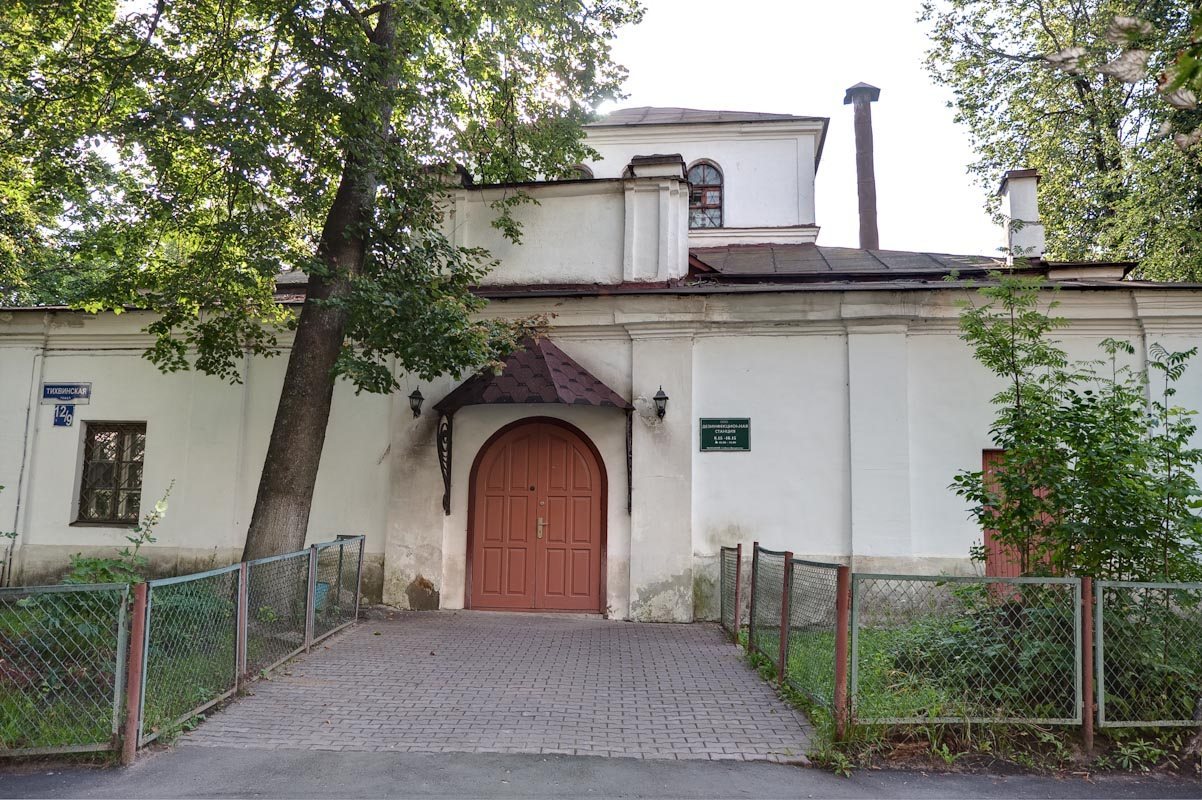
In the 1930s, the building was converted into a hospital morgue and laundry. After the war, extensive rebuilding took place, and a municipal public-health and disease-control station occupied it. The station left in December 2012, and the building was transferred to the Novgorod Diocese. Restoration and reconstruction work is under way. A Divine Liturgy is held there each Saturday, and the church’s feast day is 9 August.
Remains
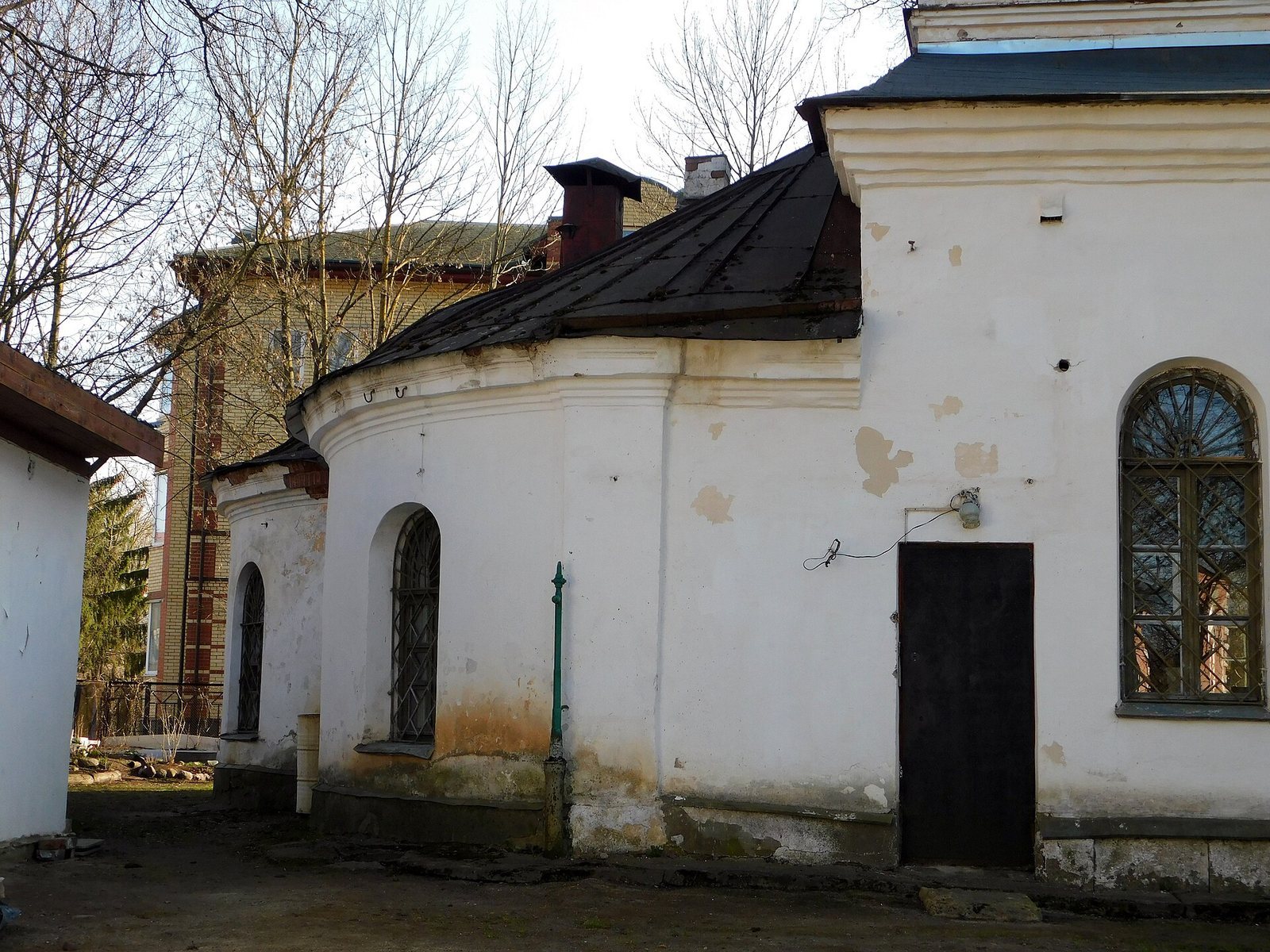
The church began as a stone building in Novgorod’s historic Nerevsky End, on the Sofia side, the part of the city associated with St Sophia Cathedral. The Church of the Tikhvin Icon of the Mother of God is 100 metres to its south. By the mid-nineteenth century, only part of the 1554 structure remained, including the section containing the place where Kochanov’s bodily remains, venerated as relics, rested.
The church’s furnishings and additions included a gilded iconostasis, the screen of icons separating the sanctuary from the main worship space, a refectory or communal dining hall, and a side chapel dedicated to Saint Dmitry of Rostov. During the 1829 renewal, the church was covered with sheet iron and paved with Putilov limestone slabs.