Nihon-ji Temple: A Nara-Period Buddhist Temple on Mount Nokogiri


Site at a Glance
- Rating
- 4.2
- Popularity
- Medium
- Country
- Japan
- Primary era
- Early Modern
- External website
- Open
- Eras represented
- Early Modern, Modern
- Civilizations
- Tokugawa
- Site type
- Religious
- Remains
- Monastery
On this page16 sections
History
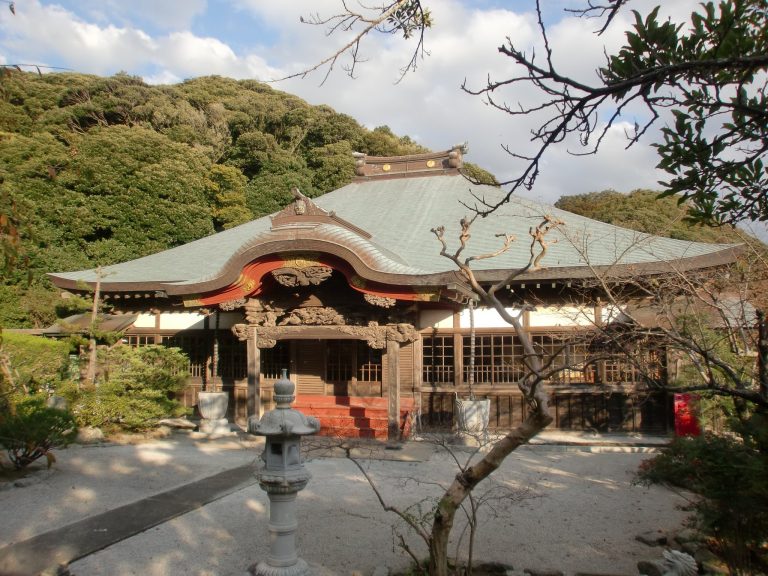
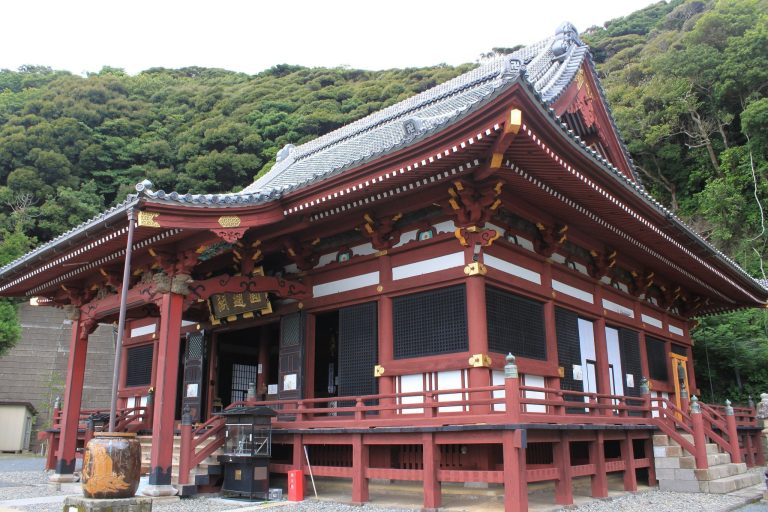
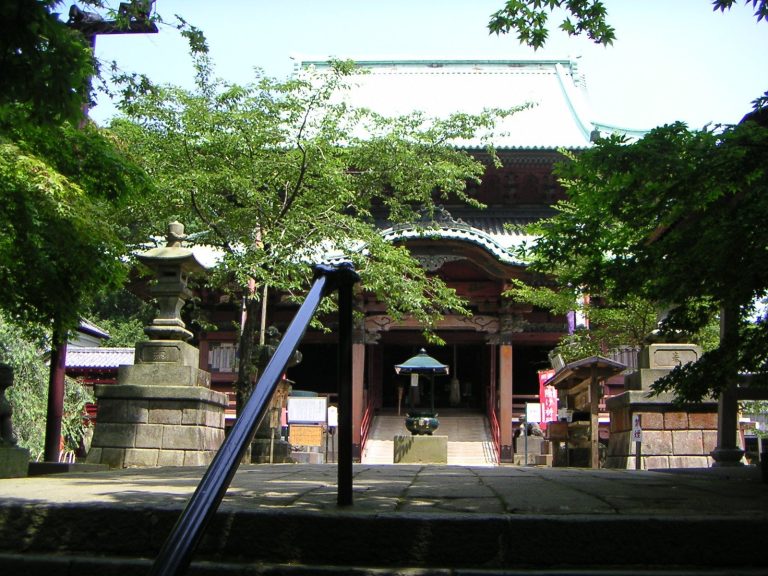
Nihon-ji Temple is a Buddhist temple in Japan, situated on Mount Nokogiri in Kyonan, Chiba Prefecture. Traditionally founded in 725 during the Nara period by the priest Gyoki on the imperial order of Emperor Shomu, it is regarded as the only Nara-period imperial prayer temple in the Kanto region. The temple is currently affiliated with Soto Zen, a Buddhist tradition that emphasizes disciplined meditation and ascetic practice.
Early foundation and Buddhist affiliations
Nihon-ji was originally connected with the Hosso school of Buddhism. At its height, the complex contained seven major halls, twelve subsidiary halls, and quarters for 100 monks. Tradition associates the temple with visits by Roben, Kukai, and Ennin. Roben was a prominent Kegon monk traditionally regarded as the founder of Todaiji in Nara, while Kukai founded the Shingon, or “True Word,” school. Ennin was a Tendai monk and teacher active in the ninth century.
In 857, during or in connection with Ennin’s residence at Nihon-ji, the temple was transferred to the Tendai school. It later passed through a period of Shingon affiliation before becoming a Soto Zen temple in 1647, during the rule of Tokugawa Iemitsu, the third Tokugawa shogun. Nihon-ji then developed as a center of ascetic Zen practice under the control of Enmei-ji in present-day Minamiboso.
Medieval rebuilding and political connections
In 1271, control of the surrounding area passed to the Nikaido clan, whose history referred to the temple as Awa no Kuni Nihon-ji. The temple also held a vermilion-seal licence issued by the shogunate, a formal certificate granting official recognition or privileges under the military government.
Minamoto no Yoritomo, the founder of Japan’s Kamakura shogunate, was associated with the rebuilding of Nihon-ji. In 1181, he ordered a Jizo statue for the lecture hall. The temple was burned during a local conflict in 1331. Ashikaga Takauji, founder and first shogun of the Ashikaga shogunate, subsequently rebuilt it, including a new main hall completed in 1345.
Decline and eighteenth-century revival
Nihon-ji declined again during the Sengoku period, a prolonged era of political conflict among competing regional powers in Japan. During the Tensho era of the Momoyama period, the late sixteenth-century era associated with the consolidation of political power before the Tokugawa shogunate, the temple came under the protection of the Satomi clan of Awa Province. It also became a subordinate temple of Awa Seizen-in.
In 1774, Guden, Nihon-ji’s ninth abbot, began a large-scale revival. He moved the main hall and many other structures to the southern side of Mount Nokogiri, reshaping the mountain as a sacred temple landscape. The revival also led to the creation of the Rakan stone sculptures, Buddhist images representing disciples who have attained spiritual liberation.
Destruction, restoration, and modern connections
The anti-Buddhist movement known as haibutsu kishaku, associated with the separation of Buddhism and Shinto after the Meiji Restoration, brought extensive destruction to Nihon-ji between 1868 and approximately 1874. Many temple buildings were destroyed, and numerous Rakan statues were beheaded. Restoration of the complex began in 1916.
An earthquake in November 1939 caused further damage. A subsequent fire destroyed the principal hall, statues, and treasured Buddhist articles, leaving only a small number of halls, including a temporary main hall, from the historic complex. Reconstruction of the temple buildings was completed in 2007, including the rebuilding of the Bhaisajyaguru Hall, another name for the Medicine Buddha Hall. In 2009, the original main hall was demolished, and construction of a new main hall and surrounding facilities began.
Nihon-ji’s modern history also includes a Buddhist and diplomatic connection with India. In May 1989, the Indian government presented the temple with a sapling propagated from the sacred Bodhi tree at Bodh Gaya, traditionally associated with the tree beneath which Shakyamuni attained enlightenment. A planting ceremony took place on 24 May with approximately 400 participants, and the sapling was said to be the first such tree sent overseas. India also donated a replica of the Four Lions Capital and First Turning of the Dharma Wheel pillar associated with the country’s national emblem. These were erected beside the Daibutsu Plaza with a memorial monument.
The temple’s principal religious image is identified as Yakushi Rurikō Nyorai, the Buddha of healing and medicine, while Shaka Nyorai, the Japanese Buddhist form of Shakyamuni, is also identified in the temple’s religious information. Nihon-ji’s Bonsho bell is designated an Important Cultural Property of Japan. Mount Nokogiri and its group of Rakan stone statues have prefectural scenic-place status. In May 2015, a stone statue of Prince Shotoku within the precincts was found damaged, with the damage thought to have been caused by a man and woman who had entered the grounds.
Remains
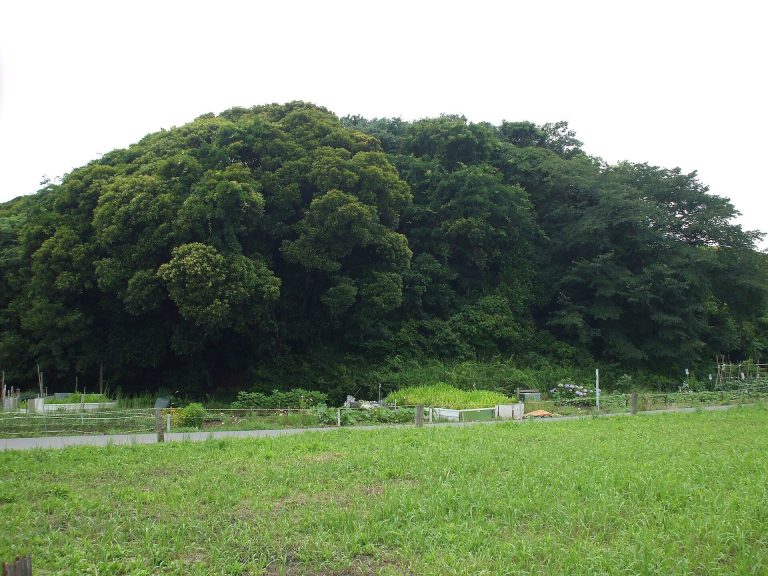
Nihon-ji occupies the southern slope of Mount Nokogiri, where the temple precinct and its stone religious images form a mountain sanctuary. The surviving fabric combines reconstructed buildings with a small number of older or replacement halls. The present landscape reflects both Guden’s eighteenth-century relocation of the complex and the severe losses caused by the nineteenth- and twentieth-century destruction.
Temple buildings and bell
Halls and reconstructed complex
The historic complex was organized around seven major halls, twelve subsidiary halls, and quarters for 100 monks. The lecture hall, or hodo, contained the Jizo statue ordered by Minamoto no Yoritomo in 1181. The temple’s main hall, described as an eaved hall, was destroyed in the 1331 fire, rebuilt by Ashikaga Takauji in 1345, and later moved during Guden’s 1774 revival. The buildings now present include reconstructed structures, the rebuilt Bhaisajyaguru Hall, and a new main hall begun after the original was demolished in 2009.
Bonsho bell
The temple’s Bonsho bell dates to 1321. Its date is associated with an inscription and is identified as 1321 rather than with an erroneous date sometimes assigned to it. The bell is an Important Cultural Property of Japan.
Stone Buddhist images
Nihon-ji Daibutsu
The Nihon-ji Daibutsu is a 31-metre-high stone sculpture made in 1783. It represents Yakushi Nyorai, the Buddha associated with healing, and stands within the temple’s mountain landscape.
Rakan sculptures
During Guden’s revival, the stoneworker Ono Jingoro Eirei and 27 apprentices carved approximately 1,553 Rakan figures between 1779 and 1798, over roughly 21 years. Many of these stone images were later beheaded during the haibutsu kishaku destruction. The surviving group forms part of Mount Nokogiri’s protected scenic landscape.
Kannon statue
The Kannon statue was completed in 1966 and measures 30.3 metres in height. It is one of the major large-scale Buddhist images within the precinct.
Daibutsu Plaza and associated monuments
Bodhi tree and Indian monuments
The Bodhi-tree sapling presented by the Indian government in 1989 was planted in the Daibutsu Plaza. Beside the plaza stand the donated replica of the Four Lions Capital and First Turning of the Dharma Wheel pillar and its accompanying memorial monument.
Traditional attributions
Several objects and features are traditionally associated with eminent Buddhist figures. A wooden Daikokuten is attributed to Roben, while a stone Daikokuten and a 100-day goma fire-offering ritual are linked with Kukai. The Kongō Rikishi guardians of the Nio Gate are traditionally associated with Ennin.