Newark Castle: A Medieval Noble Residence in Fife

Site at a Glance
- Rating
- 4.2
- Popularity
- Low
- Country
- United Kingdom
- Primary era
- Medieval
- External website
- Open
- Eras represented
- Medieval, Early Modern
- Civilizations
- Kingdom of Scotland
- Site type
- Military
- Remains
- Castle
On this page9 sections
History
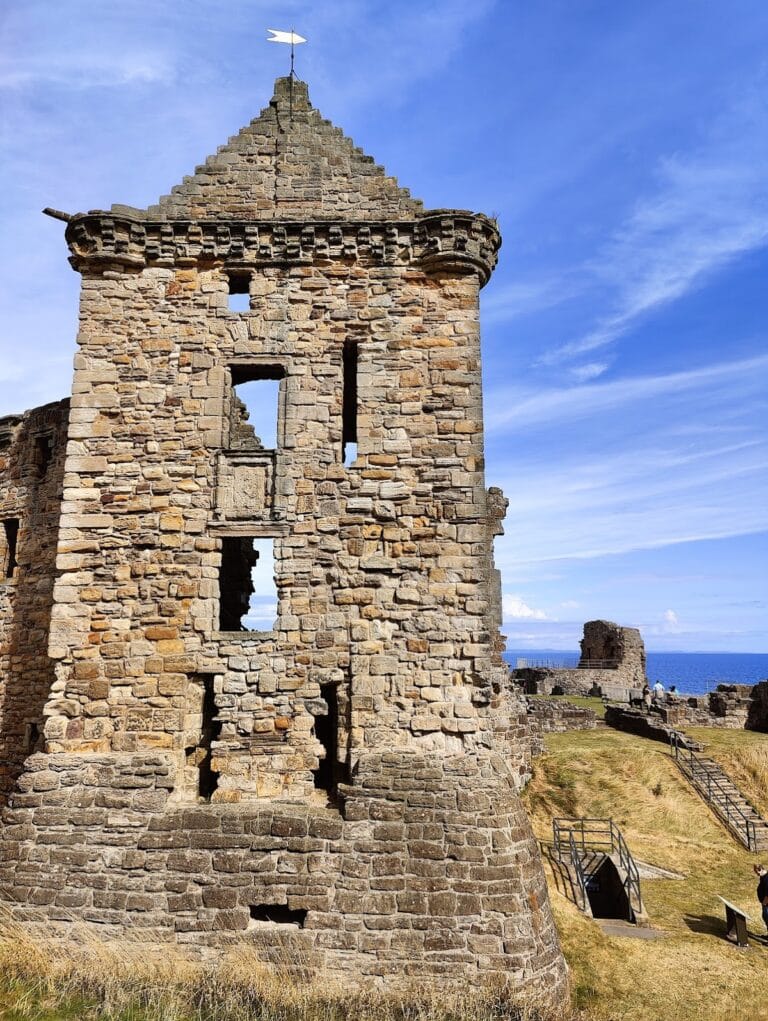
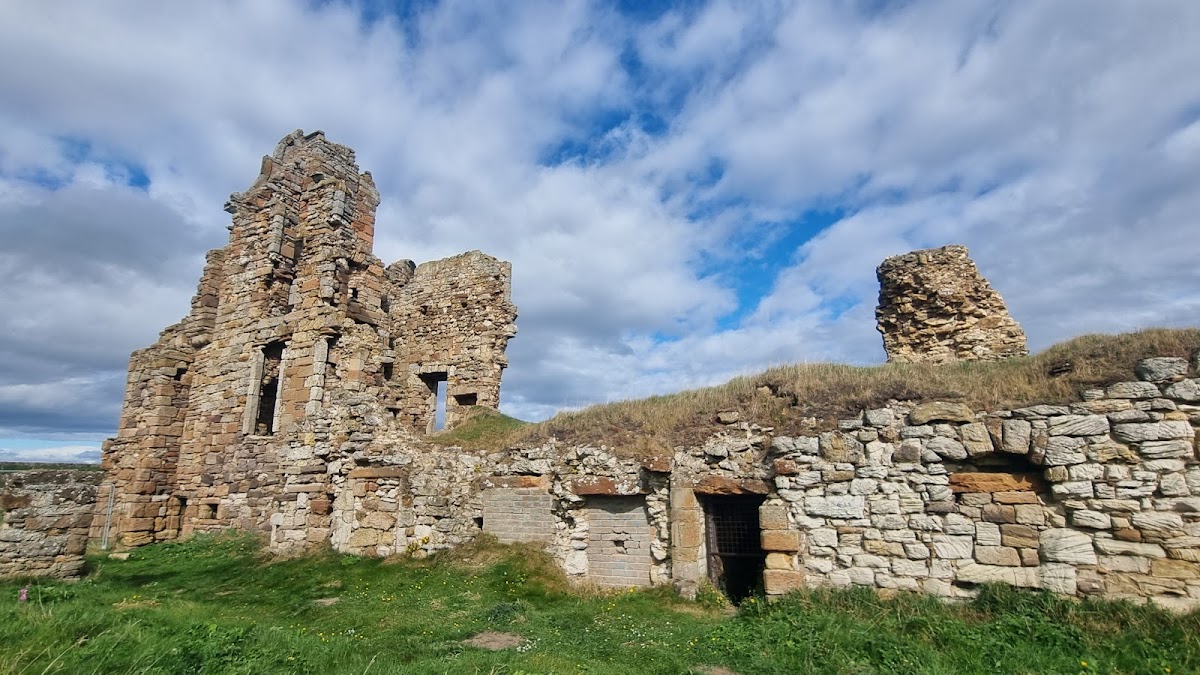
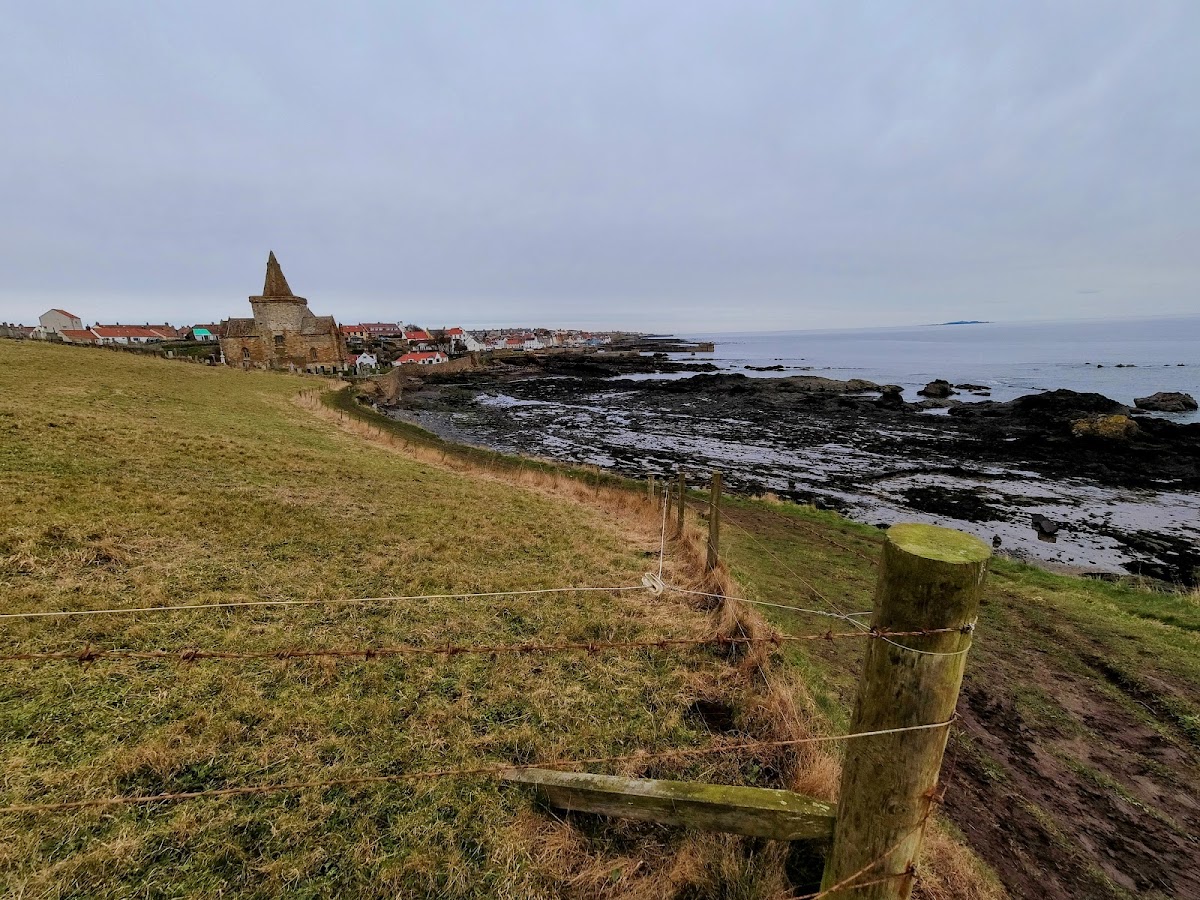
Newark Castle is a ruined medieval noble residence in Scotland, United Kingdom, on the coast of Fife about 1 km west of St Monans. Probably originating in the thirteenth century, it may have sheltered the future King Alexander III during part of his childhood. The present castle was begun in the fifteenth century by the Kinloch family.
Kinloch and Sandilands ownership
The Kinlochs’ property passed through marriage to the Sandilands of Cruivie, who acquired the castle during the fifteenth century. The Sandilands commissioned major alterations in the late sixteenth century. During one phase, the main block was extended northward and a round tower was added at its northeast corner. A later phase created a house above the earlier ground floor, added a stair tower opening onto the courtyard, and altered the cellar rooms.
David Leslie and later owners
David Leslie acquired Newark Castle in 1649. A further phase probably took place in the late seventeenth century, when the house and tower were raised by one storey and a wall divided the courtyard. Leslie was a Scottish military commander who served in the English and Scottish Civil Wars, conflicts fought in the seventeenth century over political authority and religion. He was created Lord Newark in 1661.
After Leslie died in 1682, the castle passed to the Anstruther family and later to the Bairds of Elie. Parts of the building remained inhabited until the nineteenth century. The tower was cut into on the side adjoining the house to provide additional living space, and this alteration contributed to the collapse of its north wall in the early twentieth century. Coastal erosion caused further destruction in the decades that followed.
Restoration and protection
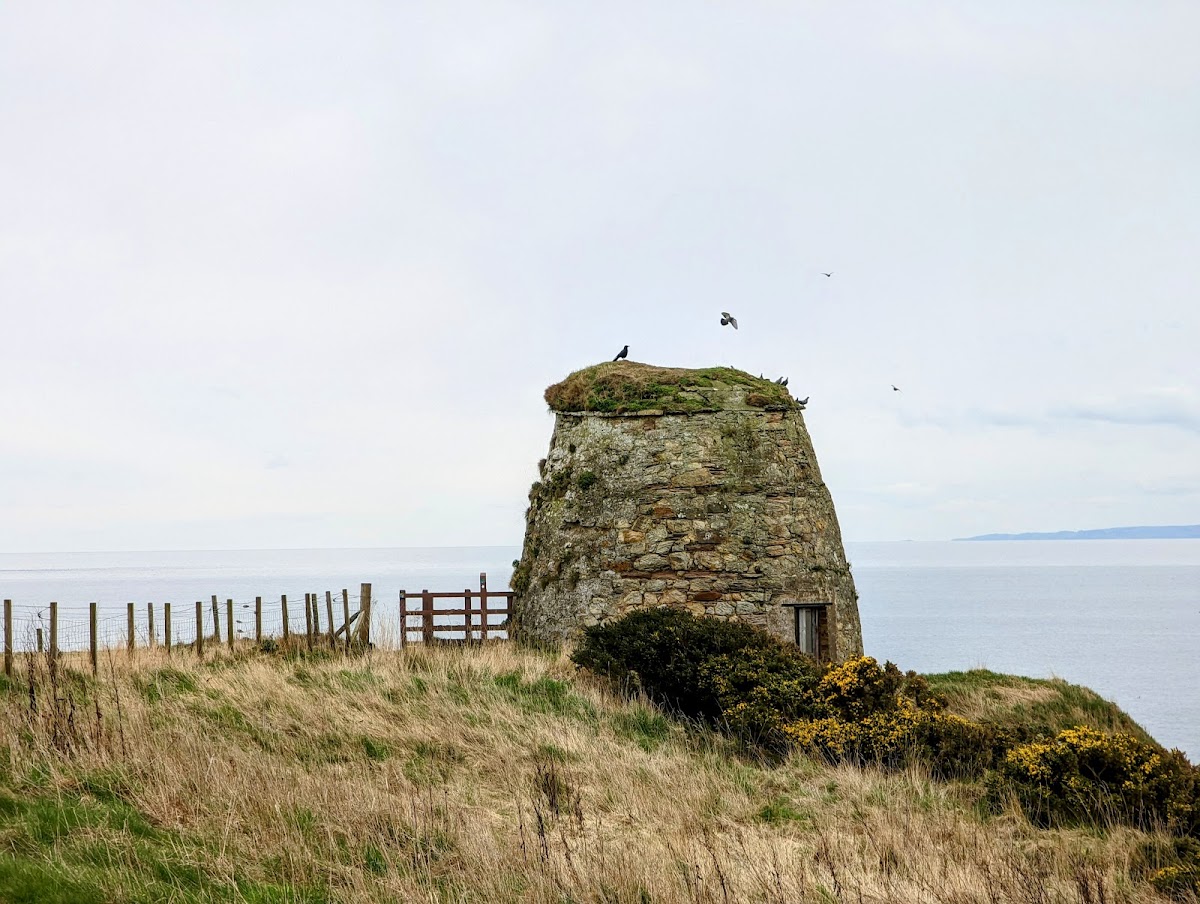
In the late nineteenth century, Glasgow shipping magnate and art collector Sir William Burrell commissioned architect Sir Robert Lorimer to prepare a restoration plan. The work did not proceed because the owner, Mr Baird of Elie, refused to sell the property. Newark Castle and its associated dovecote, a building for domesticated pigeons, are designated together by Historic Environment Scotland as a scheduled monument, a site protected by law because of its archaeological or historical importance.
Remains
Newark Castle is a rubble-stone spur castle, meaning a fortification built on a projecting headland, overlooking the North Sea. Its upper storeys are ruinous, while vaulted cellars survive in parts of the building, partly concealed from view. The earliest building phase is represented by sections of a vaulted cellar at the southern end, although this cellar cannot establish the date of that phase.
Main building
Round tower
The round tower stood at the northeast corner of the extended main block. It had five storeys above a basement, measured 7.5 m in diameter, and had walls up to 2.2 m thick. The walls became thinner toward the top. Circular openings in the east and west basement walls led into a ditch that was later filled, while other openings in the tower walls were altered repeatedly during successive rebuilding phases.
Kitchen and great hall
A kitchen was inserted into the northern part of the eastern ground floor. It had a large open fireplace and a floor formed from exposed bedrock. The first-floor great hall lay directly above it and measured 6.2 m from north to south by 5 m from east to west. Two open fireplaces served the hall, one positioned above the kitchen fireplace and a much smaller one set in the south wall.
Courtyard and dovecote
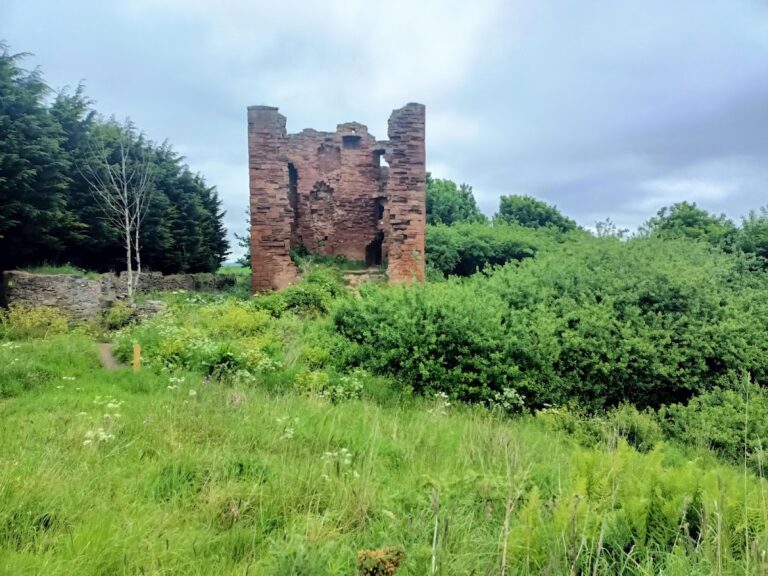
A courtyard extended south and west of the main building and was enclosed by a curtain wall, a defensive perimeter wall connecting parts of a castle. The courtyard was later split by an internal wall during the late-seventeenth-century alterations. The associated dovecote forms part of the Newark Castle monument complex.