Macduff’s Castle: A Medieval Fortified Residence in Fife


Site at a Glance
- Rating
- 4.2
- Popularity
- Low
- Country
- United Kingdom
- Primary era
- Medieval
- External website
- Open
- Eras represented
- Medieval, Early Modern
- Civilizations
- Kingdom of Scotland
- Site type
- Military
- Remains
- Castle
On this page11 sections
History
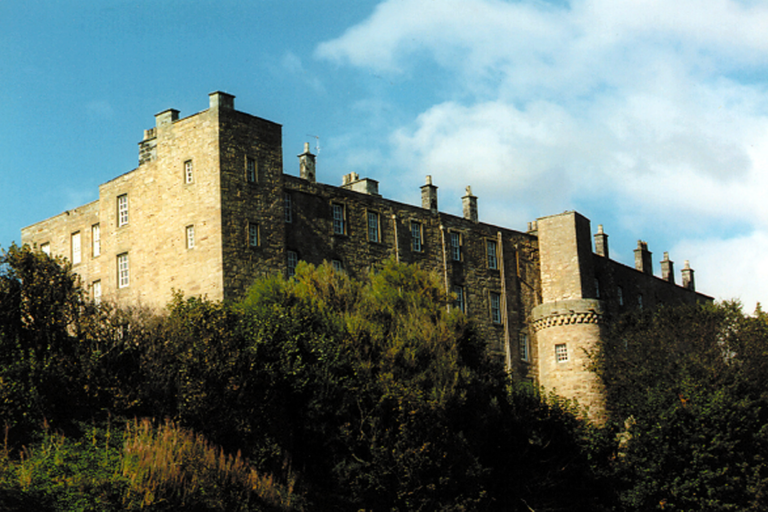
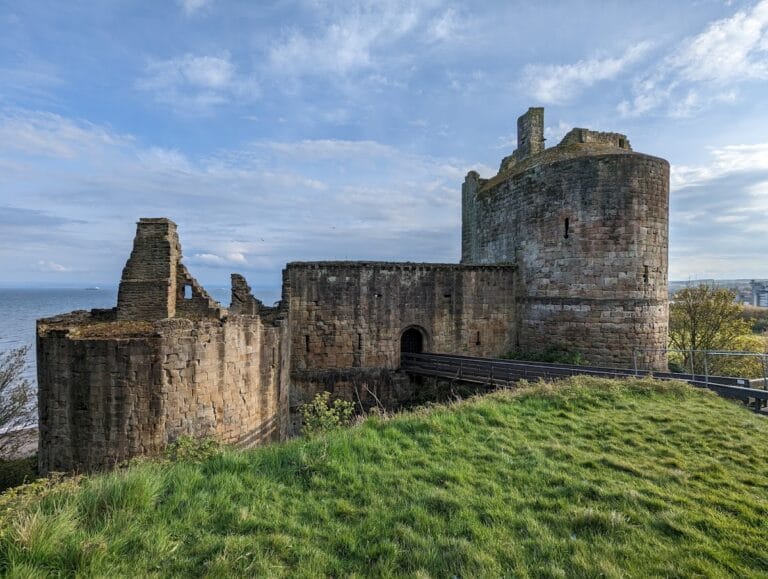
Macduff’s Castle is a ruined castle near East Wemyss in Scotland, United Kingdom. It is associated with the MacDuff Earls of Fife, the most powerful family in medieval Fife, while the earliest surviving parts of the present castle date from the fourteenth century.
MacDuff and Wemyss origins
A castle may have been established here by the MacDuff mormaers of Fife during the eleventh century, in the reign of King Macbeth of Scotland. A mormaer was a Gaelic title for a major territorial ruler, commonly translated as “earl.” This early foundation remains a possibility rather than a securely dated event.
The Wemyss family, who descended from the MacDuffs, held the property from the fourteenth century and built the earliest part of the present castle. In 1304, Edward I of England visited the site and stayed with Sir Michael Wemyss. After the Wemyss family joined Robert the Bruce, the Scottish king who led the successful struggle against English rule in the early fourteenth century, Edward ordered the castle destroyed.
Later ownership and change
After the Wemyss family moved to nearby Wemyss Castle, the property passed to the Livingstones. The Colvilles acquired it in 1530 and enlarged the complex by adding a second tower to the south-west, together with an enclosed courtyard and gatehouse.
Sir John Wemyss of West Wemyss bought the castle from Lord Colville of Culross in 1637. In 1651, the lands of East Wemyss and West Wemyss were united as a single barony. The eastern tower was demolished by Fife County Council in 1967 after a child was injured in a fall from it. The castle remains part of the Wemyss Estate.
Macduff’s Castle is a Scheduled Monument, a legally protected archaeological or historic site of national importance in Scotland. Its additional Category B listed-building designation was withdrawn in 2018. Local ghostlore associates the ruins with a Grey Lady, said to be Mary Sibbald, who was convicted of theft and died in the castle.
Remains
The castle survives as a partial rubble-stone complex formed around two towers, a connecting gatehouse range, and an enclosed courtyard. The towers belonged to different building phases, with the earlier structure dating from the fourteenth century and the later additions reflecting sixteenth- and seventeenth-century changes to the fortified residence.
Towers and entrance range
Fourteenth-century tower
The earlier tower was four storeys high and was built of rubble stone. It formed the oldest part of the present castle and represents the phase associated with the Wemyss family’s occupation from the fourteenth century.
Sixteenth-century tower
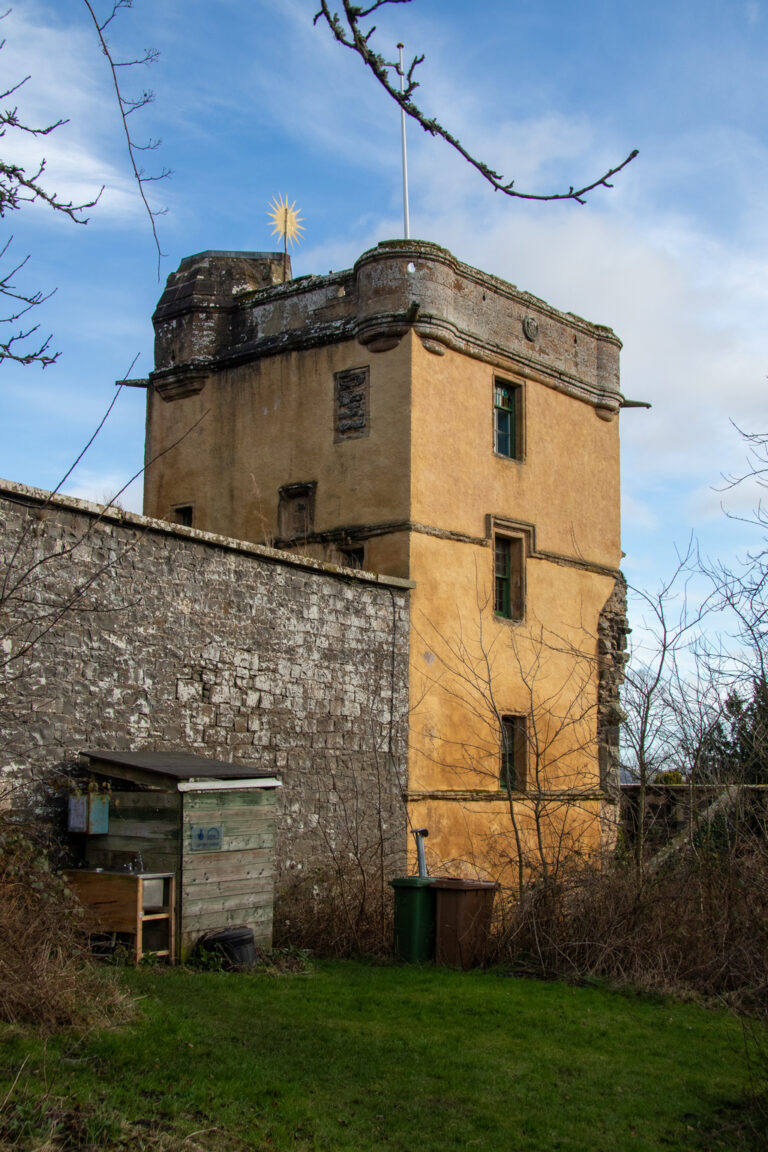
A second tower, five storeys high, was added to the south-west in the sixteenth century under the Colvilles. The eastern tower was demolished in 1967, leaving the surviving complex in a partial rather than complete form.
Gatehouse range
The two towers were linked by a sixteenth-century gatehouse range. A gatehouse is a defended entrance structure, and this range formed the principal connection between the tower buildings and the courtyard.
Courtyard and shore structure
Enclosed courtyard
Walls enclosed the courtyard, including seventeenth-century sections containing gun loops. These narrow openings allowed firearms to be used through the wall. The courtyard and its enclosing walls formed the central open area of the castle complex.
Sixteenth-century dovecote
A sixteenth-century dovecote stood at the edge of the shore south of the castle. Dovecotes were purpose-built structures for keeping domesticated pigeons or doves. Coastal erosion destroyed this building during the 1970s.