Fife Folk Museum: A Museum of Rural Life in Ceres
Site at a Glance
- Popularity
- Very Low
- Country
- United Kingdom
- Primary era
- Early Modern
- Eras represented
- Early Modern
- Civilizations
- Kingdom of Scotland
- Site type
- Civic
- Remains
- Town Hall
On this page4 sections
History
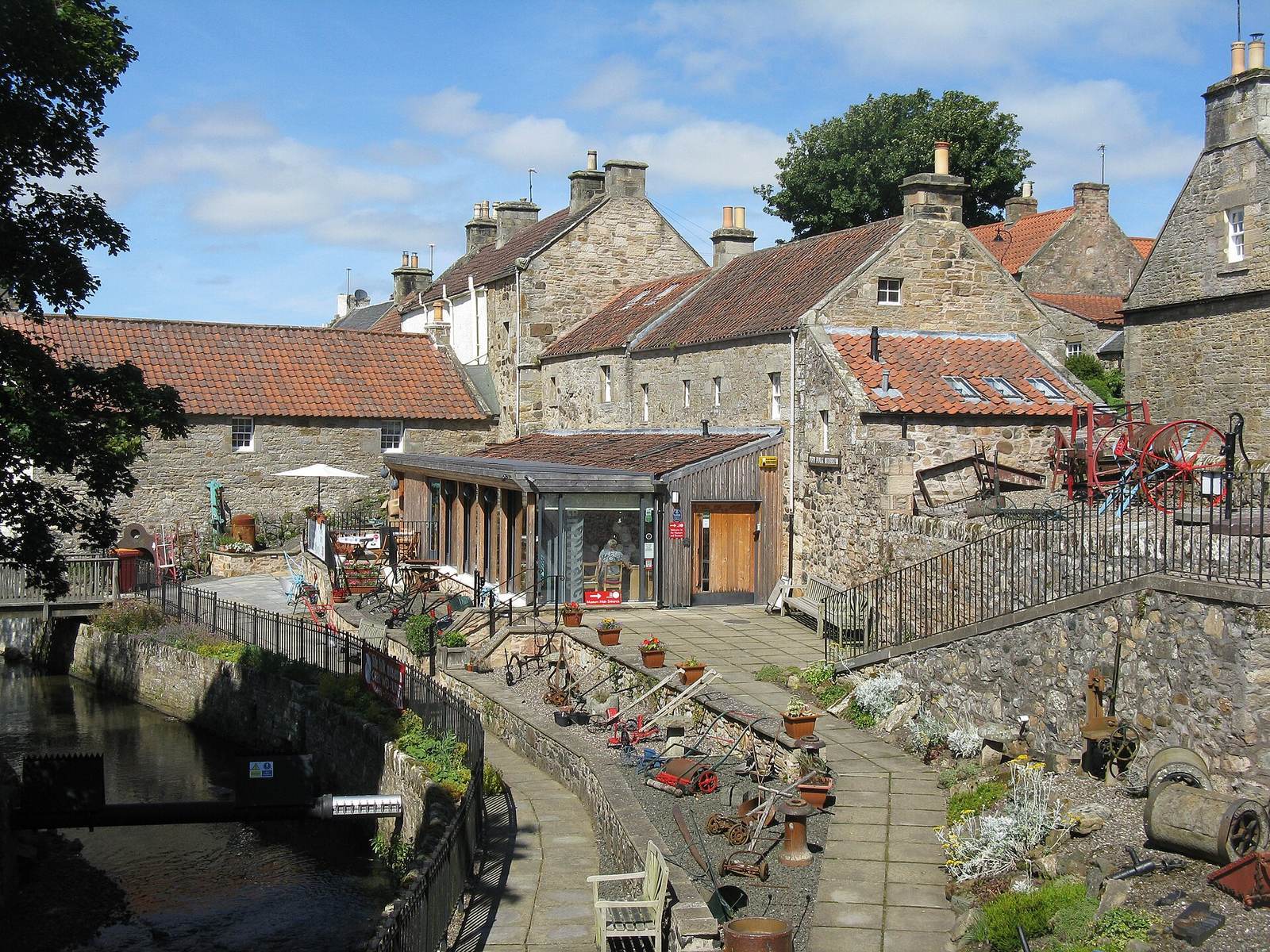
Fife Folk Museum is a museum of rural life in central Ceres, Scotland, United Kingdom, established by 1968 in a group of buildings that includes the former tolbooth, a burgh’s civic and detention building.
The tolbooth’s civic origins
Ceres became a burgh of barony in 1620. This was a Scottish burgh established under a landholder’s authority, with local privileges that could include holding a market. The new status created a need for a tolbooth, which was built in 1673.
From civic building to folk museum
By the 1960s, the tolbooth was no longer in use and served as a potato store. In 1964 it passed to the North Fife Preservation Society, which restored the building with support from the National Trust for Scotland and acquired adjoining houses around the same time. The museum was established there by 1968.
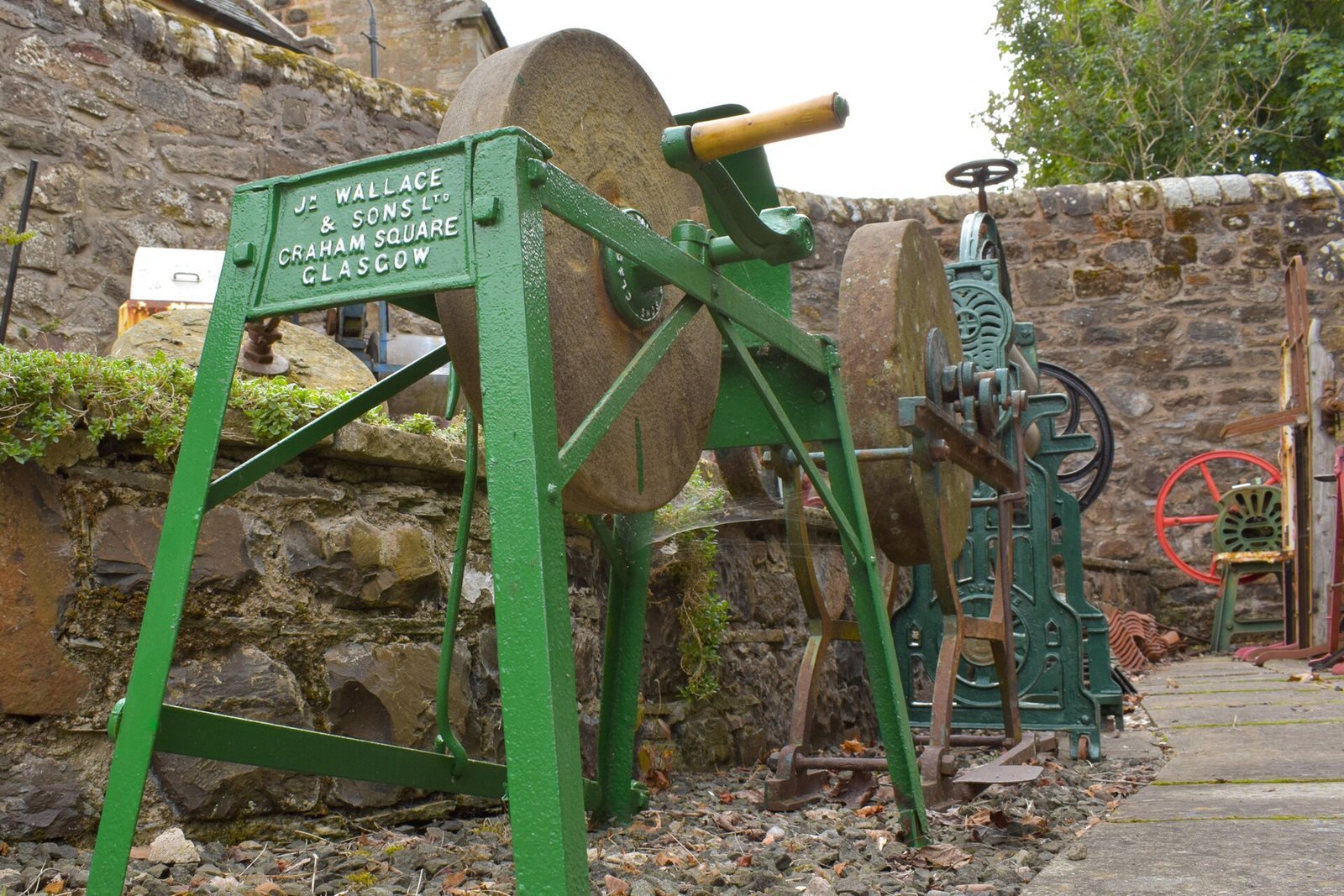
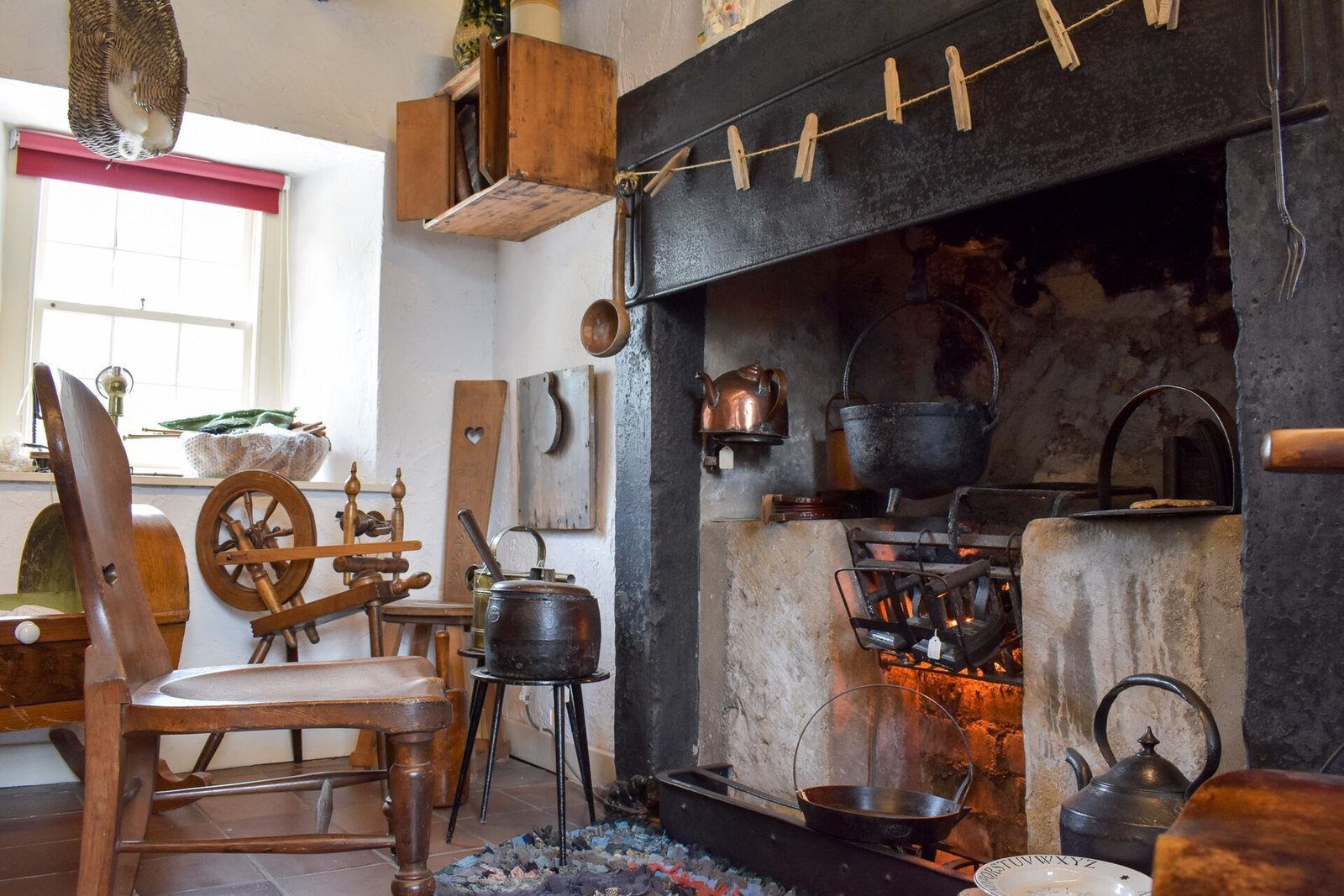
Further surrounding properties were acquired over the following decades as the museum expanded. Its buildings underwent extensive restoration in 2003–04. The museum commemorates rural life and presents the craft and trade history of Ceres and its countryside, including stone masonry, blacksmithing, wheelwrighting, shoemaking, thatching, tinsmithing, baking, and weaving. In 1972, the complex was designated a Category A listed building, Scotland’s highest grade of protection for buildings considered of special architectural or historic interest at a national or international level.
Remains
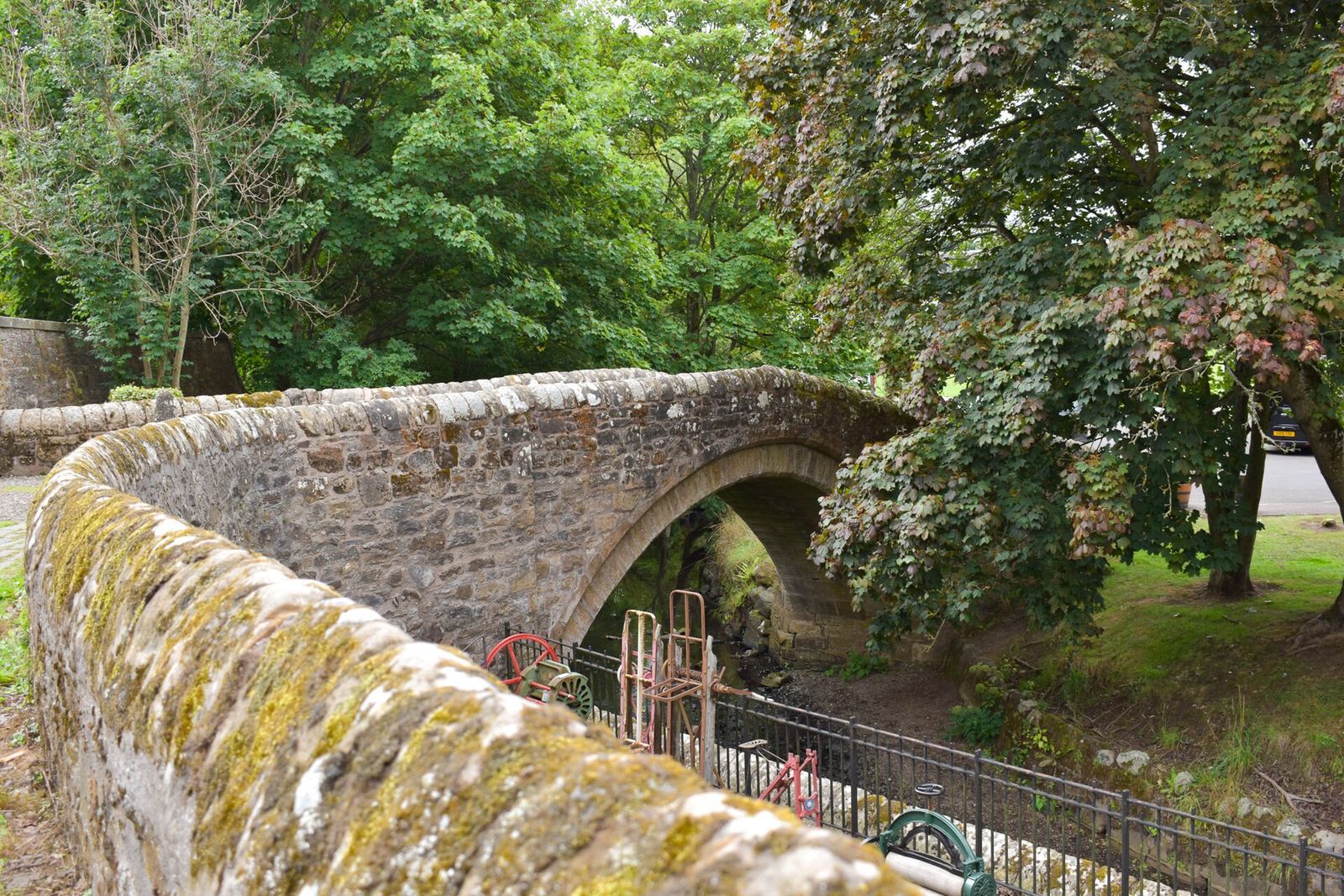
The museum occupies a group of buildings in central Ceres, near Bishop Bridge and a former Masonic temple. The group includes the former tolbooth, which contained a prison cell and a weigh-house. On market days, grain was weighed there using a tron, a public device for weighing goods. The village jougs, iron collars used as a form of public punishment, remain attached to the building.