Nebi Akasha Mosque: A Jerusalem Mosque and Tomb-Shrine
Site at a Glance
- Popularity
- Medium
- Country
- Israel
- Primary era
- Modern
- Eras represented
- Medieval, Modern
- Civilizations
- Mamluk, Ottoman
- Site type
- Religious
- Remains
- Tomb
On this page8 sections
History
Nebi Akasha Mosque is a Sunni Muslim mosque and tomb-shrine in western Jerusalem, Israel. Its tomb was built in the 12th century for Ukasha ibn al-Mihsan, a companion of Muhammad who settled in Jerusalem after the city’s siege in 637/38. The adjacent mosque is described as Ayyubid in style, referring to the Muslim ruling house founded by Saladin.
Medieval shrine and religious traditions
Islamic tradition holds that soldiers of Saladin, a Muslim ruler, were buried at the site, which became known as the Tomb of the Martyrs. The Mamluks, a later military ruling dynasty, added to the tomb in the 13th century. Another tradition places Moses, Jesus, and Muhammad at the site. It prompted British High Commissioner John Chancellor to give a nearby street the name Street of the Prophets.
Jewish groups have also identified the tomb as the burial place of Benjamin, son of Jacob, and have performed religious rites there. This identification draws on Sefer haYashar, a medieval Jewish work, whose description could refer to several places around Jerusalem. The tomb structure was built many centuries after Benjamin’s alleged burial, and other Jewish traditions locate his tomb elsewhere, including near Kfar Saba. Another tradition calls the site the pitcha dekarta, or city entrance, where the Messiah, a future redeemer in Jewish belief, is said to sit and from which prayers rise to heaven. The tradition is linked to students of the Vilna Gaon, although he identified the city as Rome rather than Jerusalem.
Nineteenth-century religious use and neighborhood growth
For about 70 years during the 19th century, students of the Vilna Gaon rented the hill from its Arab owners and met there to study and pray on Friday nights. They gathered in a tent, joined by local Ashkenazi and Sephardi Kabbalists, Jewish scholars of mysticism.
A mosque was built beside the tomb during the 19th century, and the tomb was rebuilt in 1863/64. An almost entirely Jewish neighborhood called Ukasha developed around it and appeared under that name in Ottoman census lists. Nearby housing estates included Sha’arey Moshe, also known as the Wittenberg Houses or the Waytenberk neighborhood, founded in 1885; Even Yehoshua, founded in 1891; and Kolel Varsha, listed in the census as the Rabi Daud neighborhood, founded in 1897.
Damage and later use
On 26 August 1929, Jewish attackers severely damaged the mosque and desecrated the tombs. The mosque was abandoned after the Palestinian Arab exodus from western Jerusalem during the 1948 Arab-Israeli War. In December 2011, right-wing extremists defaced the building with graffiti and tried to set it on fire. It is now inactive and used by the Jerusalem Municipality for storage.
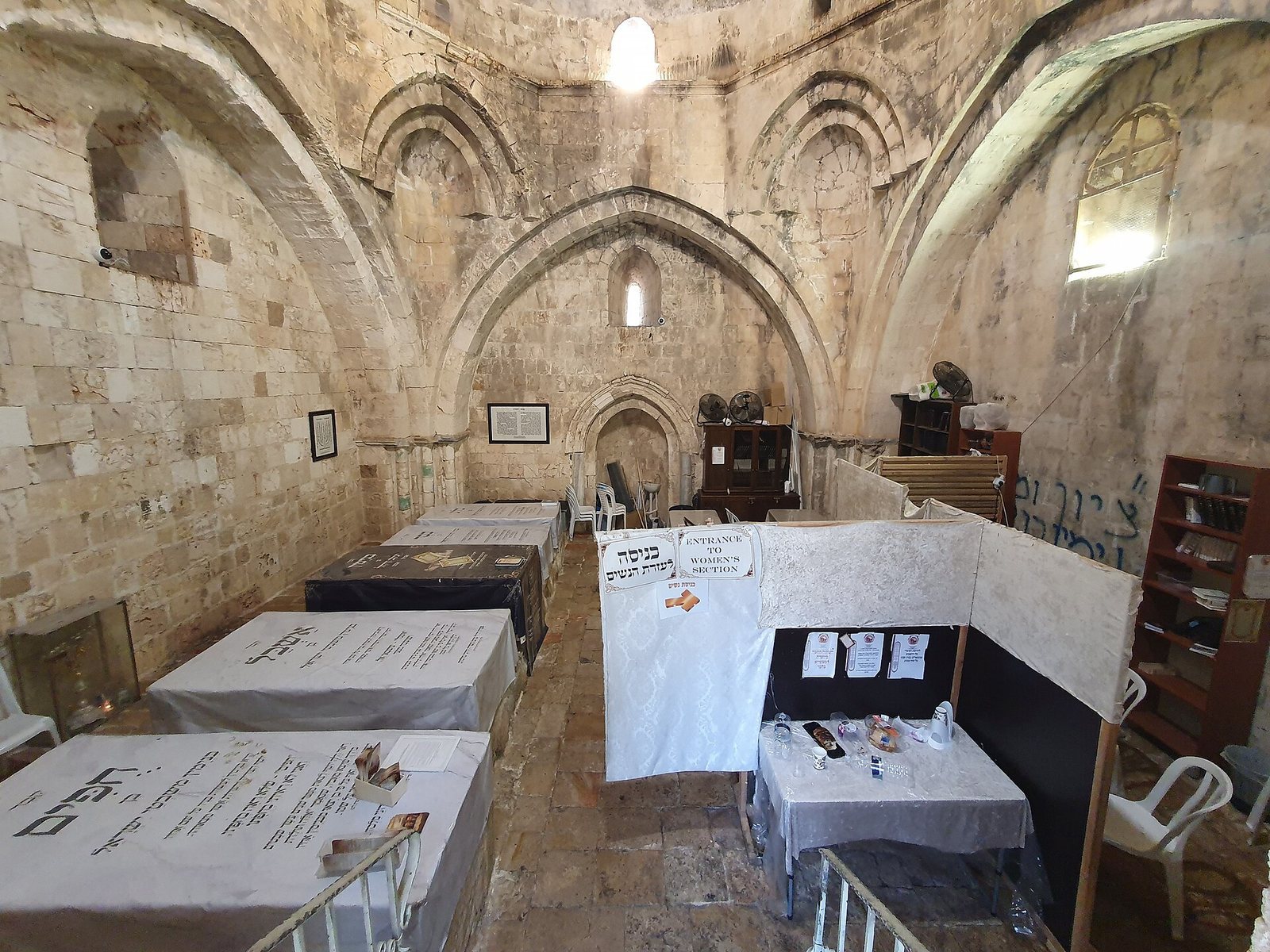
After the 2024 Gaza war, right-wing groups unable to reach Rachel’s Tomb in Bethlehem entered the site and performed religious rites, claiming it as Benjamin’s burial place. The site has consequently also been presented as a Jewish shrine.
Remains
Mosque and tomb complex
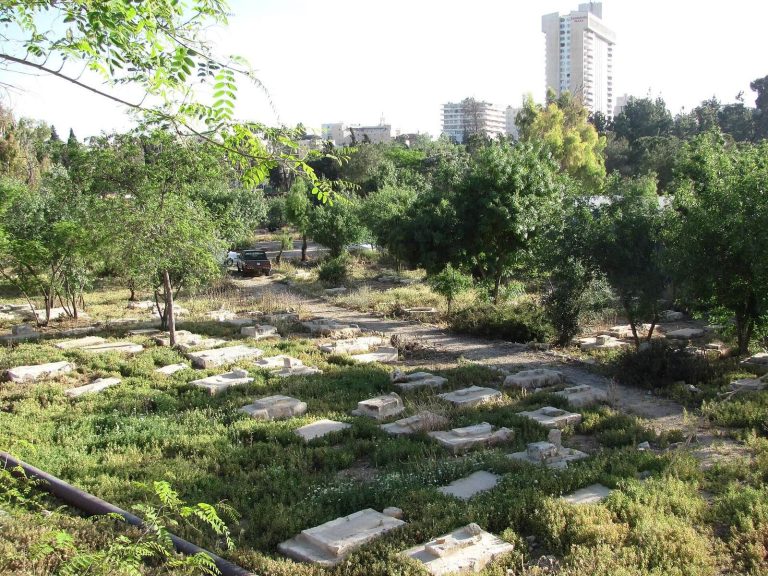
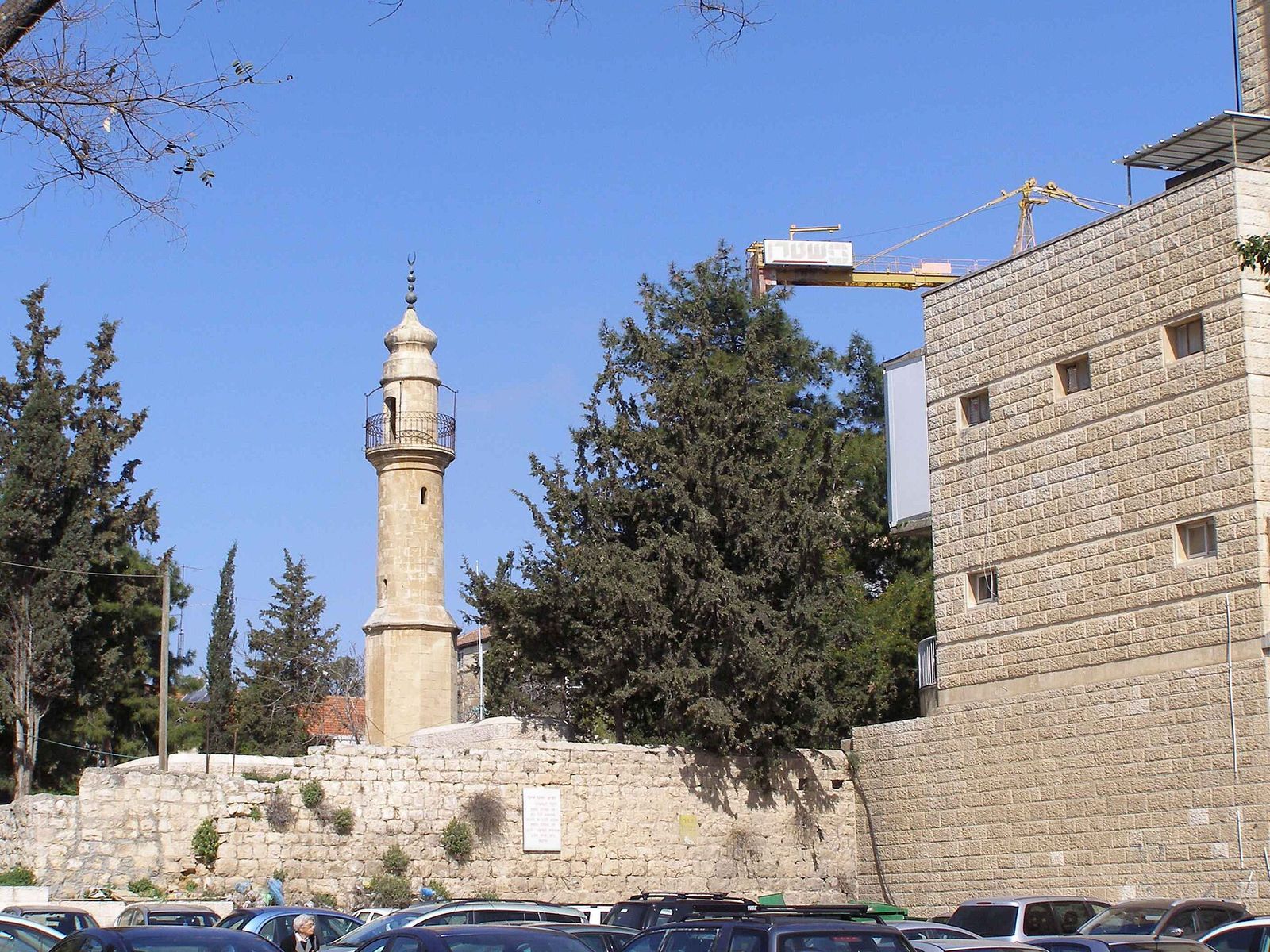
The complex consists of a mosque beside a tomb-shrine. It stands in a park in an ultra-Orthodox Jewish neighborhood, near the junction of Straus Street and the Street of the Prophets in western Jerusalem.
Mosque
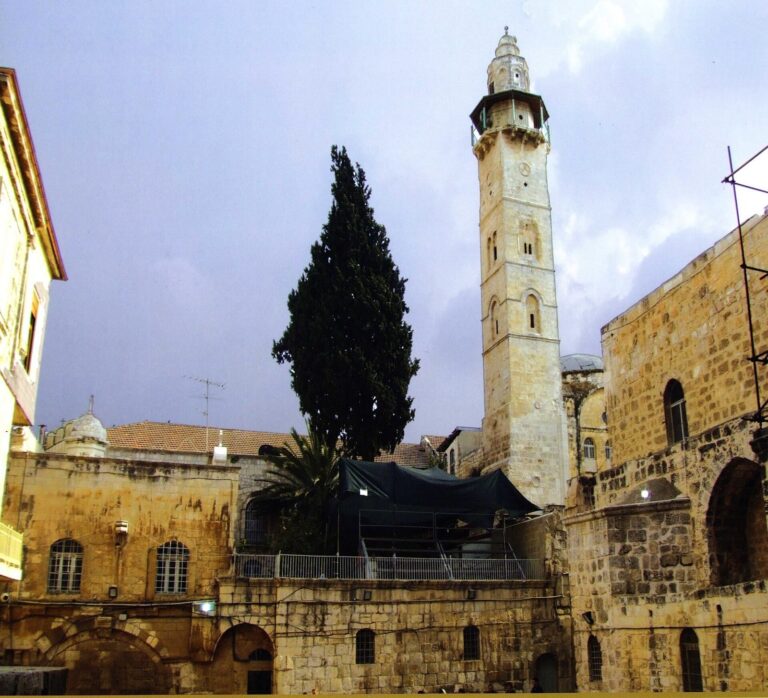
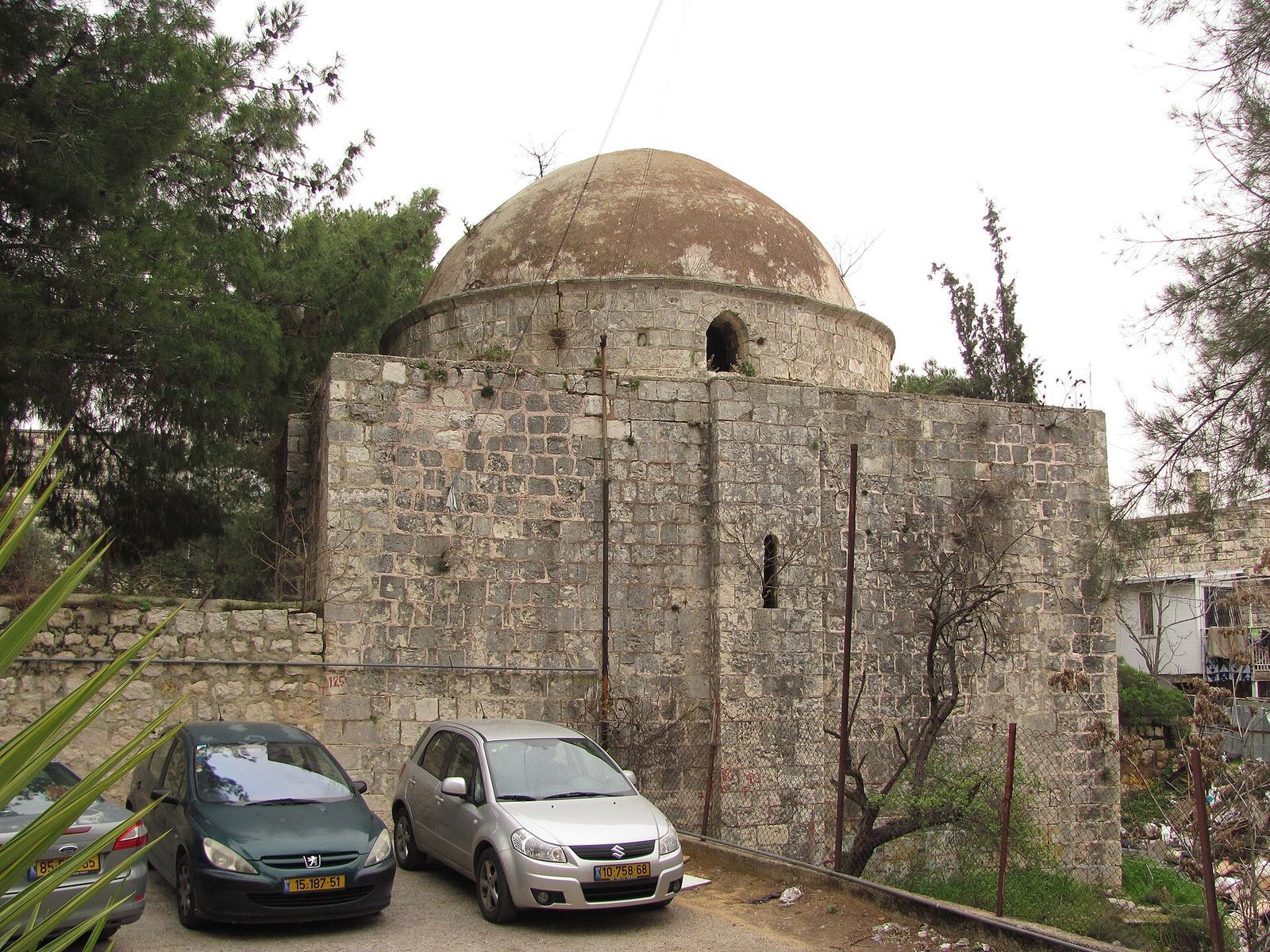
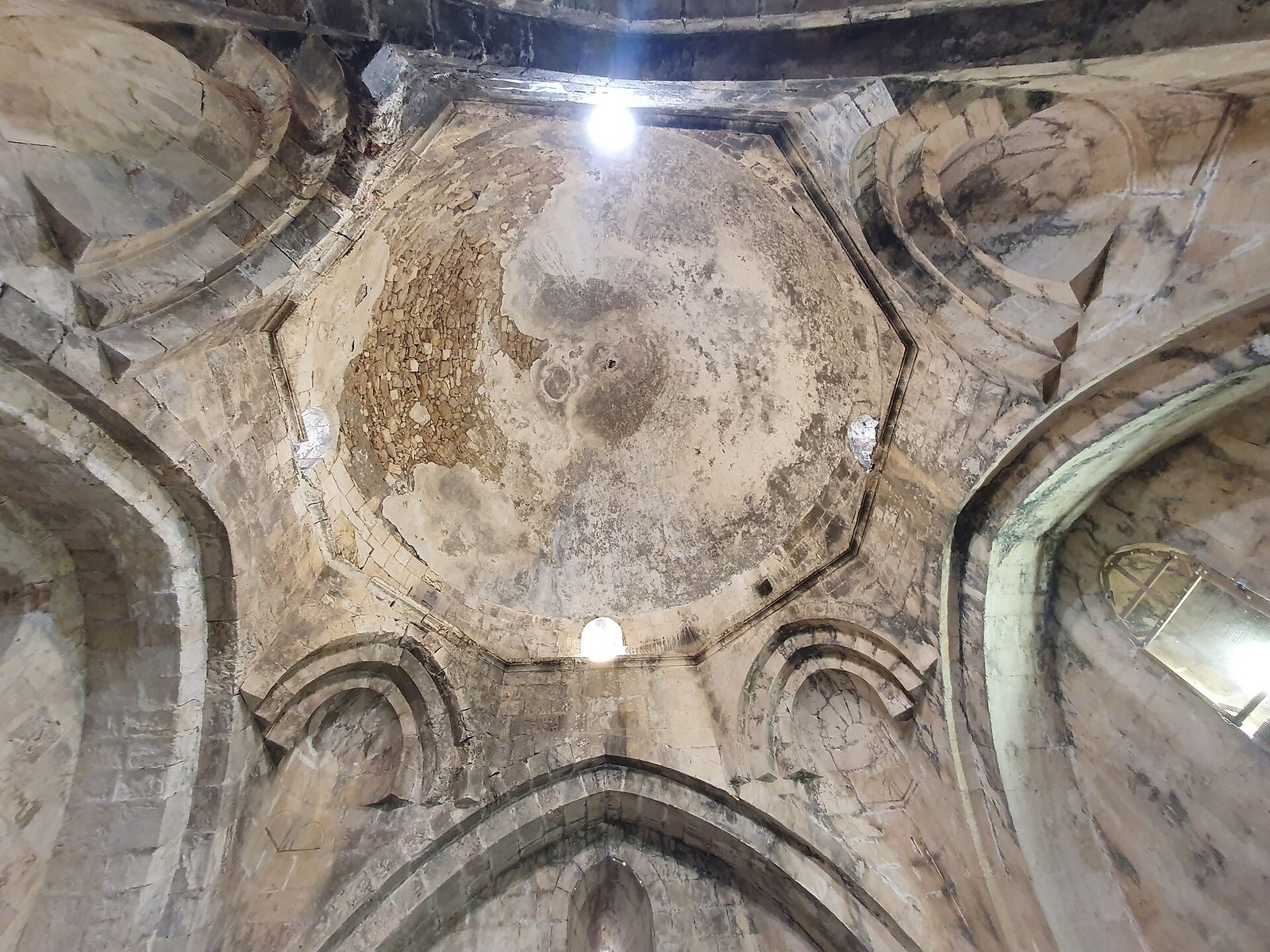
The mosque has one minaret and is described as Ayyubid in style. Its dome is considered a rare form of Islamic dome in Palestine and is noted for its distinctive design and archaeological value. The dome has also been described as neglected. Furniture, religious books, and Hanukkah menorahs have been brought into the building, and Hebrew writing has been placed on its walls.
Tomb-shrine and graves
The tomb bears an Arabic inscription identifying it as the shrine of Akasha, companion of the Messenger of Allah, and affirming the oneness of God. Some Islamic graves at the site were later broken, and settlers restored one of them. By 2025, a Hebrew sign on the tomb identified it as Benjamin’s burial place.