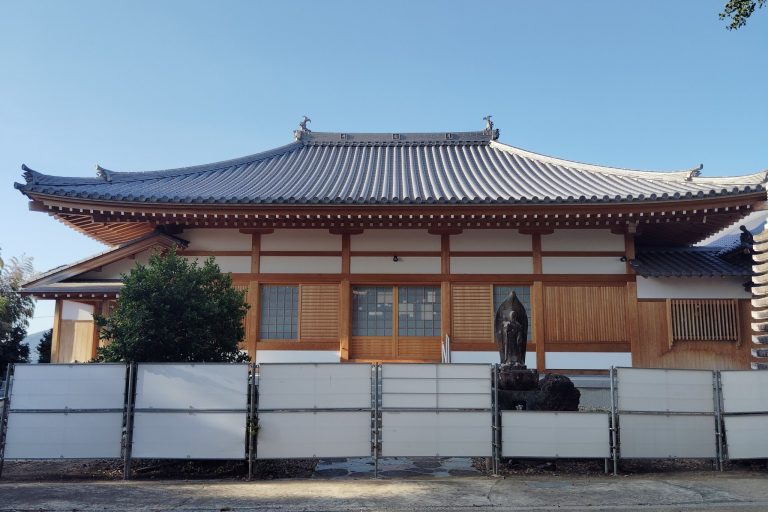
Nagatsuka Kofun: A Late-Fourth-Century Keyhole-Shaped Burial Mound in Japan
Site at a Glance
- Rating
- 3.8
- Popularity
- Very Low
- Country
- Japan
- Primary era
- Classical
- Eras represented
- Classical
- Civilizations
- Yamato
- Site type
- Burial
- Remains
- Burial Mound
On this page8 sections
History
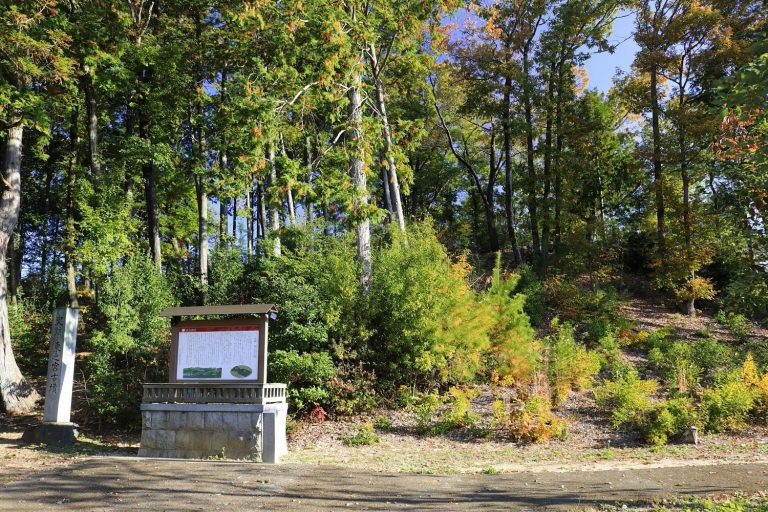
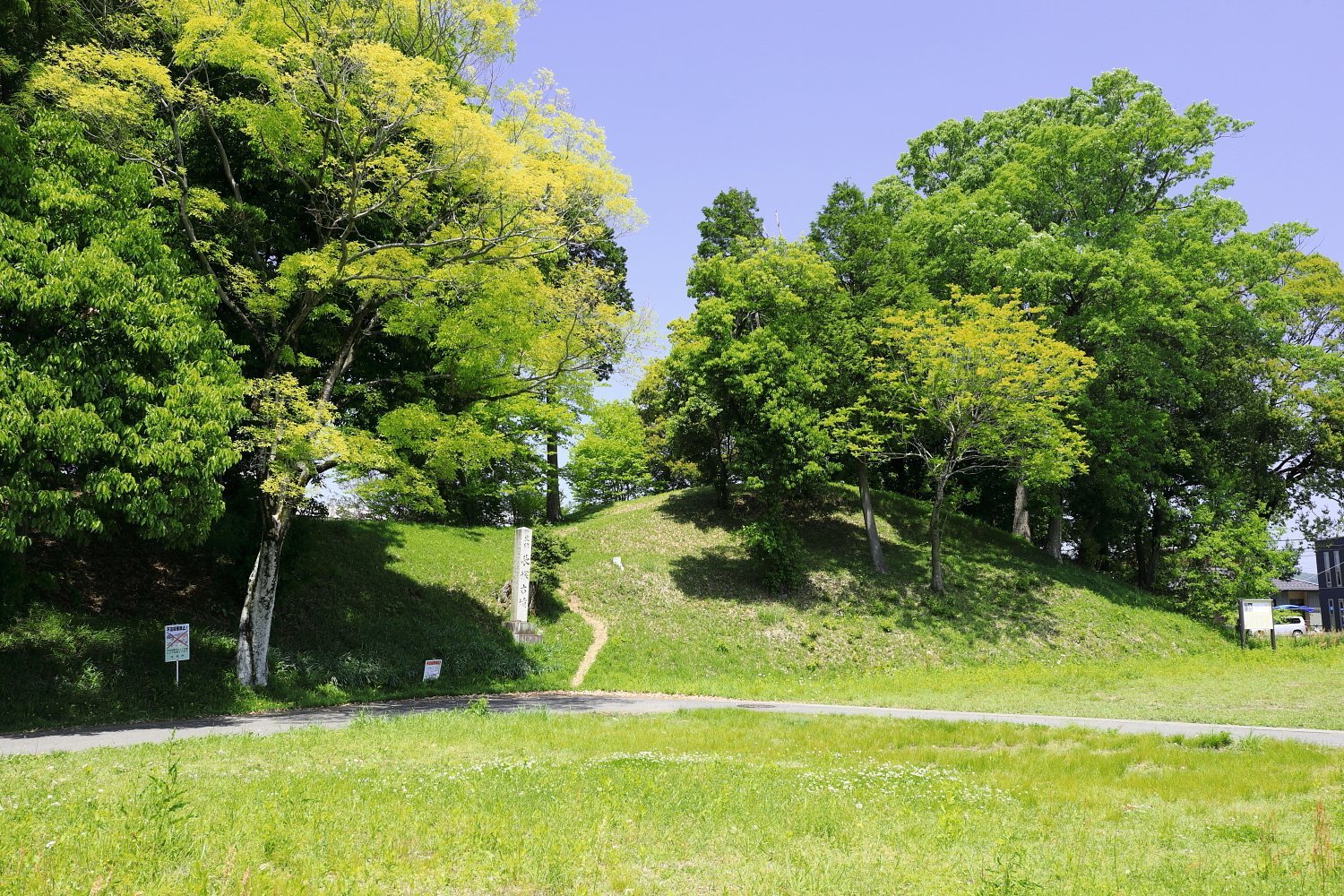
Nagatsuka Kofun is a late-fourth-century burial mound in Kani, Gifu Prefecture, Japan, built during the Kofun period, an era of monumental burial construction that lasted from approximately the third to the sixth centuries. It is a representative keyhole-shaped tomb of the eastern Mino region and belongs to the Maenami Kofun Group. Along with Nishiderayama Kofun and another nearby mound, it forms the group known as Maenami’s Three Mounds.
Formation of the Maenami Kofun Group
Nagatsuka Kofun was constructed after Nishiderayama Kofun and another earlier mound in the area. Its form and position within the group indicate that it served as a chiefly tomb. The mound stands on the southern edge of a middle river terrace between the Kiso River and the Kanogawa River, at an elevation of approximately 100 meters.
Investigation and protection
The site appeared on a cadastral map prepared before 1889. Nagoya University surveyed it in 1960, followed by an investigation by the Kani City Board of Education in 1986. Excavations associated with improvement work at the historic site took place from 1995 to 1997, with a further test excavation on the southern side in 2004. These investigations clarified the mound’s overall plan and its burial facilities.
Nagatsuka Kofun became a National Historic Site of Japan on May 15, 1956, and the protected area was extended on August 27, 2003. Finds from the burial facilities are displayed at the Kani Local History Museum.
Remains
Mound and surrounding moat
Nagatsuka Kofun is a two-tiered keyhole-shaped mound, combining a circular rear section with a rectangular front section when viewed from above. The front points westward. The mound was formed mainly by adding earth, while the ground around its base was cut into and incorporated into the construction. It measures approximately 72 meters in length, making it the largest kofun in Kani.
The rear circular section is 38.4 meters in diameter and 6.9 meters high. The narrowed middle section measures 18.5 meters across, while the west-facing front section is approximately 35.8 meters long, 28.5 meters wide, and 4.7 meters high. A shallow, shield-shaped moat surrounded the mound, extending the site to approximately 120 meters from east to west and 56 meters from north to south.
Burial facilities
Rear clay-coated coffin enclosure
The rear section contains a central clay-coated coffin enclosure, a burial facility in which the coffin area was enclosed or coated with clay. Its paddle-shaped burial pit runs parallel to the mound’s central axis. The pit is approximately 7.4 meters long and up to 2.0 meters wide, and opens toward the front section. A drainage channel was placed at the base of the opening.
The passage leading to the rear facility probably served both as a construction route and as a route associated with the clay-coated coffin enclosure. After the burial, it was blocked with stones and filled in, while a sloping route was built toward the top of the rear section. The enclosure has not been investigated internally. Numerous marks made by pounding the clay with a wooden mallet survive on its surface, and nearby postholes indicate associated construction activity. Pottery from the burial pit belongs to the late stage of the Hazama III type through the early stage of the Matsukawado I type. This pottery is Haji ware, an unglazed earthenware produced in ancient Japan.
Front wooden coffin
The front section contains a wooden coffin placed directly in a prepared pit, a method known as direct burial. The rectangular pit follows the mound’s central axis and measures approximately 7.2 meters long, 4.8 meters wide, and 1.3 meters deep.
The coffin had a U-shaped cross-section and is interpreted as either a split-bamboo-shaped coffin or a boat-shaped coffin. Its reconstructed dimensions are approximately 4.9 meters long and 0.6 meters wide. Red pigment covered the entire floor. Near the center were one bronze mirror, one stone bracelet, 16 tubular beads, 35 rounded beads, and 578 small beads. The stone bracelet was a ring-shaped burial ornament, while the different bead types formed part of the personal ornaments placed with the deceased.
The excavated grave goods therefore include bronze mirrors, stone bracelets, beads, and pottery, with the pottery recovered from the fill of the rear burial pit and the other objects from the front wooden coffin. Together, the two burial facilities and their associated objects show the varied construction and funerary practices incorporated into this late-fourth-century chiefly tomb.