Myoken Hikoyama Kofun Group: Late Kofun-Period Burial Mounds in Japan
Site at a Glance
- Rating
- 4
- Popularity
- Very Low
- Country
- Japan
- Primary era
- Medieval
- Eras represented
- Medieval
- Civilizations
- Yamato
- Site type
- Burial
- Remains
- Necropolis
On this page6 sections
History
The Myoken Hikoyama Kofun Group is a group of three ancient Japanese burial mounds at the foot of Hikoyama in Nankoku, Japan, dating to the later Kofun period. The Kofun period, conventionally placed from about the third to the seventh century, was an era when large burial mounds and stone burial chambers were constructed. The group belongs to the late phase of this tradition and reflects burial practices that included placing objects with the dead.
The Later Kofun Period
The group consists of Tombs 1, 2, and 3. Tomb 1 was probably built between the end of the sixth century and the beginning of the seventh century, during the late-to-terminal Kofun period. Its burial chamber had been looted, but archaeological work still recovered grave goods, including Sue ware, a high-fired gray ceramic used in ancient Japan, and beads.
Tomb 1 is counted with Asakura Kofun in Kochi City and Koren Kofun in Nankoku among the Three Great Kofun of Tosa. Tosa was the historical name for the province corresponding broadly to present-day Kochi Prefecture. Tomb 2 stood east of Tomb 1 and was later destroyed. Its horizontal stone chamber was larger than Tomb 3’s, leading to its interpretation as a chiefly burial.
Tomb 3 was probably constructed during the latter half of the sixth century. Human bones and grave goods from its chamber provide evidence of the burial practices associated with the group.
Investigation and Protection
Surveying of Tomb 1’s mound and stone chamber took place in fiscal year 2005, followed by archaeological excavation in fiscal year 2010. These investigations clarified the form and dimensions of the surviving chamber and added archaeological evidence to the understanding of the group.
The Myoken Hikoyama Kofun Group has been designated a Nankoku City historic site since April 30, 1966.
Remains
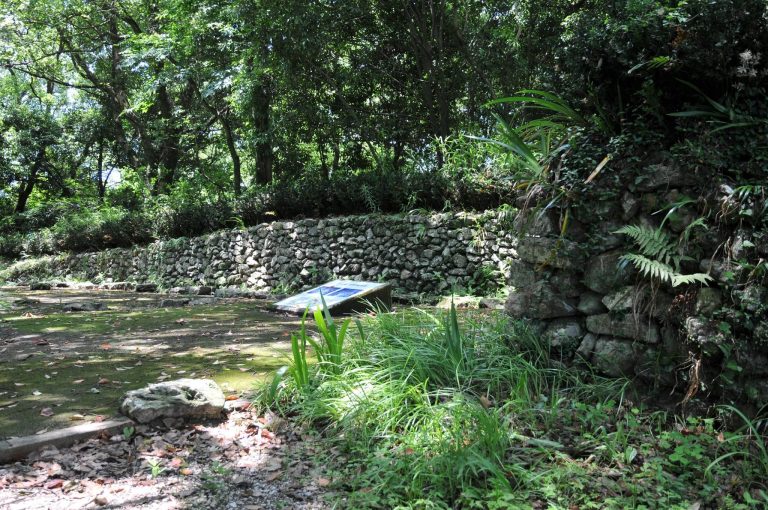
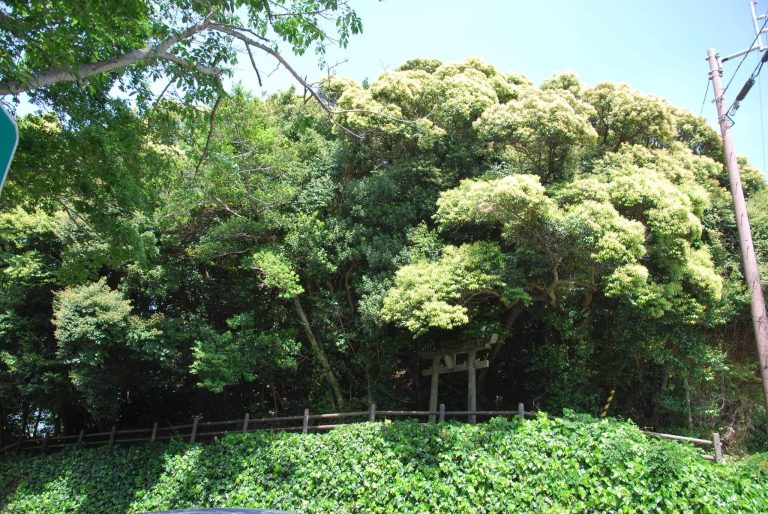
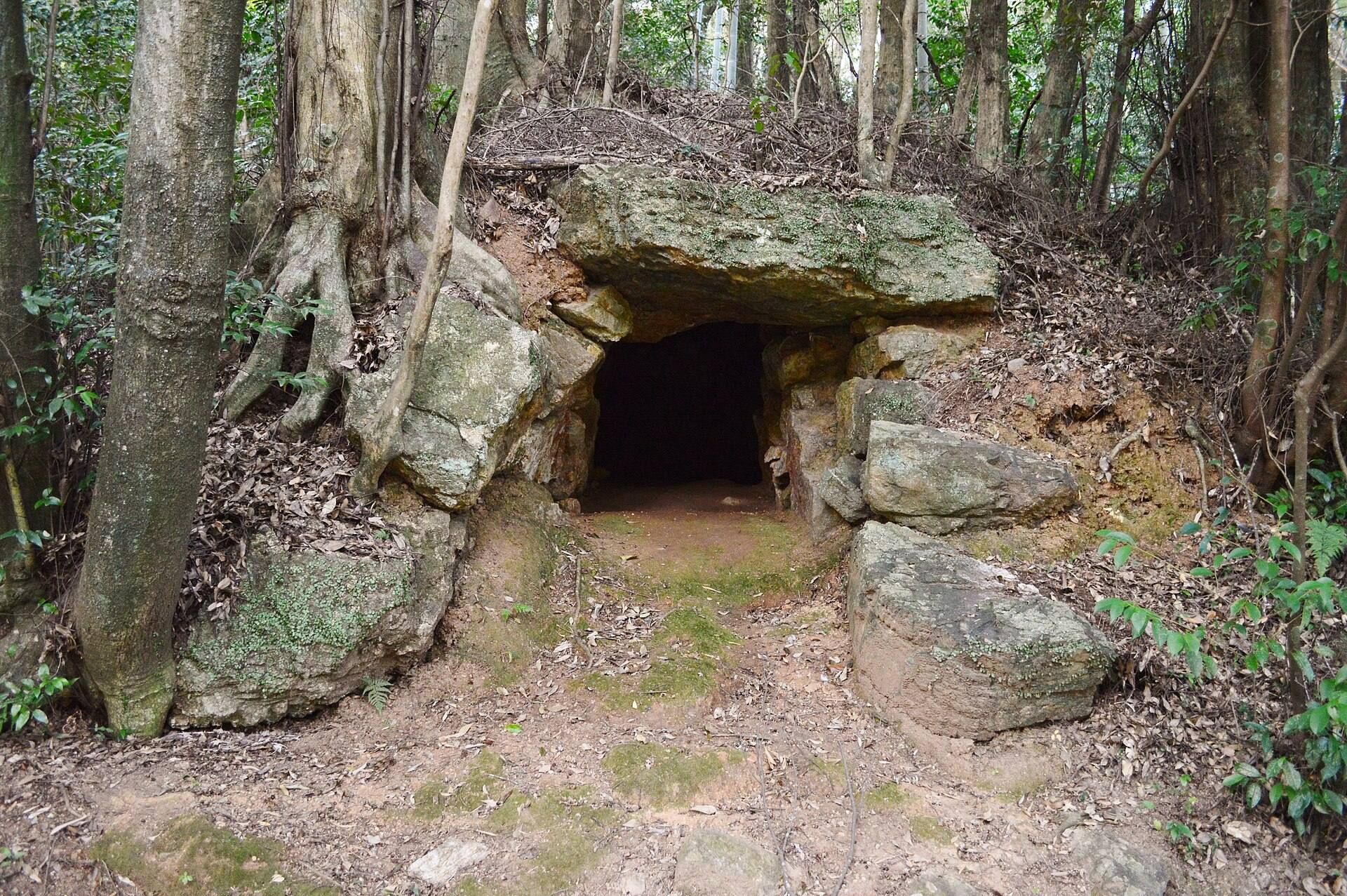
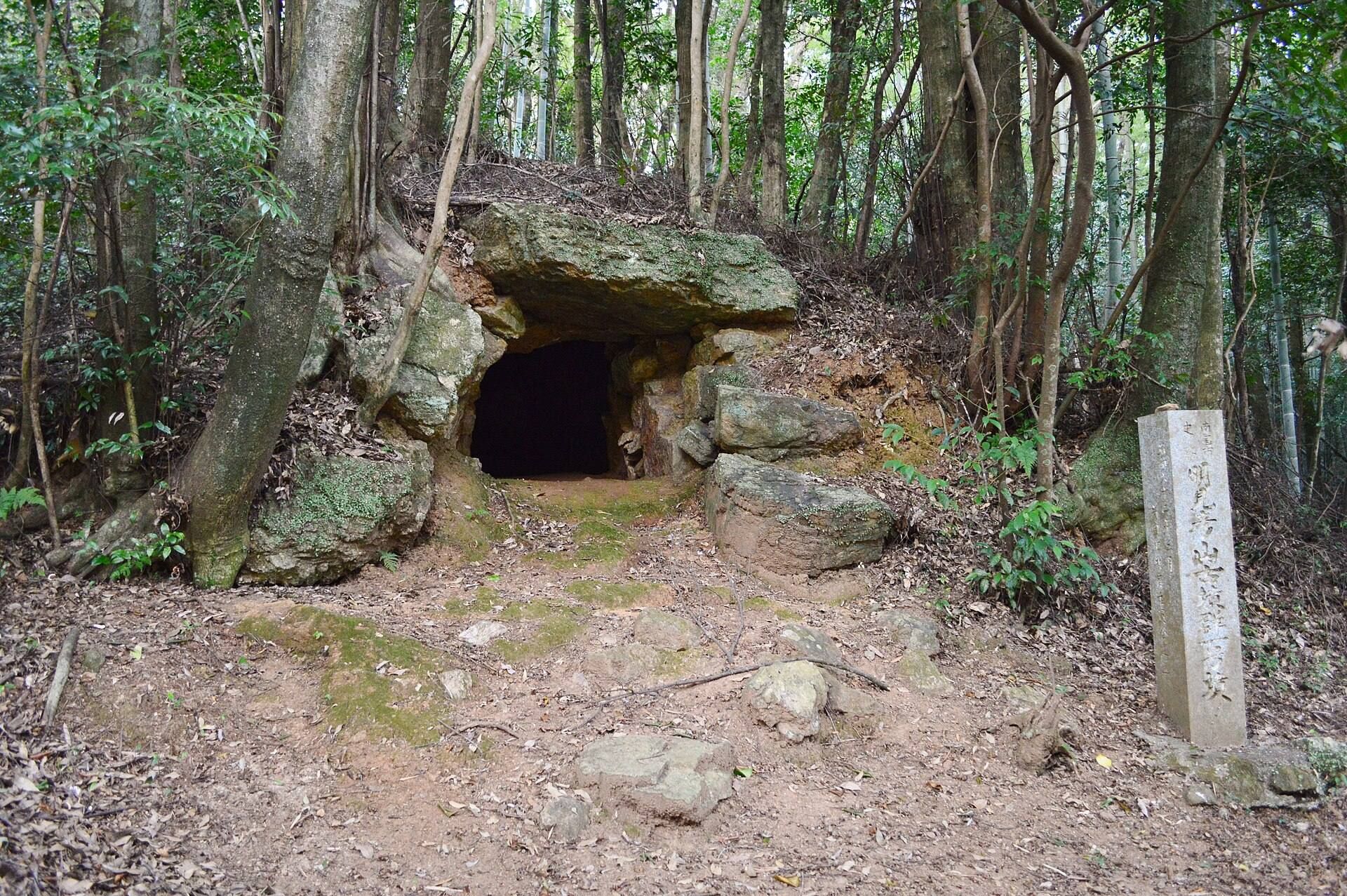
The surviving remains comprise burial mounds and horizontal stone chambers arranged at the foot of Hikoyama. A horizontal stone chamber is entered through a passage cut into the mound rather than from above. In the double-sleeved form found here, stone projections flank the entrance to the burial chamber on both sides. Tomb 1 occupies the southwestern part of the group, while Tomb 3 lies about 200 meters to its northeast.
Tomb 1
Tomb 1 is probably a circular mound about 14 meters in diameter, although a square mound measuring 14 meters on each side is also possible. At the mound’s center is a double-sleeved horizontal stone chamber measuring 8.96 meters overall. The burial chamber is 5.64 meters long, about 2.16 meters wide near the rear wall and 2.14 meters wide near its entrance, with a height of 2.8 meters. Its passage is 3.32 meters long and 1.20 meters wide.
Tomb 3
Tomb 3 is a circular mound about 5 meters in diameter and 2.3 meters high. Its open, double-sleeved horizontal stone chamber preserves the arrangement used to enter the burial space. The chamber contained human remains and a varied group of grave goods.
Among the objects recovered from Tomb 3 were Sue ware vessels, a straight sword, a small knife, horse equipment, an iron sickle, and an iron spade blade. The burial also contained comma-shaped beads and tubular beads, ornaments frequently associated with Kofun-period graves. Together, the objects and human remains indicate the range of equipment and personal ornaments placed in the chamber.