Monte di Pietà (Valletta): A Charitable Lending Institution
Site at a Glance
- Popularity
- Medium
- Country
- Malta
- Primary era
- Early Modern
- Eras represented
- Early Modern
- Civilizations
- Knights Hospitaller
- Site type
- Economic
On this page5 sections
History
The Monte di Pietà, meaning “mount of piety,” is a Catholic charitable lending institution in Valletta, Malta, founded on 15 January 1598 under the rule of the Order of St John. The Order was a Catholic religious and military body that governed Malta. The Monte offered loans against pledged valuables as an alternative to lending condemned as usury, or exploitative interest-taking, under historic Catholic teaching.
Foundation and growth
Portuguese knight Fra Manuel de Couros received permission from Grand Master Martin Garzez to establish a fund of 2,000 scudi. Its stated purpose was to counter usury, then reportedly associated with lending by enslaved people and Jewish people. The institution lent against gold, silver, and other valuables. Borrowers paid an initial charge of two grani per scudo, about 0.8 percent. If a loan and its interest remained unpaid after a year, the pledged goods could be sold at auction. Scudi and grani were monetary units used in Malta.
The Monte first operated in part of the Banca Giuratale, a civic government building, before moving to the Castellania, a judicial and administrative institution. It also gained funds from several sources. In 1699, Grand Master Ramon Perellos y Roccaful allocated 5,372 scudi to the Monte. The allocation was linked in part to gold coins found in a medieval urn by workers demolishing a house to make way for Mdina Cathedral. The coins were attributed to Malta’s period of Arab settlement and rule. One side bore Arabic writing, while the other showed three pear-shaped forms resembling Perellos’s coat of arms. Perellos claimed the find, but Pope Innocent XII ruled that the bishop should receive half because the coins had been found on church property, with the other half to benefit the Monte. Later additions included tenements donated by Giuseppe Scipione Camilleri in 1712 and transfers from Valletta’s governing council, the Università, in 1720–1721, and from the Castellania in 1724.
The Valletta building and institutional change
The building later occupied by the Monte had served as the Banca Giuratale and the seat of Valletta’s Università from 1577 to 1721. On 30 July 1721, the Treasury of the Order of St John acquired it in exchange for a house across the street, which became the new Banca Giuratale. The Treasury used the building to sell the possessions of deceased knights. On 14 August 1749, Grand Master Manuel Pinto da Fonseca gave it to Giuseppe Cohen, who had exposed the Conspiracy of the Slaves, a plot involving enslaved people in Malta. Cohen’s family retained the property until 1773, when it passed to the Monte in return for an annuity. The institution moved into the building that year.
On 28 June 1787, Grand Master Emmanuel de Rohan-Polduc merged the Monte’s funds with those of the Monte della Redenzione degli Schiavi (Mount of Redemption of Slaves). Founded in 1607 by Grand Master Alof de Wignacourt, the latter institution raised money to ransom Christian captives from Muslim territories. The combined body took the name Monte di Pietà e Redenzione. The earlier name returned in the early nineteenth century, after slavery was abolished.
Occupation and modern administration
The Monte continued to operate during the French occupation of Malta, which began in 1798. At the start of the Maltese uprising, the French government seized its pledged goods and funds. After the blockade, British naval officer Alexander Ball, serving as Civil Commissioner, reopened the institution on 10 October 1800 during the British protectorate. Under British rule, the building also housed offices for the civic officials known as giurati, and later the Grain Department.
On 1 April 1977, the institution’s funds passed to the Maltese government, and the Monte became part of the Inland Revenue Department under the Ministry of Finance. It continues to operate, allowing people over 18 to pledge valuables for cash. The annual interest rate is 5 percent, payable within three years. From 2010 to 2015, activity declined as rising gold prices made government-set rates less competitive with jewellery-shop prices. By January 2016, the value of pledged items had reached its highest level in a decade. The building is designated a Grade 1 national monument.
Remains
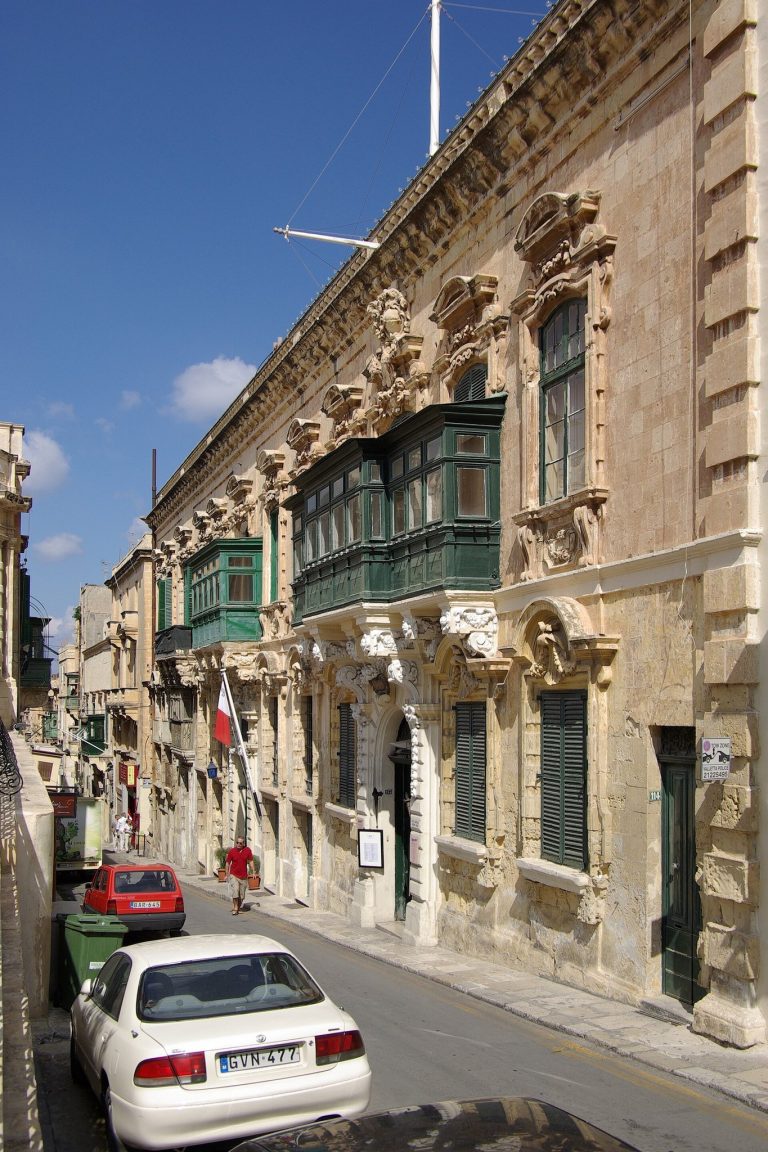
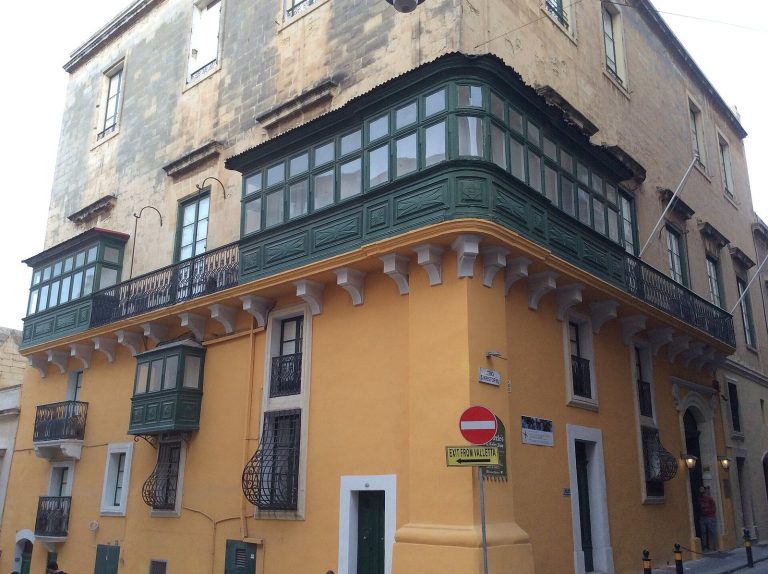
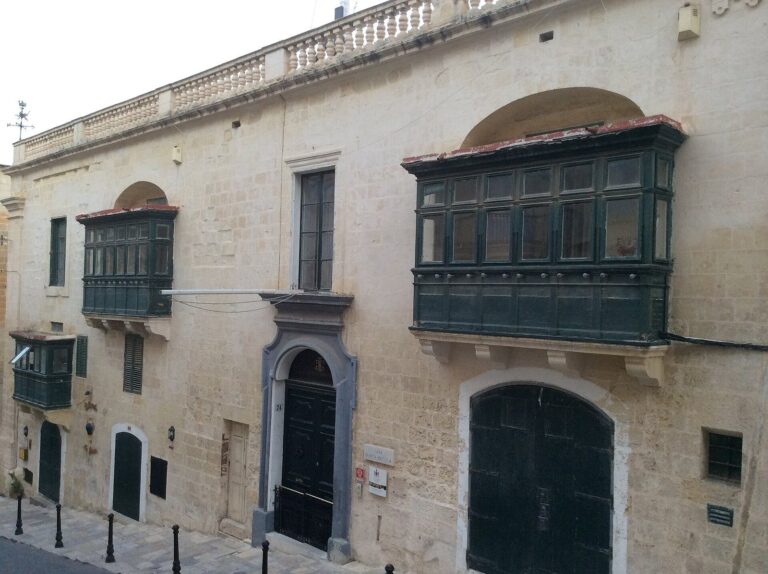
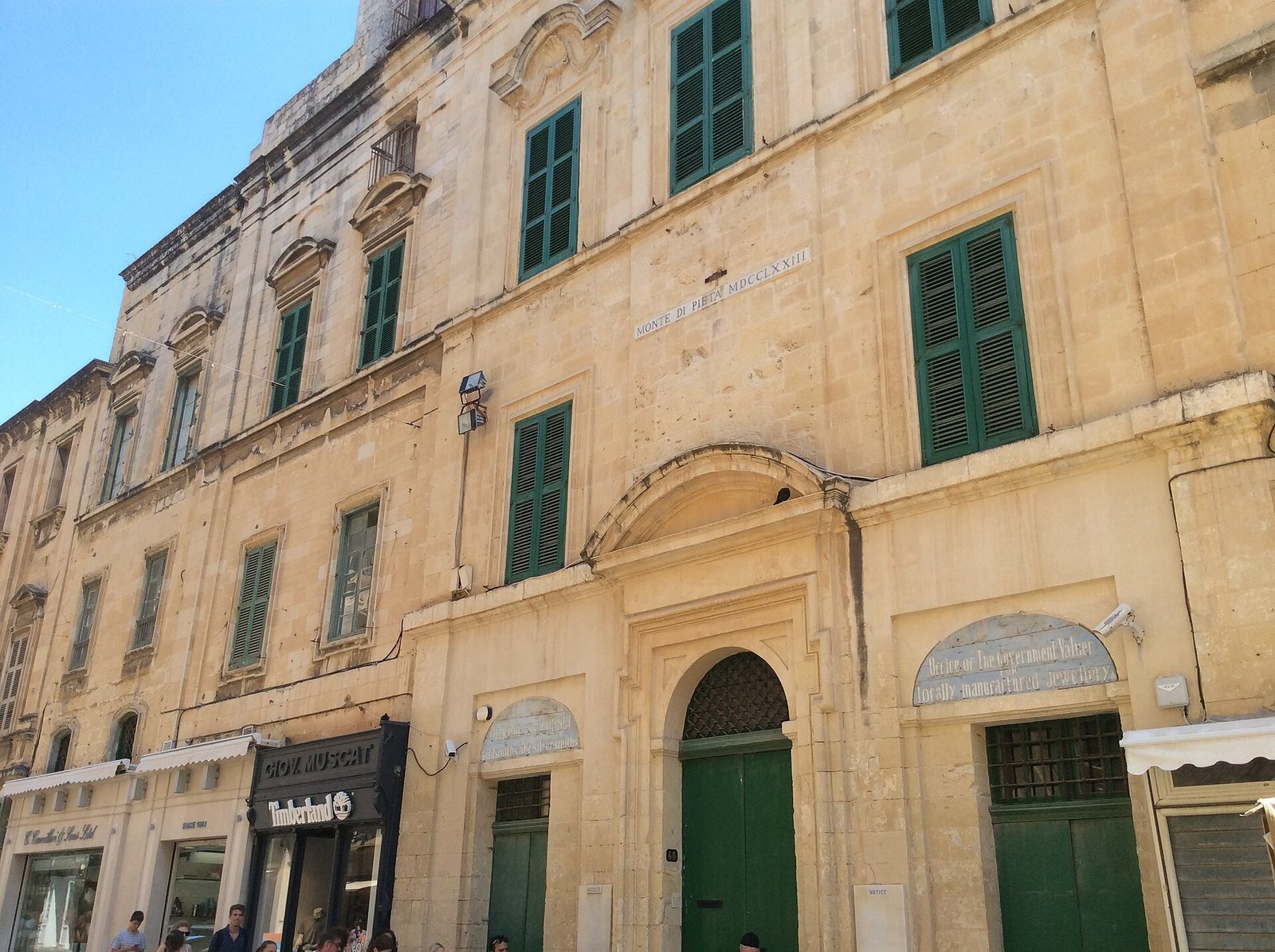
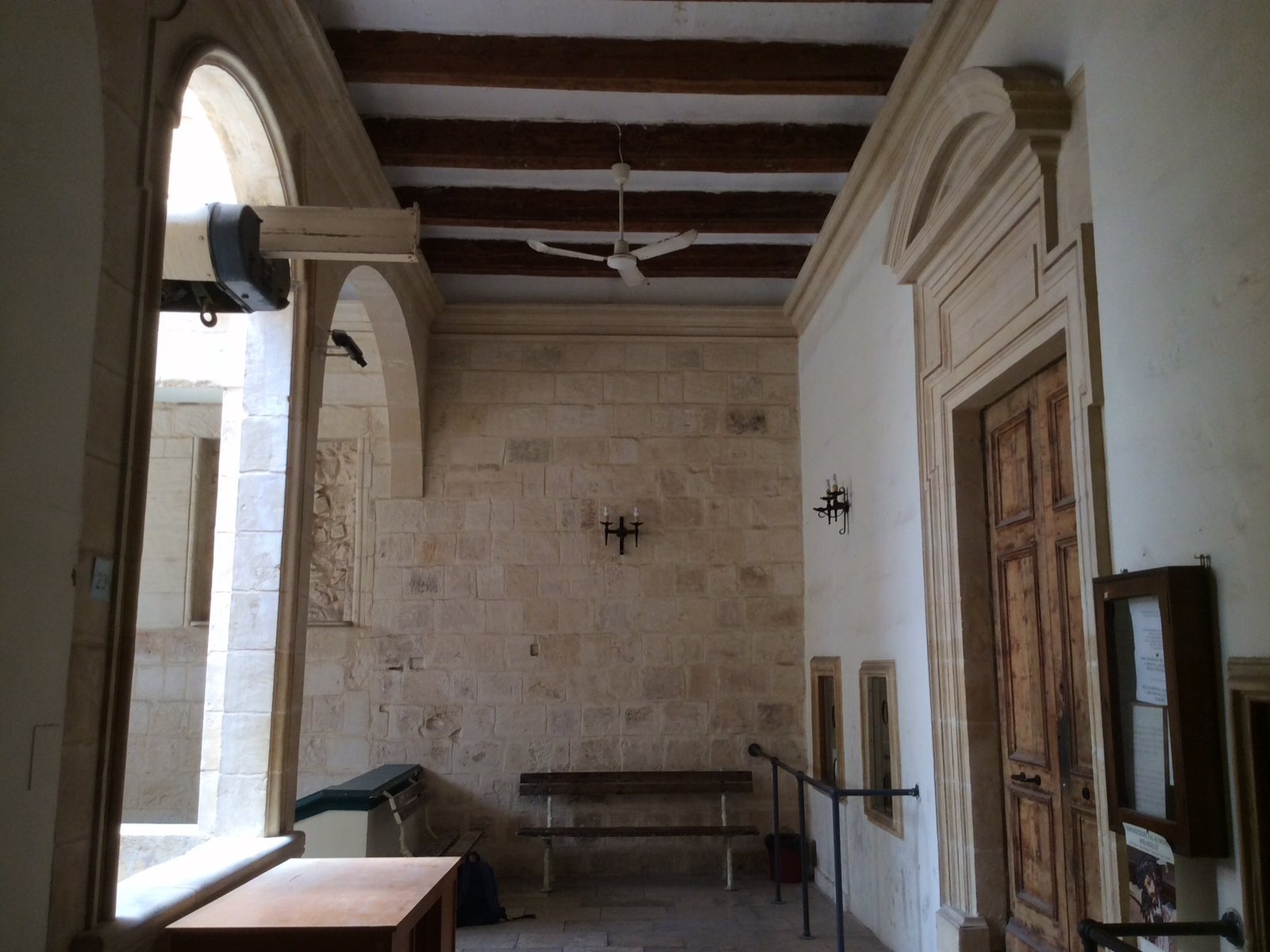
The Monte occupies a three-storey limestone building dating to the sixteenth century. Its surviving form is intact, although nearby construction works caused structural damage in 2007–2008. The building was remodelled when the Monte took it over in 1773. Its façade was rebuilt in the mid-seventeenth century in the Baroque style, a European style marked by elaborate ornament and dramatic forms.
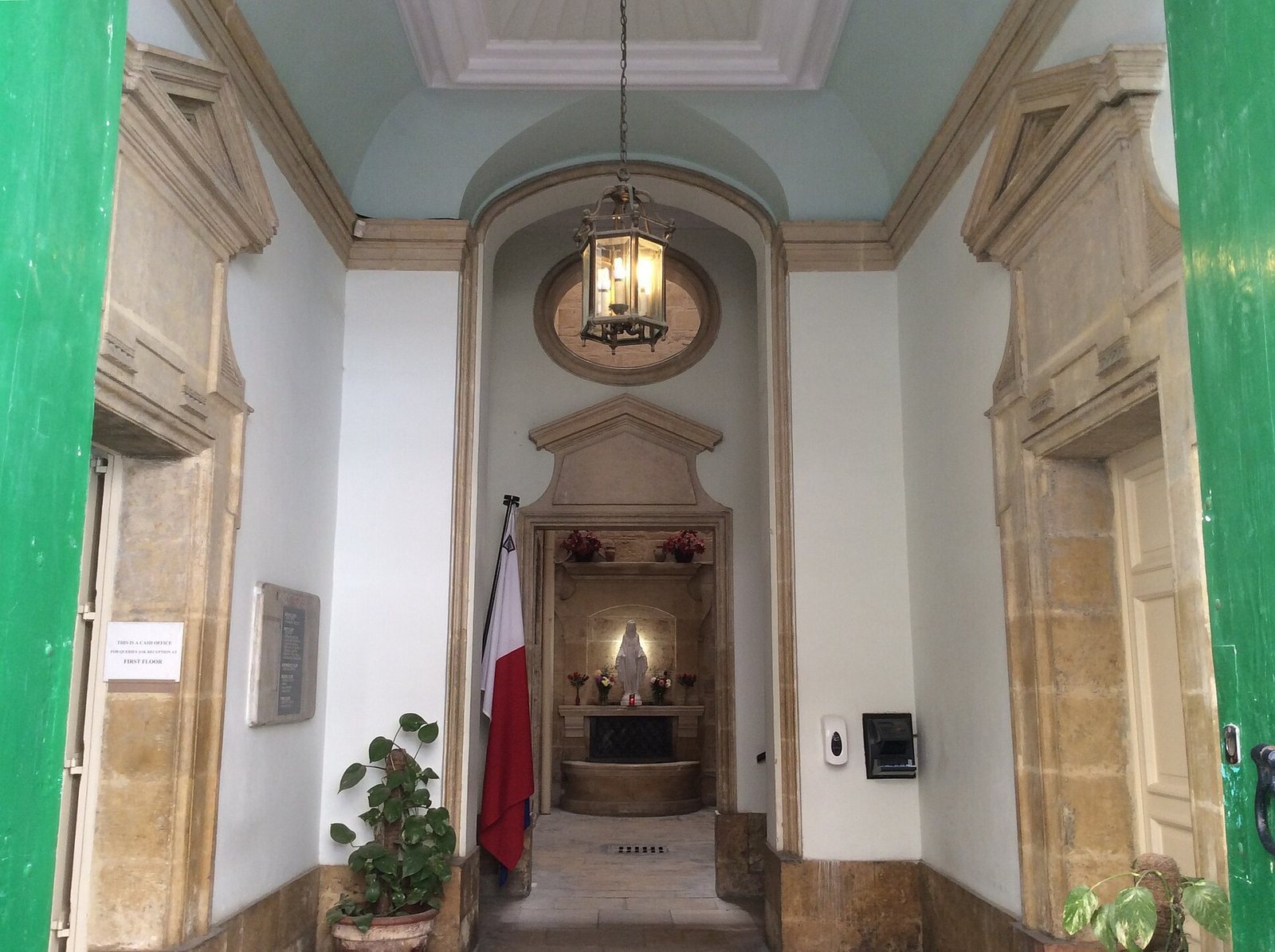
The main entrance has decorative moulded trim and a pediment, a shaped feature above the doorway, and is flanked by two side entrances. The first floor has two windows, while the top floor has three.