Monte Adranone Archaeological Site: An Ancient Sicilian Settlement
Site at a Glance
- Popularity
- Very Low
- Country
- Italy
- Primary era
- Classical
- Eras represented
- Iron Age, Classical
- Civilizations
- Unclassified
- Site type
- City
On this page10 sections
History
The Monte Adranone Archaeological Site is an ancient settlement on Monte Adranone in western Sicily, Italy. Probably occupied from about 700 to 300 BCE, it served as a center for a local Sicilian people. The settlement lay between Akragas, now Agrigento, and Selinus, now Selinunte. It had connections with Carthaginian culture, associated with the Phoenician-founded North African power of Carthage, while Greek cultural influences became increasingly pronounced. The settlement may be the ancient Adranon, but that identification is uncertain; it is distinct from another, better-known Adranon in eastern Sicily near Mount Etna.
Archaeological investigation at Monte Adranone began in 1968, followed by excavations conducted annually.
Remains
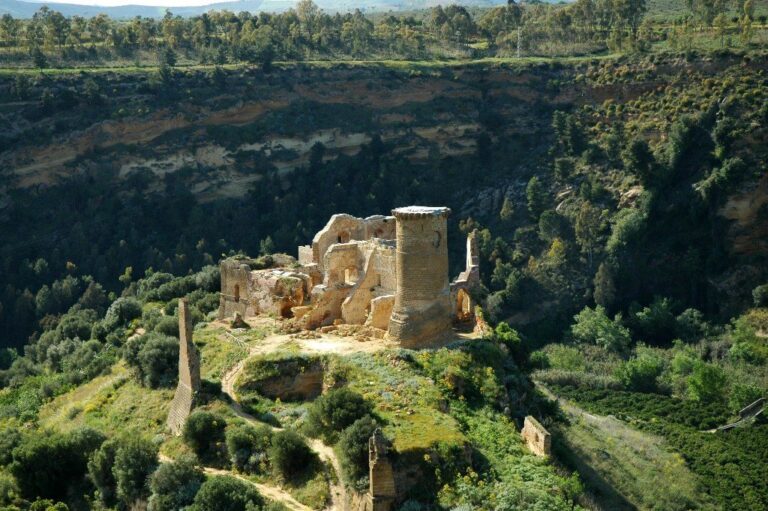
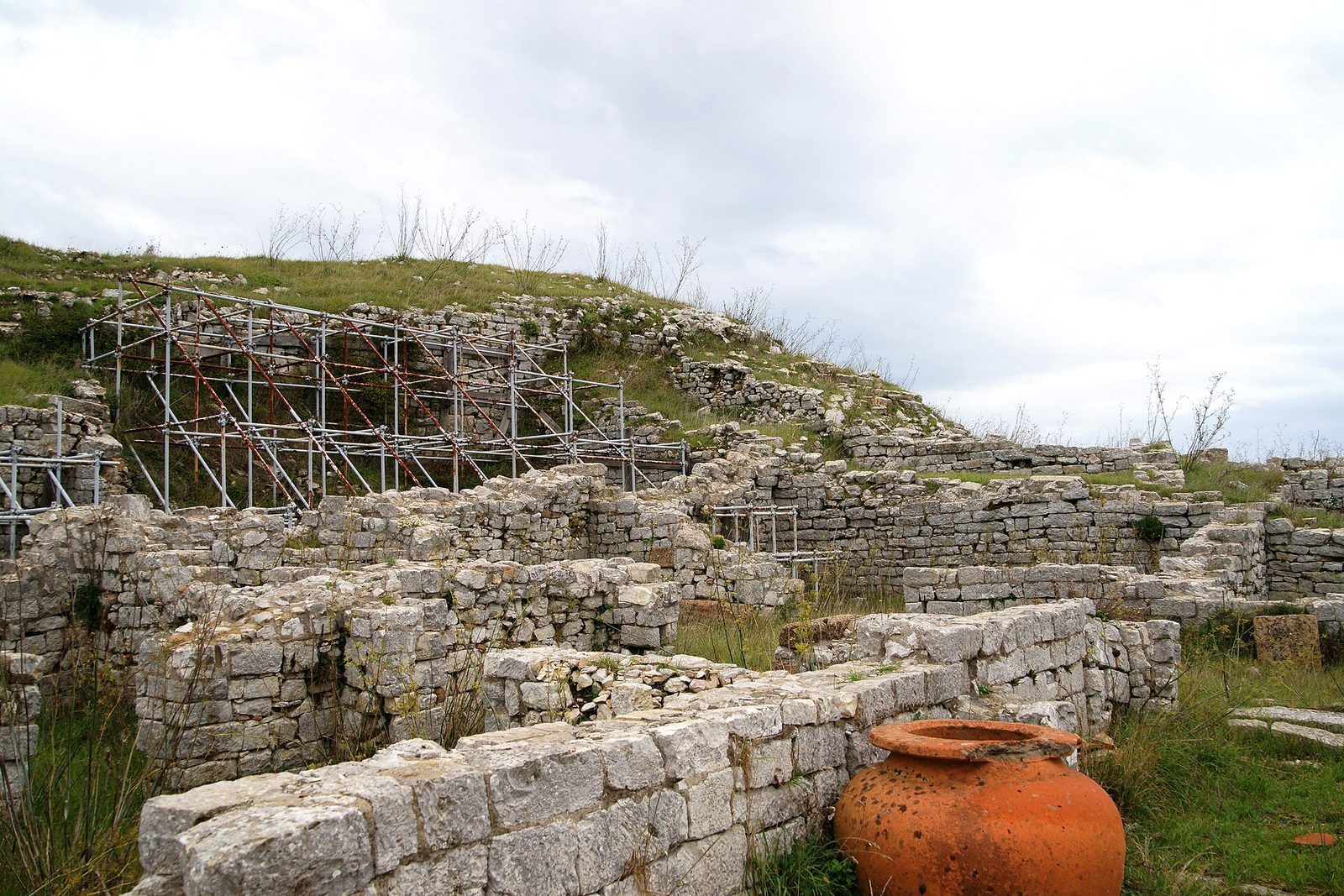
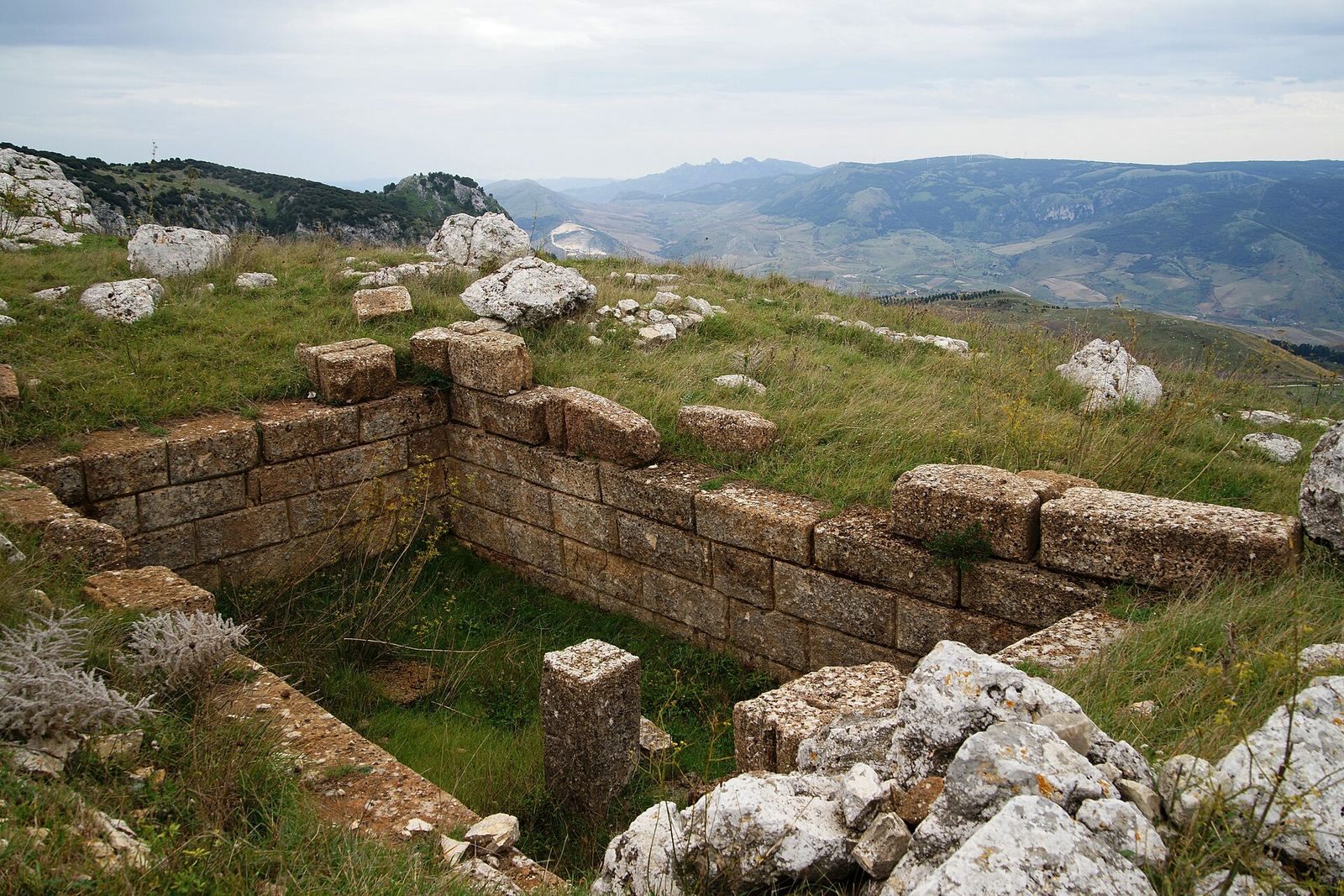
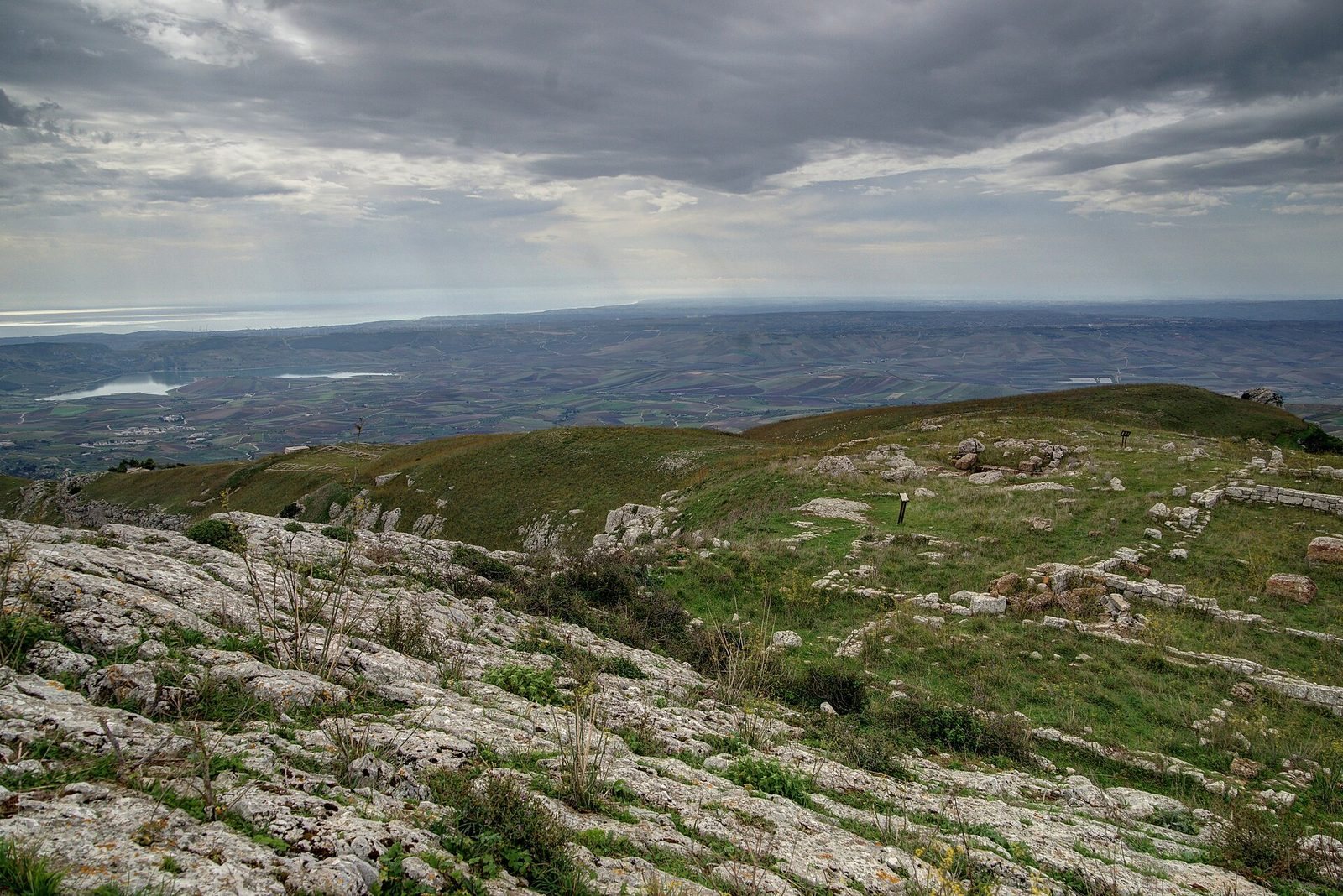
The settlement occupies a mountain about 6.5 km northeast of Sambuca di Sicilia and north of Sciacca. It overlooks the Carboi plain, with Sambuca at the mountain’s foot. The southern slope is steep, while ravines shield the other sides. The surviving remains include a long walled enclosure, buildings on the hill and an eastern terrace, and a burial ground outside the walls.
Defensive enclosure
A fortification wall about 6 km long enclosed the city. It was built from large blocks laid without mortar and reinforced with rectangular towers. The towers defended the south gate and the stairs leading to it; another gate stood on the north side. The wall survives to a height of about 6 m at its best-preserved point.
Religious buildings
Summit temple
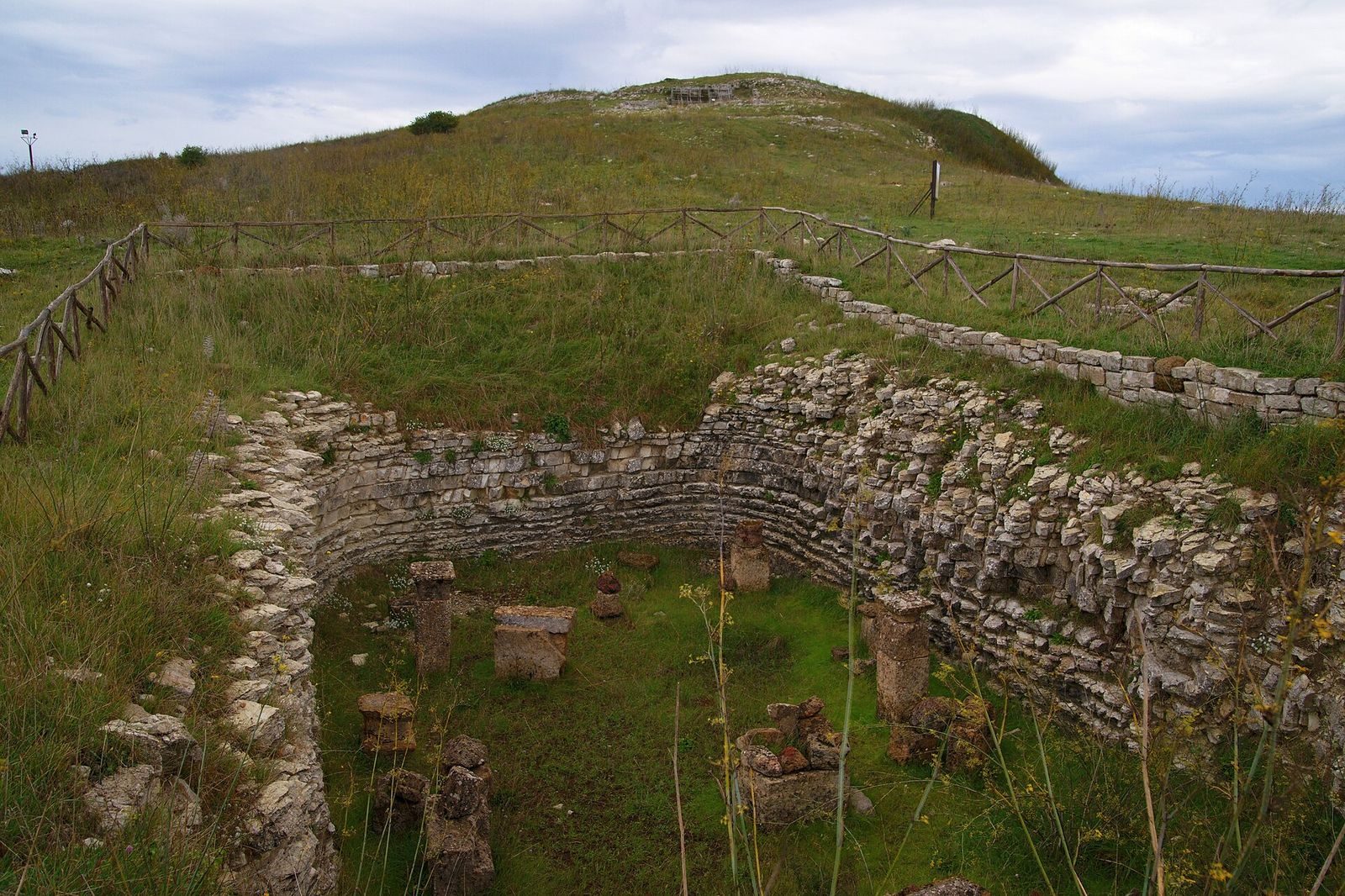
At the summit of the city hill are remains of a tripartite temple, a building with three principal parts. It is thought to have been dedicated to Baal Hammon and Tanit, deities worshipped in Carthaginian and wider Phoenician religious traditions.
Shrine near the south gate
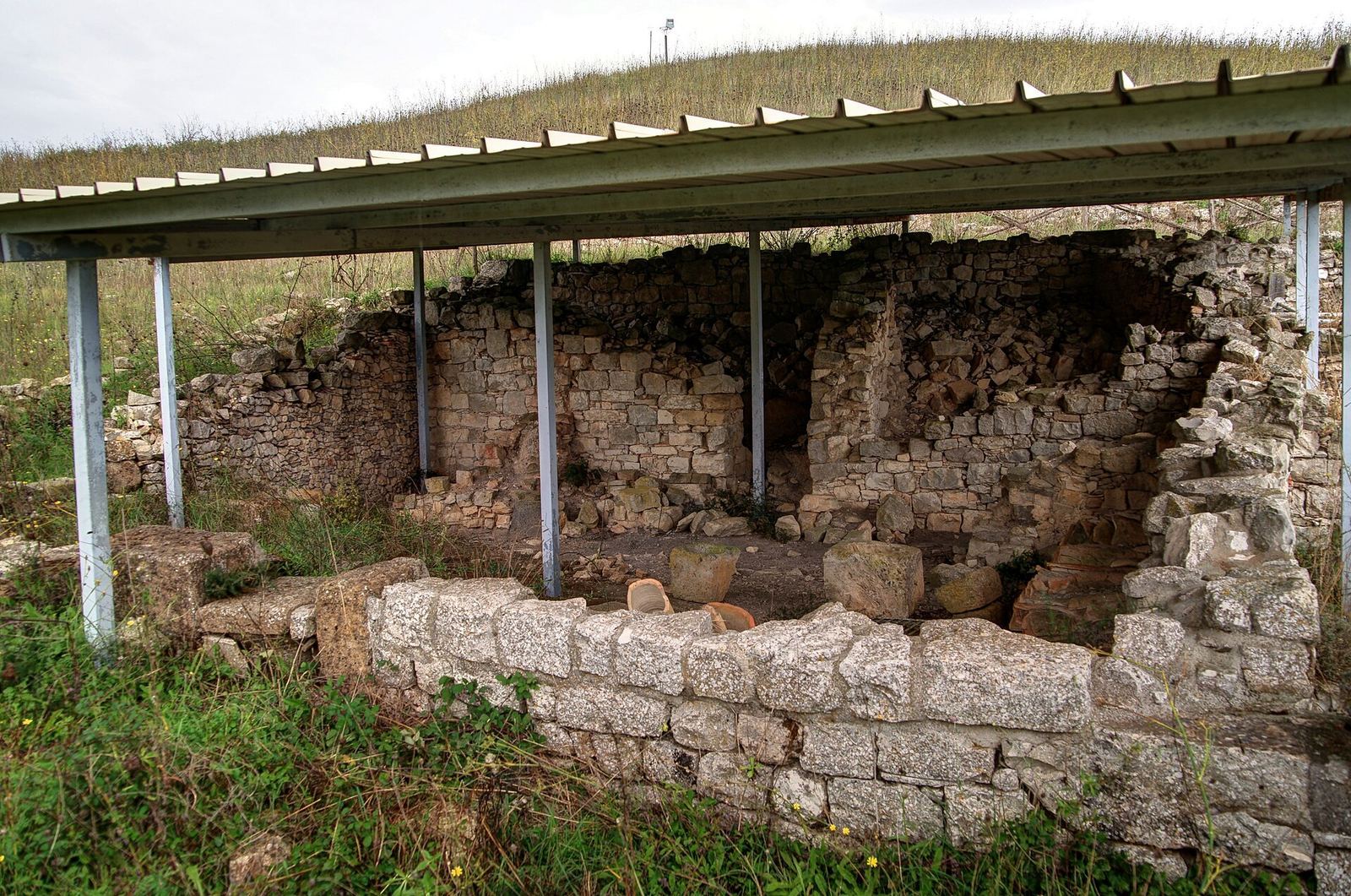
Near the south gate are remains of a shrine dedicated to Demeter, a Greek goddess associated with agriculture, and Kore, another name for Persephone. The shrine belongs to the Hellenistic period, which followed the conquests of Alexander the Great.
Eastern terrace and earlier occupation
A large building on an eastern terrace inside the walls had rooms arranged around a central courtyard and is thought to have served as barracks. Beneath it are remains of huts dated to the ninth century BCE, together with pottery fragments from the Polizzello culture, a prehistoric Sicilian culture.
Burial ground and finds
Tombs
The cemetery outside the walls contains burials in large jars, sarcophagi, and chamber tombs. The best-known chamber tomb is called the Queen’s Tomb.
Grave goods
Grave goods dating to about 600–400 BCE include local pottery, pottery from other parts of Sicily and the Italian peninsula, and Attic black-figure and red-figure pottery, styles distinguished by the contrasting colors of figures and backgrounds. Bronze objects found at the site were made in Greek workshops in southern Italy. Finds from Monte Adranone are held at the Archaeological Museum of Agrigento.