Modrý Kameň Castle: A Historic Medieval Fortress in Slovakia
Visitor Information
Google Rating: 4.5
Popularity: Medium
Official Website: hradmodrykamen.sk
Country: Slovakia
Civilization: Early Modern, Medieval European
Site type: Domestic
Remains: Palace
History
Modrý Kameň Castle is located in the municipality of Modrý Kameň in present-day Slovakia. It was established by the medieval Hungarian civilization, whose nobles played significant roles in the region’s political and military history. The castle’s origins are marked by its earliest documented references dating from the late 13th century, although a commemorative plaque traces its foundation back to 1237.
The initial founder was likely Peter Forró, who is recorded as the owner in 1285. Following his death, control transferred to the descendants of Kazimír from the Hunt-Poznan family’s Bínská branch. This ownership was short-lived, as Peter Forró’s siblings regained possession by 1290, establishing the Balaš (Balassa) family’s centuries-long stewardship. Their tenure was briefly interrupted by the powerful magnate Matúš Čák Trenčiansky, who seized the castle before it reverted to the Balaš lineage after his death.
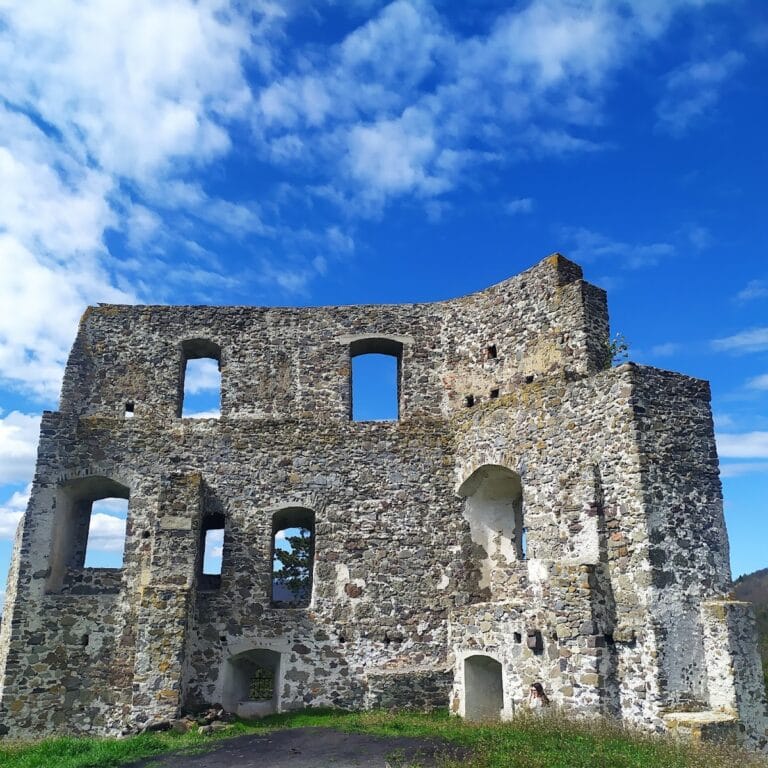
In the latter half of the 16th century, the castle endured occupation and destruction by Ottoman Turkish forces, who held it from around 1575 or 1576 until 1593. After the Turks’ departure, the Balaš family reconstructed the fortress between 1609 and 1612, giving it a Renaissance-style appearance and fortifying it with artillery platforms to withstand sieges. However, the early 17th century brought further turmoil; during uprisings among the kingdom’s nobles, Zalco Balassa supported the Turks. In response, royal troops besieged the castle in 1616, capturing it and imprisoning its owner. Later, in 1659, the Turks launched another assault, and in 1683, rebel forces under Imrich Tököli severely damaged the castle. These wounds were never fully repaired, leaving parts of the stronghold in ruin.
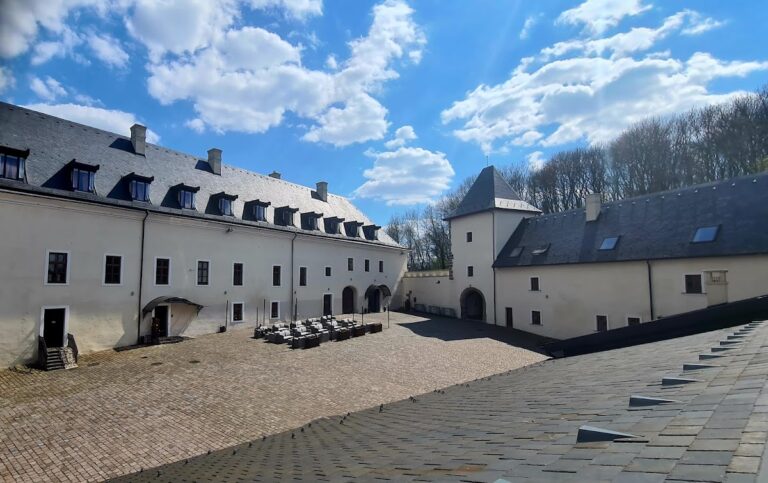
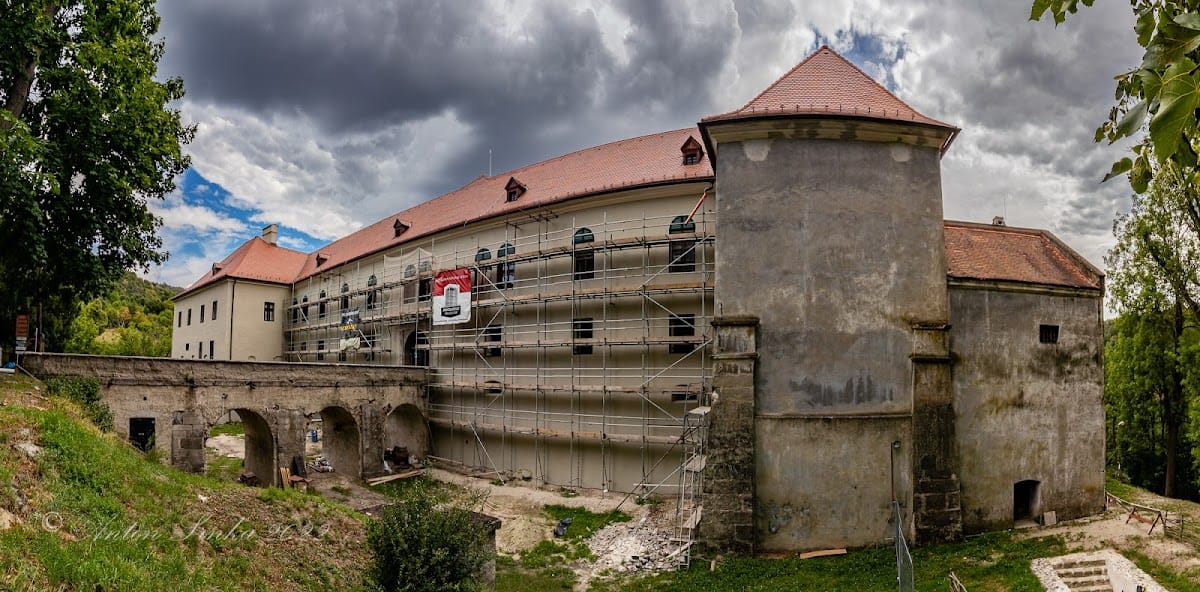
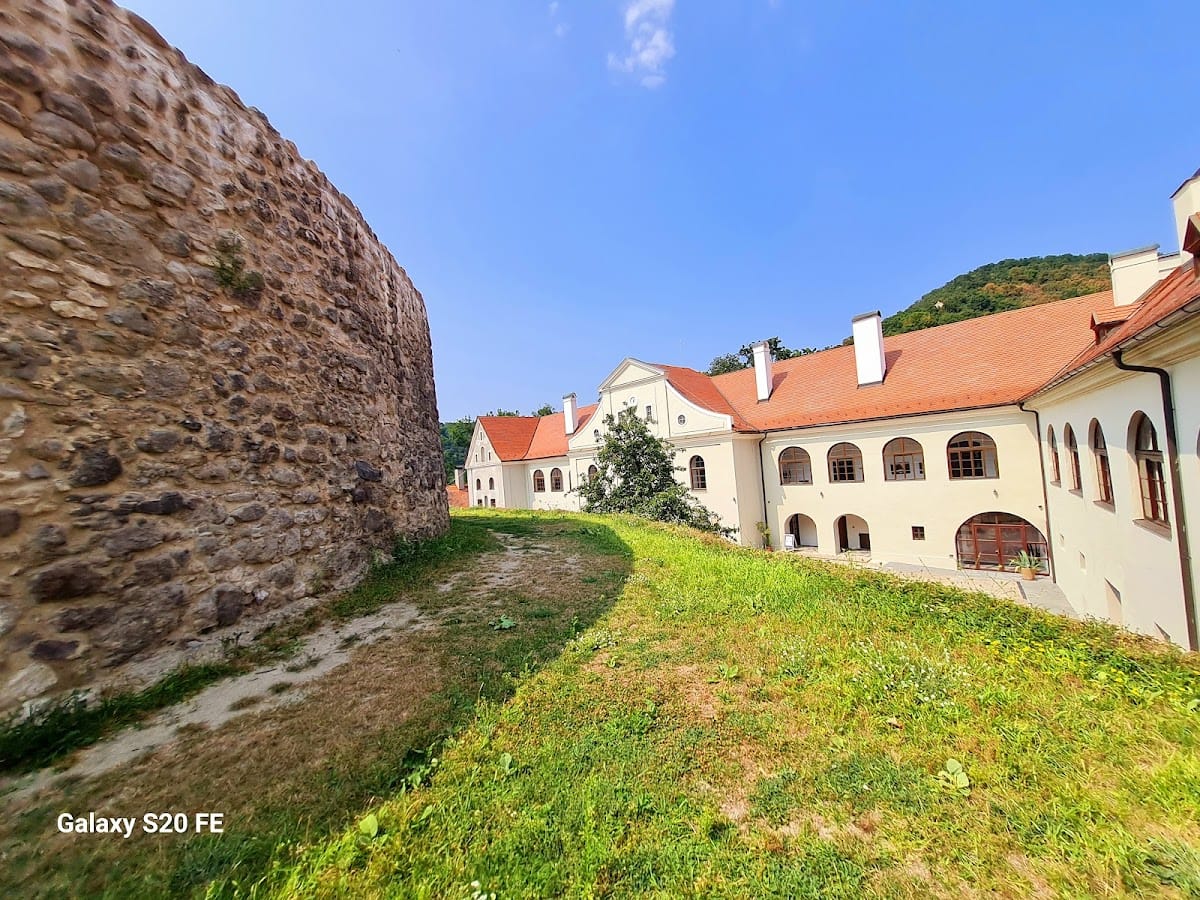
During the 18th century, Gabriel Balaša transformed the lower courtyard ruins by constructing a substantial Baroque manor. The upper castle remained unrestored and was converted into a garden space. This period also saw the addition of a chapel dedicated to Saint Anne, reinforcing the estate’s religious dimension. In the 19th century, ownership shifted from the Balaš family to the Forgáč family and subsequently to Count Károly. In the early 20th century, Count Károly’s daughter, Gabriela Almášiová, sold the estate to the Czechoslovak state. Since 1991, the site has served as a museum, focusing on puppetry, toy culture, and regional history under the Slovak National Museum’s care.
Remains
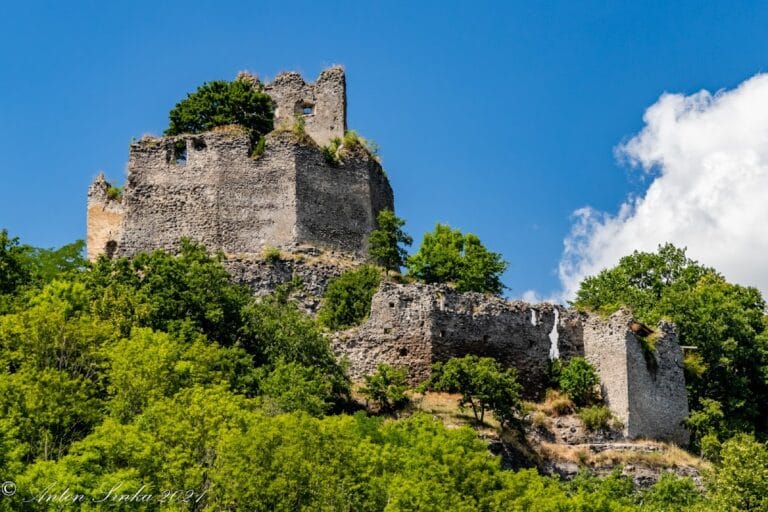
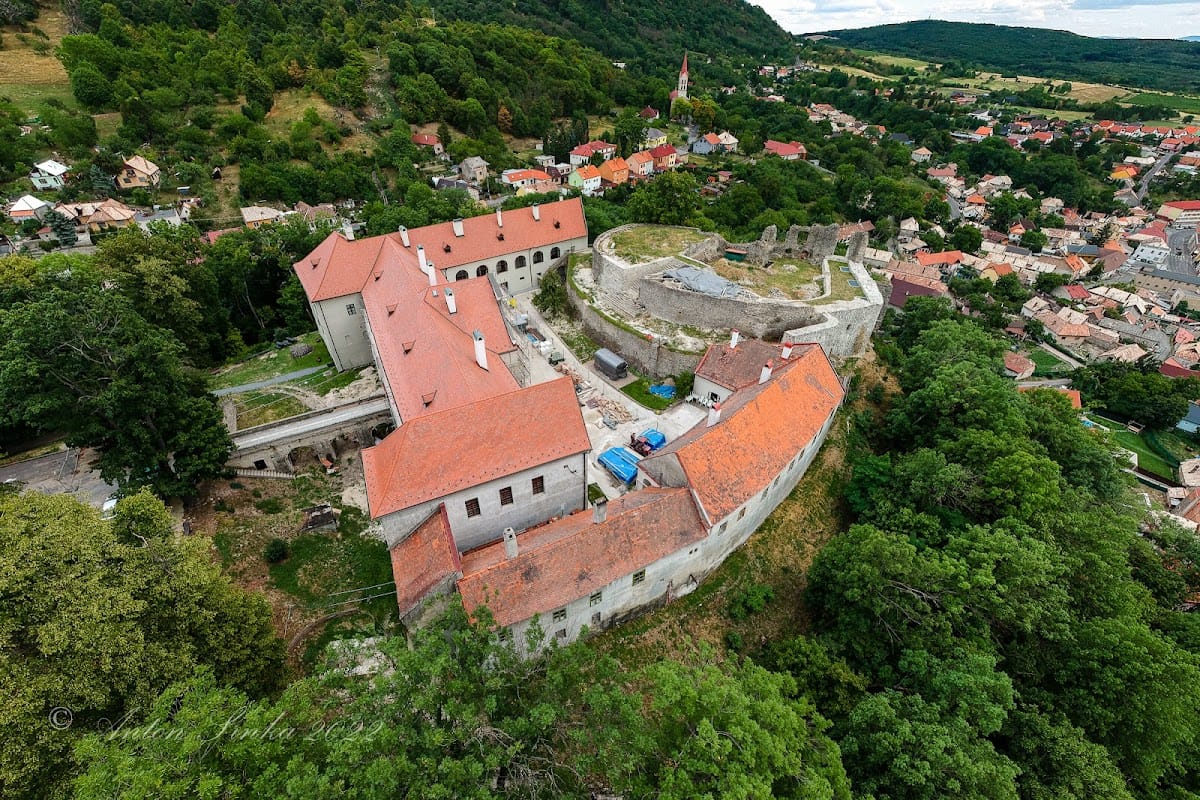
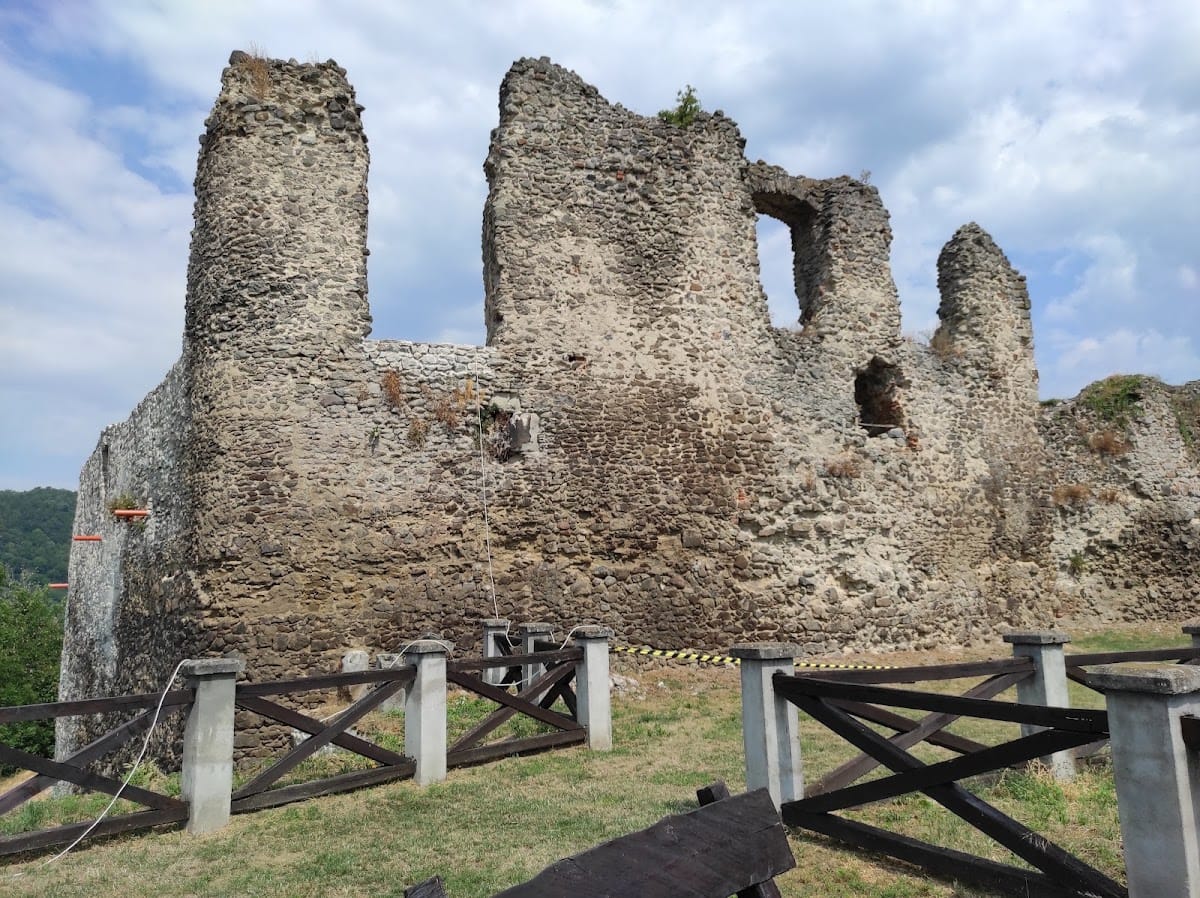
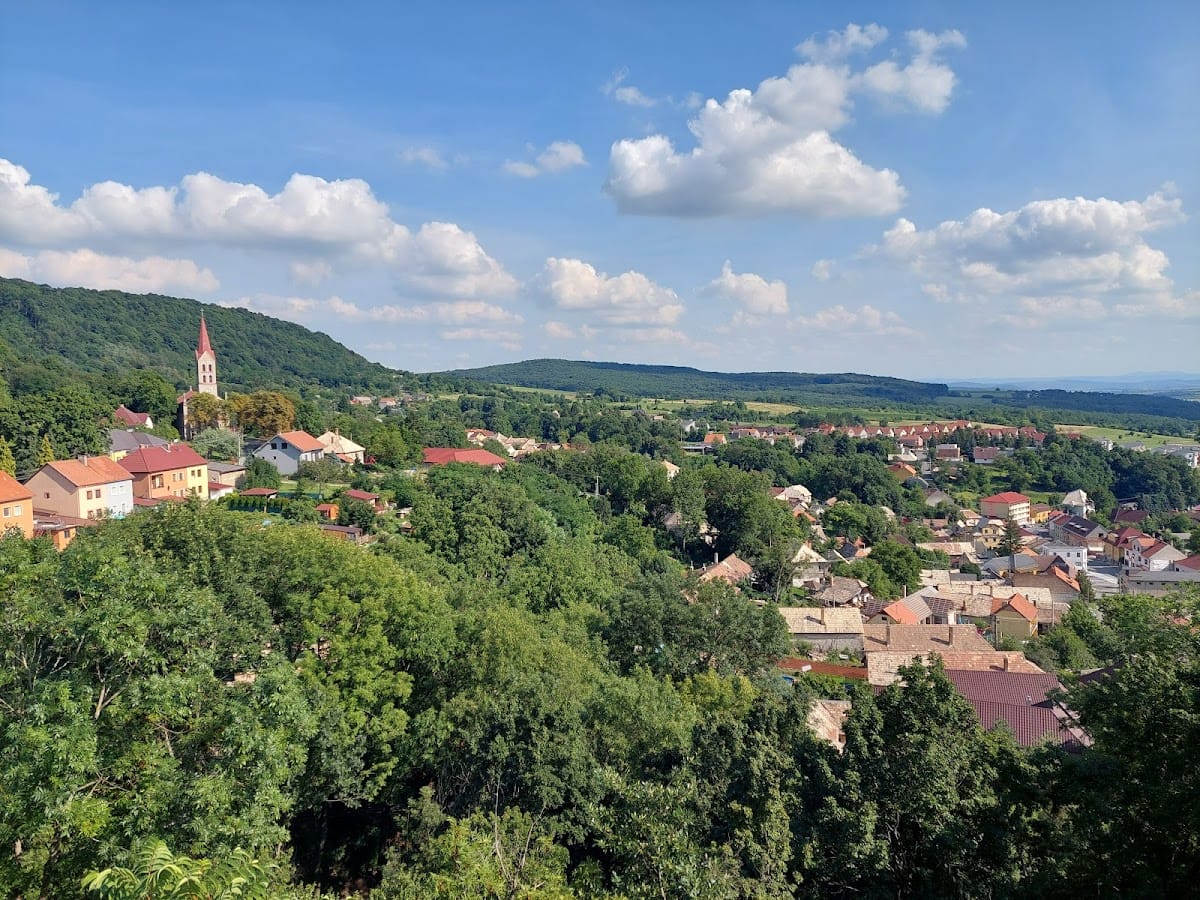
The Modrý Kameň site comprises the remains of a Gothic-Renaissance castle raised approximately 315 meters above sea level on a hill overlooking the town. The castle’s position and construction reflect typical medieval defensive priorities, with thick walls and strategic layouts. Alongside the older castle ruins, an 18th-century Baroque manor stands on the lower courtyard, built using the foundational elements of previous structures.
Among the preserved features is a garden occupying the area once forming the upper castle, a transformation dating from the 18th century when the fortress was not rebuilt after damage. This garden area is recognized as a protected cultural monument, reflecting its historical significance. The site also includes a bridge that once provided access over the castle’s moat, still discernible today and registered as part of the cultural heritage.
An economic building associated with the castle complex remains on the site, likely used for storage or administrative functions during the manor’s operation. The moat itself, a defensive ditch filled with water, encircles parts of the complex and survives as an archaeological feature illustrating the castle’s past protective measures.
A notable religious element is the chapel dedicated to Saint Anne, constructed within the Baroque manor complex in 1759. Its altar area yielded an archaeological find: a bronze vessel containing a cattle heart. This item is linked to a local ritual intended to protect livestock, probably performed during an 18th-century cattle plague. The heart’s placement near sacred imagery suggests an intertwining of folk beliefs and religious practice at the estate.
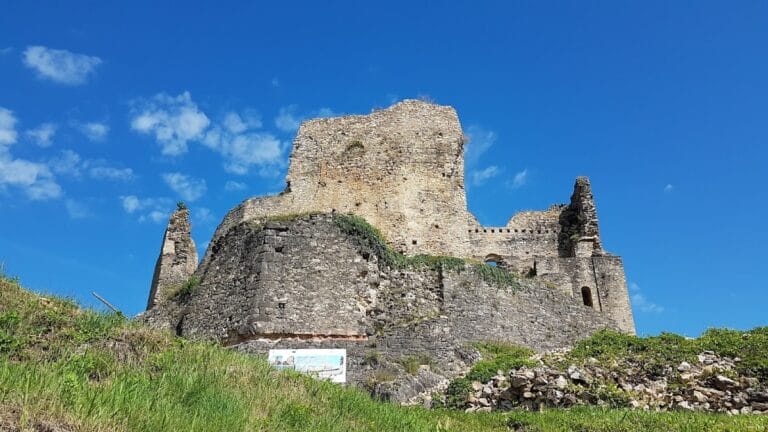
The castle’s fortifications were enhanced during the Renaissance reconstruction between 1609 and 1612. Noteworthy additions included artillery platforms, designed to accommodate cannons and resist attacks better. These fortified structures, though partially in ruin, illustrate the adaptation of medieval military architecture to early modern warfare.
The entrance to the lower castle is marked by a marble inscription that dates the castle’s founding to 1237. This plaque recounts significant events from the castle’s history, including the Turkish occupation and the reconstruction efforts led by the Balassa family. Today, the ruins of the castle and the preserved manor with its chapel form the heart of a museum complex devoted to safeguarding the site’s tangible history and cultural stories.