Mino Kofun Group: A Cluster of Japanese Burial Mounds
Site at a Glance
- Rating
- 4
- Popularity
- Low
- Country
- Japan
- Primary era
- Medieval
- Eras represented
- Medieval
- Civilizations
- Yamato
- Site type
- Burial
- Remains
- Necropolis
On this page5 sections
History
The Mino Kofun Group is a cluster of Japanese burial mounds in Himeji, Hyogo Prefecture, Japan. The tombs are estimated to have been built from the latter half of the sixth century through the seventh, during the Late to Terminal Kofun period, an era marked by the construction of Japanese burial mounds. Their sequence allows changes in stone burial-chamber design to be traced.
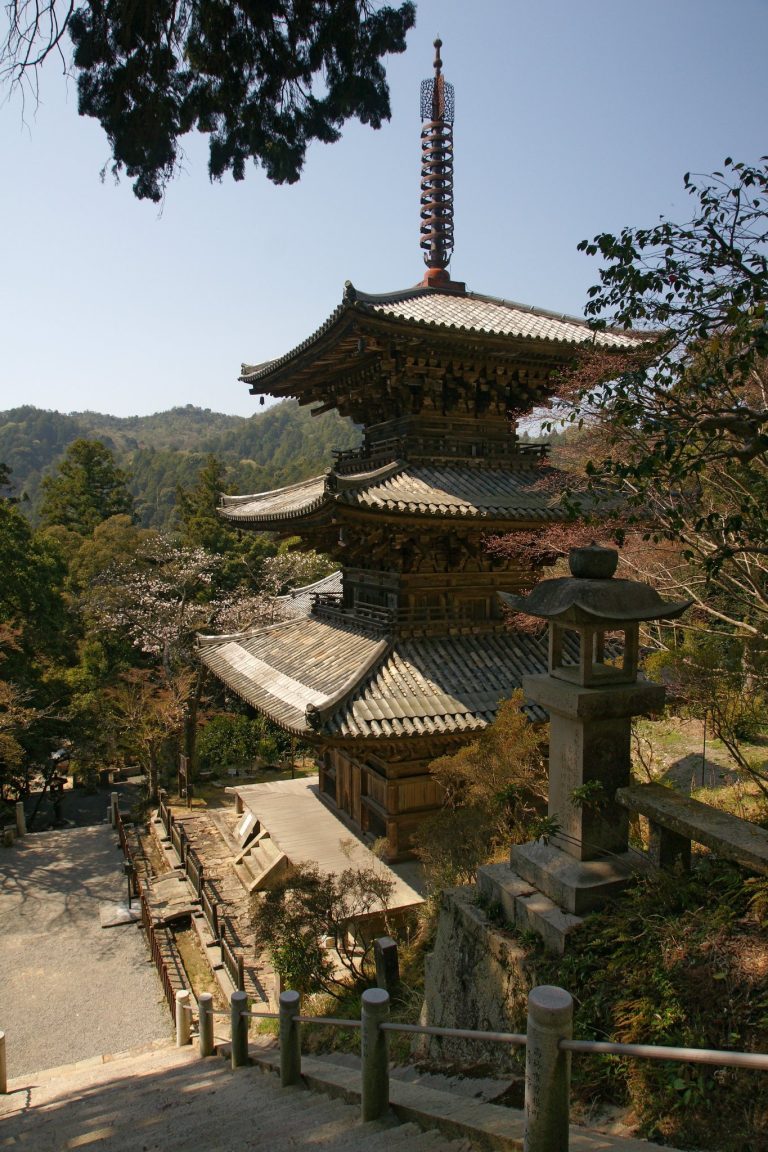
The group lies about 650 metres southeast of the ruins of Mino Temple, which date to the Hakuhō period, an early Japanese historical period associated with the seventh century. A possible connection has been proposed between the tomb group and the clan responsible for building it.
Excavations and surveys carried out from 2005 to 2007 by the Himeji City Board of Education and Ritsumeikan University led to reports published in 2009 and 2011. Ten tombs were designated Himeji City Historic Sites in 2006. In 2019, Tombs Nos. 3, 4, 6, and 10 were designated Hyogo Prefecture Historic Sites; Nos. 1, 2, 8, 9, 12, and 13 remain among the tombs designated at city level.
Remains
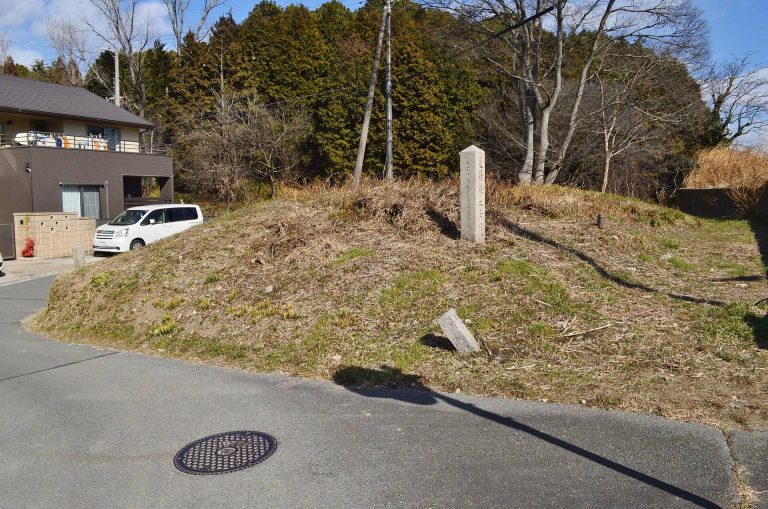
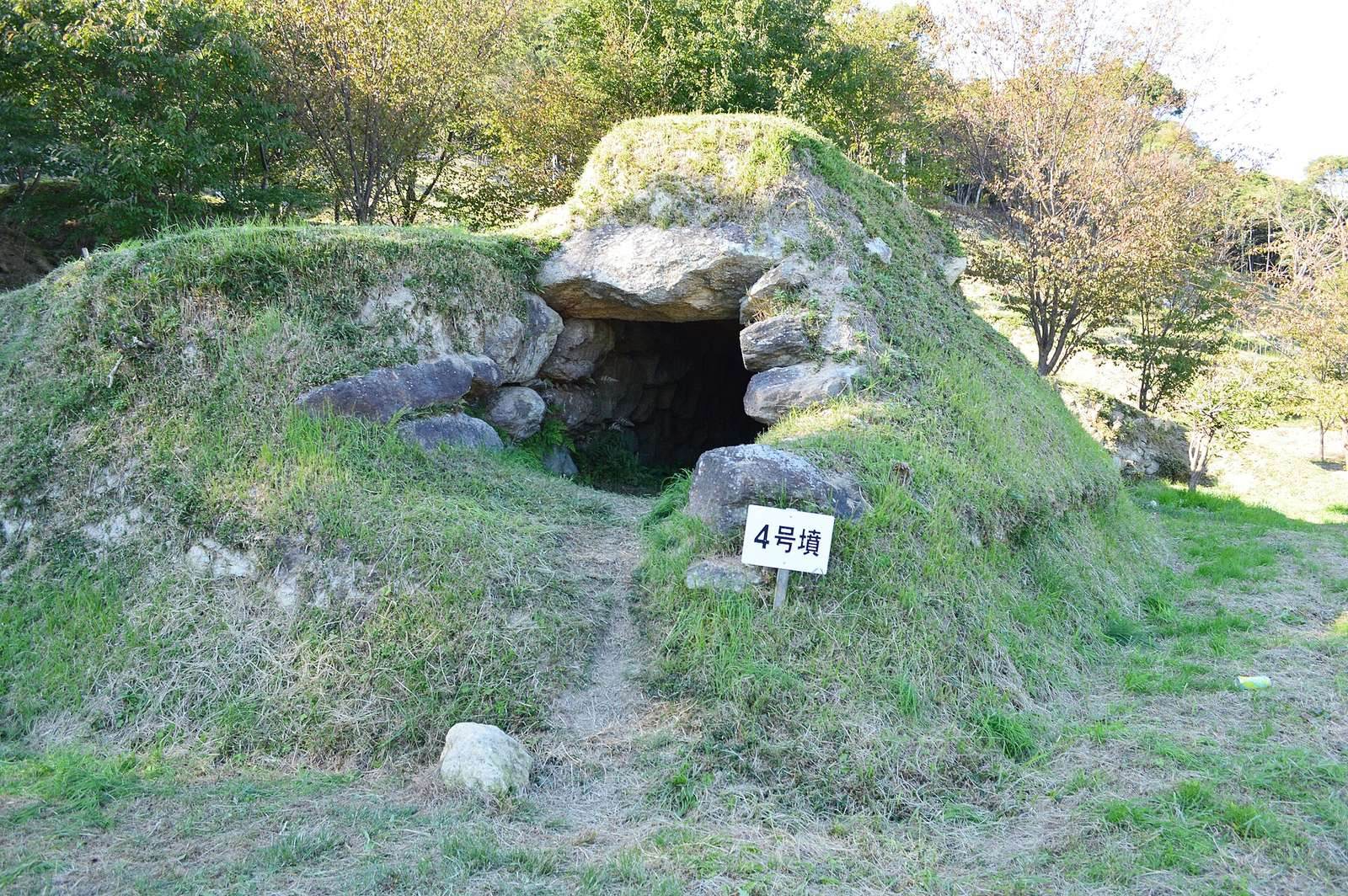
The thirteen identified tombs occupy a river basin on the east bank of the Ichikawa, at the eastern foot of a mountain also known as Little Fuji. Each has a relatively large stone burial chamber entered from the side through a passage.
Individual tombs
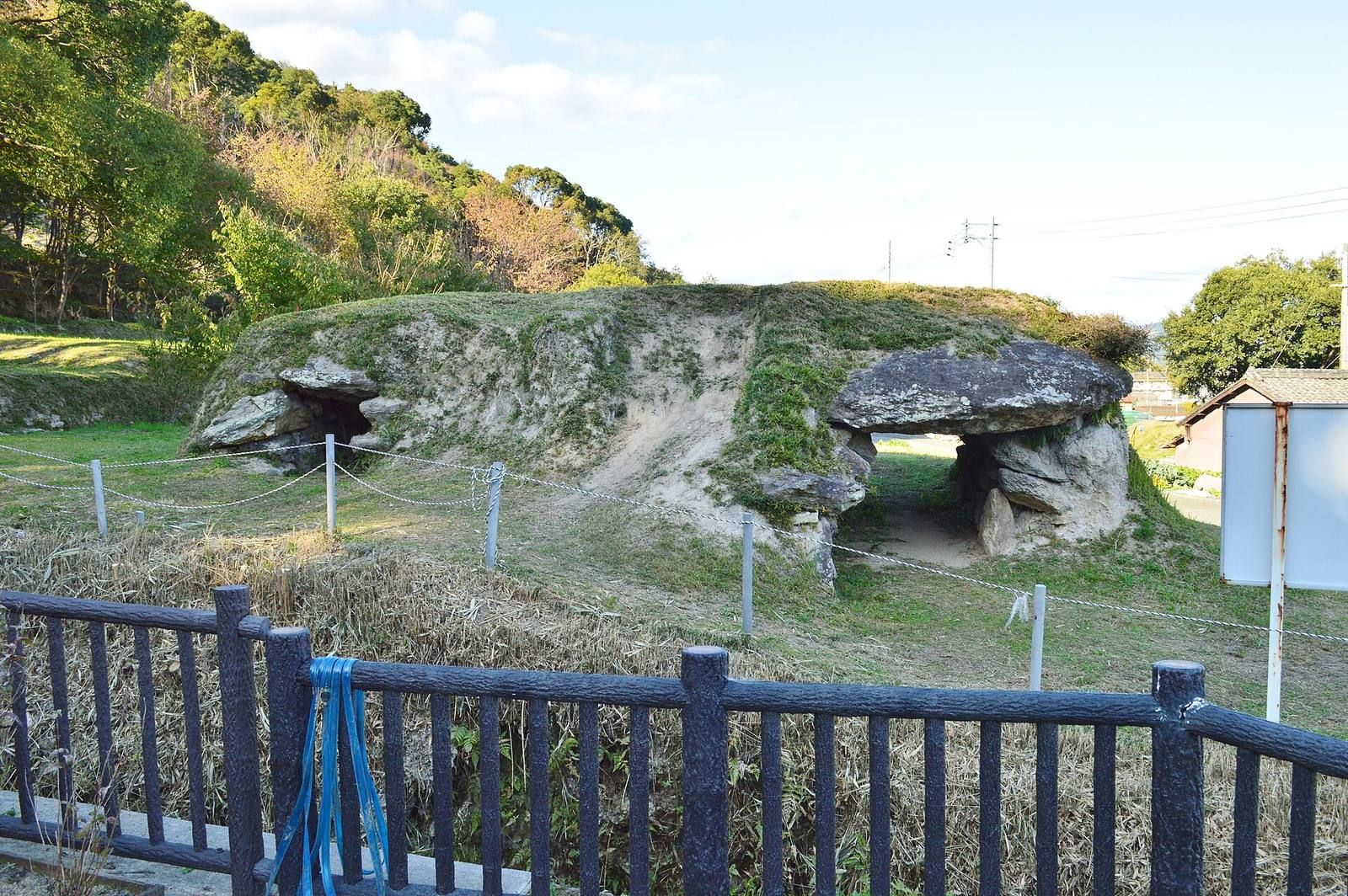
Tomb No. 6
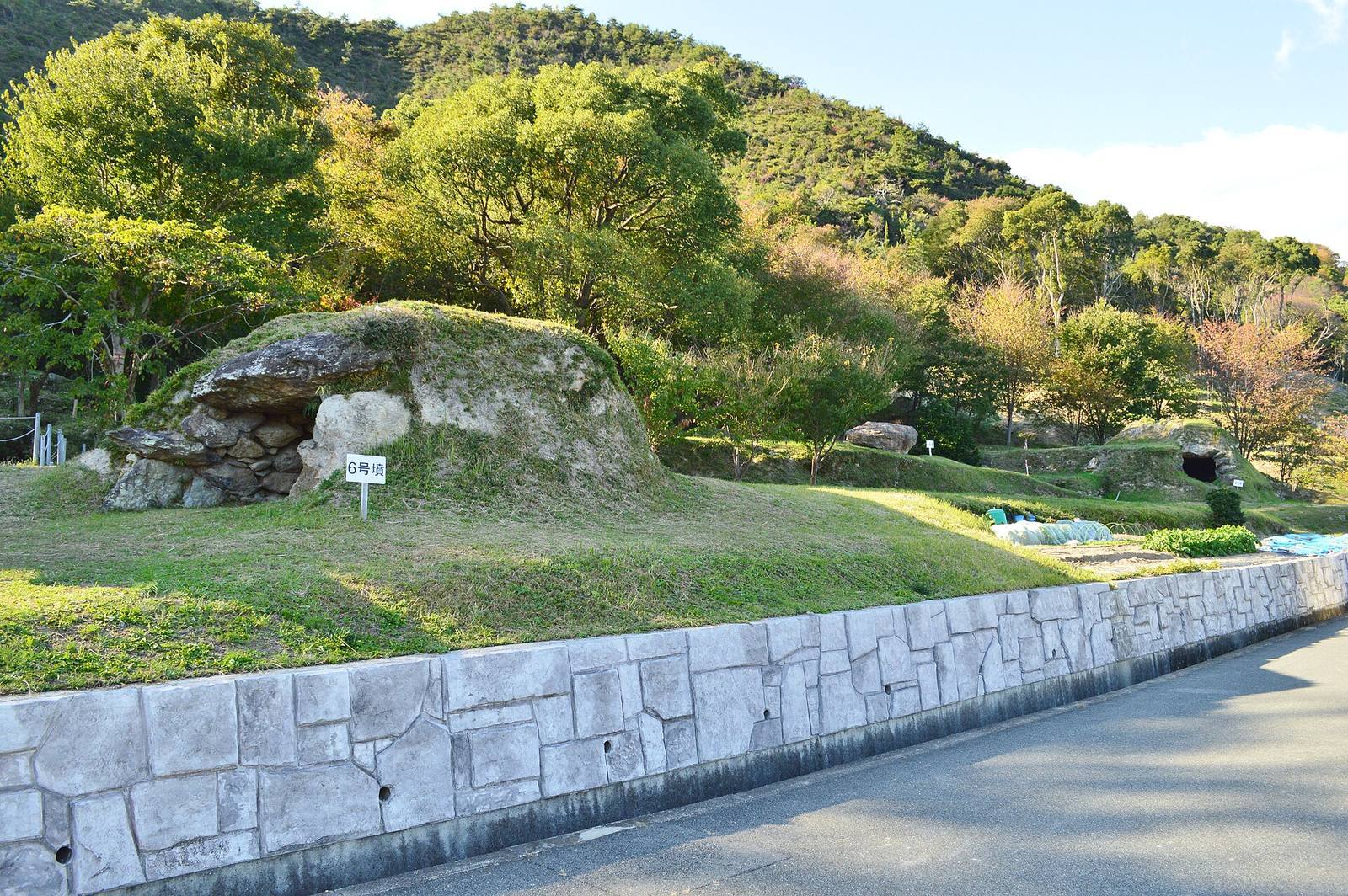
Tomb No. 6 has an unusual arrangement, with two side-entry stone chambers inside a single burial mound. A Sue ware cup, a type of Japanese stoneware, from the tomb bears marks resembling pawprints that are thought to have been made by a cat.
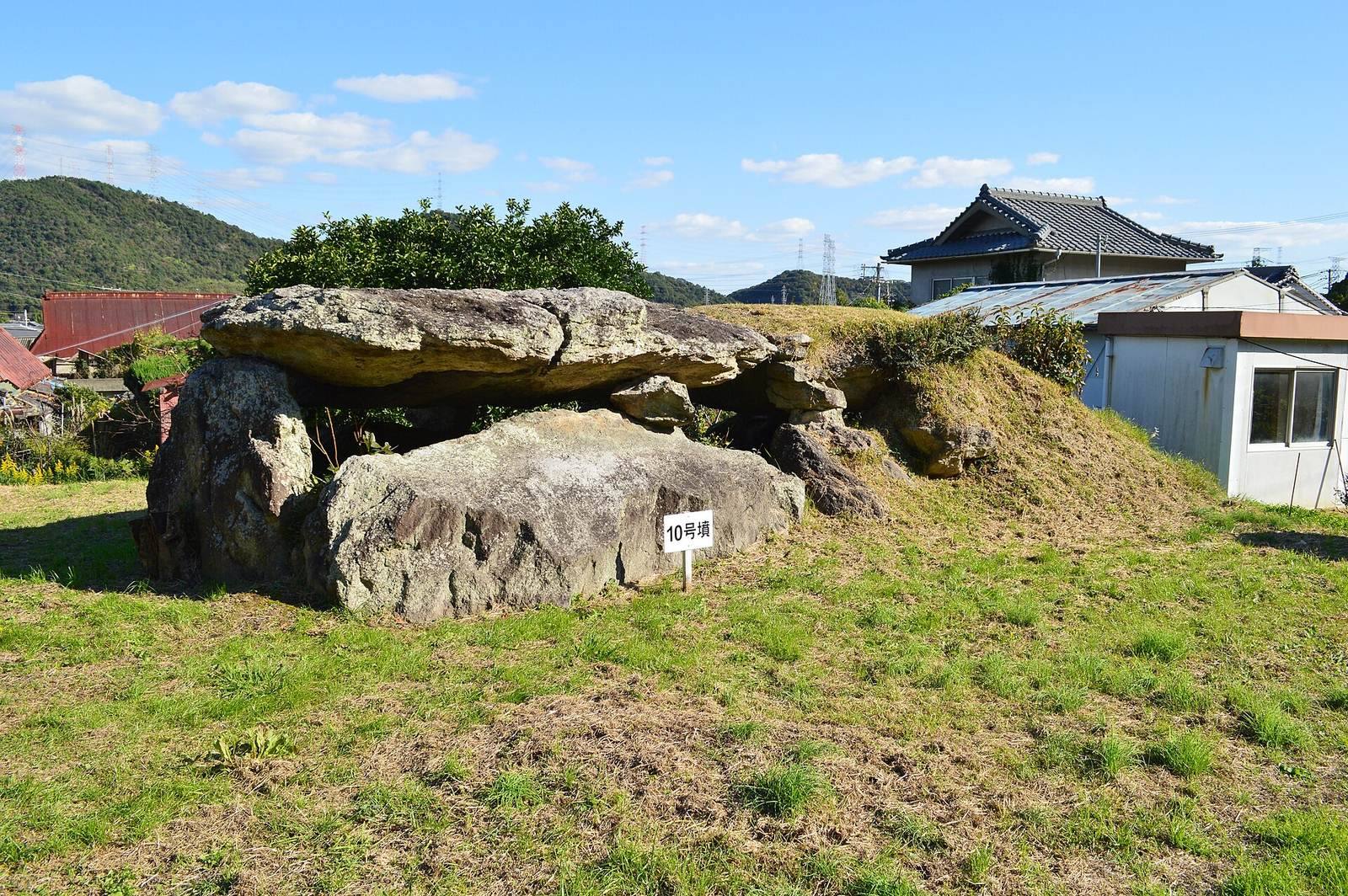
Tomb No. 10
The earth covering Tomb No. 10 has been lost, leaving its stone burial chamber exposed. This appearance inspired the nickname “Himeji’s Stone Stage,” after Ishibutai Kofun, a well-known burial mound in Asuka, Nara Prefecture, noted for its exposed stone chamber.