Mezdra Fortress: A Multi-Period Archaeological Complex in Bulgaria
Site at a Glance
- Rating
- 4.6
- Popularity
- Very Low
- Country
- Bulgaria
- Primary era
- Medieval
- External website
- Open
- Eras represented
- Stone Age, Bronze Age, Classical, Medieval
- Civilizations
- Byzantine, First Bulgarian Empire, Roman, Thracian
- Site type
- Military
- Remains
- Fort
On this page9 sections
History
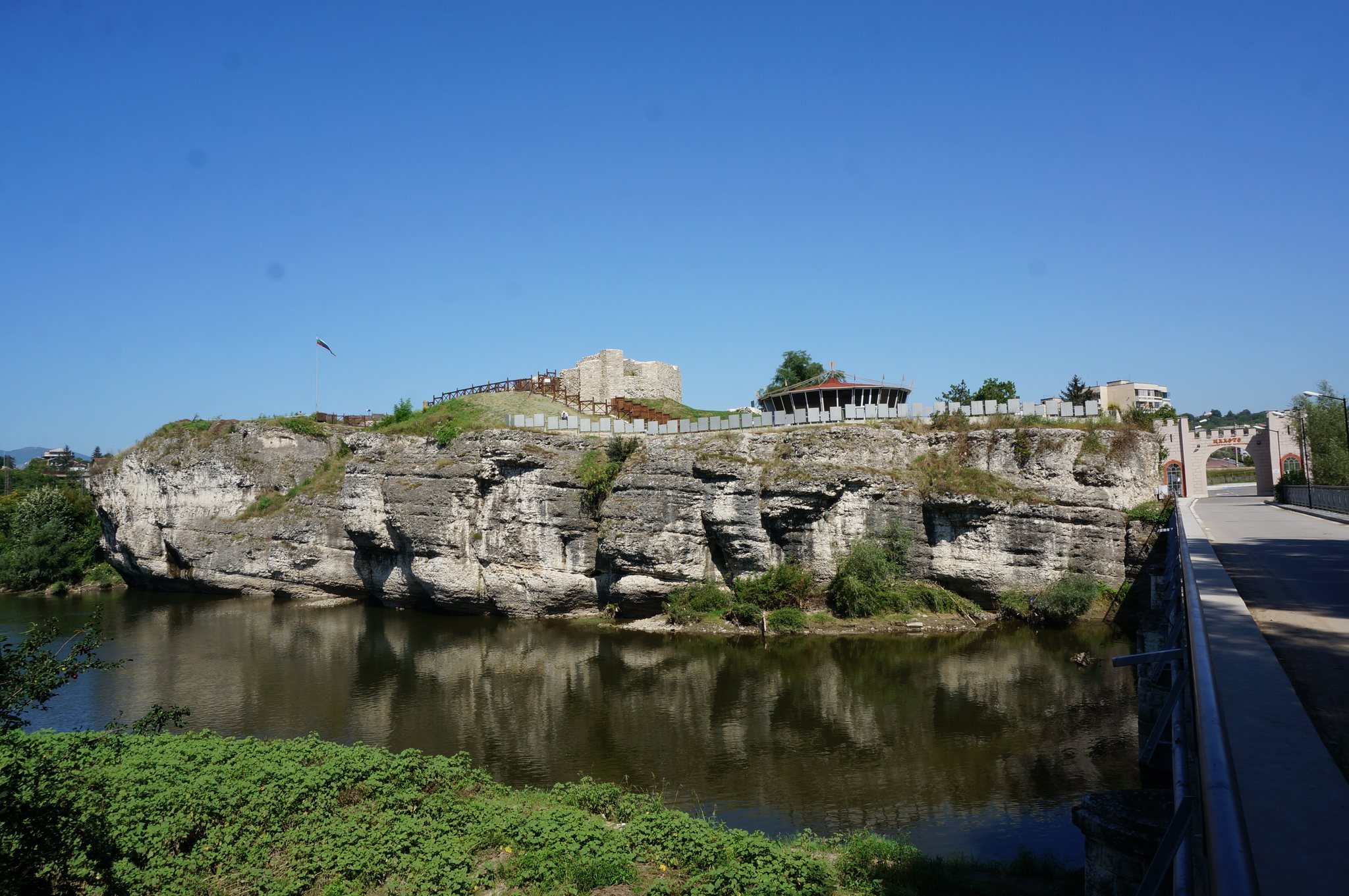
Mezdra Fortress, also known as the Kaleto Archaeological Complex, is an archaeological site in the town of Mezdra, Bulgaria, preserving approximately 70 centuries of human history on a rocky ridge above the left bank of the Iskar River. Its remains span the Chalcolithic, or Copper Age, the transition to the Bronze Age, Thracian and Roman antiquity, Late Antiquity, and the medieval period. The ridge stood at a crossroads of major routes, giving the settlement lasting strategic importance.
Prehistoric settlements and sacred traditions
Two successive fortified settlements occupied the hill during the late Chalcolithic period, in the second half of the fifth millennium BCE, and during the transition to the Bronze Age, in the first half of the fourth millennium BCE. Both settlements were destroyed by fire. Numerous finds indicate that the community near Mezdra flourished as a craft center at the end of the Chalcolithic period.
An aurochs sanctuary was discovered at the site in 2008. The aurochs, the extinct wild ancestor of domestic cattle, was treated in the sanctuary’s religious tradition as a pagan divine or world-supporting figure. About 2,500 years later, an early Thracian sacred structure was established at the same location, creating a long sequence of ritual activity on the hill.
Thracian and Roman periods
The Triballi, an ancient Thracian people of the central and northwestern Balkans, inhabited the area until the first century CE. Rome then conquered the settlement and the wider region of Moesia, an ancient territory of the lower Danube and northern Balkans that became a Roman province.
The Roman period brought several successive uses to the site. A Roman fortification existed in the mid-second century, followed by a pagan cult center in the third century. From the fourth to the sixth century, the hill supported a fortified settlement. Bronze coins issued under the emperors Domitian, Claudius II Gothicus, and Probus, along with other objects, belong to the Roman phases.
Late Antiquity and the medieval settlement
During the Migration Period, the era from roughly the fourth to the seventh centuries marked by large-scale movements and invasions across Europe, the fortress and settlement were destroyed repeatedly. Slavic groups reached the area in the seventh century. Coins from the reign of the Byzantine emperor Justin II, who ruled from 565 to 578, provide an approximate indication for the beginning of Slavic settlement at Mezdra.
Bulgarians associated with Asparukh, an early ruler linked with the establishment of the First Bulgarian Empire, later settled in the area. An Old Bulgarian settlement developed on the ruins of the Late Antique fortified settlement between the ninth and eleventh centuries. In the eleventh century, Byzantine emperor Basil II, whose reign lasted from 976 to 1025 and who expanded Byzantine control over Bulgarian territories, conquered the fortress and the surrounding northwestern Bulgarian lands.
Conservation and interpretation
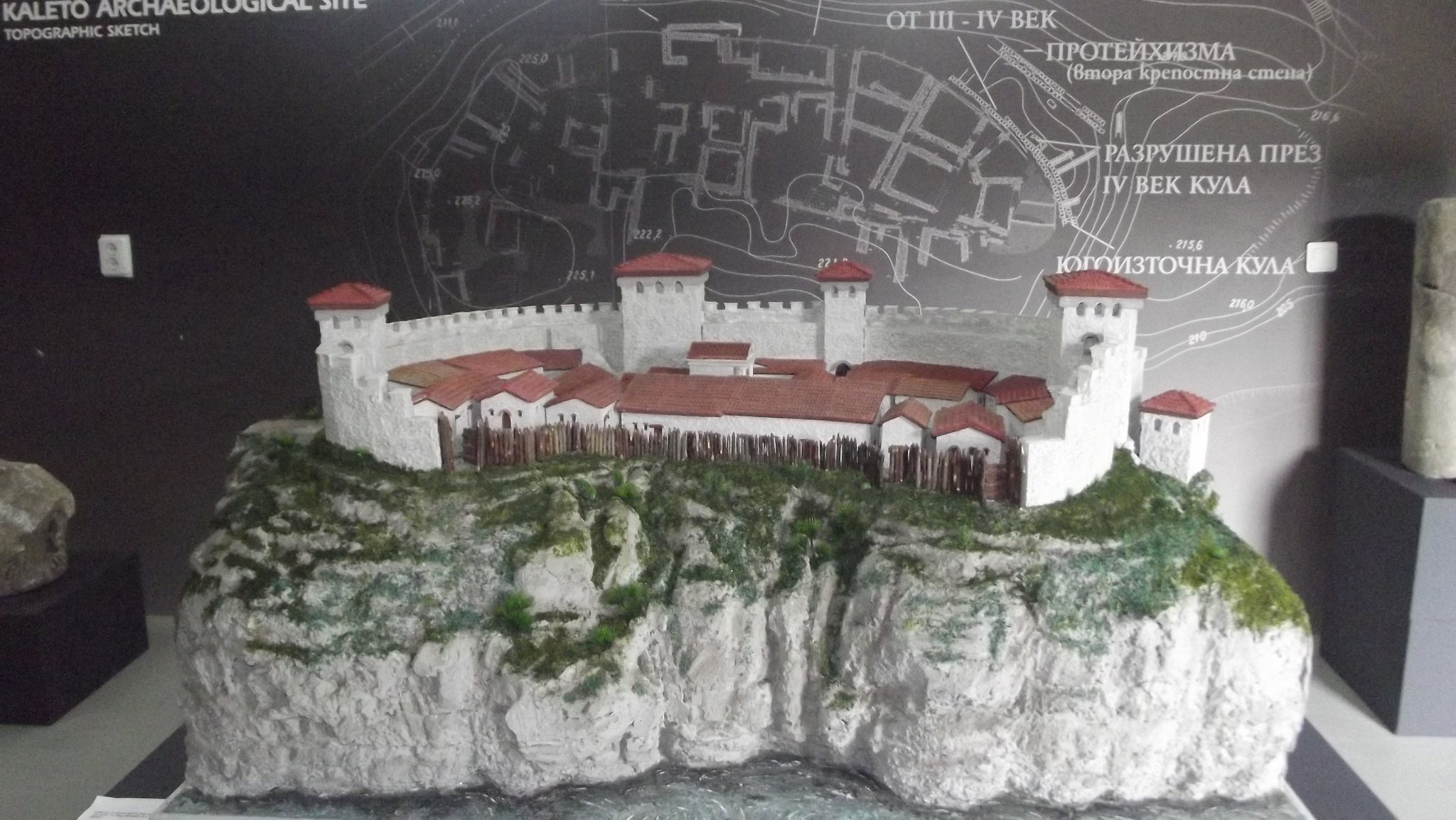
A modern restoration and conservation project created the archaeological complex seen today. It conserved the remains, reinforced the fortress wall and foundations, added an exhibition superstructure, and established interpretive routes. The project also reconstructed the site’s technical infrastructure and created an exhibition hall presenting finds and remains from five historical periods. Mezdra Fortress is recognized as a national monument of culture and is included among Bulgaria’s hundred national tourist sites as object 16A.
Remains
Ridge and prehistoric remains
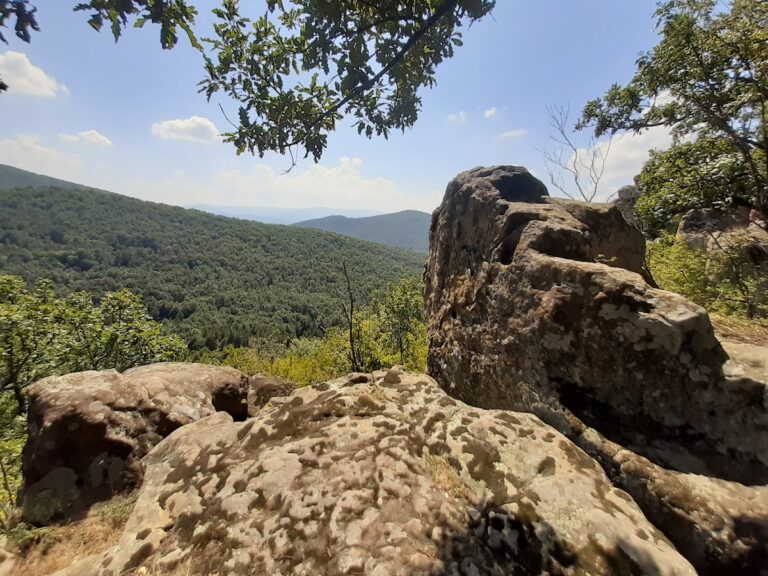
The complex occupies a naturally defensible, high rocky ridge overlooking the left bank of the Iskar River in the southwestern part of Mezdra. The hill’s position at a historical crossroads helps explain the succession of fortified settlements and military structures preserved there. Archaeological remains from two prehistoric fortified settlements survive on the ridge, one from the late Chalcolithic period and the other from the transition to the Bronze Age.
The Chalcolithic aurochs sanctuary lies on the hill and is one of the site’s distinctive archaeological features. Its remains have no known parallel in Bulgaria. Directly above it are the foundations of the later pagan sanctuary and cult center, where the early Thracian sacred structure was built approximately 2,500 years after the aurochs sanctuary.
Roman and Late Antique structures
The hill preserves the remains of a Roman fortification, a third-century pagan cult center, and a fortified settlement dating from the fourth to the sixth century. Excavations produced bronze coins associated with Domitian, Claudius II Gothicus, and Probus, as well as bronze fibulae, ancient brooches used to fasten clothing, belt ornaments, a torc, or rigid neck ring, and a silver leaf from a laurel wreath.
A rare bronze cast eagle was found beneath the foundation of the fortress wall. The eagle was an emblem of Roman imperial authority and power, and this object is among the earliest known depictions of the bird. A bronze key was found among the remains of the site’s most representative building. Because of the fortress’s strategic position, archaeologists have interpreted it as a possible symbolic “key to the Northwest.”
Conserved archaeological complex
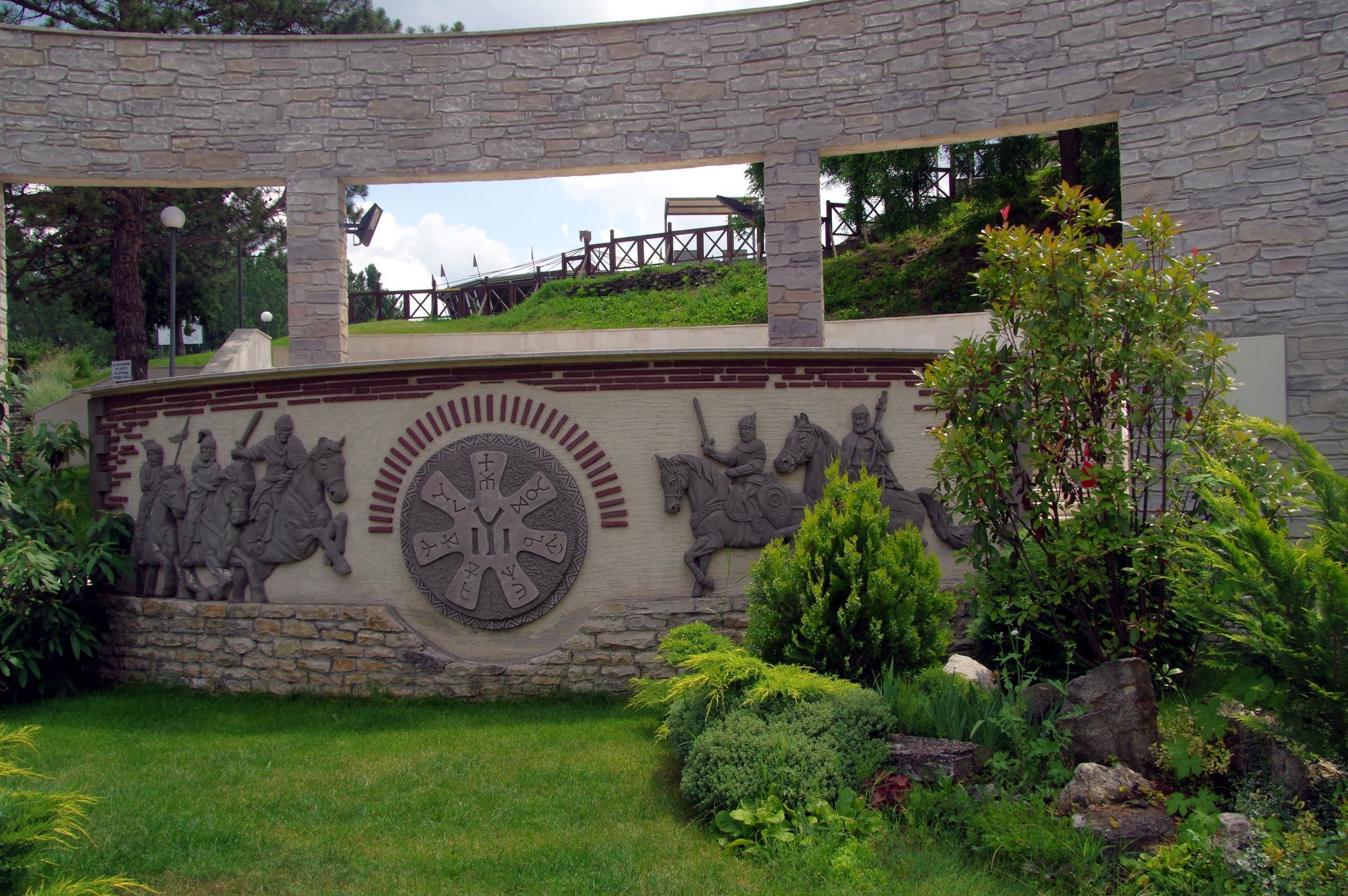
The present complex includes conserved and reinforced fortress remains, an exhibition superstructure, and interpretive routes. Its exhibition hall contains archaeological finds, distinctive objects, and remains from the site’s five principal historical periods. A modern amphitheater stage, decorative colonnade, artistic lighting, and reconstructed technical infrastructure form part of the complex, together with a rehabilitated park area and an expanded and reconstructed parking area.
An information center, workshop rooms, and a souvenir shop are also incorporated into the archaeological complex.