Transfiguration of Jesus Monastery, Skravena: A Bulgarian Orthodox Monastic Site
Site at a Glance
- Popularity
- Very Low
- Country
- Bulgaria
- Primary era
- Early Modern
- Eras represented
- Medieval, Early Modern
- Civilizations
- Ottoman, Second Bulgarian Empire
- Site type
- Religious
- Remains
- Church
On this page7 sections
History
Foundation and medieval community
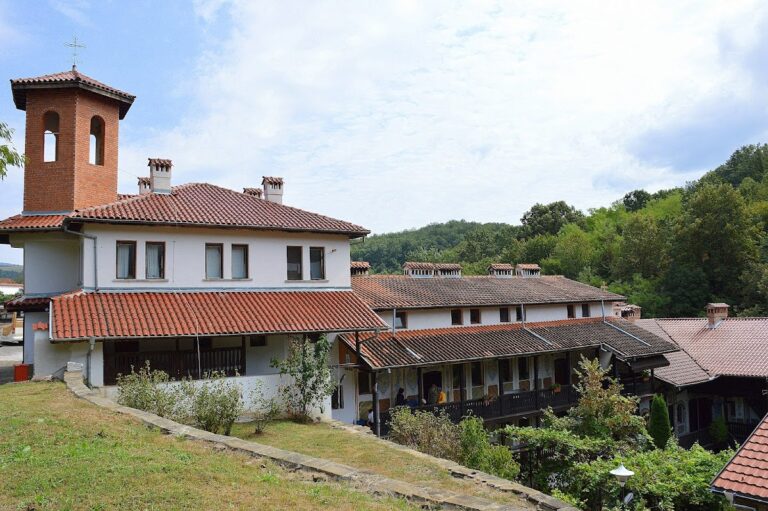
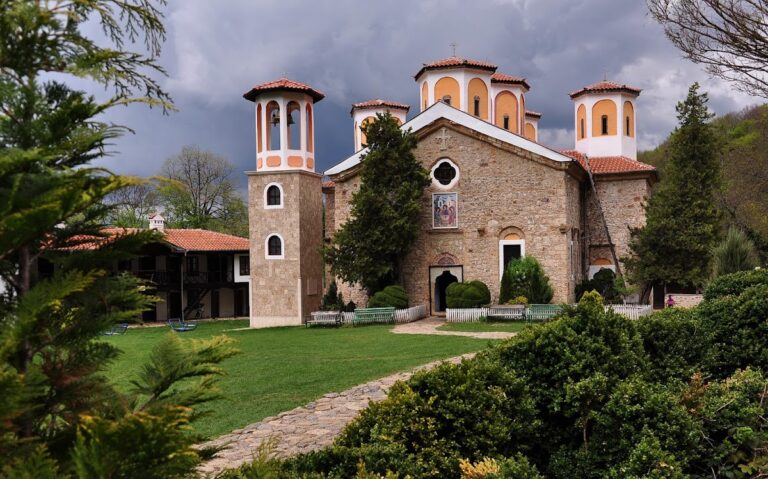
The Transfiguration of Jesus Monastery, Skravena, is a medieval Bulgarian Orthodox monastery in Bulgaria, traditionally believed to have been founded around 1240. Its dedication refers to the Gospel event in which Jesus is revealed in divine glory to three disciples. Tradition holds that Tsar Ivan Asen II, ruler of the Second Bulgarian Empire, admired the location while passing through and ordered a religious house built there, providing a substantial donation.
The monastery developed into an important spiritual center, with more than 40 monks, and operated a school that prepared monks to serve at spiritual centers across the Bulgarian state. It also maintained ties with Etropole Monastery and Glozhene Monastery. In 1479, Turkish forces looted and burned the monastery, razed it, and killed its monastic community.
Restoration and later history
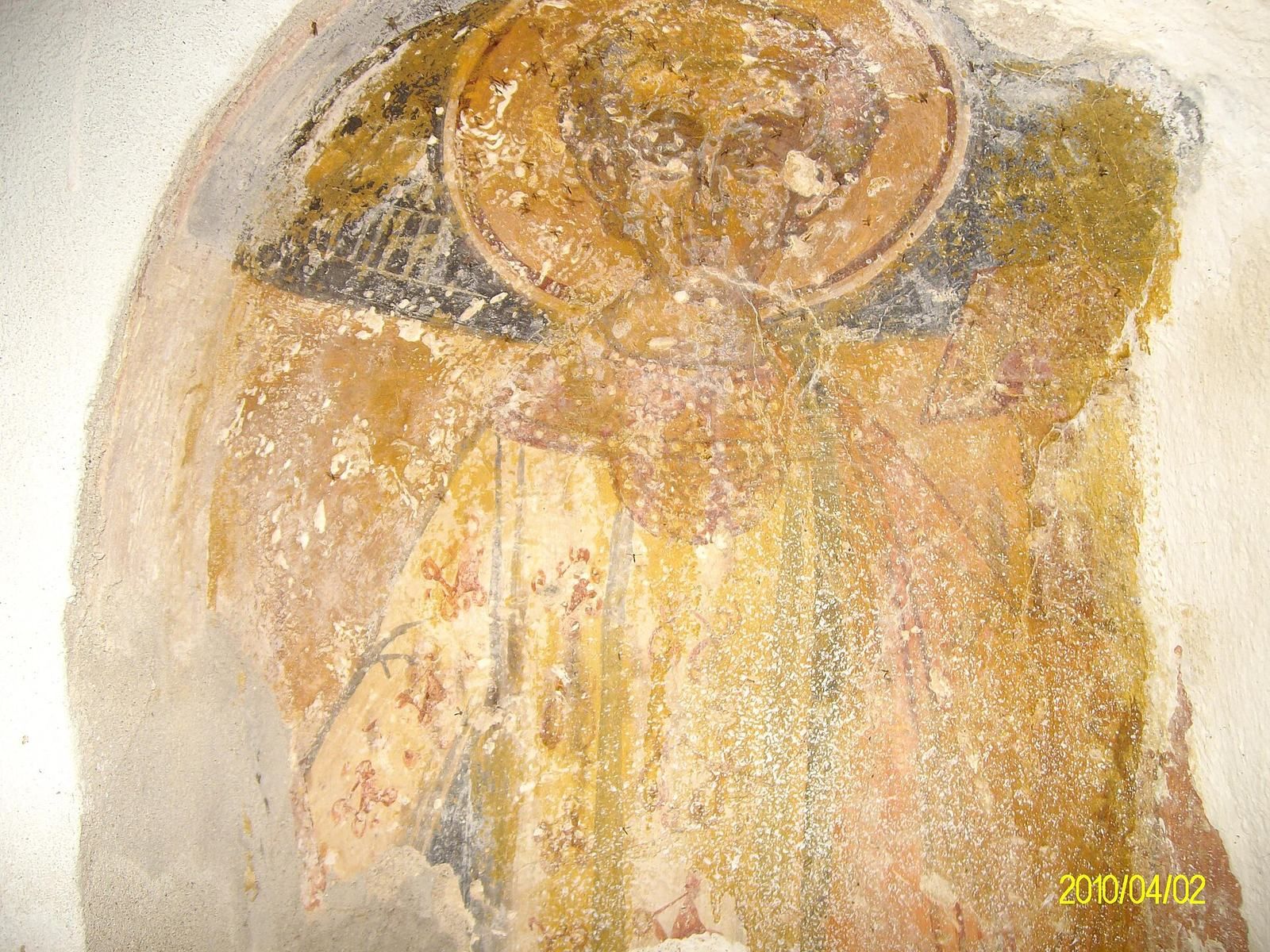
The monastery was restored in 1608. In 1632, Pimen Zografski, a Bulgarian Orthodox monk and church painter, added painted decoration. In 1864, the monastery was again looted and destroyed, and its monks were massacred. A longstanding tradition tells that one monk escaped with the monastery’s holy relics but was caught and killed at Kreshta.
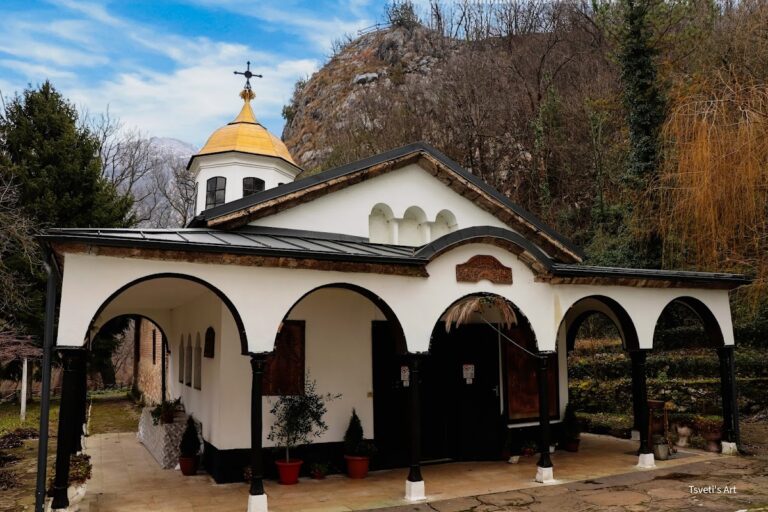
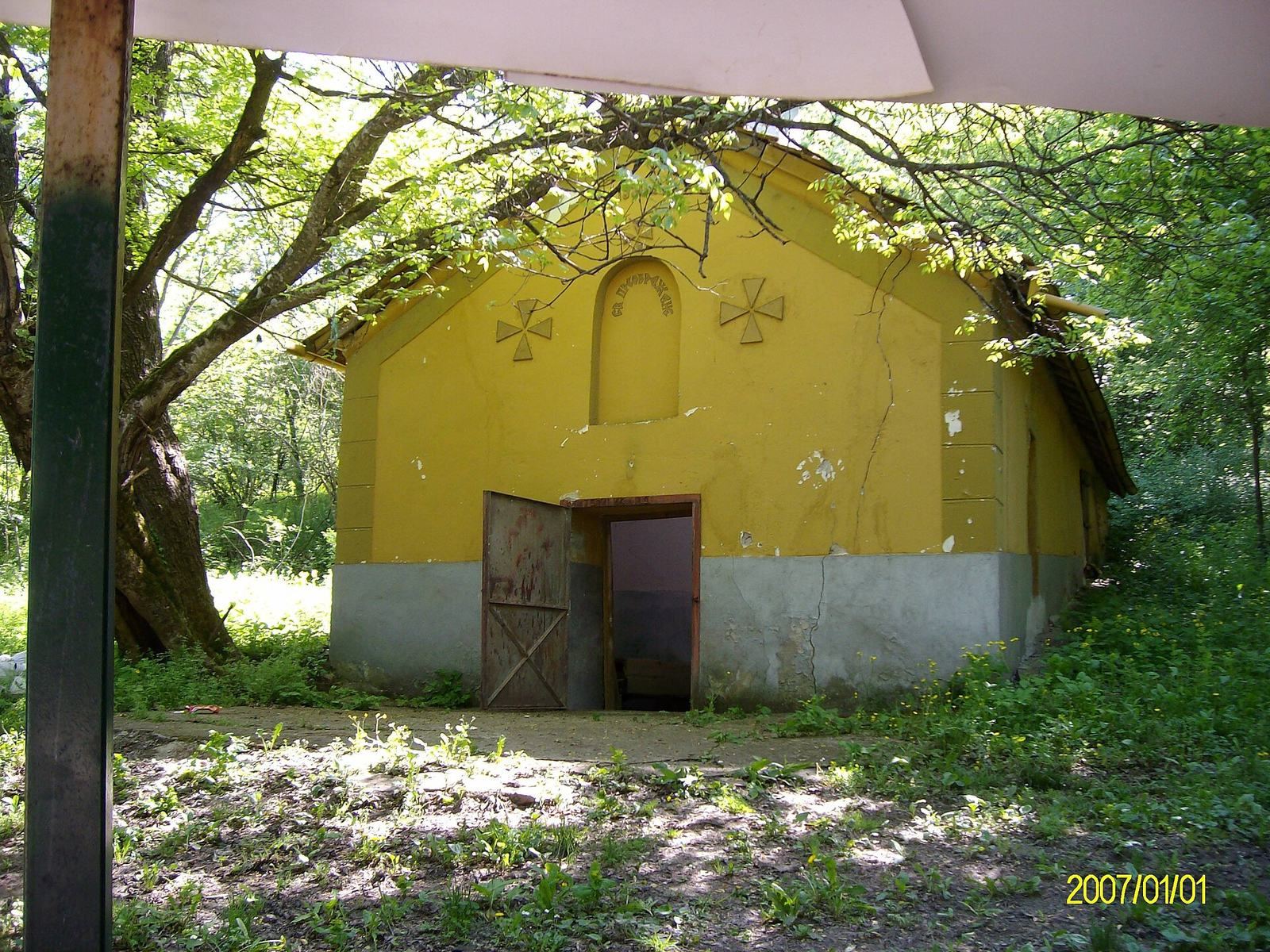
Historian Petar Mutafchiev identified the monastery’s remains in 1915. A church was rebuilt on the earlier foundations in 1930. The church remains active within the Bulgarian Orthodox Church–Bulgarian Patriarchate and the Diocese of Lovech, an ecclesiastical district administered by a bishop.
Remains
Surviving features
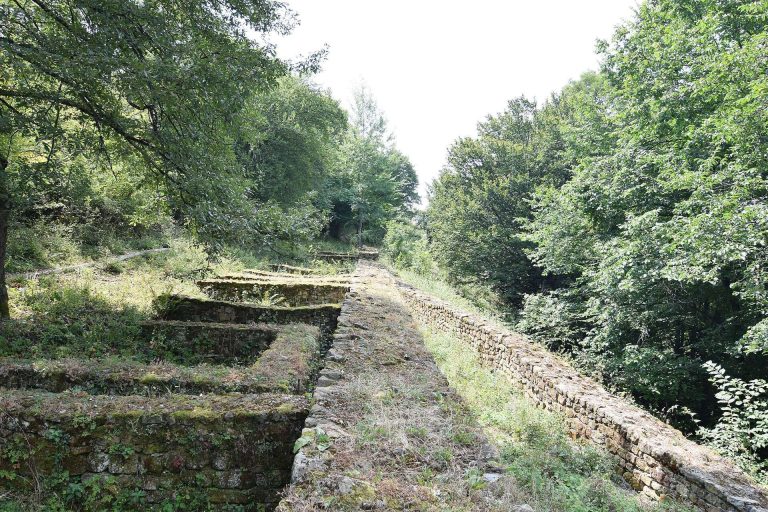
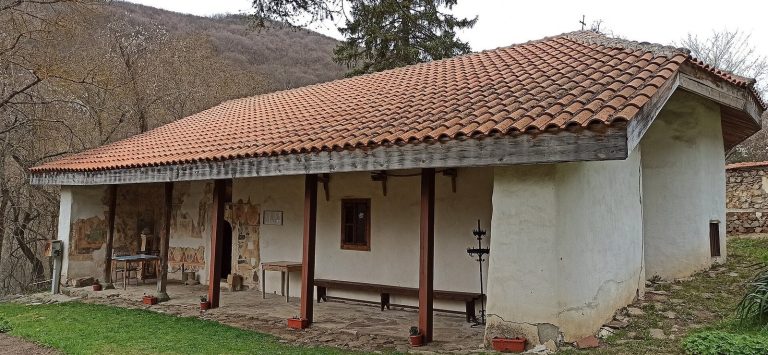
The surviving features include a church standing on the earlier foundations, remnants of old walls with painted decoration, and a spring at Kreshta.
Church and foundations
The church occupies the monastery’s earlier foundations. Remnants of the old walls and their painted decoration are visible inside it.
Spring at Kreshta
The spring at Kreshta is traditionally said to have emerged from a stone. Its water is also believed to have healing properties.