Merzifonlu Kara Mustafa Paşa Mosque: An Ottoman Mosque in Merzifon


Site at a Glance
- Rating
- 4.8
- Popularity
- Low
- Country
- Turkey
- Primary era
- Early Modern
- External website
- Open
- Eras represented
- Early Modern
- Civilizations
- Ottoman
- Site type
- Religious
- Remains
- Mosque
On this page4 sections
History
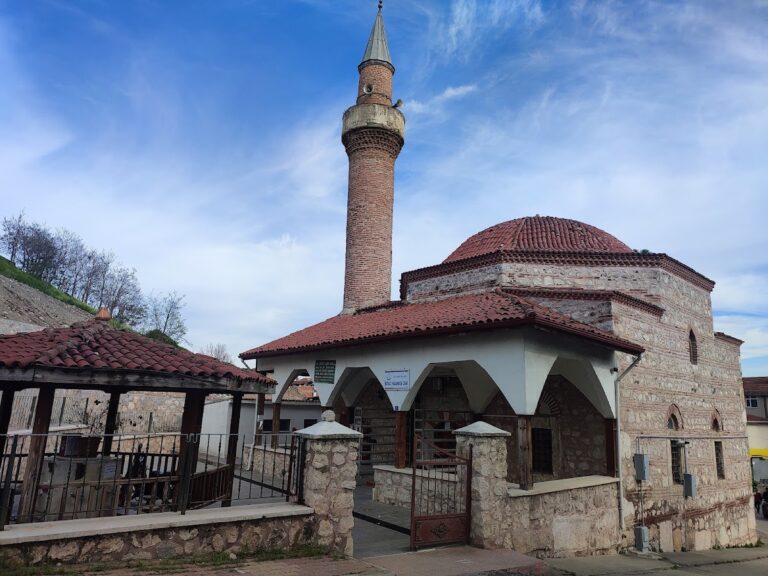
Merzifonlu Kara Mustafa Paşa Mosque is an Ottoman mosque in Turkey, built in 1666 in the center of Merzifon during the reign of Sultan Mehmed IV. Its founder, Merzifonlu Kara Mustafa Paşa, was the Ottoman grand vizier, the empire’s chief minister and a senior political and military official. Also known as Paşa Mosque, it is affiliated with Islam and remains in use as a mosque. It is described as one of the largest mosques in Amasya Province and the largest mosque in Merzifon district.
The mosque is owned by the General Directorate of Foundations. Restoration projects commissioned by the directorate, with support from the Merzifon Mufti’s Office, led to its reopening for use in early September 2005. These works form part of the building’s modern history while its religious function continues.
Remains
Prayer Hall
The mosque has a rectangular plan and is built of cut stone. Its worship area is arranged in two parts, with the principal prayer space covered by a single main dome. Smaller domes connect the areas between the supporting piers to the central space. In the middle, a large prayer niche rises beneath a half-dome and stands higher than the adjoining side sections, creating a distinctive interior arrangement. Four secondary domes occupy the corners, and three rows of windows bring light into the interior. A single minaret completes the mosque’s principal architectural elements.
Courtyard and Entrances
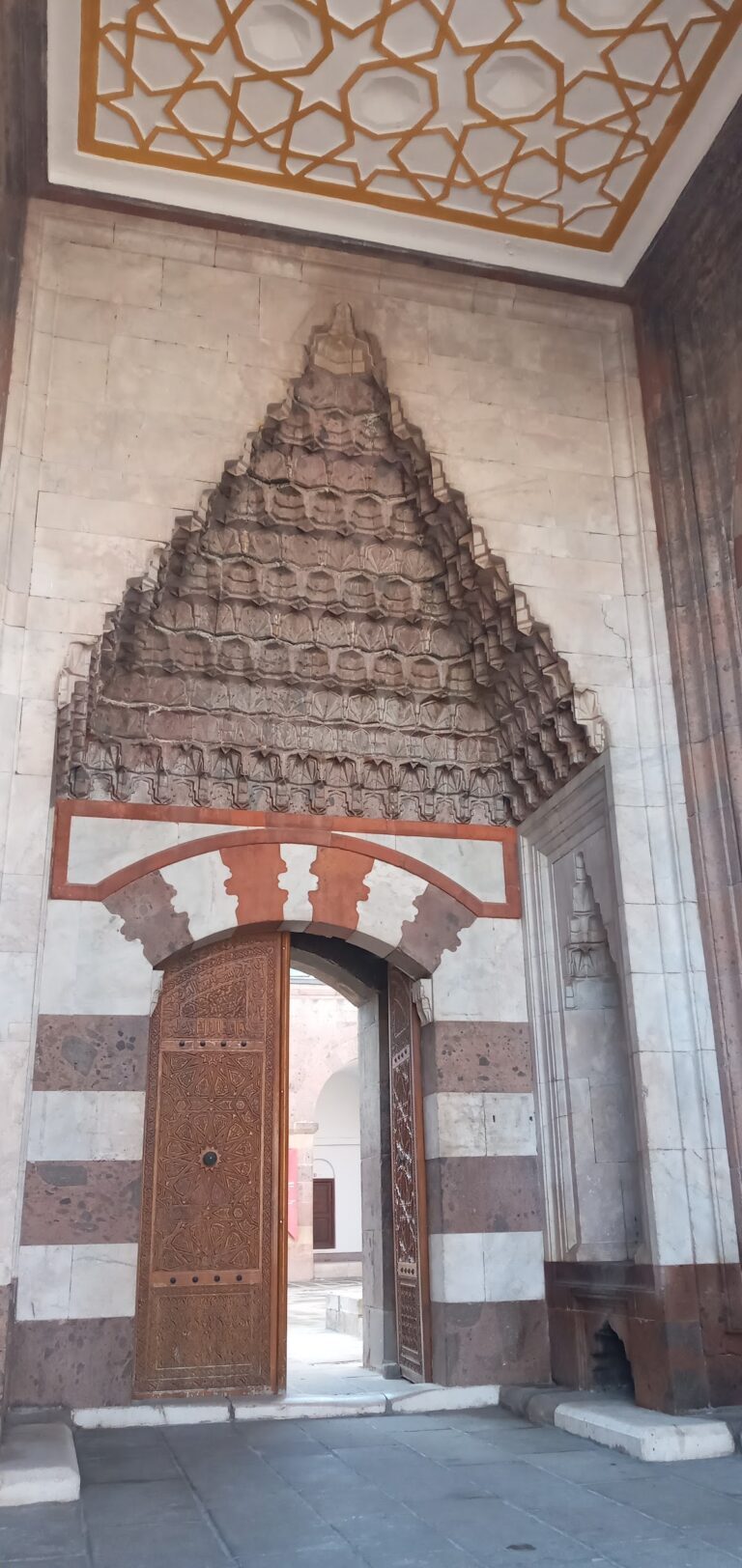
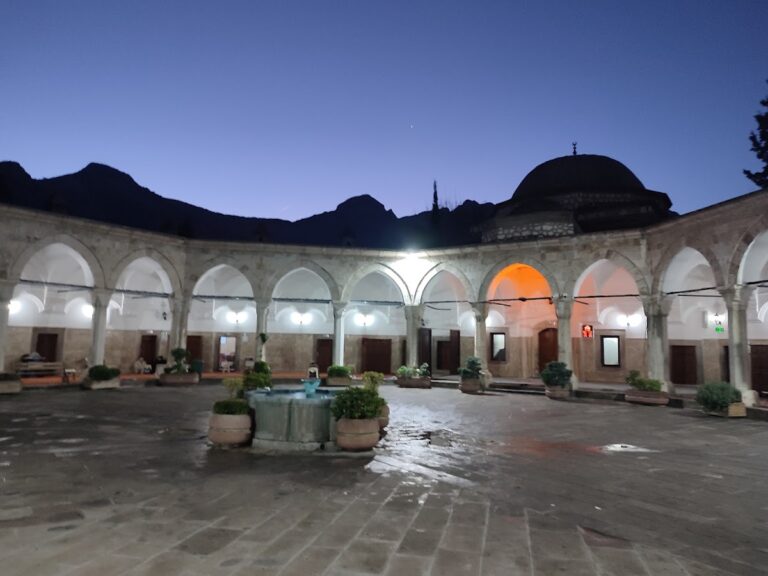
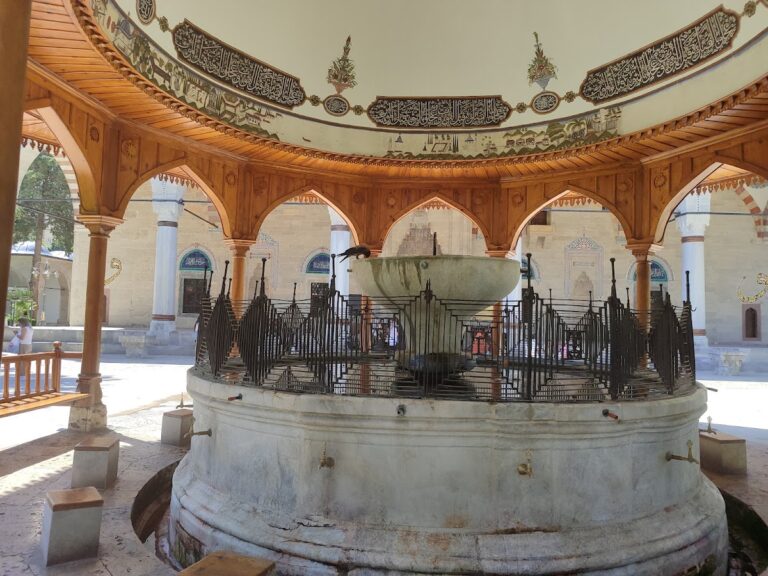
The courtyard contains a shadirvan, a fountain traditionally used for ablution before prayer. Its conical roof carries landscape paintings by Zileli Emin, an Ottoman painter associated with late Ottoman painting. The complex also includes an entrance gate from the direction of the bedesten market, a covered Ottoman market building traditionally used for valuable goods, together with an entrance door and an associated inscription. Monumental trees stand within the courtyard.