Markuh Castle: A Post-Islamic Fortress in Iran
Visitor Information
Google Rating: 4.4
Popularity: Low
Country: Iran
Civilization: Early Islamic
Site type: Military
Remains: Castle
History
Markuh Castle is situated in the municipality of Ramsar within modern Iran, and its origins trace back to the early Islamic era. Although the exact date of its construction is unknown, scholars estimate it was built around the 3rd century AH (approximately the 9th century CE) based on textual sources and architectural comparisons with other fortresses from that period, such as Babak Castle.
During the 6th century AH (12th century CE), the castle gained historical prominence when it came under the control of the Ismailis, a sect known for their strategic strongholds. This event is recorded in two notable historical chronicles: “Ziyadat al-Tawarikh” and the “Jami’ al-Tawarikh” by the Persian historian Rashid al-Din Fazlullah Hamadani. Specifically, in 536 AH, these sources mention the capture of Markuh Castle by the Ismailis, indicating its military importance at the time.
Over the centuries, the castle’s role evolved alongside the shifting political and military dynamics of the region. While local legends suggested the presence of secret tunnels to nearby villages, rigorous studies have clarified these features were not passageways but rather water storage facilities. This adjustment in understanding highlights the strategic considerations of Markuh Castle’s builders, especially given its challenging access to natural water sources.
Though the castle’s active use declined after the medieval period, it remains an important historical site and was officially recognized as a national heritage monument of Iran on March 16, 2001, securing its preservation and study for future generations.
Remains
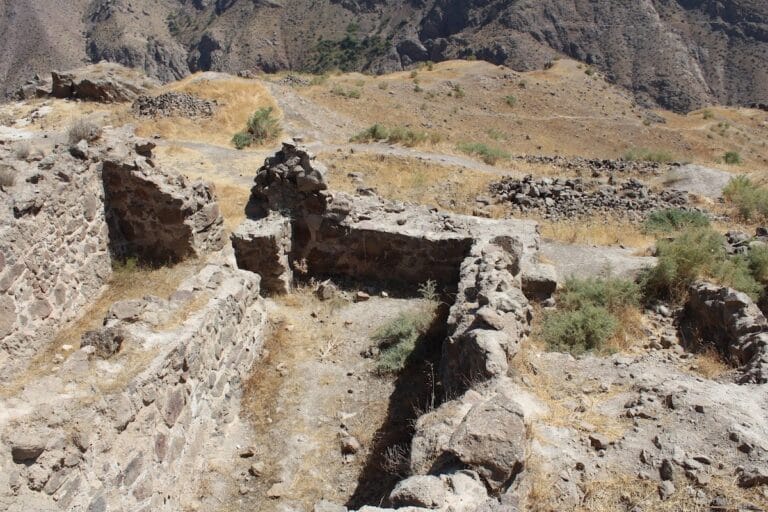
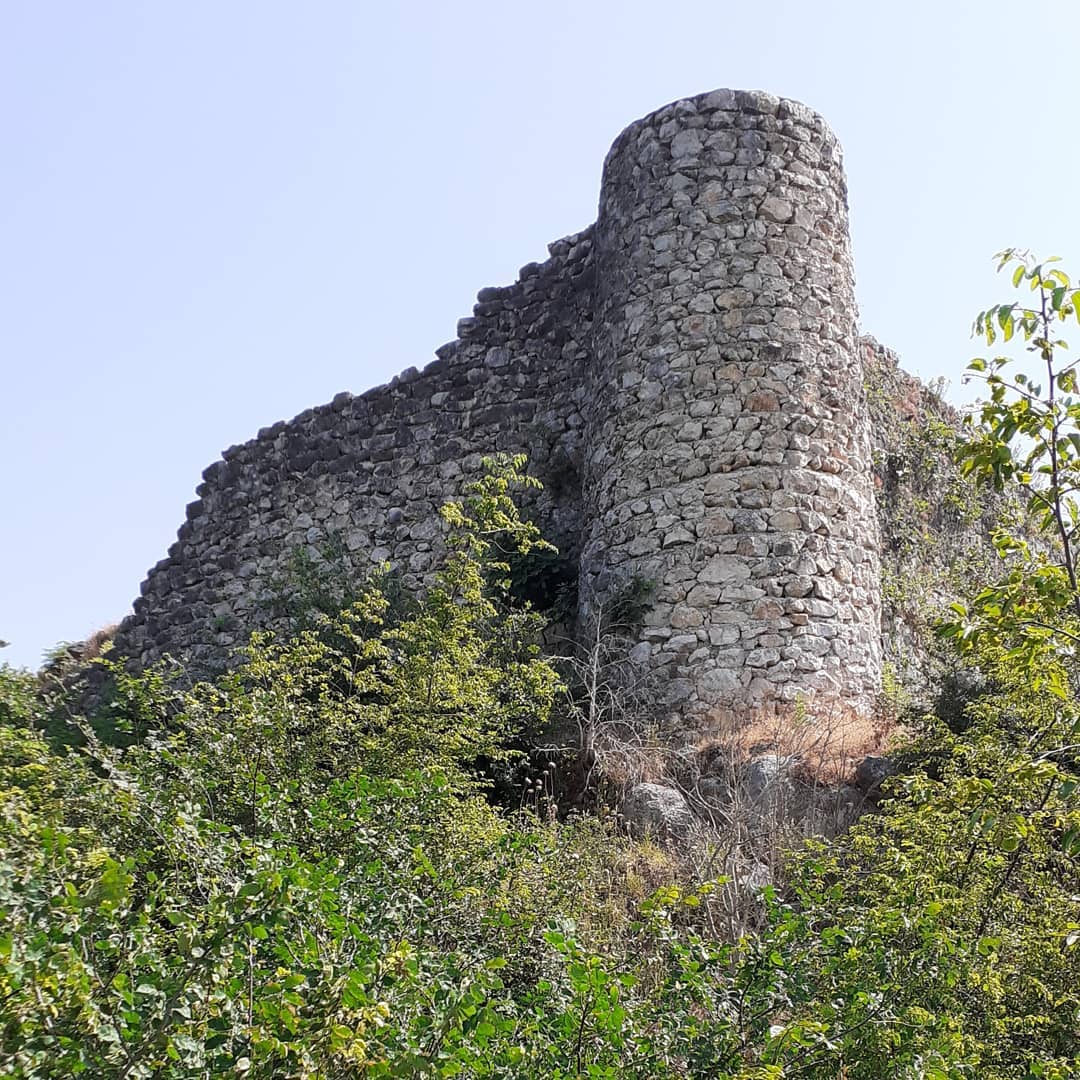
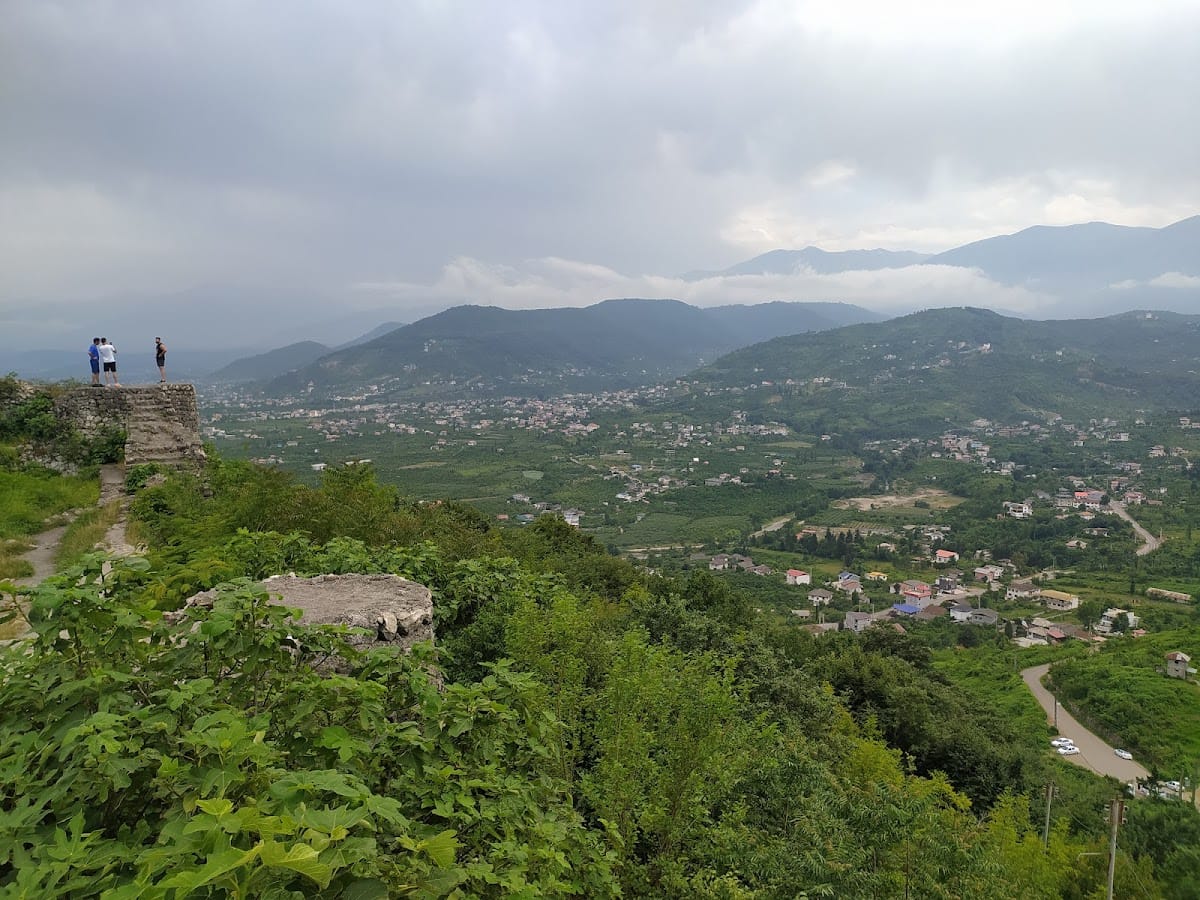
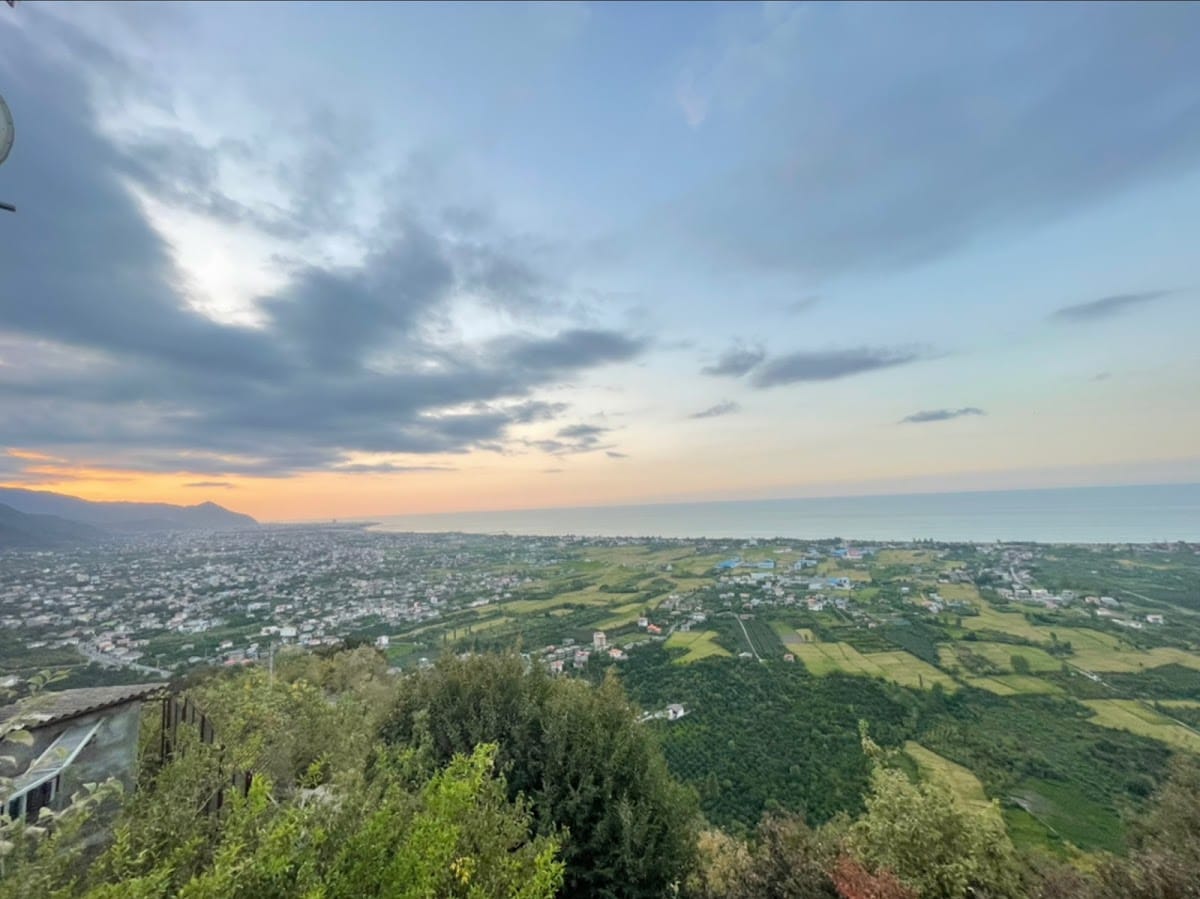
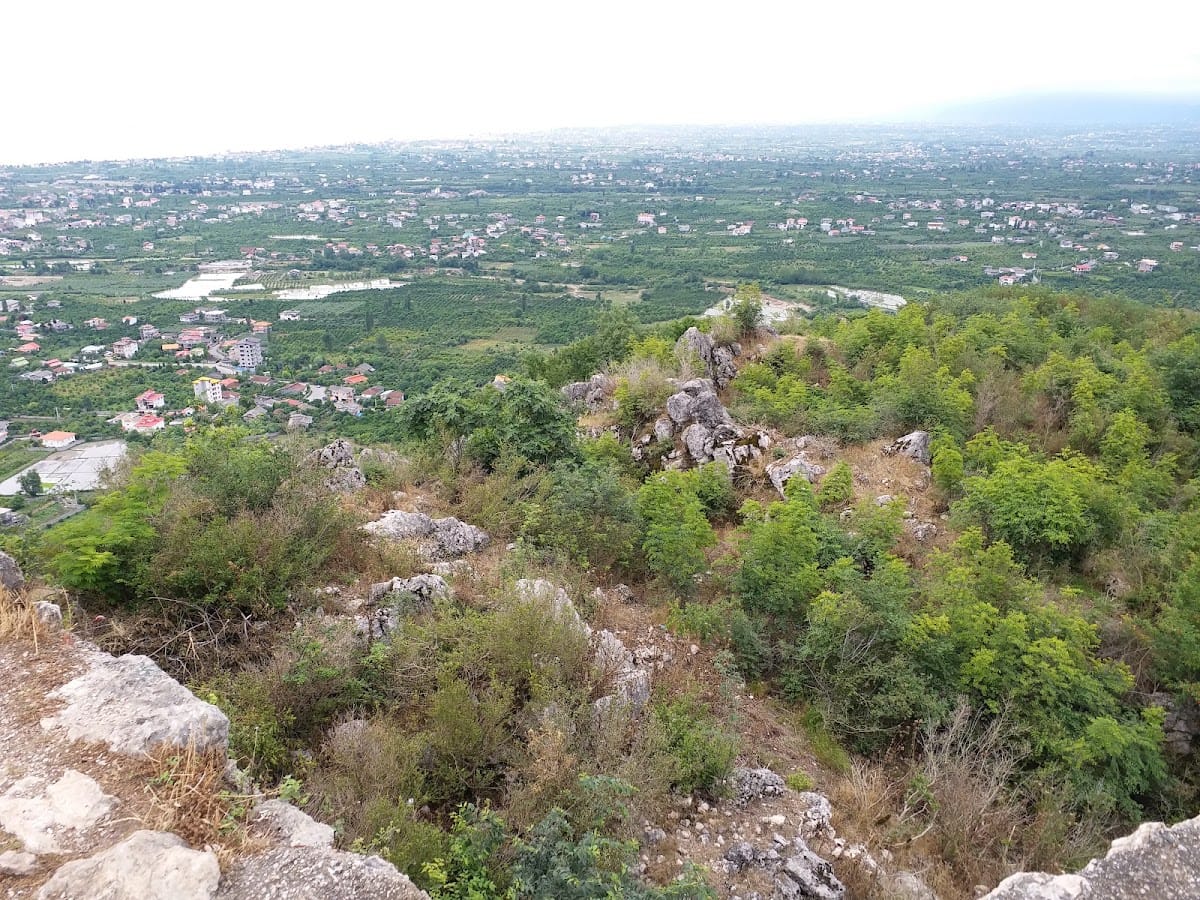
Markuh Castle occupies roughly 600 square meters atop a mountain, offering commanding views in all directions. Its construction showcases typical post-Islamic military architecture using stone, sarooj, a traditional water-resistant mortar, and plaster. Today, only four perimeter walls and some defensive towers remain standing, giving a clear sense of the fortress’s original layout and scale.
The surviving eastern wall stretches about 17.7 meters, rising to a height of 6.3 meters and measuring 2.3 meters wide at its foundation. In contrast, the western wall is shorter at 9 meters long. The northern boundary is divided by a central stone into two sections of nearly 15 meters each. These robust walls likely provided space enough to house approximately a hundred soldiers within, indicating the castle’s role as a military garrison.
One distinctive feature is the “Naqqareh Khaneh,” or drum house, near the summit. Here, striking a particular stone produces a resonant sound similar to a drumbeat, audible up to about 2.5 kilometers away. This acoustic effect may have served as a signaling method within the fortress’s communication system.
Inside the enclosure, a significant pit was once thought by locals to be a secret tunnel connecting Markuh Castle to the nearby village of Niaste for urgent troop movements. However, detailed examinations proved this cavity to be a cold water reservoir engineered to compensate for the castle’s lack of direct water supply. This reservoir underscores the practical challenges faced by the castle’s occupants and their solutions for sustaining a defensive stronghold in this mountainous location.
Together, these architectural remains and features demonstrate Markuh Castle’s combination of defensive strategy, resource management, and landscape use during its centuries of use. Despite its fragmented condition, the site provides valuable insight into the military and engineering practices employed in this region during the post-Islamic period.