Malaspina Castle: A Medieval Architectural Complex in Varzi, Italy


Site at a Glance
- Rating
- 4.4
- Popularity
- Low
- Country
- Italy
- Primary era
- Medieval
- External website
- Open
- Eras represented
- Medieval, Early Modern
- Civilizations
- Holy Roman Empire
- Site type
- Military
- Remains
- Castle
On this page11 sections
History
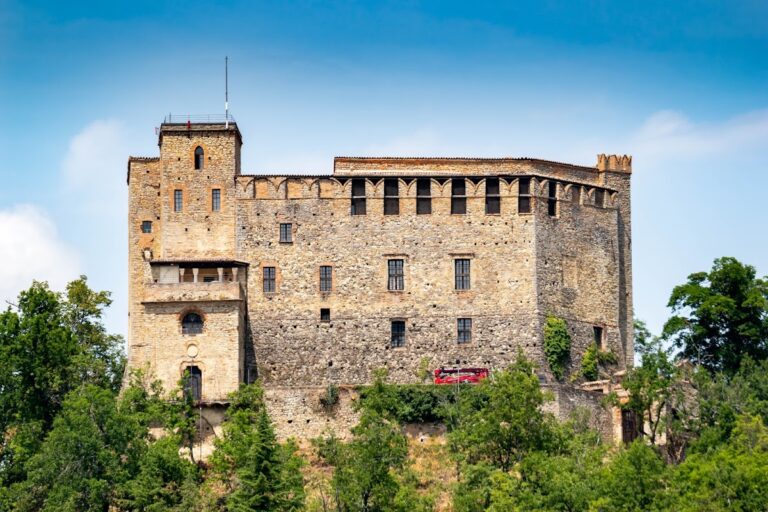
Malaspina Castle is a medieval architectural complex in Varzi, Italy, with construction phases extending from the thirteenth to the eighteenth century. Its history is closely associated with the Malaspina family and the development of Varzi in the Upper Staffora Valley, within the Oltrepò Pavese.
The Malaspina Foundation
In 1164, Emperor Frederick Barbarossa granted the Malaspina family feudal territories stretching from the hills of Rivanazzano to Oramala. The family became a powerful medieval noble house whose possessions extended across parts of the Oltrepò Pavese, the Staffora Valley, and Lunigiana.
The oldest part of the castle probably dates from the second half of the thirteenth century. After the division of the Malaspina family in 1275, the Spino Secco branch established the Marquisate of Varzi. The marquises built a new settlement on higher ground beside earlier houses, creating a fortified addition to the medieval settlement.
The construction was associated with the first of two defensive wall lines. These included a patrol walkway, a passage along the fortification for defenders, above a moat, which was a defensive ditch. The arrangement was specified in the document that formalized the family division.
Ownership and Later History
In 1838, Marietta, the last surviving member of the ancient Malaspina family, married Count Carlo Odetti of Marcorengo. Their descendants remained the owners of the castle, which also became known as Odetti Palace.
The Malaspina Tower, part of the wider architectural complex, passed from the Malaspina family to the Sforza, the Italian ruling dynasty that controlled the Duchy of Milan. It later came under the ownership of the local municipal administration. The tower served as a prison until 1960, with the earliest evidence of that use dating to 1320.
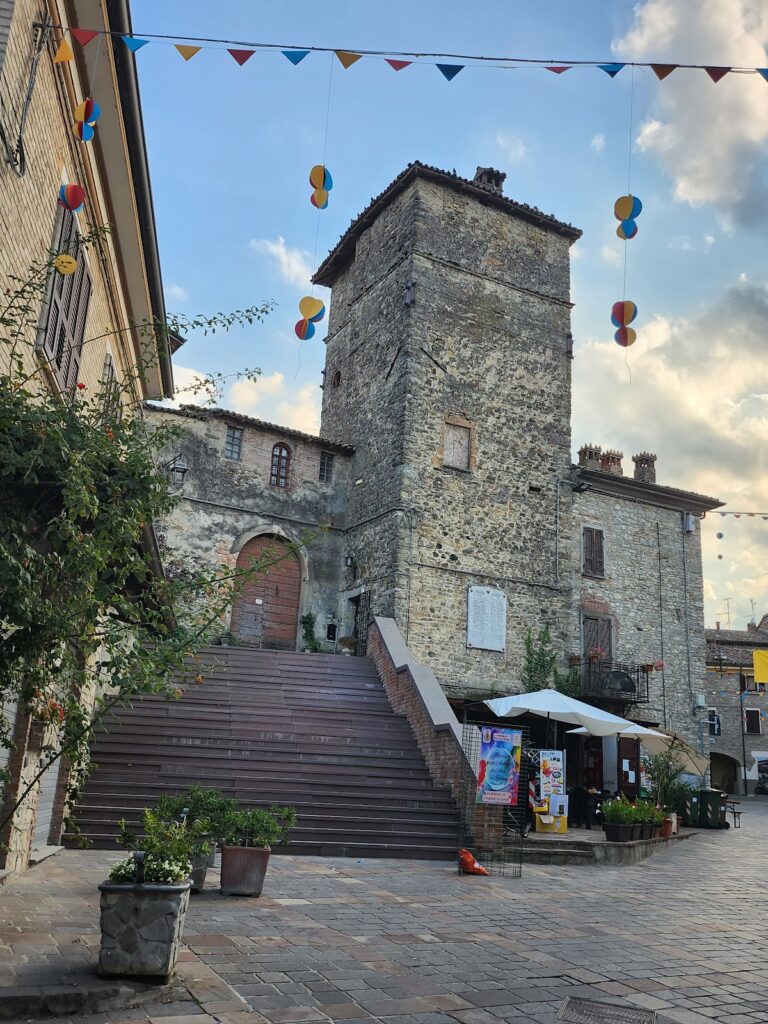
Tradition holds that in 1460, during the period of the Inquisition, an ecclesiastical system for investigating suspected religious heresy, twenty-five women and several men accused of witchcraft were imprisoned in the tower. They were later burned at the stake in the nearby square, giving rise to the name “Witches’ Tower.”
Conservation and Reuse
The Odetti family began a major conservation restoration in 1983. About three decades later, the restored spaces were opened for public and private events. A separate restoration and conversion project returned the Malaspina Tower to use, and the restored structure was inaugurated in April 2018.
Remains
The complex occupies the heart of Varzi’s medieval settlement and is surrounded by the green hills of the Upper Staffora Valley. Its surviving buildings combine medieval fabric with later sixteenth-, eighteenth-, and nineteenth-century elements. The castle is in good condition, while the private wing retains historic furnishings and family documents.
The House of the Farm Manager
Thirteenth-Century Section
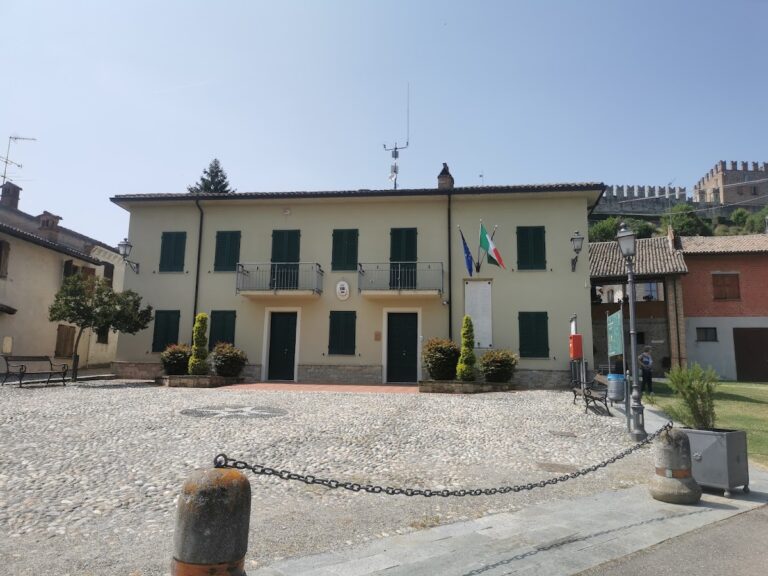
The oldest section is now called the House of the Farm Manager. It preserves a thirteenth-century wall more than 1.5 metres thick, visible from the municipal square, now Piazza Umberto I. Restoration recovered several rooms in this part of the complex.
Cellars and Former Ice House
The cellars retain their original appearance and have been converted into the Gallery of Medieval Stones. Beside them, a circular room recalling its earlier function is known as the Old Ice House.
Former Stables and Upper Halls
The former stables retain their original feeding troughs and now form the Hall of the Ancient Feeding Troughs, used for exhibitions and conferences. Above them, the former hayloft has become the Faustino Odetti Hall. Together with the adjacent Donna Caterina Hall and the Voliera Hall above it, these rooms make up the area identified as the House of the Farm Manager.
The Private Wing
The private wing includes sixteenth-century fabric and an eighteenth-century section in the building facing the municipal square. It remained within the Malaspina-Odetti family and preserves period furnishings and objects passed down through successive generations.
An upper-floor study contains nineteenth-century documents prepared by Abbot Fabrizio Malaspina, who transcribed the history of the Malaspina family. The State Archives of Pavia recognizes this work as a historical resource. Other documents concerning the family’s territory from the Oltrepò to Lunigiana are preserved in the Civic Library of Varzi.
The Malaspina Tower
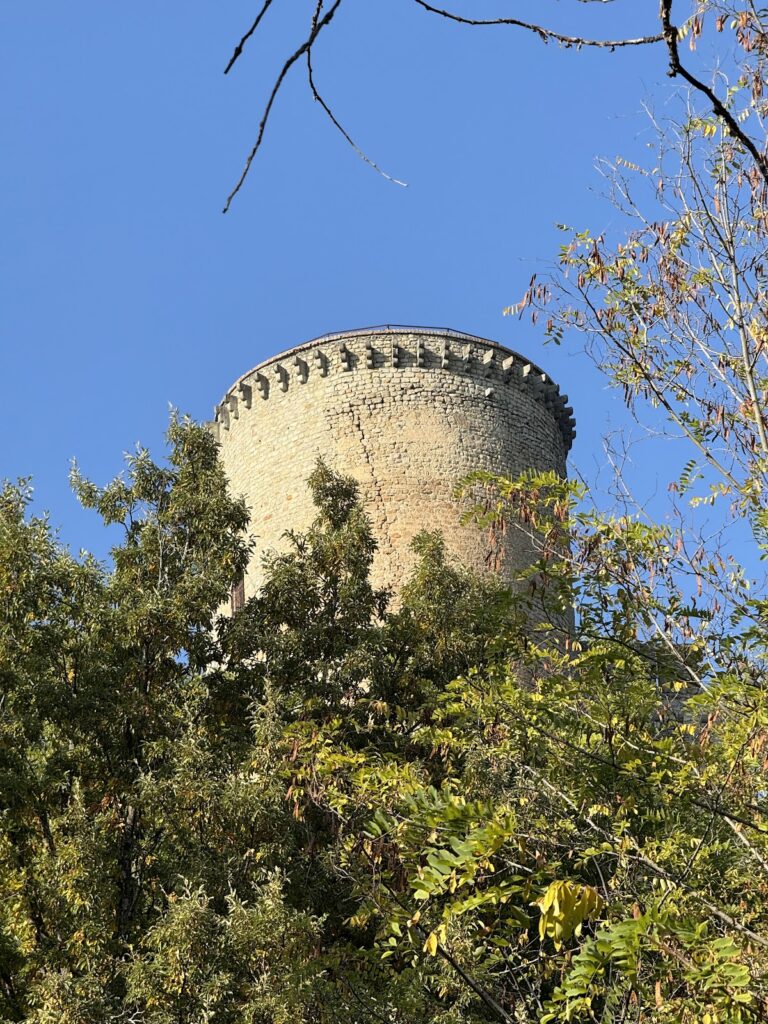
The Malaspina Tower, also called the Witches’ Tower, was built in the thirteenth century. It rises 29 metres and has walls up to 170 centimetres thick. The tower overlooks the castle and the surrounding territory.
Four rooms inside the tower are connected by a narrow, steep staircase. These rooms formerly served as prison cells. Restoration made the structure usable again, preserving the tower as a distinct part of the castle complex.
Nearby sites