Lázár Castle: A Hungarian Noble Residence and Defensive Stronghold
Site at a Glance
- Popularity
- High
- Country
- Romania
- Primary era
- Early Modern
- Eras represented
- Medieval, Early Modern
- Civilizations
- Habsburg, Hungarian, Ottoman, Principality of Transylvania
- Site type
- Military
- Remains
- Castle
On this page9 sections
History
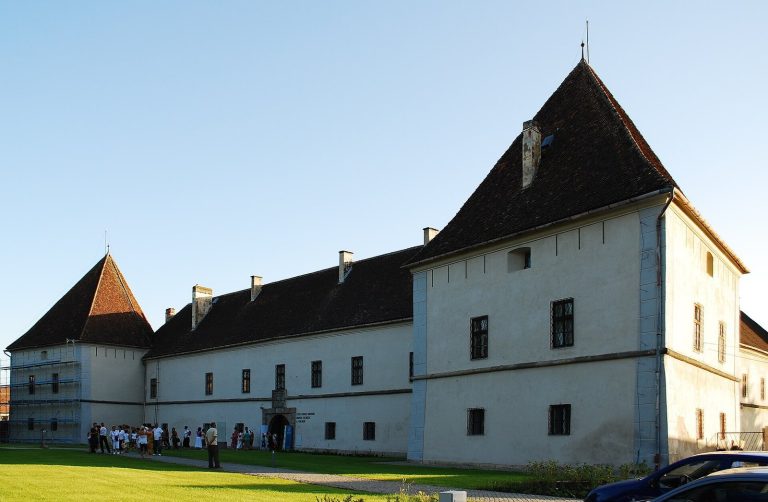
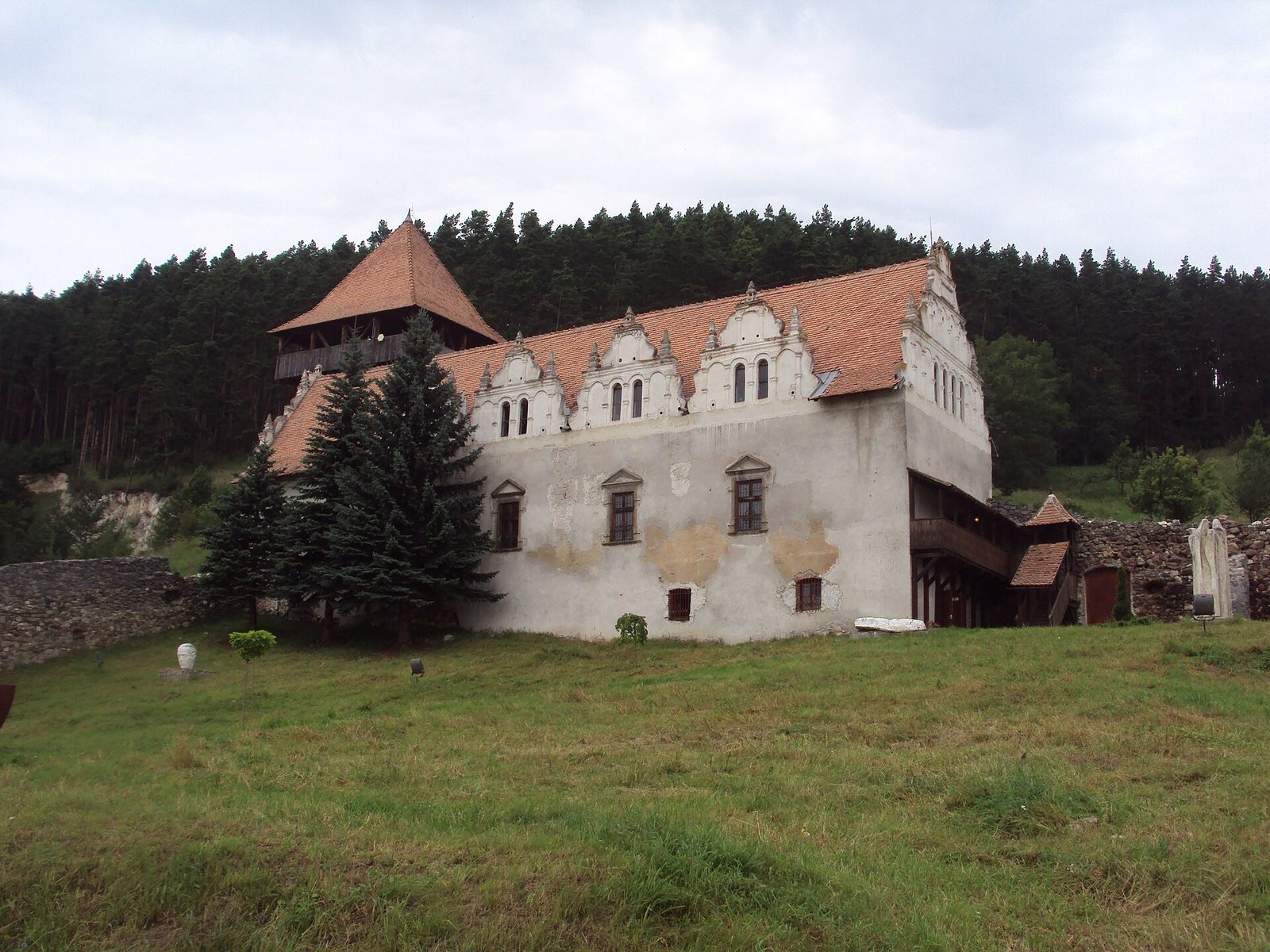
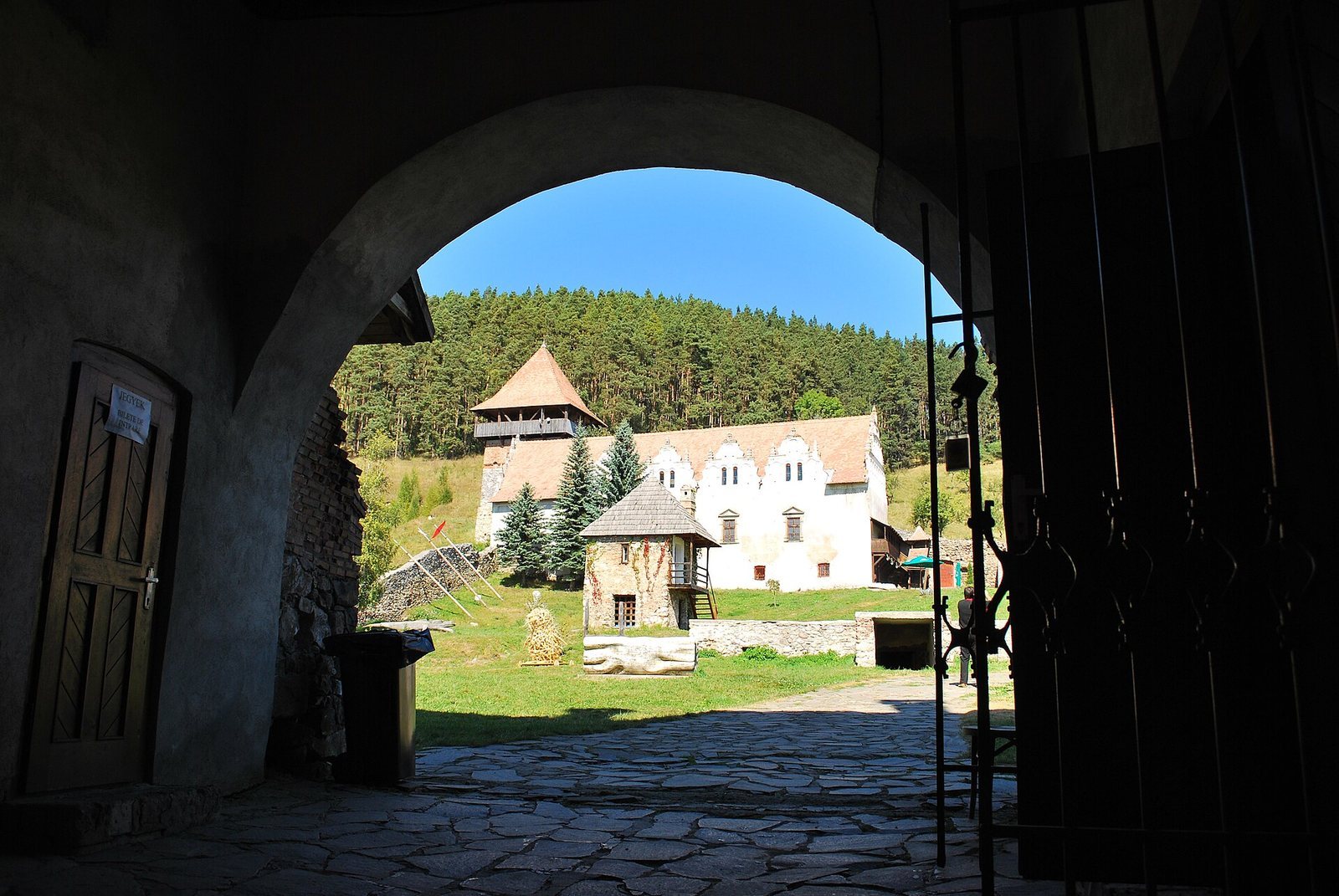
Lázár Castle is a Hungarian noble residence and defensive stronghold in Lăzarea, Romania. Its oldest section dates to 1532, and its architecture combines Romanesque, Gothic, Renaissance, and Baroque traditions, distinct European styles that developed in different periods.
Construction and noble household
István IV Lázár replaced an earlier medieval manor with a larger castle, incorporating parts of the older building. Additional construction followed in 1631–1632. Gabriel Bethlen and his brother Stephen spent part of their youth at the castle with an uncle. Gabriel later became a prince of Transylvania, and Stephen also held princely office.
War and rebuilding
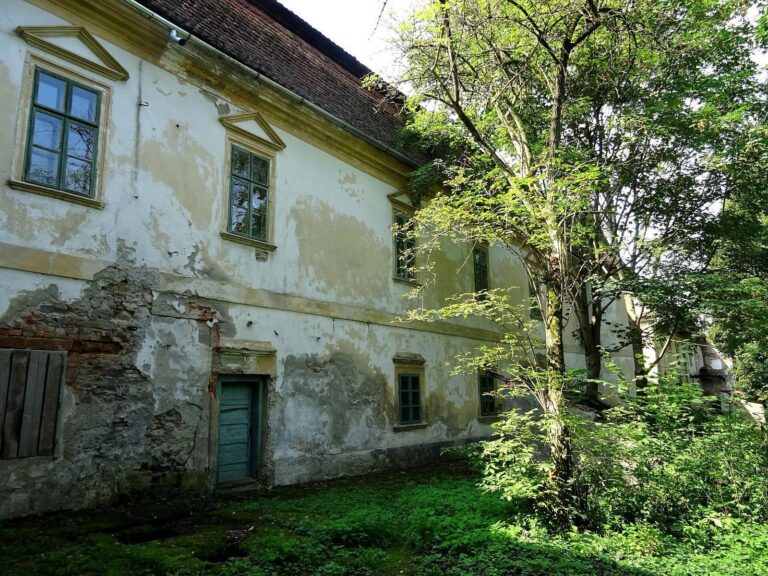
The Lázár family supported the Rákóczi War of Independence, a Hungarian revolt against Habsburg rule. In 1706–1707, Habsburg forces devastated and burned the castle. The residential buildings suffered severe damage, and some walls collapsed.
Ferenc IV Lázár, who maintained good relations with the Habsburg emperor, returned in 1742 and renovated the castle, adding Baroque features. A second fire damaged it in 1748.
Division and later use
In 1773, the castle was divided among three members of the Lázár family. This arrangement continued until the mid-nineteenth century, when only part of the complex was inhabited. The castle is now used by the Harghita County Center for Creation, a cultural and arts institution. Lázár family descendants are seeking its restitution.
Remains
Layout and architectural features
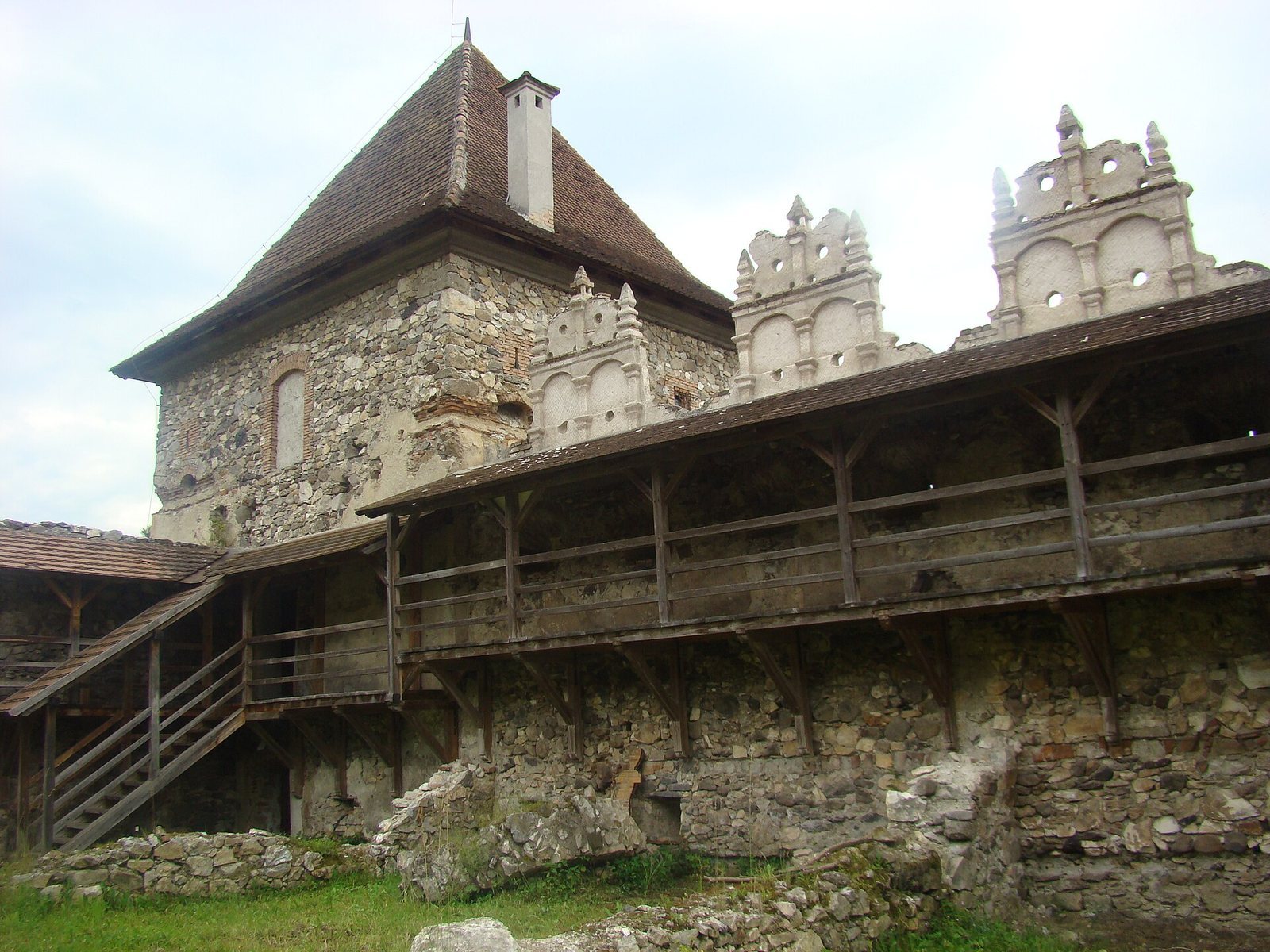
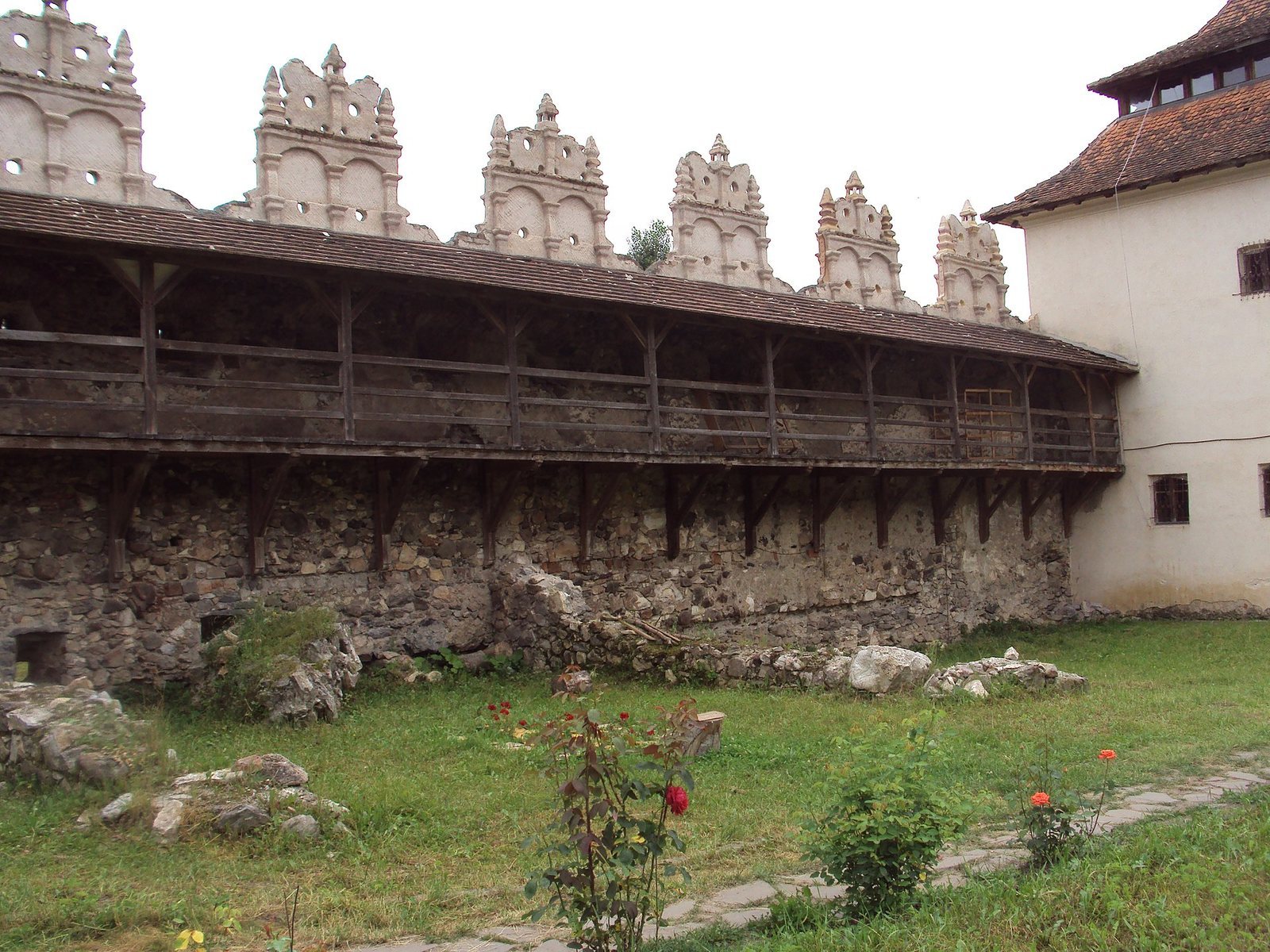
The castle’s physical features combine monumental defenses with a courtyard that contained a prison. Its architectural elements include ramparts, bastions, and painted cornices, reflecting the range of styles that shaped the complex.
Ramparts and bastions
Monumental ramparts form part of the castle’s defensive features. The bastions are decorated with inscriptions and coats of arms.
Painted cornices
The cornices carry painted decoration in the Renaissance style, adding to the castle’s architectural detail.
Courtyard prison
A prison stood in the middle of the courtyard. Detainees waited there for Lord Lázár to decide their cases.