Lancaster Castle: A Historic Fortress and Prison in Lancashire, England

Visitor Information
Google Rating: 4.5
Popularity: Medium
Official Website: www.lancastercastle.com
Country: United Kingdom
Civilization: Medieval European, Roman
Site type: Military
Remains: Castle
History
Lancaster Castle stands on Castle Hill in Lancaster, Lancashire, England, on the site of a Roman fort that once controlled a crossing of the River Lune. The original Roman fort included substantial earthworks and defensive walls, but the castle itself likely began as a medieval fortress in the 11th century. Its early history is not well documented, partly because of limited archaeological study and its continuous use as a prison.
In the 12th century, Lancaster Castle became part of the Honour of Lancaster, which came under royal control in 1164. During this century, the castle changed hands several times. It was occupied by David I of Scotland during the civil conflict known as the Anarchy (1139–1153). Later, it was held by English monarchs including Henry II, Richard the Lionheart, and King John. The castle’s military role was significant during this period, with fortifications strengthened and expanded.
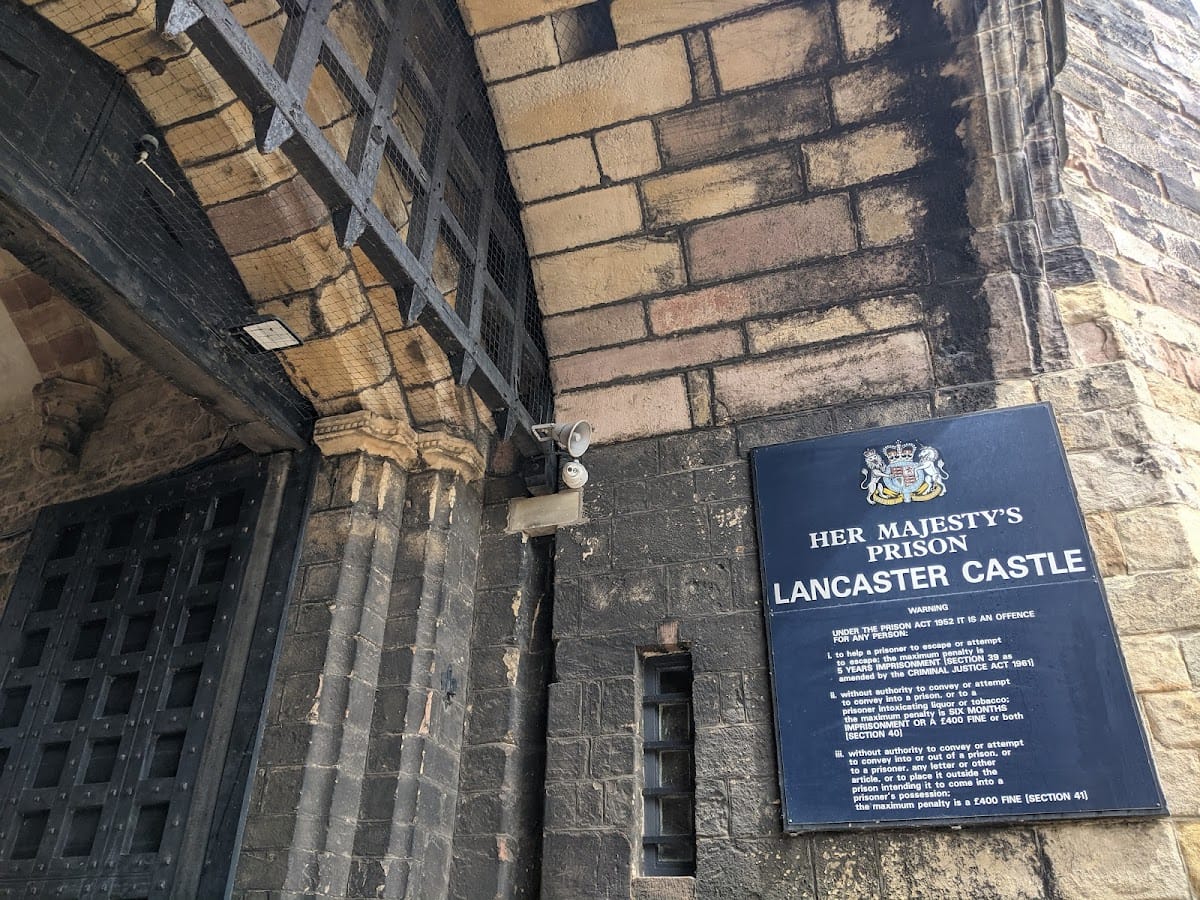
The castle’s function as a prison was first recorded in 1196. Over time, this role grew in importance, especially after the English Civil War (1642–1651). The castle saw military action during Scottish invasions in 1322 and 1389. After the Civil War, the castle was deliberately damaged, or slighted, to reduce its military value, though key structures like the keep and gatehouse survived.
From the 16th century onward, Lancaster Castle became a center for legal proceedings and executions. It hosted notable trials, including the Pendle witches trial in 1612, and was the site of many Catholic martyrdoms. The castle served as the county jail, undergoing major reforms and rebuilding in the 18th century under architect Thomas Harrison. These changes included separate prisons for men and women and the construction of the Shire Hall and Crown Court.
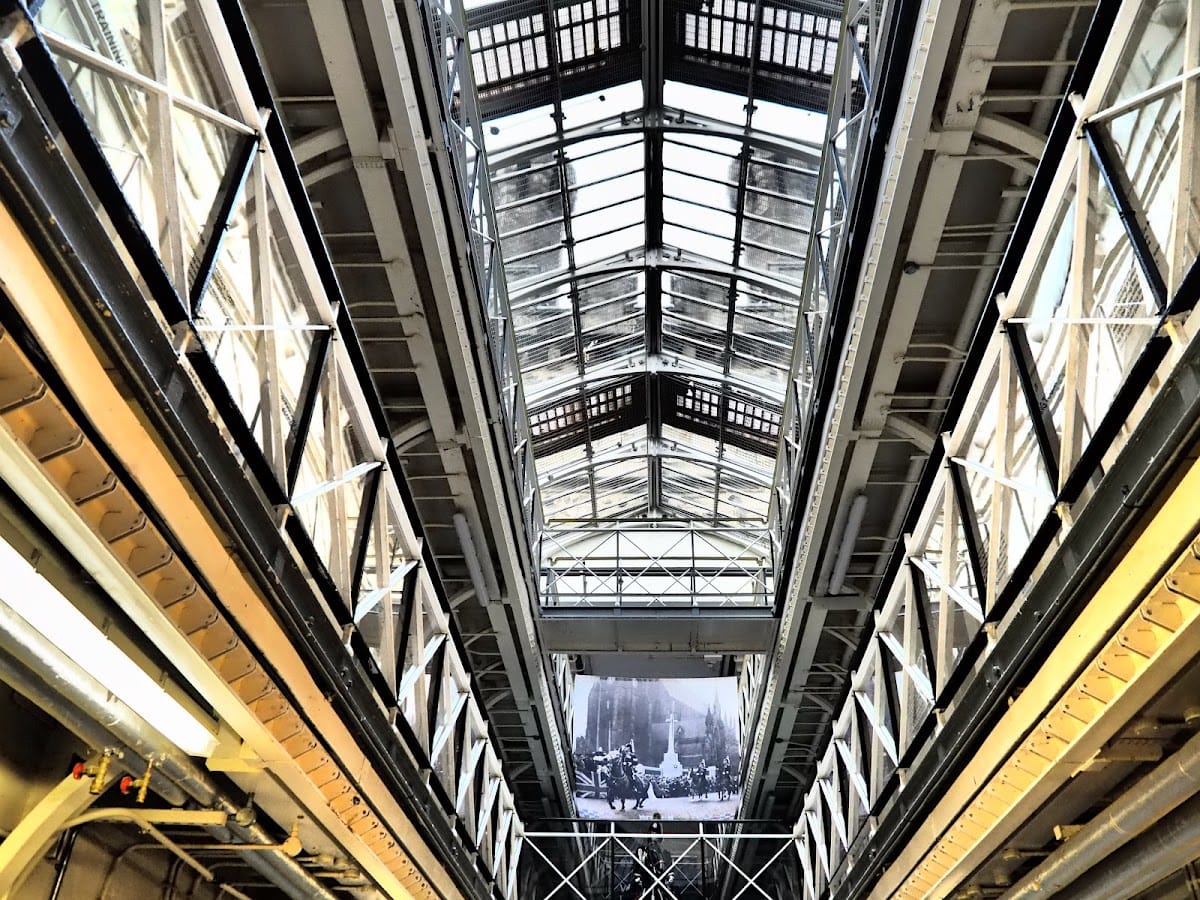
Public executions continued at the castle until 1868. The castle remained in use as a prison until its closure in 2011. Its proximity of court and prison facilities made it suitable for high-security trials. Since closing, the castle has been managed by the Duchy of Lancaster and opened to the public, with ongoing refurbishment and adaptive reuse projects including a university campus and café.
Archaeological and tree-ring dating studies conducted in 2016 confirmed that parts of the keep and gatehouse date from the late 14th and early 15th centuries, verifying phases of medieval construction and renovation.
Remains
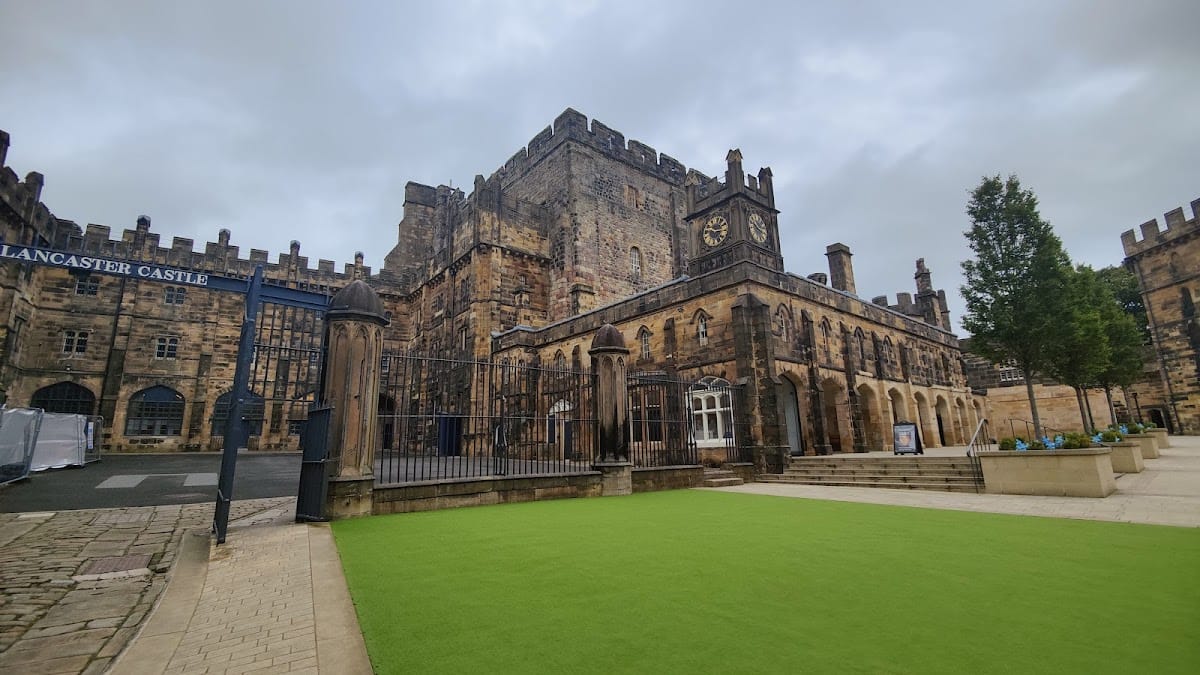
Lancaster Castle occupies a hill overlooking the River Lune, incorporating earthworks from the earlier Roman fort. Among these is the “Wery Wall,” a defensive stone wall about three metres thick, visible on the east slope of Castle Hill. The wall measures roughly four by three by three metres and now exists mostly as rubble.
The oldest surviving structure is the stone keep, probably built in the 12th century. It rises about 20 metres high and has four storeys, each divided into two rooms. The keep’s outer walls are three metres thick and reinforced with buttresses at the corners and mid-wall. Originally, access was through an entrance on the first floor.
Adrian’s Tower, a cylindrical tower located at the castle’s southwest corner, dates from the early 13th century, likely constructed during King John’s reign. While its exterior was refaced in the 18th century, medieval stonework remains visible inside.
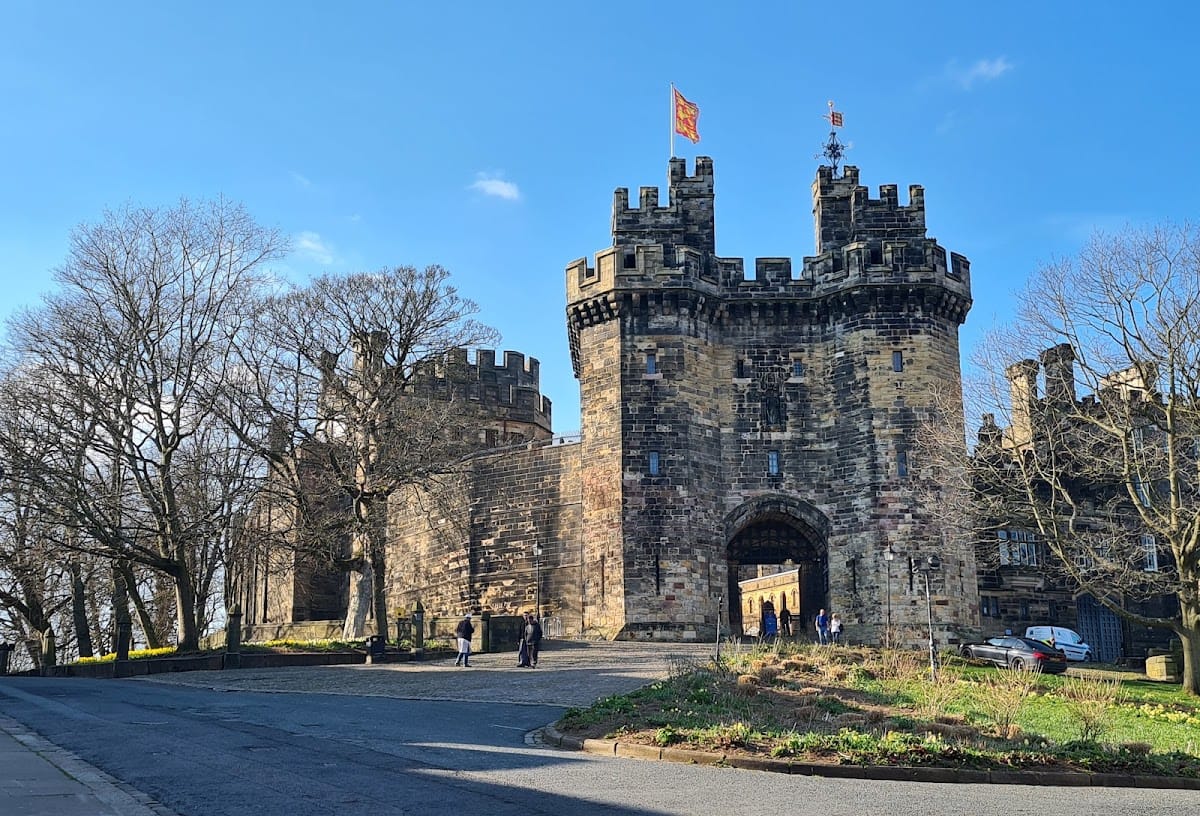
The main entrance is a gatehouse built in the early 15th century under King Henry IV. It stands 20 metres tall and features two semi-octagonal towers flanking the passageway. The gatehouse includes a portcullis, battlements projecting over the entrance, and a niche that once held a saint’s statue but now contains a statue of John of Gaunt. The gatehouse has three storeys with multiple rooms, including an apartment for the castle constable on the ground floor.
The medieval hall, once located southwest of the keep, was dismantled in 1796 during Georgian remodeling. Nearby, the Shire Hall was built in the late 18th to early 19th century, featuring a large ten-sided room.
The castle’s curtain walls were strengthened with stone in the 13th century, including a ditch dug under King John’s orders. Further enhancements to the gatehouse and curtain walls occurred in the 13th and 15th centuries. After the Civil War, many walls were ordered to be demolished; the Well Tower was removed, but the keep and gatehouse remained intact.
The castle complex includes a courtyard opened to the public in 2013. A café was constructed against the old outer curtain wall, which was lowered to improve views of nearby Lancaster Priory. This café is the first addition to the castle from the 21st century.
Between 2017 and 2019, the former prison kitchen yard was refurbished to create a new teaching centre and over 5,000 square feet of space leased to local coffee and tea merchants.
Overall, the castle is well preserved, with ongoing large-scale refurbishment since 2011. Conservation efforts have been guided by historical research and tree-ring dating, ensuring structural and interior features are maintained.
Nearby sites