Lamos Castle: A Medieval Fortress in Cilicia
Site at a Glance
- Popularity
- Very Low
- Country
- Turkey
- Primary era
- Medieval
- Eras represented
- Medieval, Early Modern
- Civilizations
- Armenian, Ottoman
- Site type
- Military
- Remains
- Castle
On this page7 sections
History
Lamos Castle is a high- to late-medieval fortress in historic Cilicia, in present-day Turkey. In antiquity, Strabo, an ancient Greek geographer and author, mentioned a settlement called Lamos at the mouth of the river of the same name.
Medieval and Ottoman Rule
Muslims and Byzantines met at the site several times during the ninth and tenth centuries to exchange prisoners. The earliest meeting took place in 797.
Byzantine emperor Manuel I Komnenos captured the castle in 1158. In 1164–65, an Armenian named Vasak held the title of prince of Asguras and Lamaws. The fortress later came under Ottoman rule.
Remains
Fortress Layout
Hilltop Enclosure
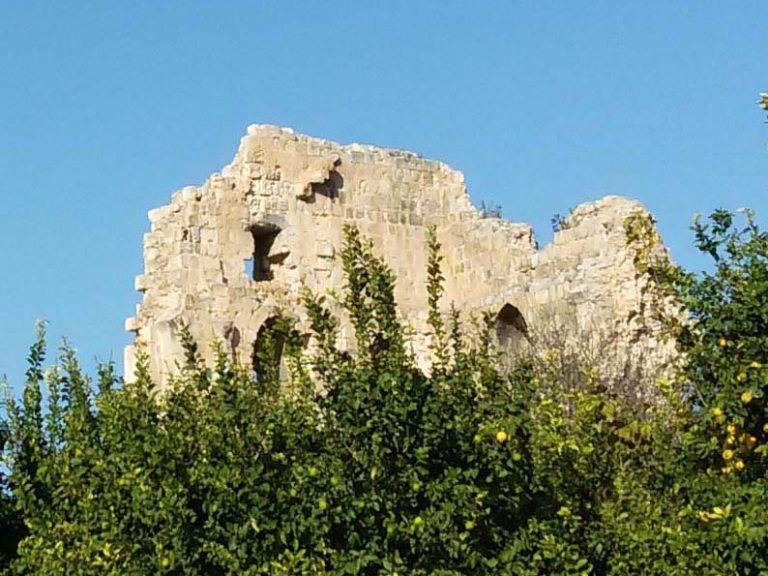
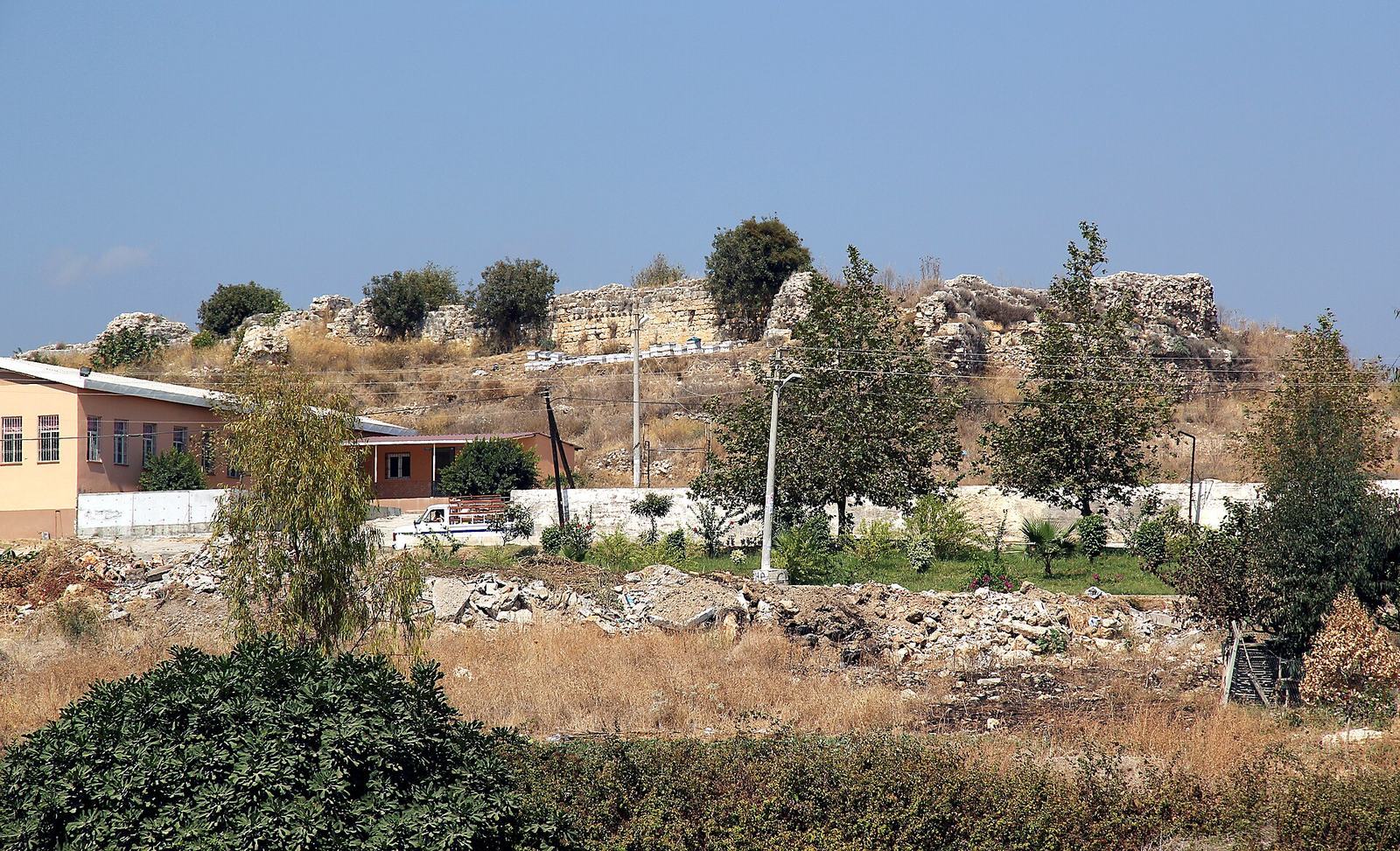
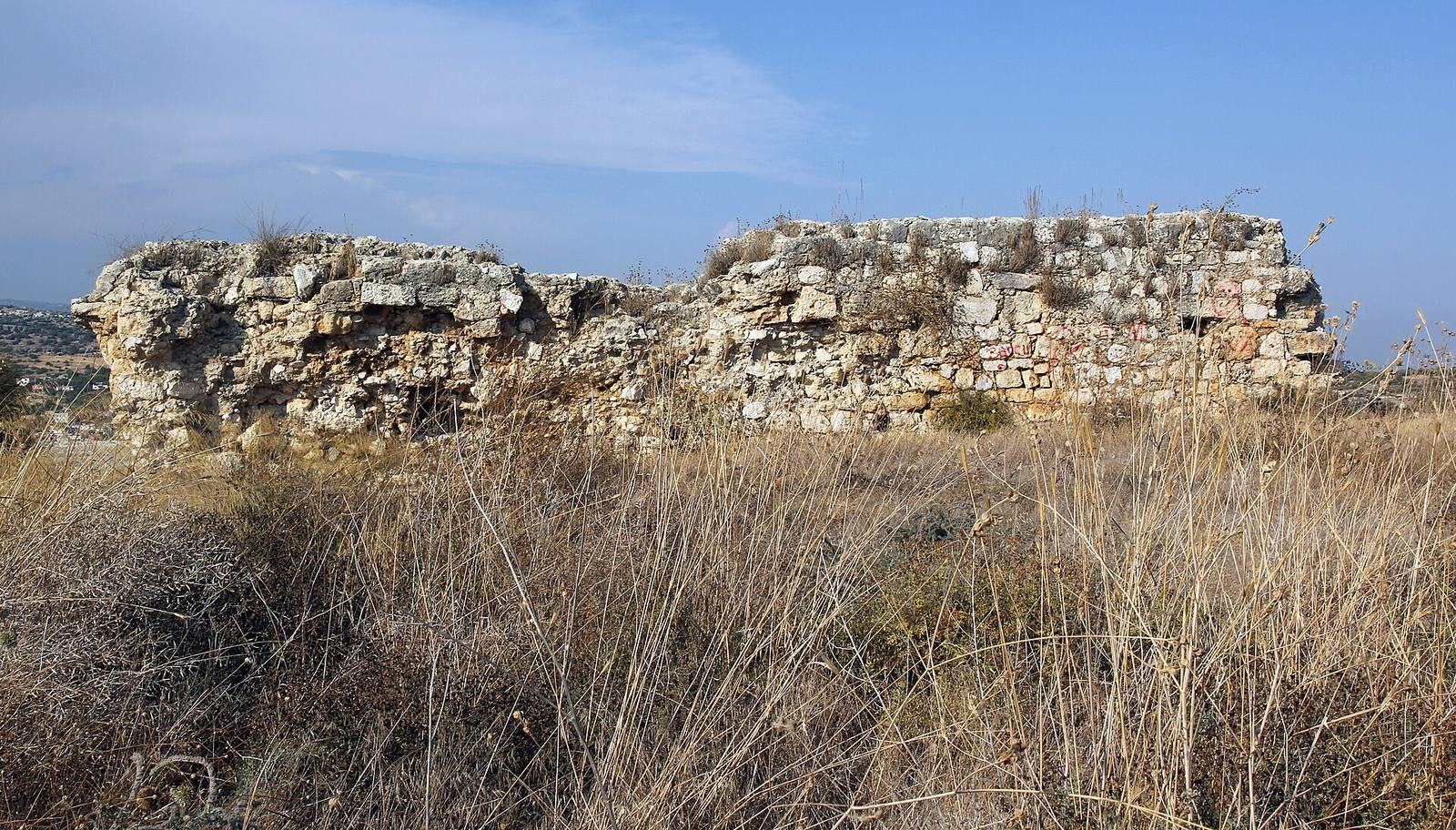
The ruined fortress occupies a low limestone hill north of Limonlu, on the west bank of the Limonlu River, at an elevation of 18 metres. The river reaches the Mediterranean about 500 metres to the east. In antiquity, it marked the boundary between Plain Cilicia, the flatter eastern region, and Rough Cilicia, the rugged western region. The enclosing wall, built from squared stone blocks laid in regular courses, surrounds an east–west rectangle measuring approximately 40 by 80 metres.
Defensive Walls and Projecting Structures
During the Armenian phase, semicircular defensive structures projected outward from the wall; one remains discernible at the southeast corner. In the Ottoman phase, rectangular structures were built over earlier ones, and the western wall was entirely renewed. Today, low stretches of the enclosure survive, with traces of rectangular structures open toward the interior along the north, south, and west sides.
Ancient Architectural Fragments
Isolated fragments of ancient architecture survive in the surrounding area as reused stone associated with ancient Lamos.