Lackeen Castle: An O’Kennedy Tower House in Ireland
Site at a Glance
- Rating
- 4.6
- Popularity
- Very Low
- Country
- Ireland
- Primary era
- Early Modern
- Eras represented
- Medieval, Early Modern
- Civilizations
- Irish
- Site type
- Military
- Remains
- Castle
On this page7 sections
History
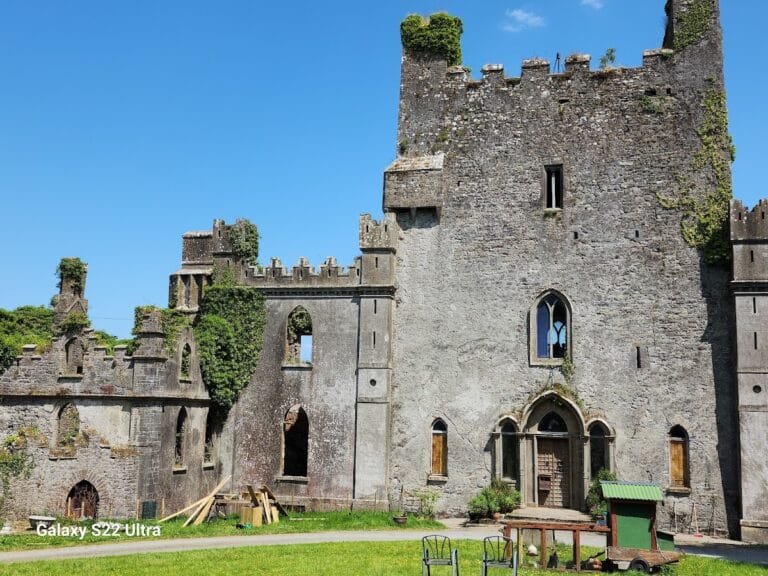
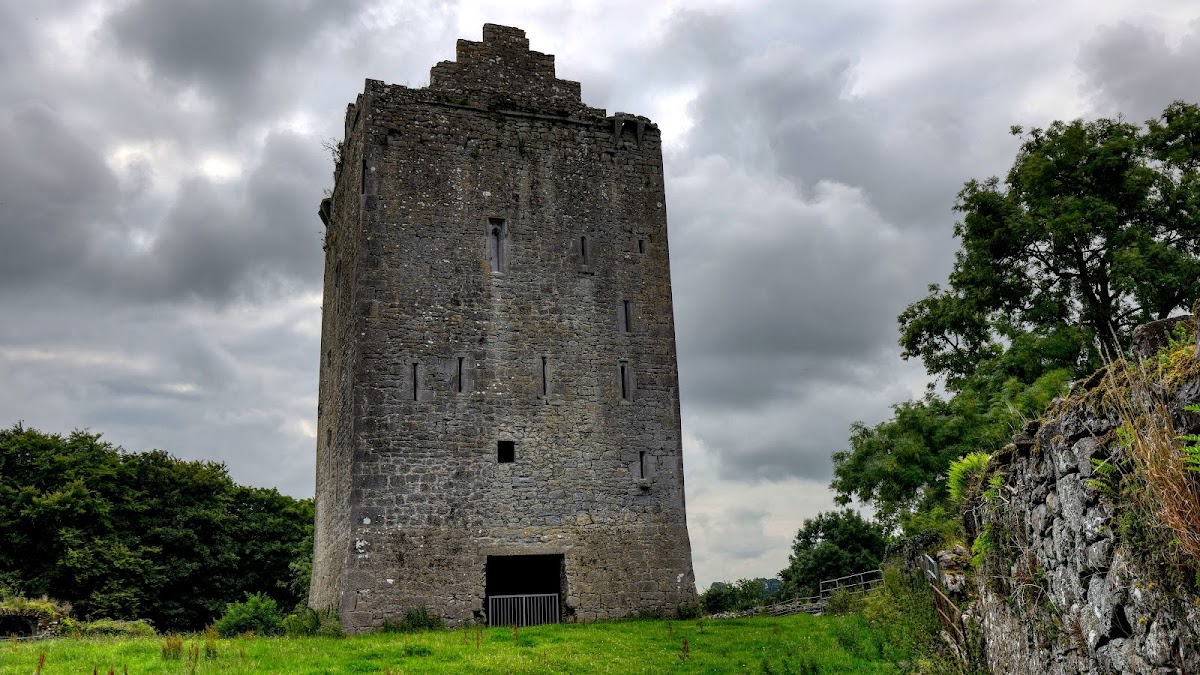
Lackeen Castle is a ruined Norman tower house in Ireland, located at Abbeville in County Tipperary. It was established as an O’Kennedy stronghold in the twelfth century and rebuilt in the sixteenth century. The O’Kennedys were an Irish Gaelic noble family associated with Tipperary, and the castle formed part of the region’s lowland aristocratic landscape.
O’Kennedy Stronghold
The original fortress dates from the twelfth century, while the surviving castle belongs largely to its sixteenth-century rebuilding. Its architectural tradition is described as Norman, a medieval style introduced into Ireland during the Anglo-Norman period. The castle is now ruined, but its association with the O’Kennedys preserves its place in the history of Gaelic noble residences.
The Lorrha Missal
Lackeen Castle became especially important in the history of the Lorrha Missal, which was found there in the eighteenth century. The earlier belief that the manuscript and its reliquary had left Ireland after about 1375 arose because both were collected on the European continent during the eighteenth century. That interpretation is considered incorrect.
The manuscript later became known as the Stowe Missal because it entered the collection formed by George Nugent-Temple-Grenville, 1st Marquess of Buckingham, at Stowe House. After the Irish state acquired the Stowe manuscript collection in 1883, the manuscript was transferred to the Royal Irish Academy in Dublin, where it remains as MS D II 3. Its associated reliquary was subsequently transferred to the National Museum of Ireland, where it is catalogued as object 1883, 614a.
State Protection
Lackeen Castle is in state ownership and is designated as a National Monument of Ireland. This status reflects the castle’s archaeological and historical value, including its links with the O’Kennedy family and the Lorrha manuscript tradition.
Remains
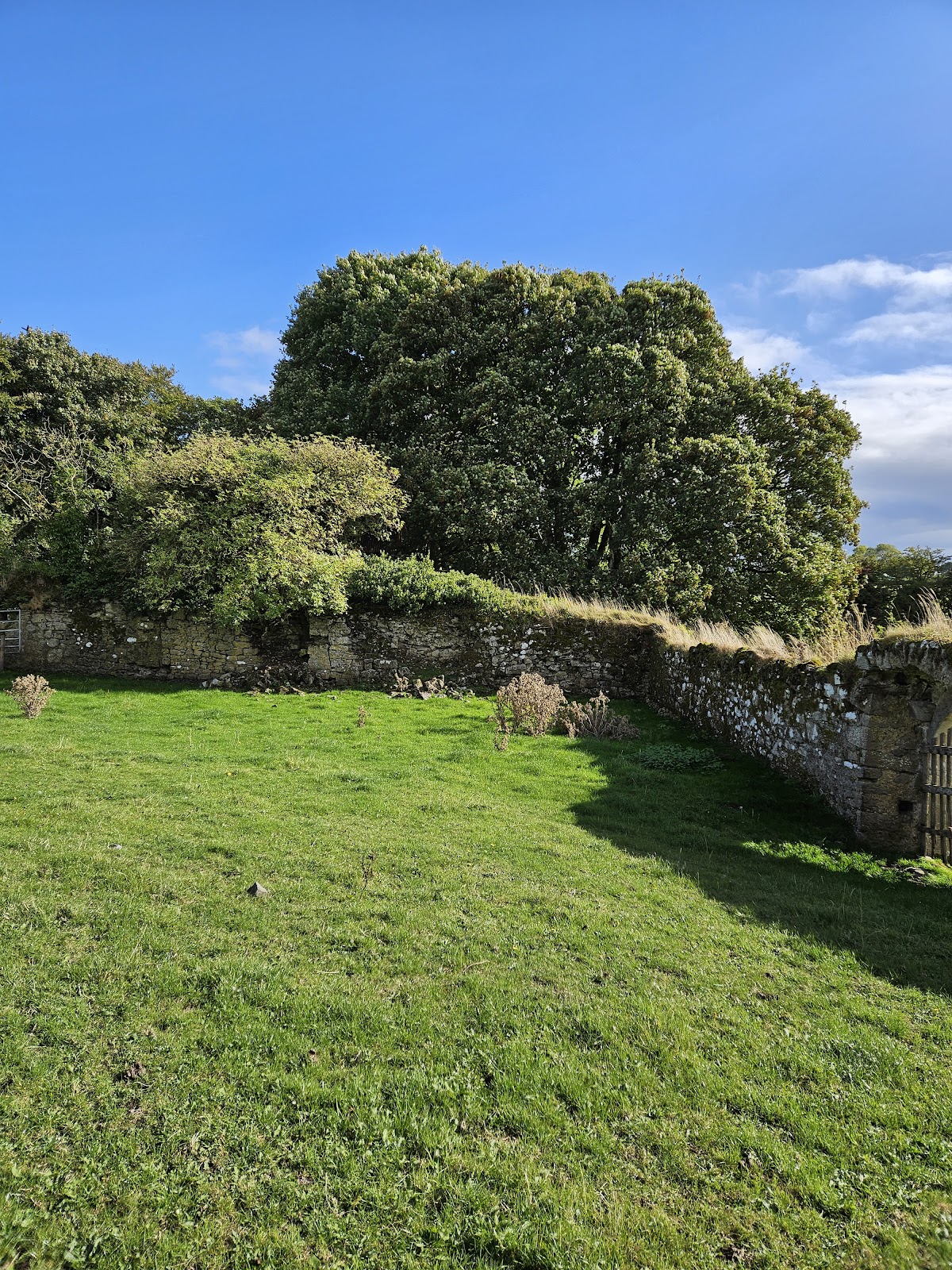
Lackeen Castle survives as a rubble-stone tower house enclosed within a bawn, an enclosed defensive courtyard surrounding a fortified residence. The lowland setting and defensive enclosure correspond to the castle’s character as a noble residence. The structure is now ruinous, while its surviving fabric represents the rebuilding of the earlier fortress in the sixteenth century.
Tower House and Bawn
The principal remains are the tower house and the enclosing bawn. The tower house is a fortified residential building constructed of rubble stone, and its architectural description as Norman connects it with the medieval building tradition associated with the Normans in Ireland. The bawn surrounds the residence as a defensive enclosure, preserving the basic relationship between the central tower and its protected outer space.
The Lorrha Missal and Reliquary
The Lorrha Missal is an illuminated Irish Christian manuscript written mainly in Latin, with some Gaelic, in the late eighth or early ninth century, probably after 792. It is strictly a sacramentary, a liturgical book containing prayers and formularies for a priest or bishop, rather than a missal, which normally includes additional parts of the Mass. In the mid-eleventh century, the manuscript received annotations and some pages were rewritten at Lorrha Monastery.
The manuscript’s protective case, called a cumdach, is a reliquary made to enclose a revered Christian manuscript or relic. It remained with the Lorrha Missal until the two objects were transferred to separate institutions. Together, the manuscript’s early writing, later annotations, rewritten pages, and surviving case illuminate the long religious history associated with the object found at Lackeen Castle.