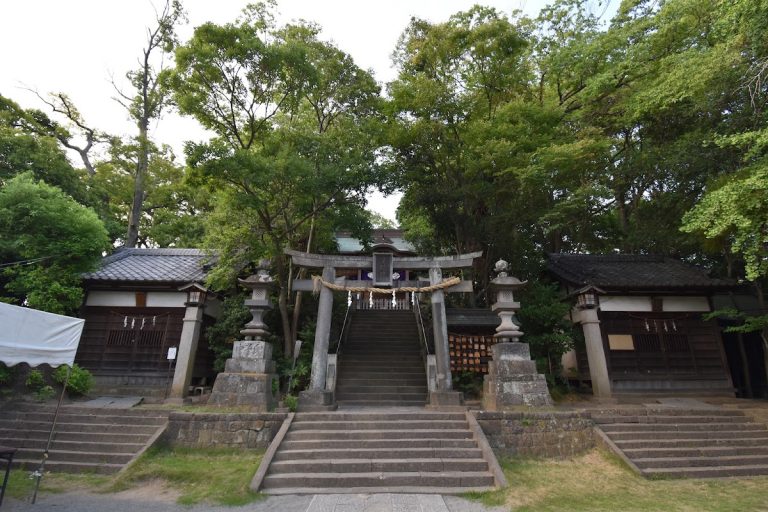
Konzō-ji Temple: A Fudo Myoo Temple in Funabashi, Japan


Site at a Glance
- Rating
- 4.1
- Popularity
- Low
- Country
- Japan
- Primary era
- Early Modern
- External website
- Open
- Eras represented
- Early Modern
- Civilizations
- Tokugawa
- Site type
- Religious
- Remains
- Sanctuary
On this page6 sections
History
Konzō-ji Temple is a Buddhist temple in Funabashi, Chiba, Japan, founded in 1423. Formally called Otakisan Konzō-ji and also known as Otaki Fudoson, it belongs to the Buzan school, a branch of Shingon Buddhism centered on ritual, sacred images, and mantra. Its principal image is Fudo Myoo, a Buddhist deity associated with immovable resolve and protective religious power. The temple is also the 58th site on the Yoshihashi Daishi Eighty-eight-Site Pilgrimage, a regional circuit of eighty-eight Buddhist sacred places.
Foundation in 1423
Tradition connects the temple’s foundation with Nōshō Ajari, a monk from Echigo Province who was invited by Satake Yoshihito, the military governor of Hitachi Province. Nōshō learned of a place in Kanesugi Village where a bright light was said to shine even at night. He performed a goma, a Buddhist fire ritual in which offerings are burned before a sacred fire during prayer, for twenty-one days.
In a dream, Ennin, also known as Jikaku Daishi, revealed that an image of Fudo Myoo lay buried at the site. Ennin was a major ninth-century Japanese Buddhist monk of the Tendai tradition. With help from villagers, Nōshō excavated the place and recovered an image attributed to Ennin. A spring rose from the hollow created by the excavation and formed a waterfall. A small hall was then built for the image, marking the beginning of Konzō-ji.
A traditional account places Nōshō’s arrival and the establishment of his hermitage in July 1423. Later that year, a hall was built and the Fudo Myoo image was transferred into it. In 1683, the temple was moved again to its present location, where a main hall was constructed. That hall was rebuilt in 1853.
The temple during the Edo and Meiji periods
During the Edo period, the temple grounds lay within the Kogane Pasture, a large horse-grazing area administered by the shogunate. Because the grounds were under this administration, the resident priest moved his residence into the village. He was allowed to enter the temple grounds only during August, while the annual grand festival continued to be held there.
After horse grazing in the pasture ended during the Meiji period, the temple is said to have returned to its original grounds. The waterfall also remained associated with religious practice. Ascetics are said to have performed austerities beneath its falling water during the late Edo and Meiji periods.
Remains
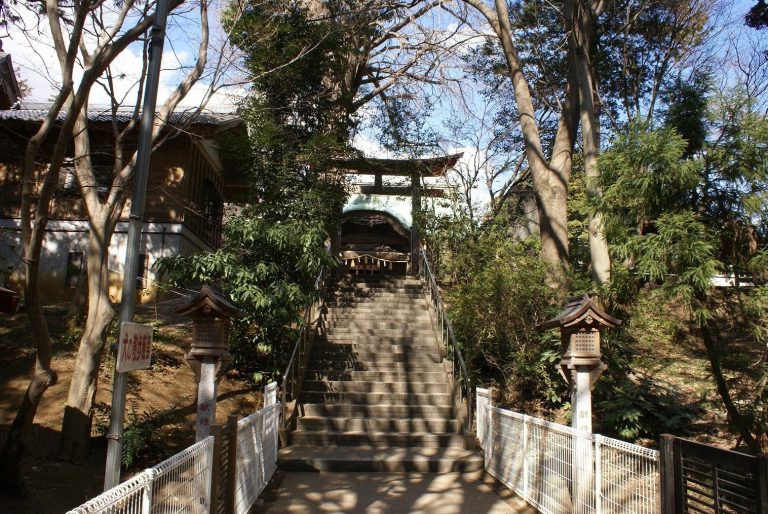
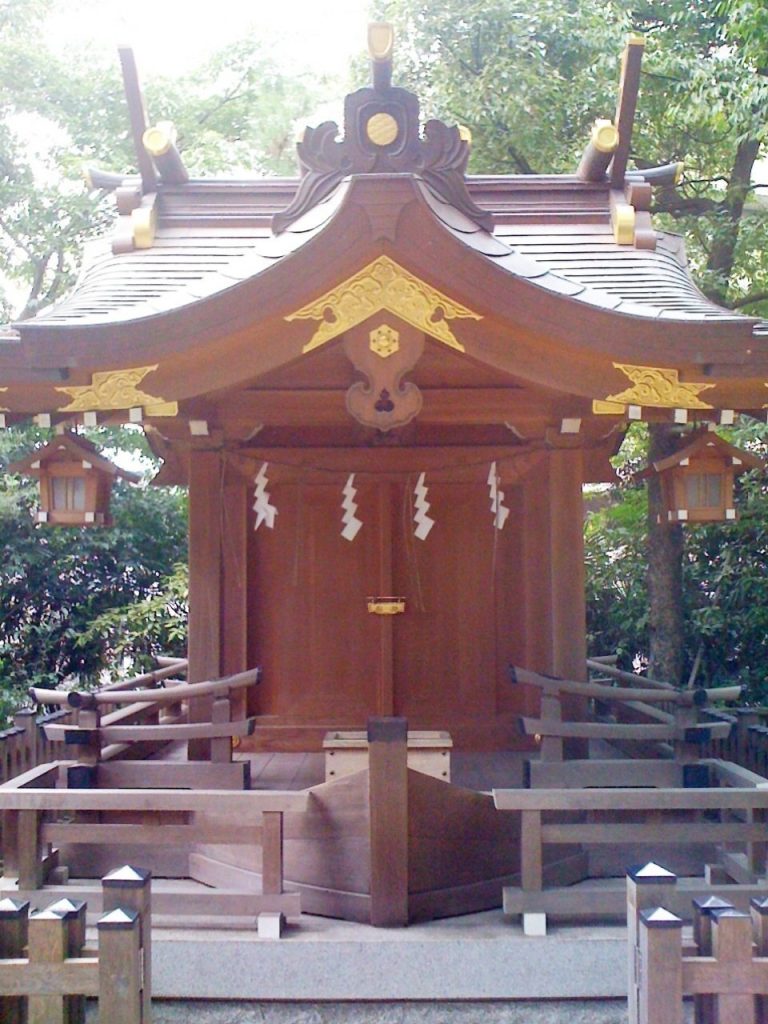
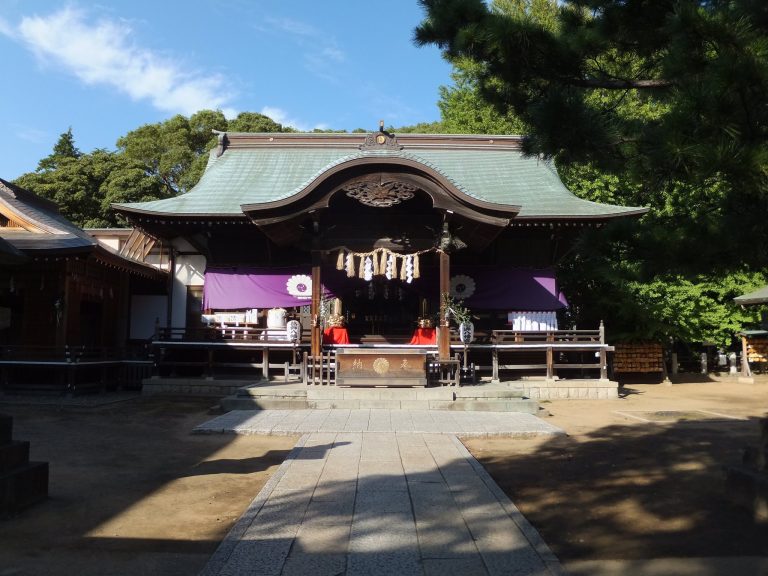
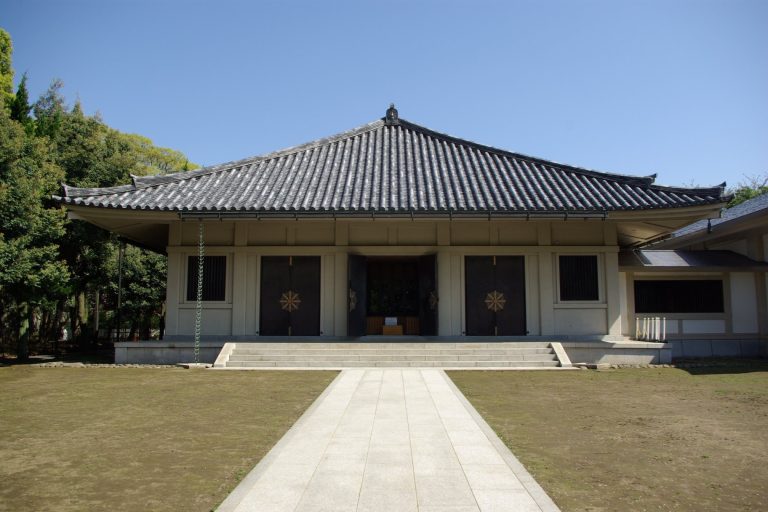
Fudo Hall and the founding spring
The principal building is the Fudo Hall, which houses the temple’s principal image of Fudo Myoo. The site also includes the place where the image was excavated. Water emerged from the excavation hollow as a spring and developed into a waterfall, linking the temple’s central object of worship with the landscape associated with its foundation. The recovered image, attributed to Ennin, was originally enshrined in the small hall built at the beginning of Konzō-ji.
Waterfall paintings
A four-panel set depicting the waterfall at Otaki Fudoson is associated with the temple. Its date is unknown, and its title translates as Illustrations of the Fudo Hall at Mount Otaki in Kanesugi, Shimosa Province. The temple’s formal mountain name is Otakisan.