Kiyama Castle: An Ancient Mountain Fortress in Kagawa, Japan
Site at a Glance
- Popularity
- Medium
- Country
- Japan
- Primary era
- Medieval
- Eras represented
- Medieval
- Civilizations
- Yamato
- Site type
- Military
- Remains
- Fort
On this page8 sections
History
Kiyama Castle is an ancient mountain fortress on Mount Shiroyama in Kagawa Prefecture, Japan, built by the Yamato court in 668–670. Its precise chronology remains uncertain. It is a Korean-style fortress, part of an early Japanese tradition of mountain defenses associated with Korean fortification practices, and was used during the Asuka and Nara periods, successive eras in early Japanese history.
Construction and coastal defense
The Yamato court, Japan’s early central government from which the imperial state developed, built Kiyama after the defeat of Baekje and Yamato forces by the Silla–Tang alliance at the Battle of Hakusukinoe in 663. Fearing an invasion by Silla or Tang, the court developed a network of coastal fortifications. Work on the wider defense system continued through 701, even after the court learned that Silla and Tang were no longer friendly.
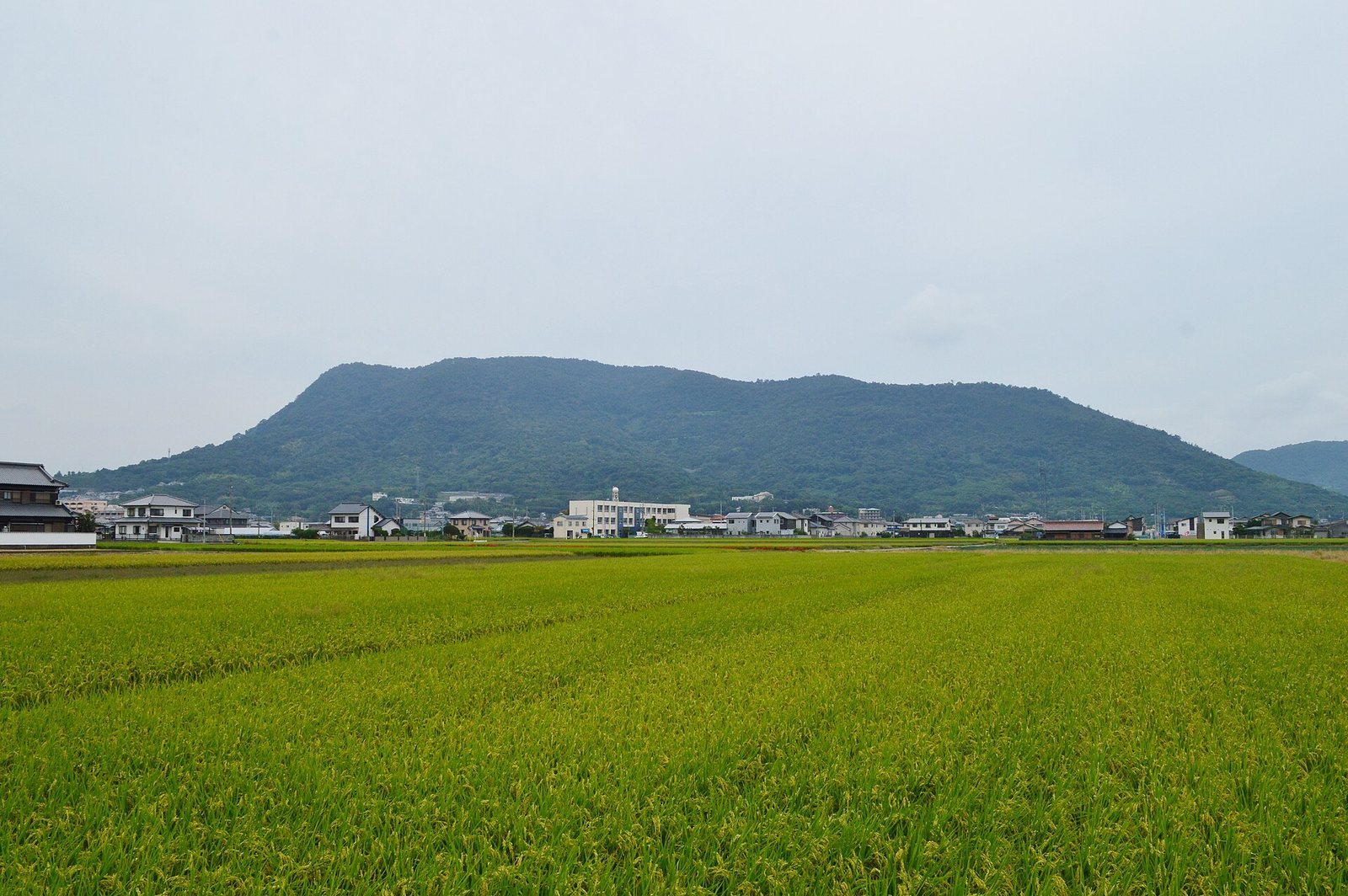
Kiyama’s position allowed it to monitor maritime traffic and provided access to Sanuki and the interior of Shikoku. Its name comes from Mount Shiroyama.
Later records and protection
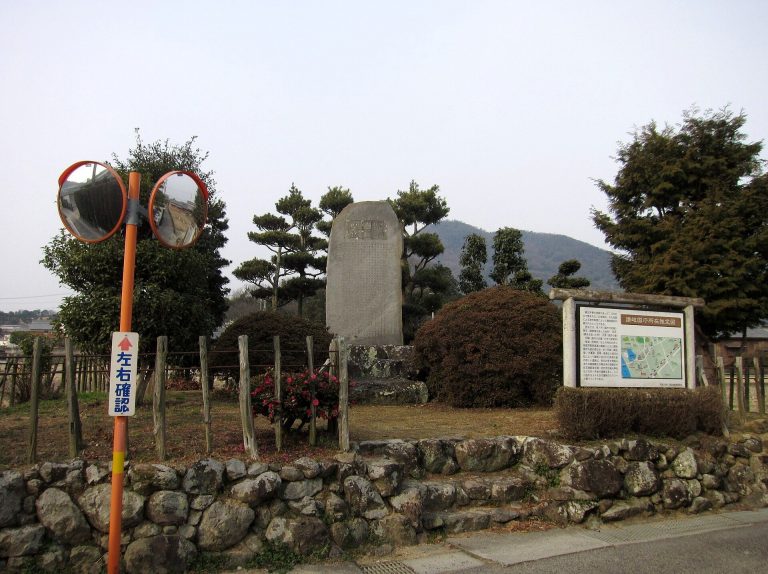
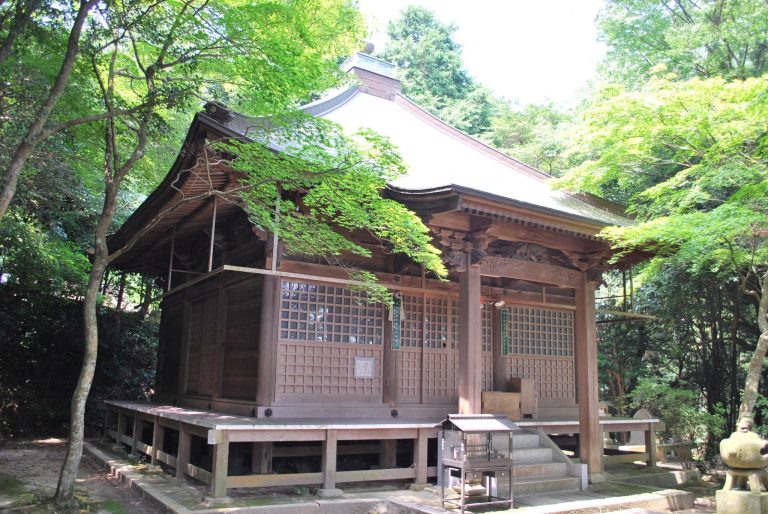
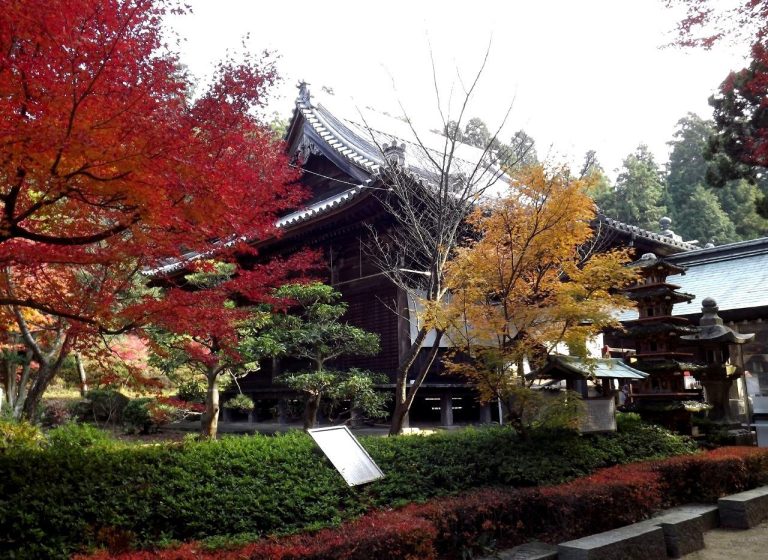
Shiroyama Shrine appears in ninth-century records and may have been an ancient facility associated with the castle. Japan designated the ruins a National Historic Site in 1951.
Remains
The site occupies Mount Shiroyama, a 462-metre summit in northern Kagawa Prefecture that straddles Sakaide and Marugame; part of the site lies within Marugame. The mountain is part of Setonaikai National Park. Two circuits of walls once enclosed the summit. Their layout and design place Kiyama among fortifications found in northern Kyushu and along the Seto Inland Sea coast, including Einōsan Castle, Yashima, and Ki Castle in Okayama Prefecture, across the sea.
Concentric wall circuits
Inner circuit
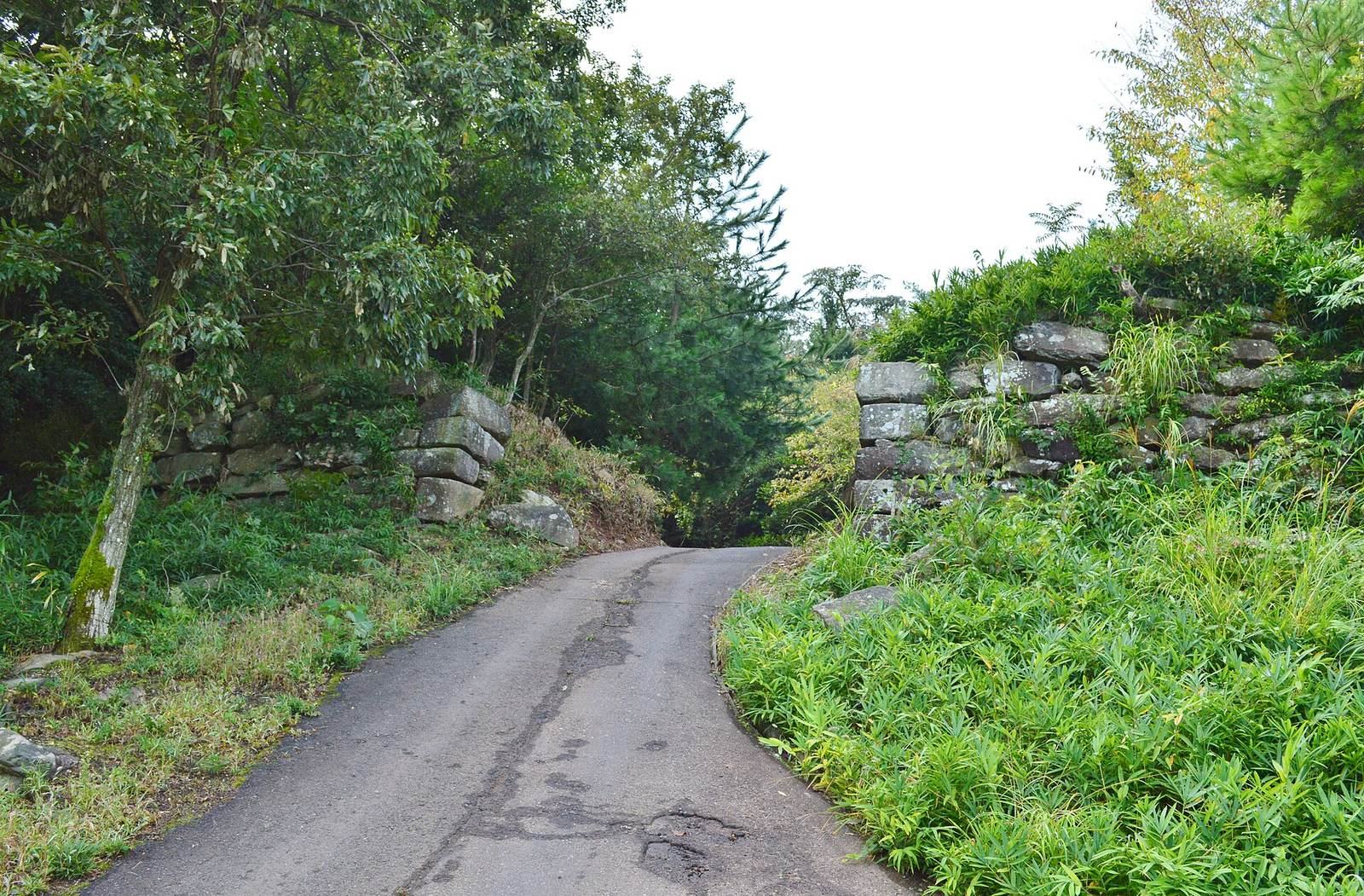
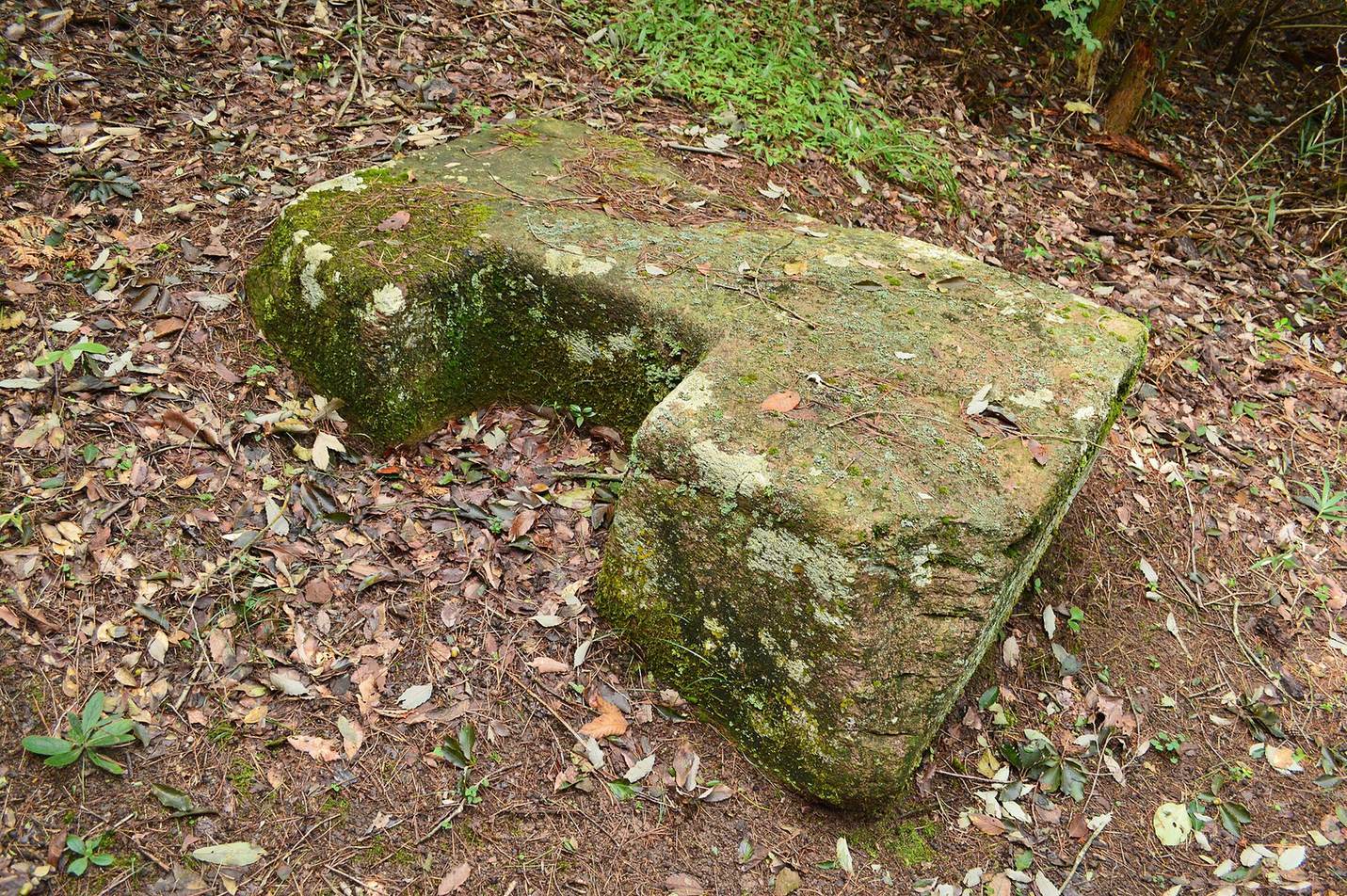
The inner circuit extended for 3.5 kilometres. Its walls were mostly earthen, measuring 1.5–2 metres high and 6–7 metres wide. Stone reinforced the sides of the gates. One interpretation holds that construction was left incomplete, based on stones scattered at irregular intervals along the tops of the foundations.
Outer circuit
The outer circuit ran for 4.2 kilometres. Its walls were about 1 metre high and 3 metres wide.
Surviving remains and foothill sites
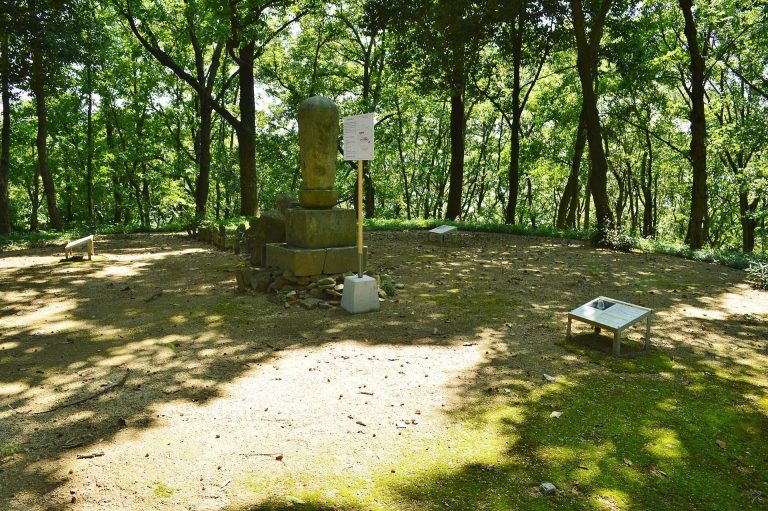
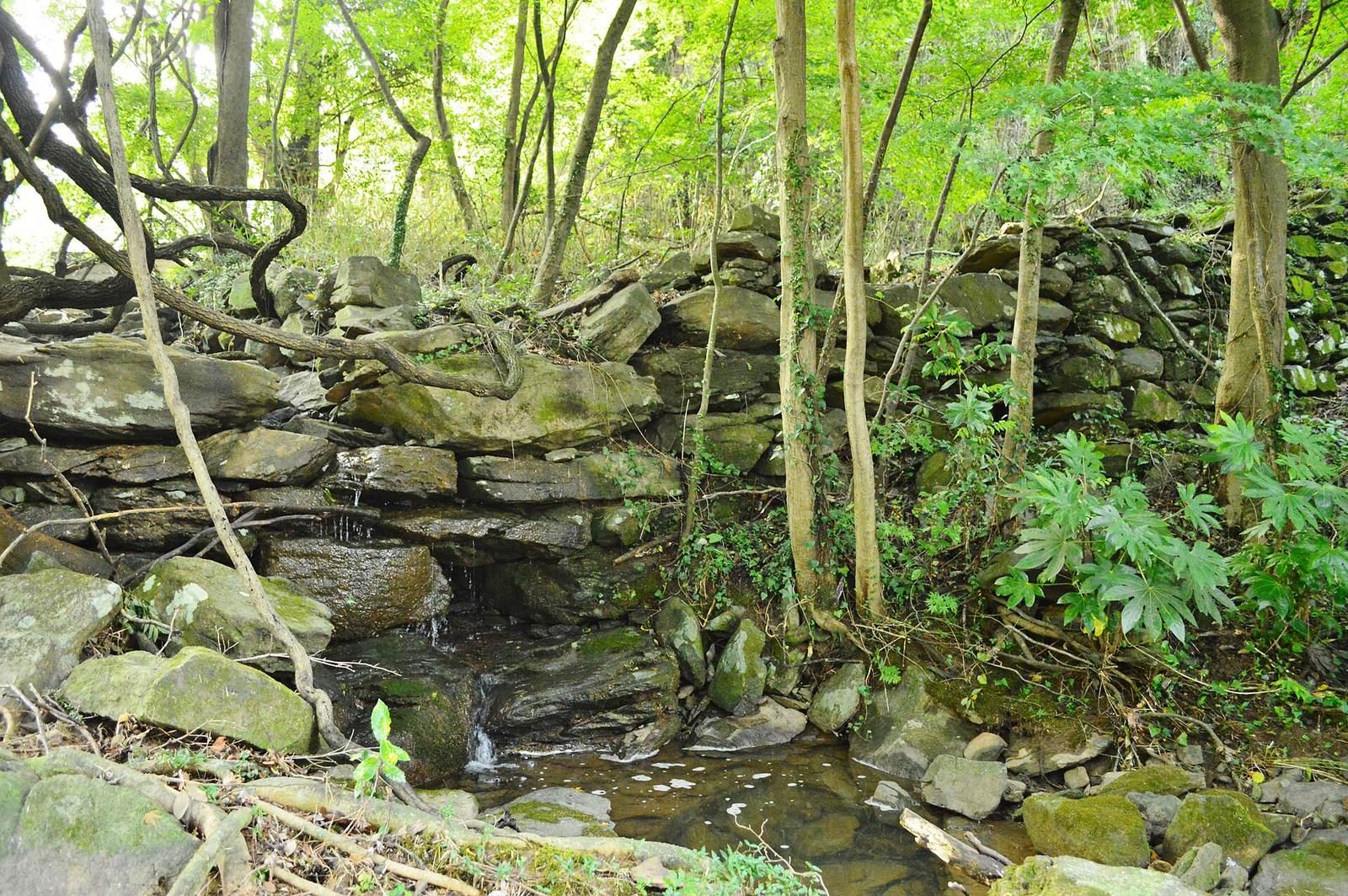
A golf course now occupies the site, with gate remains, stone walls, and earthen defenses scattered across its grounds. The castle survives in limited remains. At the mountain’s foot are Shiroyama Shrine and the presumed site of the provincial capital of ancient Sanuki Province.