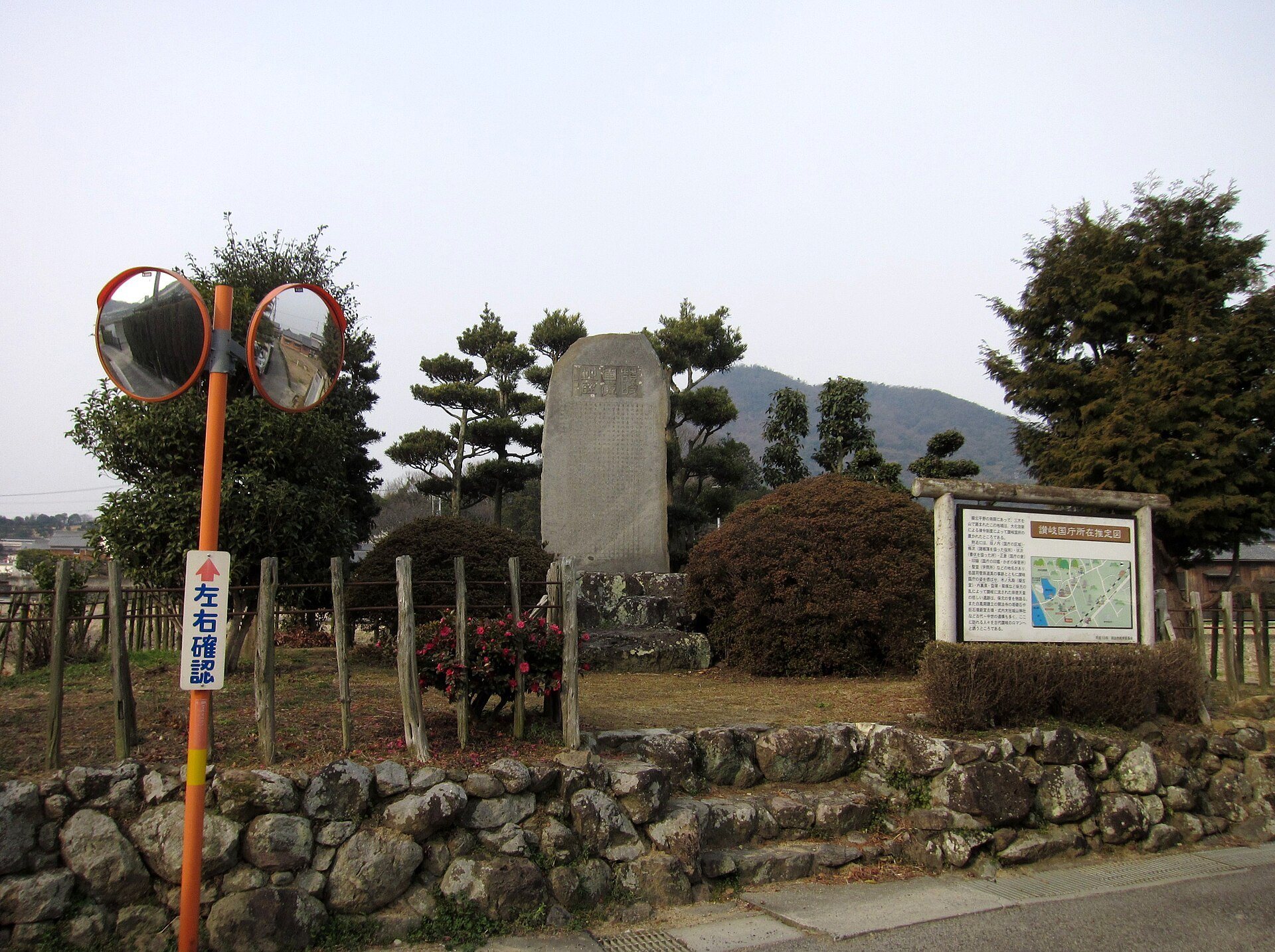
Sanuki Kokufu: The Provincial Capital of Sanuki Province in Japan
Site at a Glance
- Rating
- 4.1
- Popularity
- Very Low
- Country
- Japan
- Primary era
- Medieval
- External website
- Open
- Eras represented
- Medieval
- Civilizations
- Yamato
- Site type
- City
On this page8 sections
History
Sanuki Kokufu is the archaeological site of the provincial capital of Sanuki Province in Sakaide, Kagawa, Japan. It was established within the centralized government system introduced after the Taika Reform of 645, a program that reorganized Japan’s administration on a Chinese-influenced model, and served as a center of provincial government from the Nara period into the early Heian period.
Establishment and administration
The kokufu, meaning the administrative capital and governmental complex of a province, operated under the ritsuryō system of administrative regulations and legal codes. A centrally appointed kokushi, or provincial governor, represented the central government in the province. Sanuki Kokufu continued in use until approximately the thirteenth century, near the end of the Kamakura period.
The provincial-capital system declined as feudalism expanded during the late Heian period. As many provincial capitals fell out of use, their locations were forgotten. Sanuki Kokufu became a lost site whose approximate position was later inferred from the place name Fuchū, its location at the base of the Asuka-period Kiyama fortifications, and records concerning Sugawara no Michizane.
Rediscovery and archaeological investigation
Sugawara no Michizane, a prominent Heian-period court scholar and statesman who served as governor of Sanuki Province, was said to have worshipped at Shiroyama Shrine at the foot of Kiyama. Kaiho-ji, identified in a collection of his poems as lying immediately west of the provincial capital, provided another important reference point for locating the lost complex.
From 2009 to 2017, the Kagawa Prefectural Buried Cultural Property Center combined topographic and place-name surveys with archaeological excavation and cooperation from volunteer groups. Excavations begun by the Kagawa Prefectural Board of Education in 2011 in the eastern part of the Kaiho-ji temple ruins revealed remains dating from the mid-seventh century, before the provincial capital was established, through the thirteenth century, after its abolition. Sanuki Kokufu was designated a National Historic Site of Japan in 2020 because its remains help clarify the development and operation of provincial government.
Remains
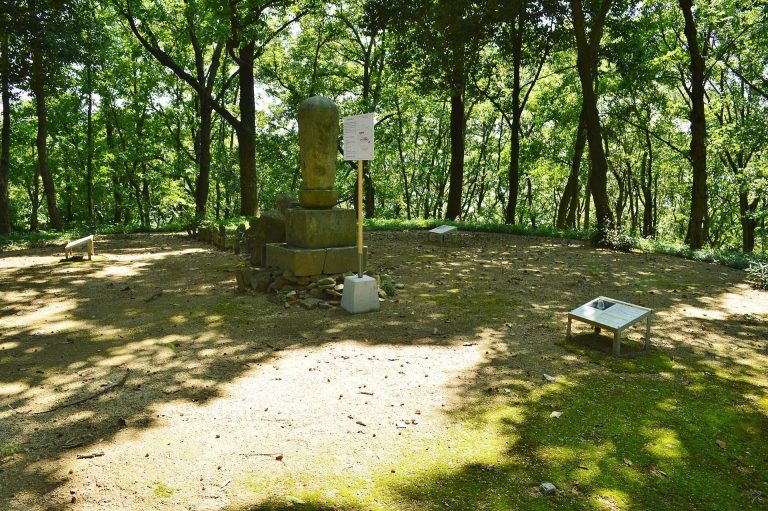
The surviving site is in ruins, with foundation stones preserved underground and in nearby fields. The archaeological evidence indicates a square-planned provincial capital organized around administrative, financial, police, and military functions. It also included the governor’s official residence and granaries for tax rice and other taxable produce. A provincial temple, its associated nunnery, and a garrison occupied the surrounding area as parts of the wider provincial-government system.
Central administrative area
Foundation stones form what appears to be an approximately 80-by-80-meter block of buildings. This area is regarded as the central part of the provincial capital during the latter half of the seventh century. The remains belong to the underground archaeological structure of the site, while the surviving surface landscape includes nearby fields.
Rebuilt government buildings
Between the mid-eighth and eleventh centuries, several pillar-supported buildings, including large structures, were constructed and maintained through repeated rebuilding. Their long sequence of reconstruction reflects continued use of the governmental area over several centuries and provides physical evidence for changing phases within the provincial capital.
Later residential blocks
From the mid-eleventh through the thirteenth century, three mansion blocks, each approximately 40 meters long and associated with a well, occupied part of the site. These later remains belong to the final period of Sanuki Kokufu’s use, which continued until approximately the thirteenth century.
Kaiho-ji archaeological area
The eastern part of the Kaiho-ji temple ruins contains remains from the mid-seventh through the thirteenth century. This range spans the period before the provincial capital’s establishment, its functioning as an administrative center, and the period after its abolition, while the temple’s position immediately west of the capital helps define the relationship between the central government complex and its surrounding institutions.