Kata Shrine: A Shinto Sanctuary in Toba, Japan
Site at a Glance
- Rating
- 3.8
- Popularity
- Very Low
- Country
- Japan
- Primary era
- Early Modern
- External website
- Open
- Eras represented
- Early Modern
- Civilizations
- Unclassified
- Site type
- Religious
- Remains
- Sanctuary
On this page8 sections
History
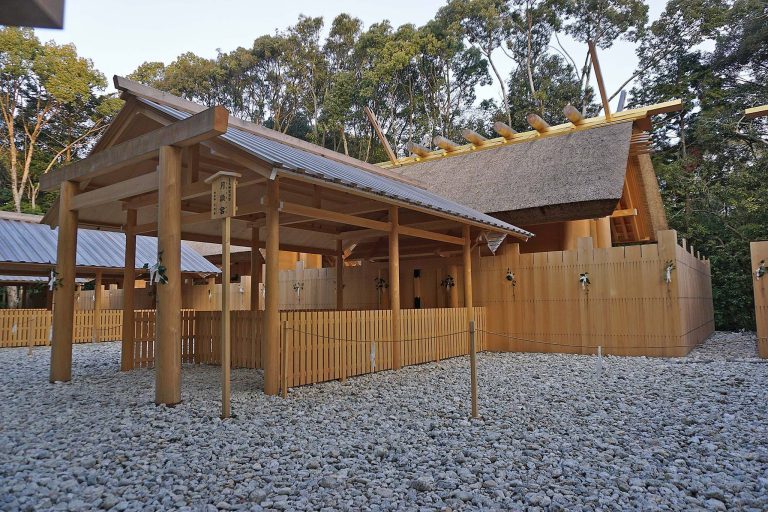
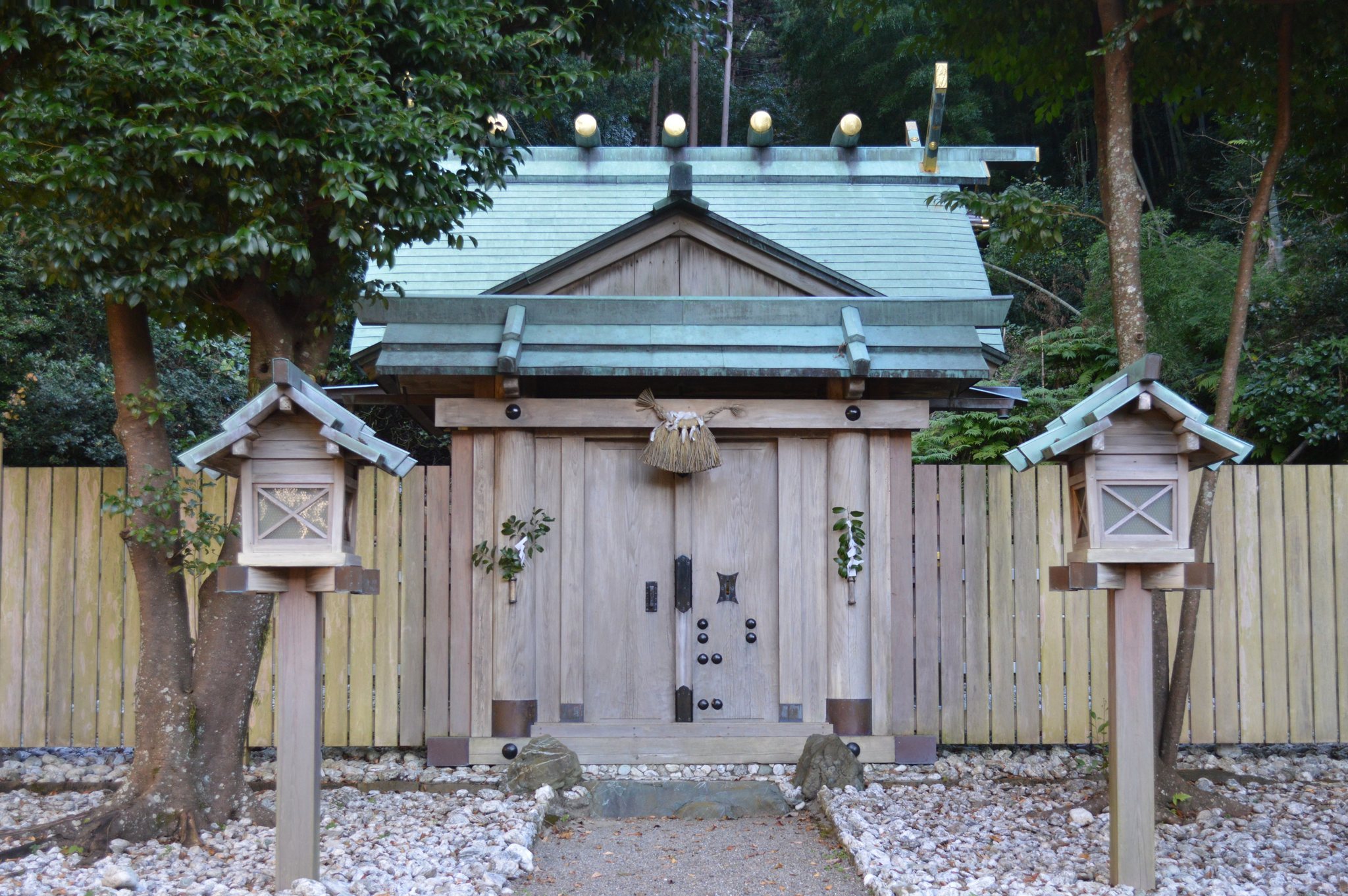
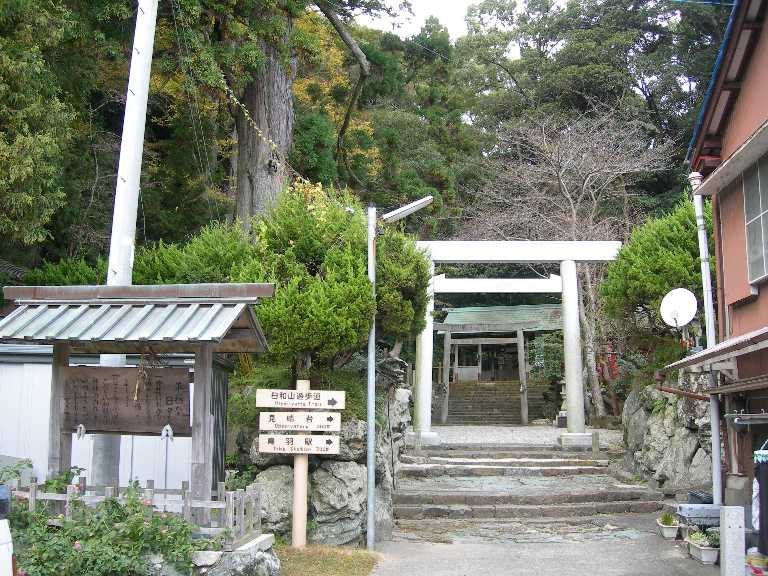
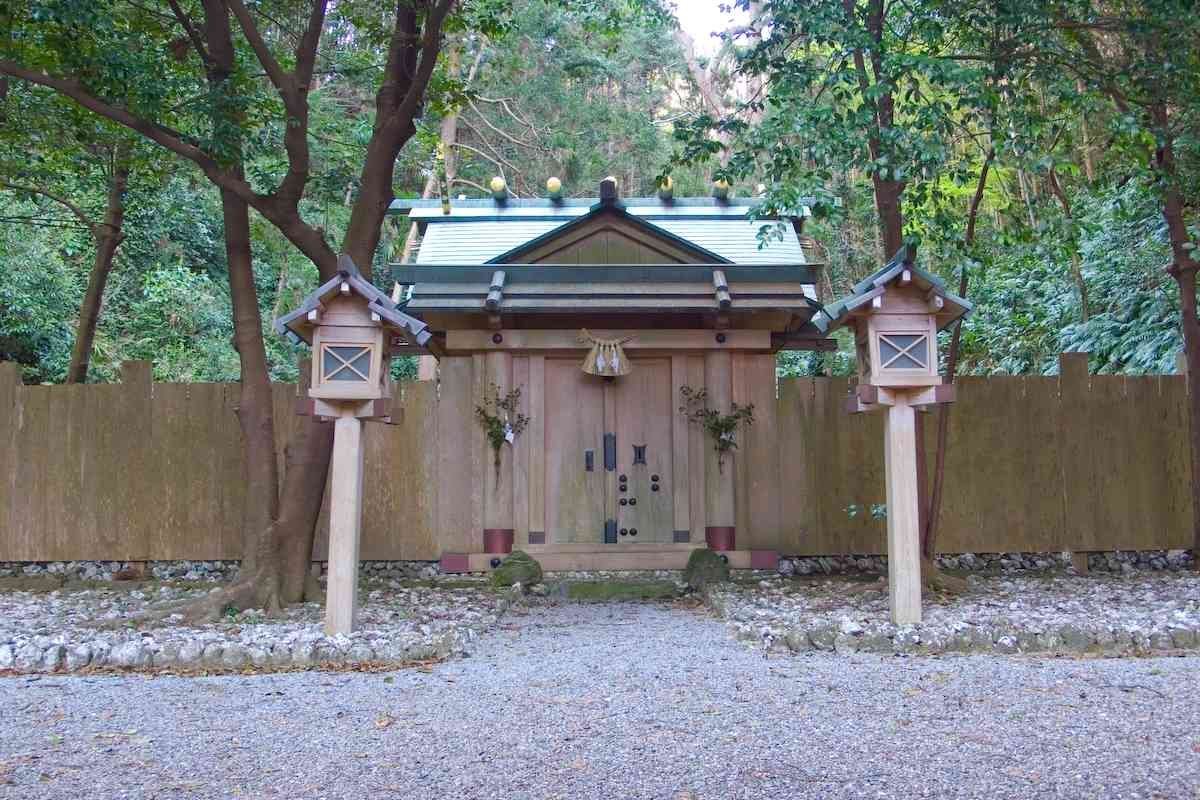
Kata Shrine is a Shinto sanctuary in Toba, Japan, traditionally said to have been founded in 724. Its buildings follow the Shinmei-zukuri style, a restrained wooden form associated especially with the tradition of Ise Grand Shrine in Mie Prefecture. The shrine enshrines eight deities, including Masaka-Akatsu-Kachihayahi-Ame-no-Oshihomimi-no-Mikoto, Ame-no-Hohi-no-Mikoto, Amatsuhikone-no-Mikoto, Ikutsuhikone-no-Mikoto, Kumanu-Kusubi-no-Mikoto, Tagiri-hime-no-Mikoto, Ichikishimahime-no-Mikoto, and Tagitsuhime-no-Mikoto.
Names and shrine consolidation
A historical work from 1713 identifies the sanctuary with Hachioji Shrine. In 1871, it received the name Kata Shrine and was classified as a former gosha, a historical rank for a local shrine. One theory places the former Akasaki Shrine at the same site.
The shrine precincts expanded through a series of early twentieth-century mergers. On January 21, 1907, Kata Shrine absorbed the former unclassified Osugi Shrine, which stood outside its precincts. On October 4 that year, it also took in Iwasaki Shrine, Hachiman Shrine, Koyasu Shrine, two Yamano Shrines, Iwasaki-no-ue Hiyoshi Shrine, Akiba Shrine, Yamano Shrine, Inari Shrine, and Konpira Shrine.
Ritual traditions and later additions
The annual festival’s Noh performance began in 1691, when ritual Noh, a classical Japanese masked drama combining chanting, music, dance, and highly stylized acting, was presented to drive away an epidemic in the area. From 1707, during the tenure of Toba domain lord Matsudaira Norisato, representatives of successive domain lords attended the performance each year.
In 1712, fallen pine and cedar trees from the precincts were made into an assembled Noh stage. From 1733, the main shrine buildings were rebuilt in the Shinmei-zukuri style with old timber transferred from the Taga and Tsukiyomi separate shrines of Ise Grand Shrine’s Outer Shrine. These separate shrines are subordinate sanctuaries within Ise Grand Shrine’s Outer Shrine complex. The shrine continues a transfer ceremony every 20 years, using old timber from separate shrines of the Outer Shrine. In 1910, timber from separate shrines of both the Outer and Inner Shrines, as well as from Izawa Shrine, was also reportedly received.
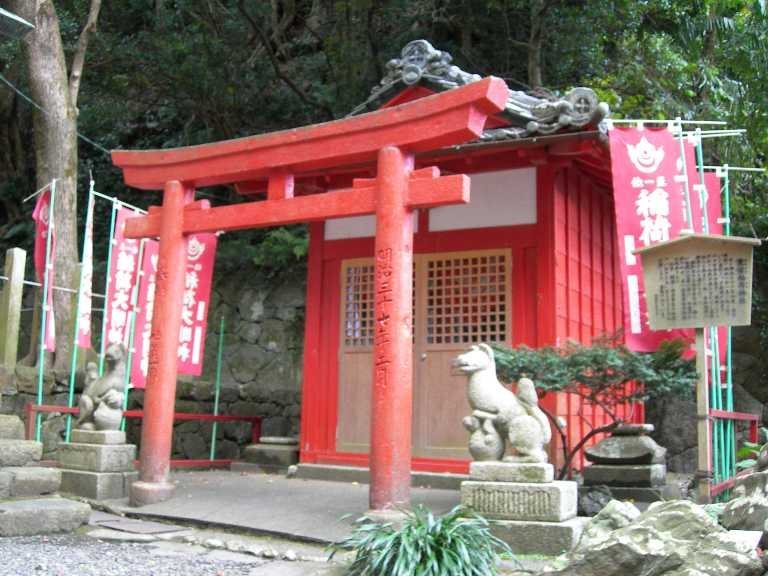
In 1958, Dock Inari, founded at the site of Toba Castle in 1898, was moved into the precincts and renamed Toyosaka Inari Shrine. An ancestral hall commemorates parishioners who died in the First Sino-Japanese War, the Russo-Japanese War, and the Pacific War. Kata Shrine’s Noh performance also provided the basis for a kagura scene in the film Godzilla. Kagura is a Shinto ritual performance involving music and dance offered to or associated with the kami. In the film, inhabitants of the fictional island of Odo perform the ritual to avert poor fishing, seen as a warning of Godzilla’s arrival.
Remains
Shrine buildings
The main buildings are wooden structures built in the Shinmei-zukuri style, using cypress. The complex includes a wooden worship hall, while the principal buildings reflect the rebuilding that began in 1733 with transferred timber from the Taga and Tsukiyomi separate shrines of Ise Grand Shrine’s Outer Shrine. Further old timber from the Outer Shrine, the Inner Shrine, and Izawa Shrine reached the sanctuary in 1910.
Performance space and sacred trees
Assembled Noh stage
The assembled Noh stage made from fallen pine and cedar trees in 1712 remains a physical part of the shrine. Its construction is connected with the early modern festival tradition, and the stage is designated as a prefecturally protected tangible folk-cultural property.
Tree of the Thousand Cedars
One tree survives from a group associated with Kuki Yoshitaka, the sixteenth-century naval commander and lord of Toba Castle. The original sacred tree, known as the Ryuto Pine, was reportedly cut down and used for the deck of the warship Nippon Maru. Kuki Yoshitaka is then said to have planted 1,000 cedars, after which the group became known as the Thousand Cedars of Kuki. The surviving tree stands within the shrine precincts.