Broekhuisen Castle: A Country House and Estate in the Netherlands
Site at a Glance
- Popularity
- High
- Country
- Netherlands
- Primary era
- Early Modern
- Eras represented
- Early Modern, Modern
- Civilizations
- Dutch
- Site type
- Domestic
- Remains
- Elite Residence
On this page8 sections
History
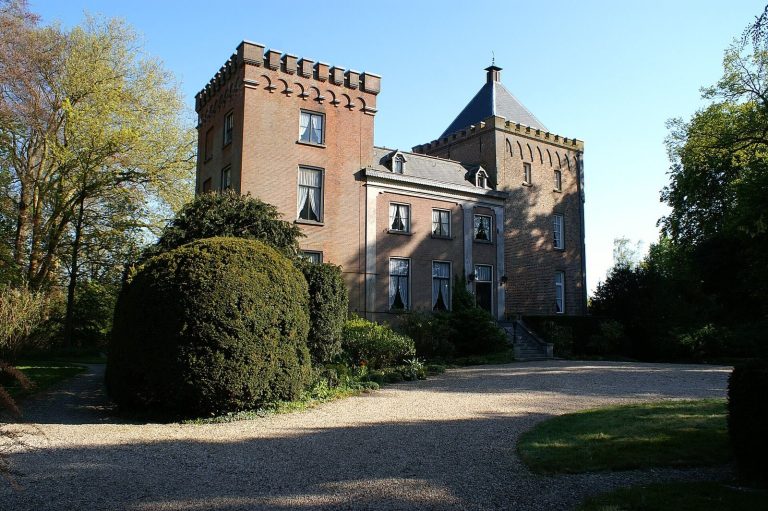
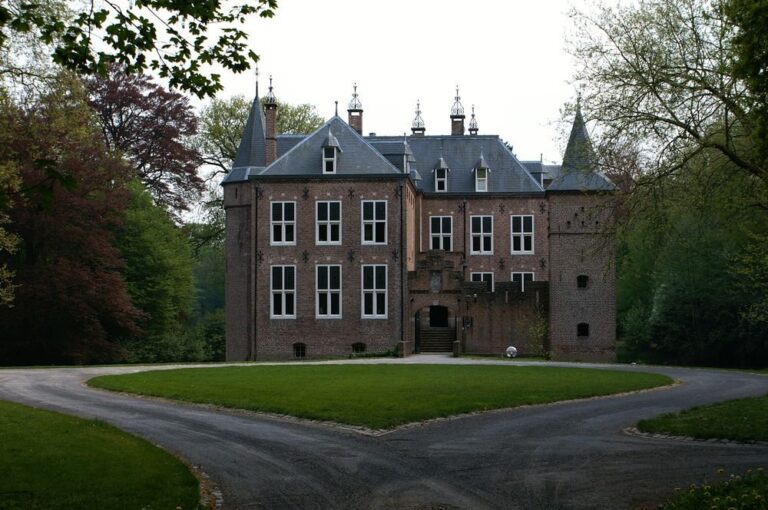
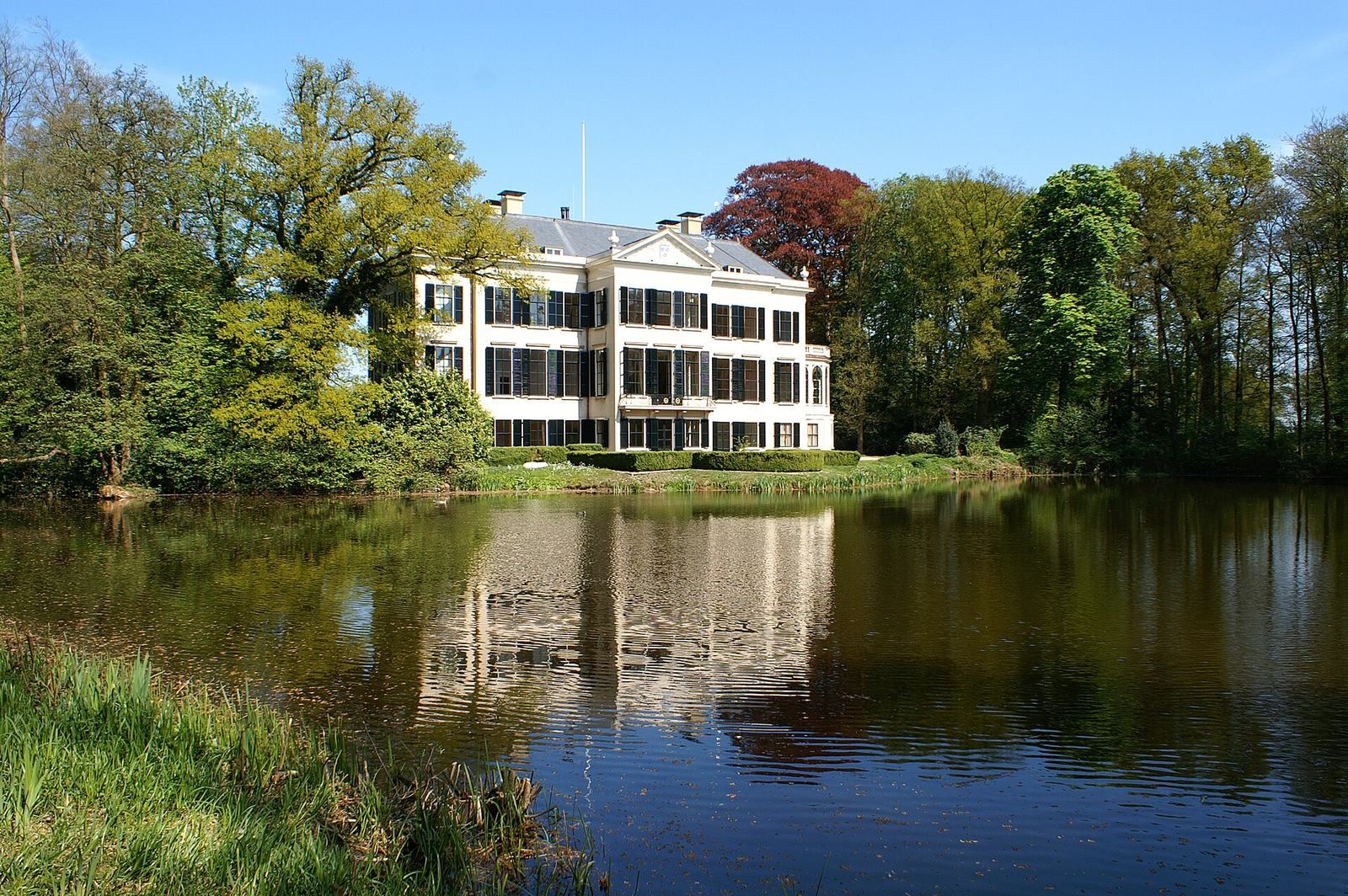
Broekhuisen Castle is a country house on the Broekhuizen estate in Leersum, the Netherlands. Its earliest construction is tentatively dated to the fourteenth century, while the present house was commissioned in 1793 and built in Dutch Classicist style. The estate became a recognized ridderhofstad, a category of noble estate in Utrecht associated with particular legal privileges.
Medieval estate and changing ownership
The Van Broeckhuysen family is recorded in the surrounding region from 1250. In 1393, the Utrecht Cathedral Chapter, the body of canons attached to Utrecht’s Dom Cathedral, granted Broekhuizen as a fief to Jan van Broeckhuysen. A fief was land held from a superior lord under a feudal relationship. The adjoining estate of Schevichoven was granted to Jan the following year.
In 1406, Tyman van Zuylen, the brother of Jan’s widow, received the house as a fief from the Lord of Gaesbeek. Broekhuizen was therefore connected to two feudal lords, while the house itself was held from Gaesbeek. Jacob van Gaesbeek sold the castle to Willem van Gent in 1452; Willem then sold it to Jacob de Roye. In 1460, Jacob’s heiress, Feye de Roye, transferred it to Bishop David of Burgundy, who granted the property to his servant and chamberlain Jan van Auxy. The deed still described the house as a fief of the lords of Abcoude.
In 1541, heiress Heylwich van Meerten brought the estate into the Van Oostrum family through her marriage to Dirk van Oostrum. It passed by inheritance to Willem van Oostrum in 1628, and Broekhuizen received recognition as a ridderhofstad in 1629. The Van Arkel family acquired the house in 1667. Its last owner from that family, Otto van Arkel, died in 1709.
Country house and estate
After several further sales, Amsterdam merchant Cornelis Jan van Nellesteijn bought the property in 1793 and commissioned a new house. It replaced the earlier building in 1794 and was enlarged in 1810. In 1897, Nellesteijn’s grandson sold Broekhuizen to Maarten Iman Pauw van Wieldrecht, who commissioned a coach house and stable from an architect that year.
Fire, public ownership, and restoration
A major fire damaged the castle in 1906, after which it was rebuilt as far as possible in its earlier style. The estate passed to Pauw van Wieldrecht’s daughter in 1939. She married Th.J.G. Stratenus, and their sons sold the house and estate to the Dutch state in 1965. From 1971 to 1996, the state housed the National Institute for Nature Management there before transferring the property to Staatsbosbeheer, the Dutch state organization responsible for forestry and nature management.
Staatsbosbeheer later sold the buildings to a private buyer under a mortgage arrangement. When the buyer could not keep up the payments, mortgage bank Delta Lloyd acquired the property in 2006. Staatsbosbeheer began restoring the garden the following year, while Delta Lloyd arranged the castle’s restoration. A new owner took over in May 2011. After further renovation, the estate reopened in 2016 for hotel and hospitality uses. A downburst caused storm damage there on 18 June 2021. Broekhuisen Castle is designated a Rijksmonument, a nationally protected Dutch monument.
Remains
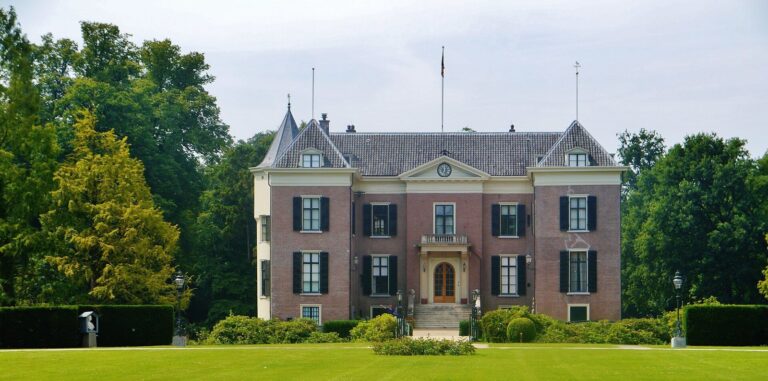
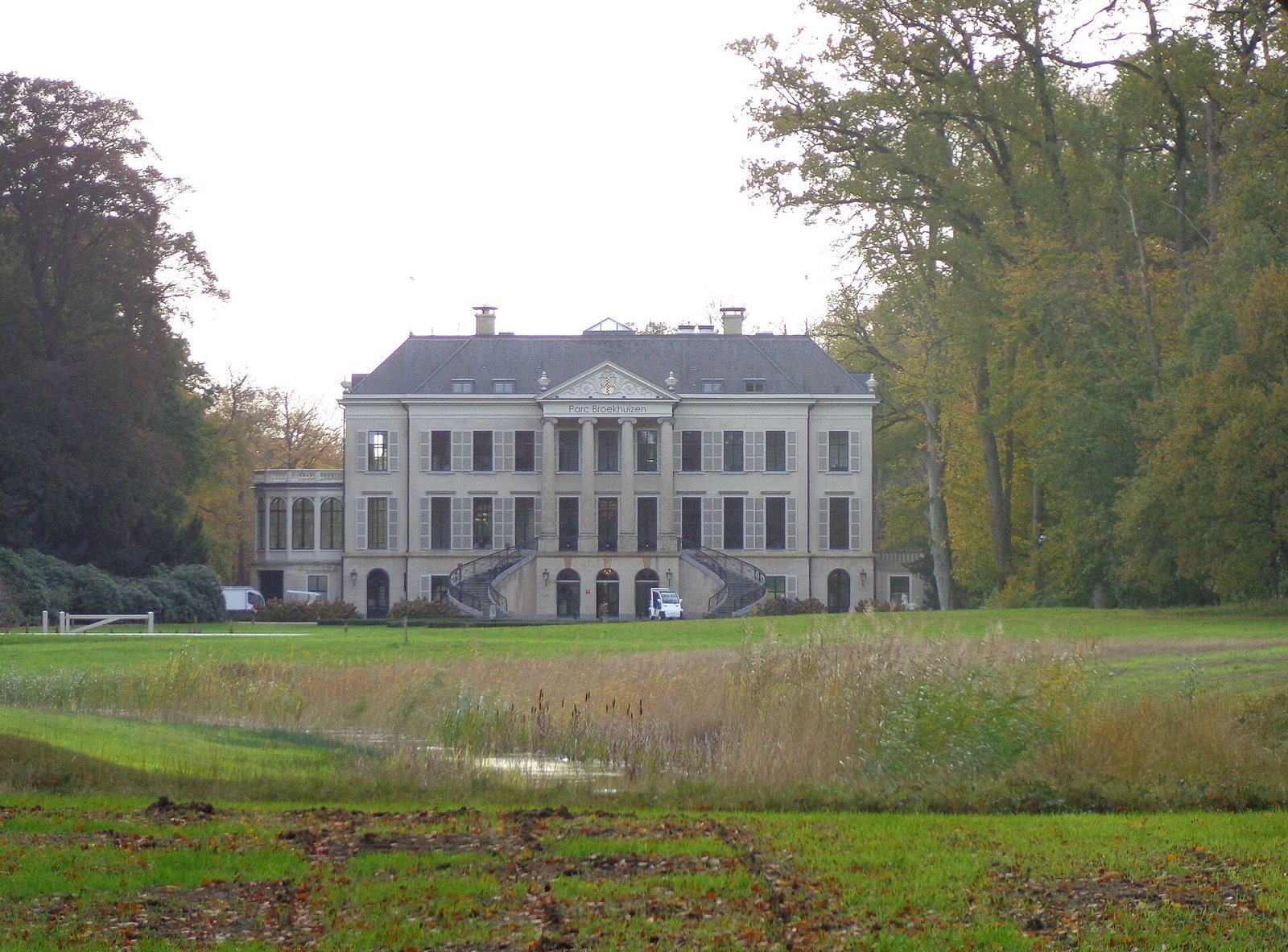
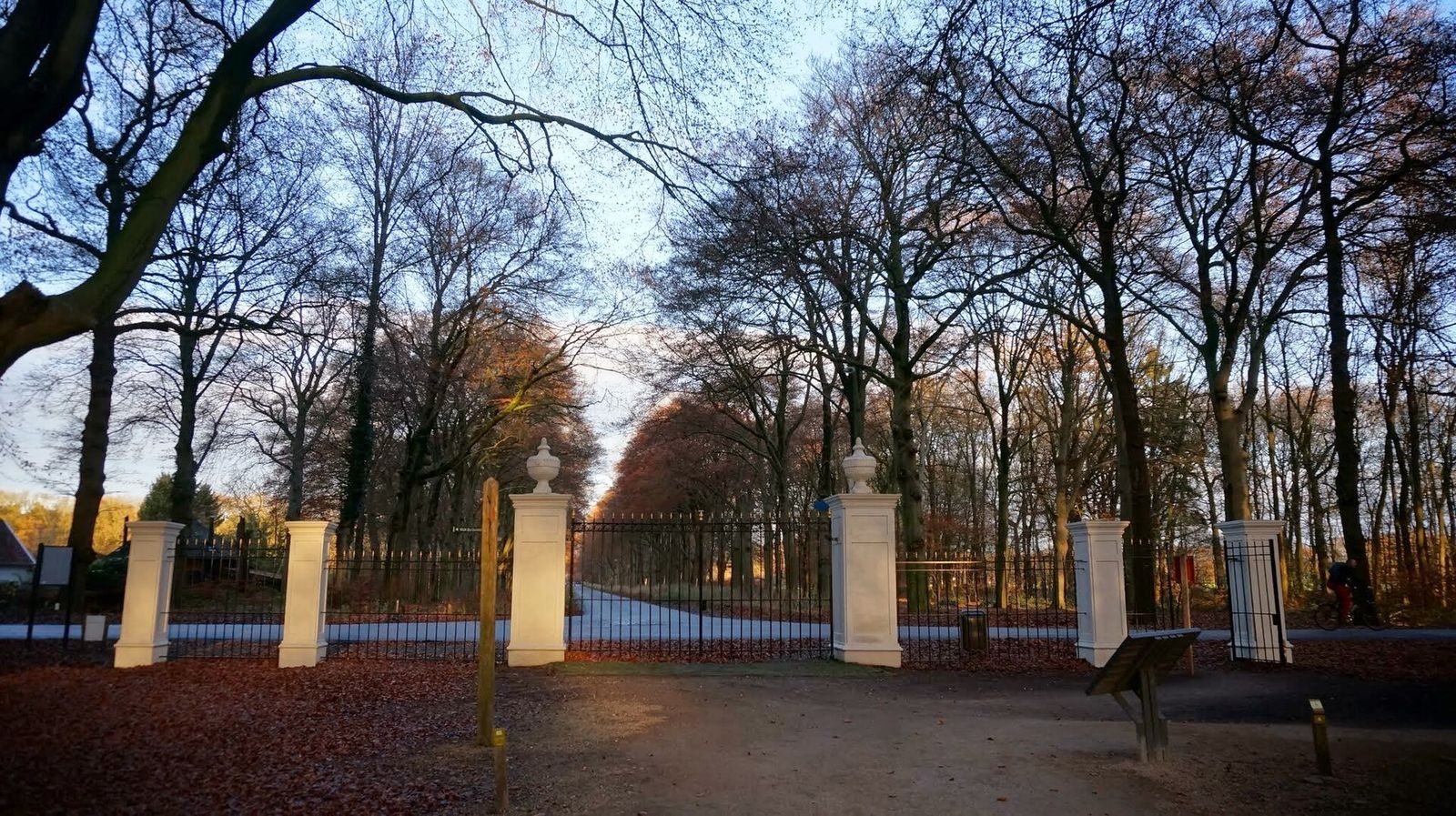
The six-hectare estate includes the country house and an English garden, a naturalistic landscape style with a less formal layout than a geometrically planned garden. The large house has three storeys and Dutch Classicist features.
Earlier house
A drawing made by eighteenth-century Dutch draughtsman Jacob Pronk around 1750 depicts the earlier house as a rectangular country house.
Present house
The present building has a projecting central section, dominated by a monumental portico with four Ionic columns. Ionic columns are a classical type with scroll-like forms at the top of the capital. The front facade bears the arms of the Utrecht Van Broeckhuysen family, a red-and-gold chequered cross on a silver field.
Garden
Michael and Zocher designed the estate’s English garden. Its restoration included the construction of an accessible path.