Kanakurayama Kofun: A Keyhole-Shaped Burial Mound in Okayama, Japan


Site at a Glance
- Rating
- 4
- Popularity
- Very Low
- Country
- Japan
- Primary era
- Classical
- External website
- Open
- Eras represented
- Classical
- Civilizations
- Yamato
- Site type
- Burial
- Remains
- Burial Mound
On this page7 sections
History
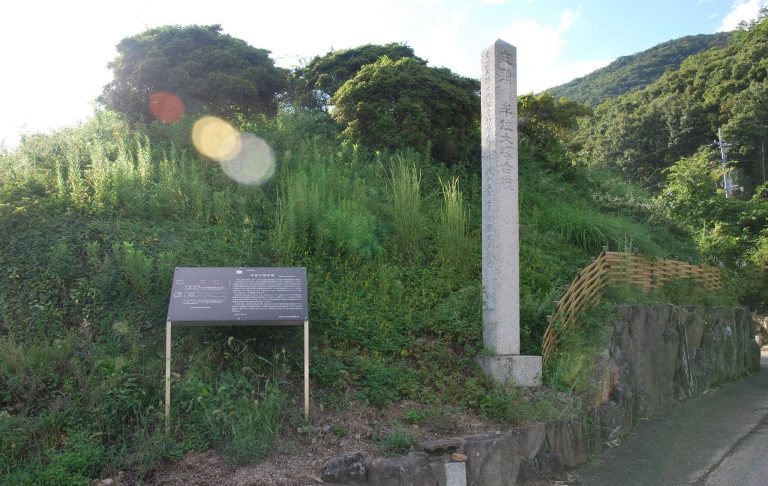
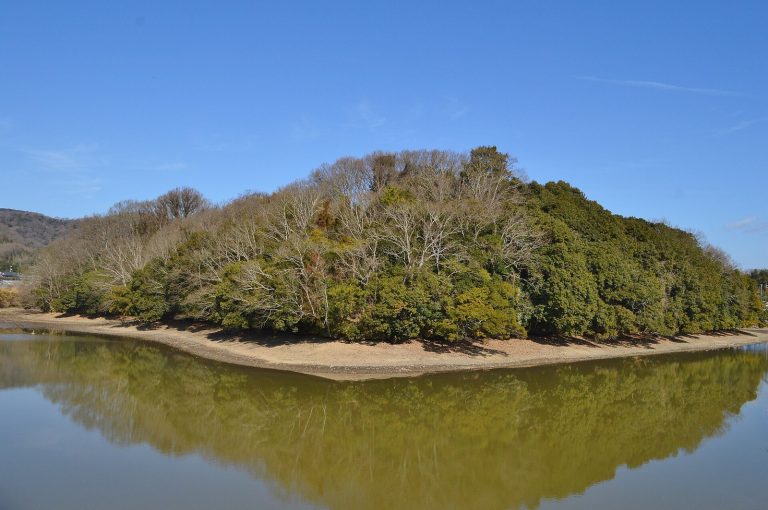
Kanakurayama Kofun is a monumental Japanese burial mound in Okayama City, Japan, built in the late fourth to early fifth century during the early to middle Kofun period. It stands on the summit of Kanakurayama, an isolated mountain in the Misao-yama massif east of central Okayama City. The mound formed part of the Misao-yama Kofun Group, a collection of burial mounds in present-day Naka Ward.
An Early Kofun-Period Monument
Kanakurayama Kofun was constructed at an elevation of about 100 metres. Before the construction of Tsukuriyama Kofun, another large keyhole-shaped burial mound in Okayama Prefecture, it was the largest kofun in the Chugoku, Shikoku, and Kyushu regions. Its scale and richly furnished burials made it one of the representative monuments of the Kibi region, an ancient cultural and political area centered on present-day Okayama Prefecture. Its historical value also rests on the relatively clear understanding of the contents of a large kofun.
Excavation and Continuing Investigation
Part of the mound was excavated in 1884, after which further investigations recovered numerous objects. The Kurashiki Archaeological Museum carried out a major examination of the stone burial chambers in 1953, and the results were reported in 1959. Research has continued since fiscal year 2000. A survey of the edge of the rear mound was reported in 2008, while excavations to confirm the monument’s full extent, begun in fiscal year 2014, were reported in 2019 and 2024.
In 2026, the Council for Cultural Affairs recommended Kanakurayama Kofun for designation as a national historic site. The formal designation was to follow publication in the official gazette. Before this recommendation, the mound had not held historic-site designation.
Remains
Mound and External Features
Kanakurayama Kofun is a keyhole-shaped mound, with a rectangular front section facing north. It measures 165 metres in length, making it the fourth-largest kofun in Okayama Prefecture. The circular rear section was built in three tiers and is approximately 110 metres across and 18 metres high. The front section has two tiers and measures about 72 metres in width and 15.5 metres in height.
Cylindrical haniwa, clay funerary figures and cylinders placed on or around burial mounds, stood in rows along the terraces. Stone facing covered parts of the exterior. A projecting platform extends from the western side of the waist, while an island-like feature occupies the eastern side and was joined to the mound by an earthen bridge.
Haniwa and Ritual Representation
The haniwa assemblage includes cylindrical and morning-glory-shaped examples, as well as figures of houses, fences, and enclosures that represented a ritual space. Other figures took the forms of shields, quivers, cuirasses, skirt armour, lids, high-stemmed cups, houses, chickens, and waterfowl. Figural haniwa also came from the front section, raising the possibility that an additional burial facility was located there.
Burial Chambers and Grave Goods
Two pit stone burial chambers, underground chambers lined with stone slabs, were built at the summit of the rear section. One was central and the other lay to the south. Both were positioned across the mound rather than along its main axis, and each was enclosed by a square arrangement of haniwa. The central burial facility included a smaller subsidiary chamber used to deposit grave goods.
Looting affected the main chamber of the central facility and the southern chamber, but investigations still recovered many funerary objects. Finds reportedly recovered before 1953 included a steatite sword, about 70 steatite knives, part of a steatite sickle, and a Haji-ware dish with a basket-pattern surface. Haji ware was an unglazed earthenware pottery made in ancient Japan.
Other recovered materials include fragments of cylindrical and figural haniwa, Haji-ware fragments, a variant mirror decorated with two deities and two beasts, a hilt-end-shaped stone object, sword-shaped and knife-shaped stone objects, tubular beads, and comma-shaped stone beads.