Bizen Kurumazuka Kofun: An Early Japanese Burial Mound
Site at a Glance
- Rating
- 3.6
- Popularity
- Low
- Country
- Japan
- Primary era
- Classical
- Eras represented
- Classical
- Civilizations
- Unclassified
- Site type
- Burial
- Remains
- Burial Mound
On this page6 sections
History
Early Kofun Period
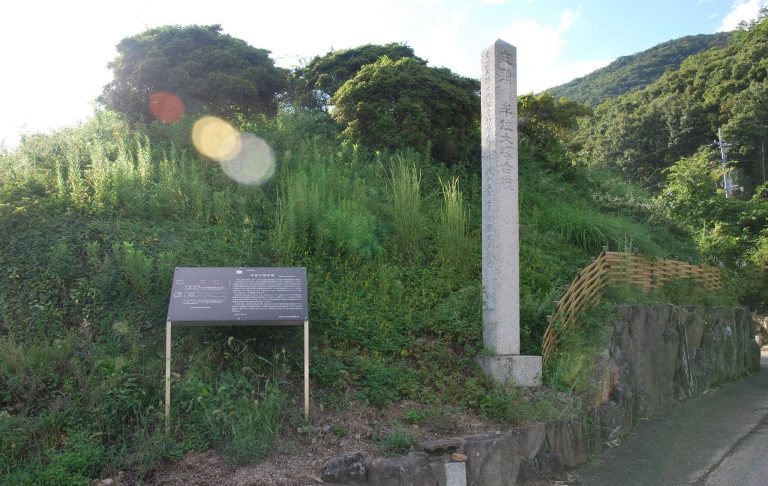
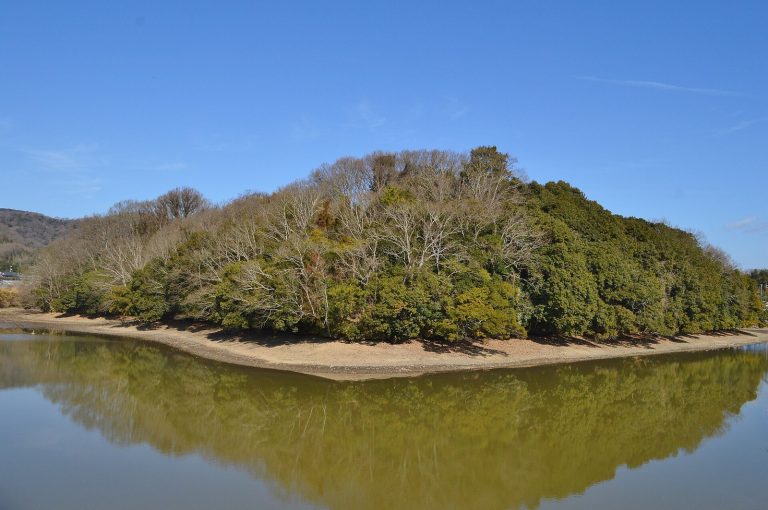
Bizen Kurumazuka Kofun is a Japanese burial mound on a ridge extending from a mountain east of central Okayama, Japan. It dates to the early Kofun period, within an era broadly spanning the third through seventh centuries CE. The many grave goods found in the tomb have been taken to indicate the power of the political group of the time.
The occupant remains unknown. Okayama City History proposed identifying the deceased as an ancestral figure of a Kibi clan mentioned in the Kojiki, an early Japanese chronicle containing origin traditions and accounts of ancient figures. Kibi was an ancient region centered on what is now Okayama Prefecture. The mirrors from the tomb have also provided an important reference for research into examples thought to have been cast from shared molds.
Discovery and Excavation
The burial chamber and its grave goods were discovered in 1956. Excavations followed in 1967 and 1968, carried out by teams associated with Okayama University of Science and Okayama University.
Remains
Mound and Exterior
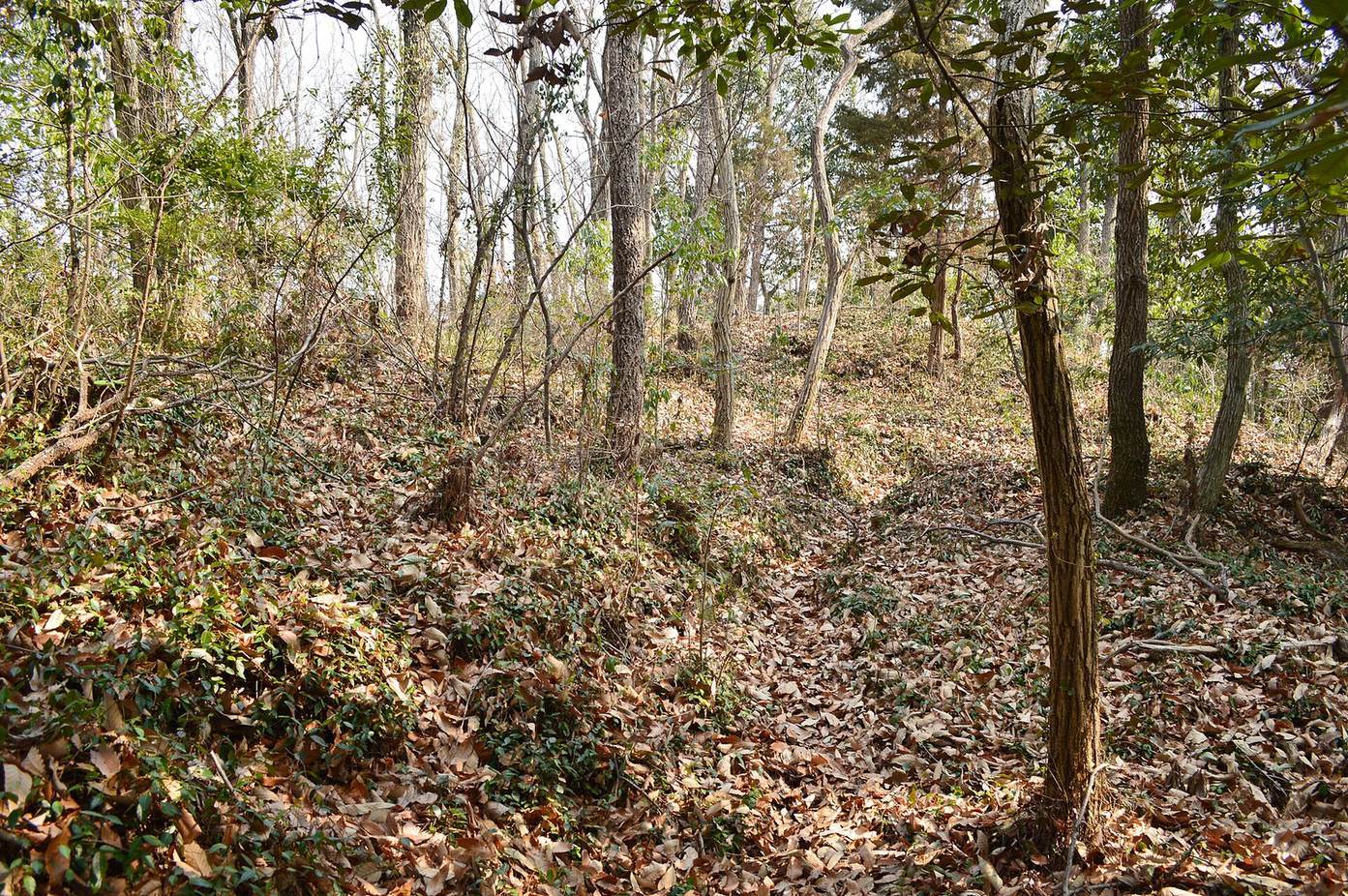
The two-tier mound measures 48.3 metres in length. Its plan has square front and rear sections, unlike the better-known keyhole form. The front section flares outward like a fan and faces west, while the rear rises 3 metres. Rows of angular stones forming a covering over the mound remain clearly preserved.
Burial Chamber and Finds
A stone burial chamber occupies the center of the rear section. Cut into the natural bedrock, it is oriented at right angles to the mound’s axis and measures 5.9 metres long, 1.2 metres wide, and about 1.5 metres high. Eight stones cover the chamber, where a wooden coffin shaped like split bamboo stood on a clay floor. Eleven mirrors with triangular-section rims depict deities and animals. Other finds include iron arrowheads, axes, swords and blades, fragments of iron rods, an iron woodworking tool, and quivers. Pottery was recovered from above the chamber. The mirrors are now held at the Tokyo National Museum.