Kanai Higashiura Site: A Kofun-Period Settlement Buried by Volcanic Eruptions
Site at a Glance
- Rating
- 3.3
- Popularity
- Very Low
- Country
- Japan
- Primary era
- Classical
- External website
- Open
- Eras represented
- Stone Age, Classical
- Civilizations
- Jomon
- Site type
- City
On this page11 sections
History
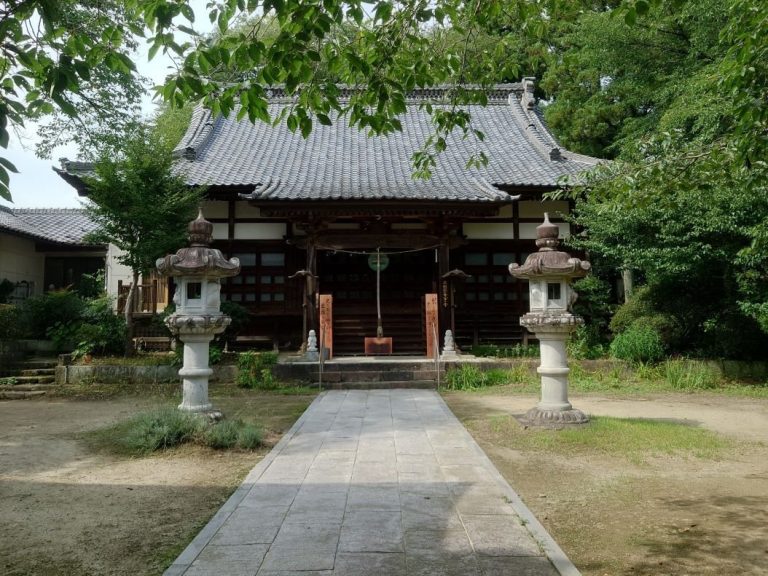
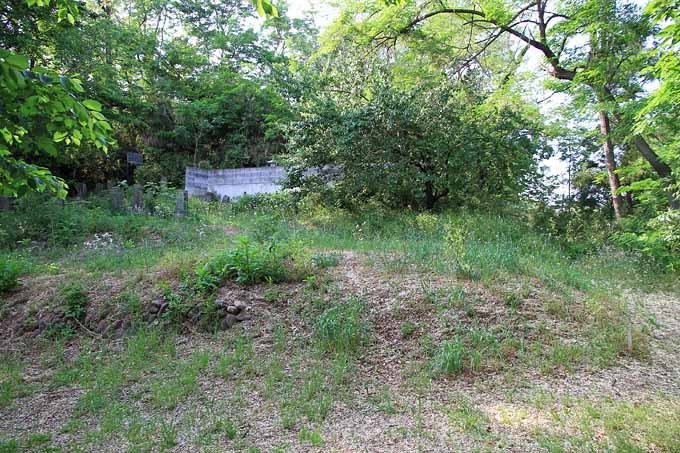
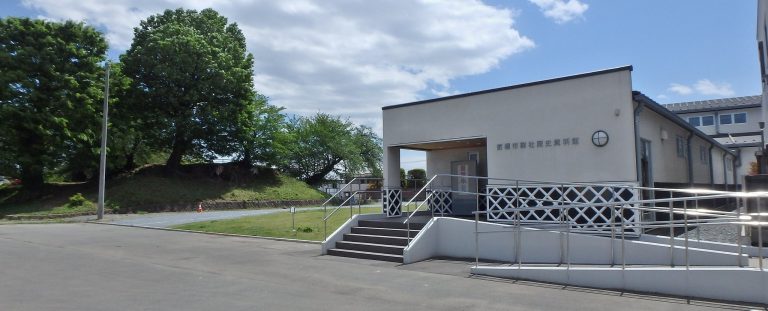
The Kanai Higashiura site in Japan is a Kofun-period settlement at Kanai in Shibukawa, Gunma Prefecture, on an alluvial fan along the northeastern foothills of Mount Haruna. The Kofun period was an era associated with powerful political authorities and the construction of large burial mounds. The site contains remains and artifacts from the Jomon period through the Kofun period, but its best-preserved settlement was overwhelmed by volcanic activity in the sixth century.
A settlement in a volcanic landscape
During the Kofun period, the area was repeatedly affected by major eruptions of Mount Asama and Mount Haruna. In the early sixth century, the Futatsudake volcano on Mount Haruna erupted, producing the Haruna-Futatsudake Shibukawa volcanic ash, known as Hr-FA. This eruption generated both ashfall and a fast-moving, hot mixture of volcanic gas, ash, and rock fragments called a pyroclastic flow.
The settlement lay about 8.5 kilometers northeast of Futatsudake. After the initial eruption and ashfall, the pyroclastic flow reached the community and rapidly buried people, structures, and objects. Fifteen episodes of Hr-FA tephra deposition have been identified at the site. Tephra is volcanic material, including ash and pumice, deposited during an eruption.
A second major eruption of Futatsudake occurred in the middle of the sixth century and produced the Haruna-Futatsudake Ikaho pumice, or Hr-FP. Together, the Hr-FA and Hr-FP deposits accumulated to more than two meters over the settlement. The buried remains therefore preserve a community caught in the course of a volcanic disaster.
Excavation and historical importance
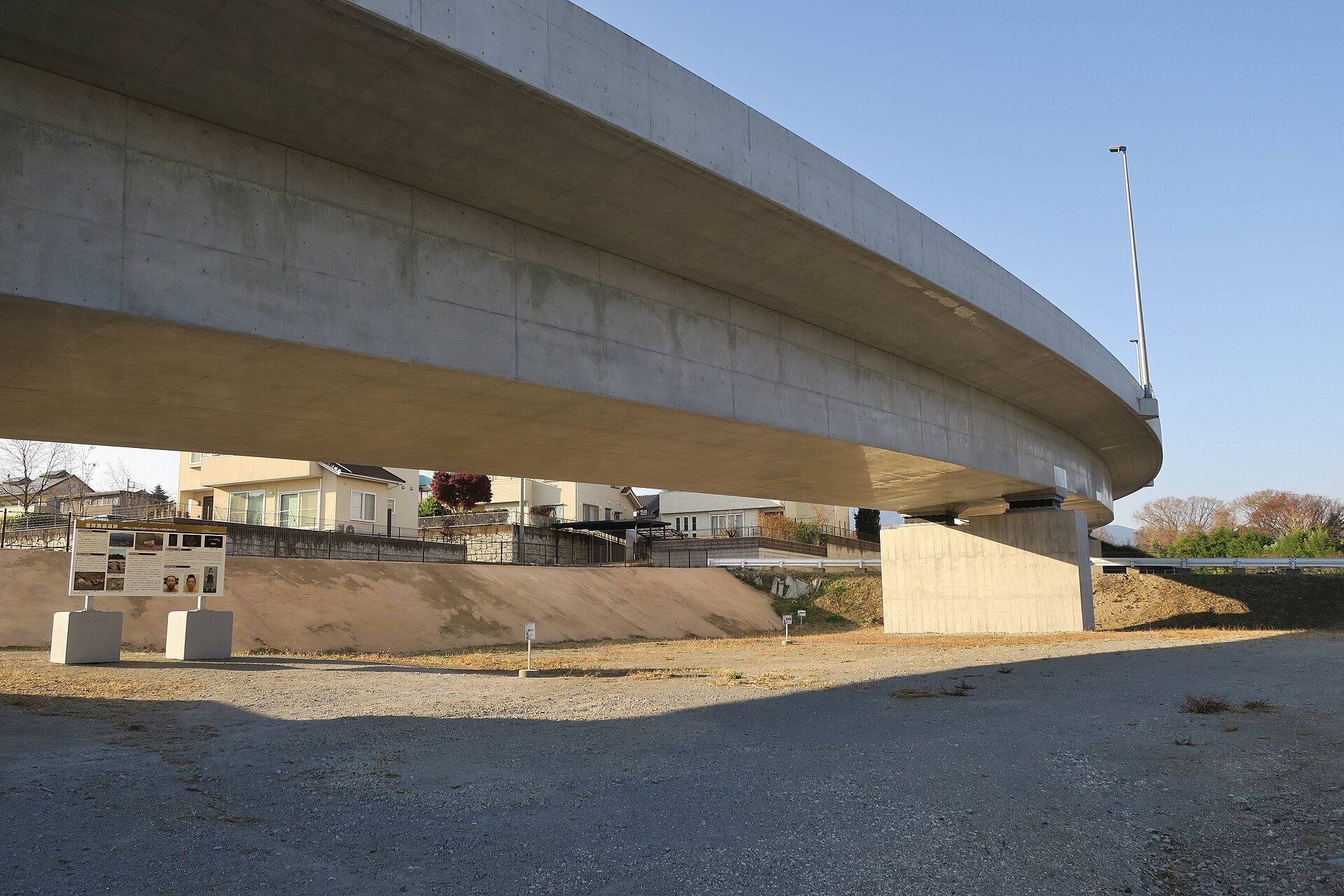
Excavation began in September 2012 during construction of the Kanai Bypass section of National Route 353. The area under investigation was divided into 13 sections. On November 19, 2012, work in Section 4 revealed a person lying beneath the pyroclastic-flow deposits while still wearing lamellar armor. Kozane armor was made from many small plates joined together, and this was the first known discovery in Japan of Kofun-period human remains still wearing that type of armor.
The armored individual lay beside a knife, whetstone, horned helmet, a second suit of armor, 20 iron arrowheads, and an iron spear. The excavation also found a woman wearing a necklace, a child, and an infant’s skull. Together, these discoveries show that the eruption caused multiple human casualties and provide an unusually direct view of the settlement at the moment of destruction.
The nearby Kanai Shimoshinden site, 400 meters south of Kanai Higashiura, produced a large building with a smithing furnace and an enclosure-like structure made from wattle fencing and posts. These discoveries add context to the wider Kanai group of archaeological sites and its Kofun-period settlement organization. Artifacts from Kanai Higashiura have been designated nationally as Important Cultural Properties.
Remains
Beneath surface soil and more than two meters of volcanic deposits, the remains extend across a Kofun-period settlement. The excavated areas contain a mixture of buried structures, activity areas, roads, cultivated land, ritual deposits, weapons, armor, and horse equipment. The volcanic layers preserved these features in the positions created by the settlement’s sudden destruction.
Section 4 settlement remains
Ditch Feature 31 and the armored individual
Section 4 contained Ditch Feature 31, a ditch-like feature filled with Hr-FA deposits. The armored individual was found lying inside it. The nearby spear and iron arrowheads retained fittings made from antler. Every arrow carried by the individual had antler equipment, an exceptionally rare arrangement and the first known example of its kind. Comparable antler fittings on spears and arrowheads are known from a small number of Kofun-period burial mounds in Kumamoto, Fukuoka, and Osaka prefectures.
Antler armor and associated objects
The second suit of armor beside the individual contained antler plates. It was the first lamellar cuirass made with antler plates found in Japan. Bone armor has a parallel at Mongchontoseong in South Korea. The associated objects included the knife, whetstone, horned helmet, 20 iron arrowheads, and iron spear, while a separate female skeleton wore a necklace.
Ritual and domestic features
Other features in Section 4 included a ritual area containing large accumulations of Haji pottery, a low-fired earthenware tradition, Sue pottery, a high-fired stoneware tradition introduced from the Korean Peninsula, and beads. Pit dwellings and a road with preserved footprints also belonged to the settlement. Their survival beneath the volcanic deposits preserves evidence of domestic activity and movement within the community.
Section 9 agricultural and burial features
Building, dwellings, and cultivated field
Section 9, immediately north of Section 4, contained a ground-level building crushed by the pyroclastic flow. Additional pit dwellings and a cultivated field with ridges occupied the same area, preserving elements of the settlement’s built and agricultural environment beneath the eruption deposits.
Horse equipment and burial mounds
Section 9 also produced a sword-diamond-shaped pendant from horse harness equipment and a rounded mass of red ochre known as a red ball. Two circular burial mounds were constructed during the latter half of the middle Kofun period, in the late fifth century. A kofun was a burial mound of this period, and these mounds belong to an earlier phase than the sixth-century volcanic burial of the settlement.