Janja Monastery: A Serbian Orthodox Monastic Site in Serbia
Site at a Glance
- Popularity
- Medium
- Country
- Serbia
- Primary era
- Medieval
- Eras represented
- Medieval, Modern
- Civilizations
- Serbian
- Site type
- Religious
- Remains
- Monastery
On this page5 sections
History
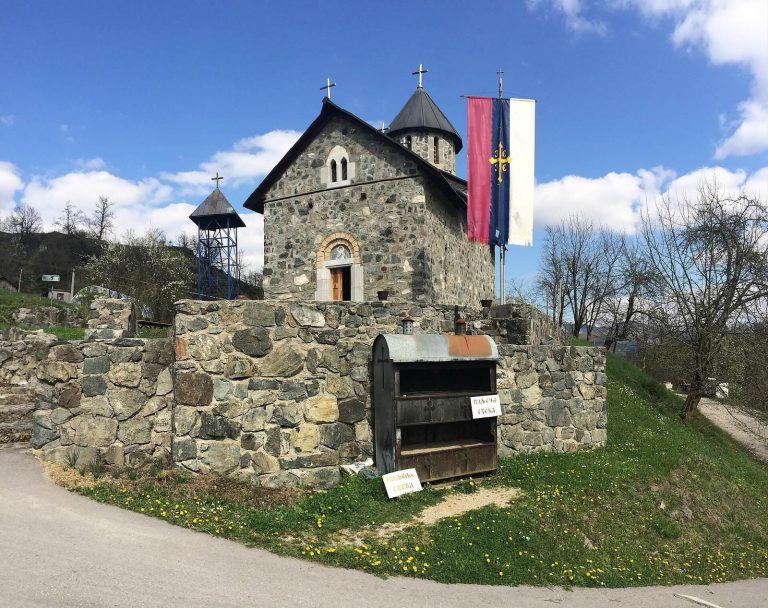
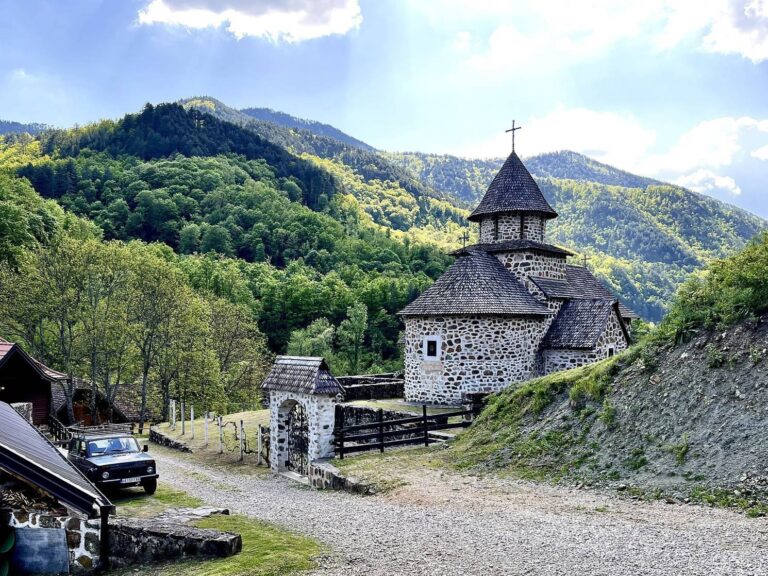
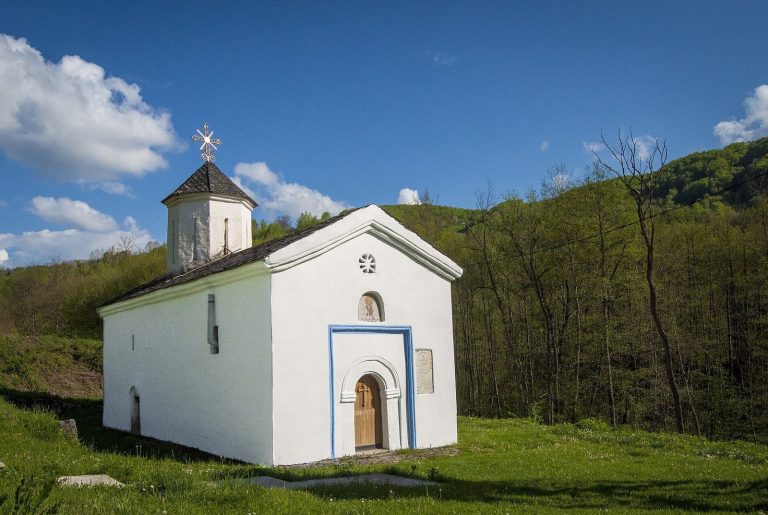
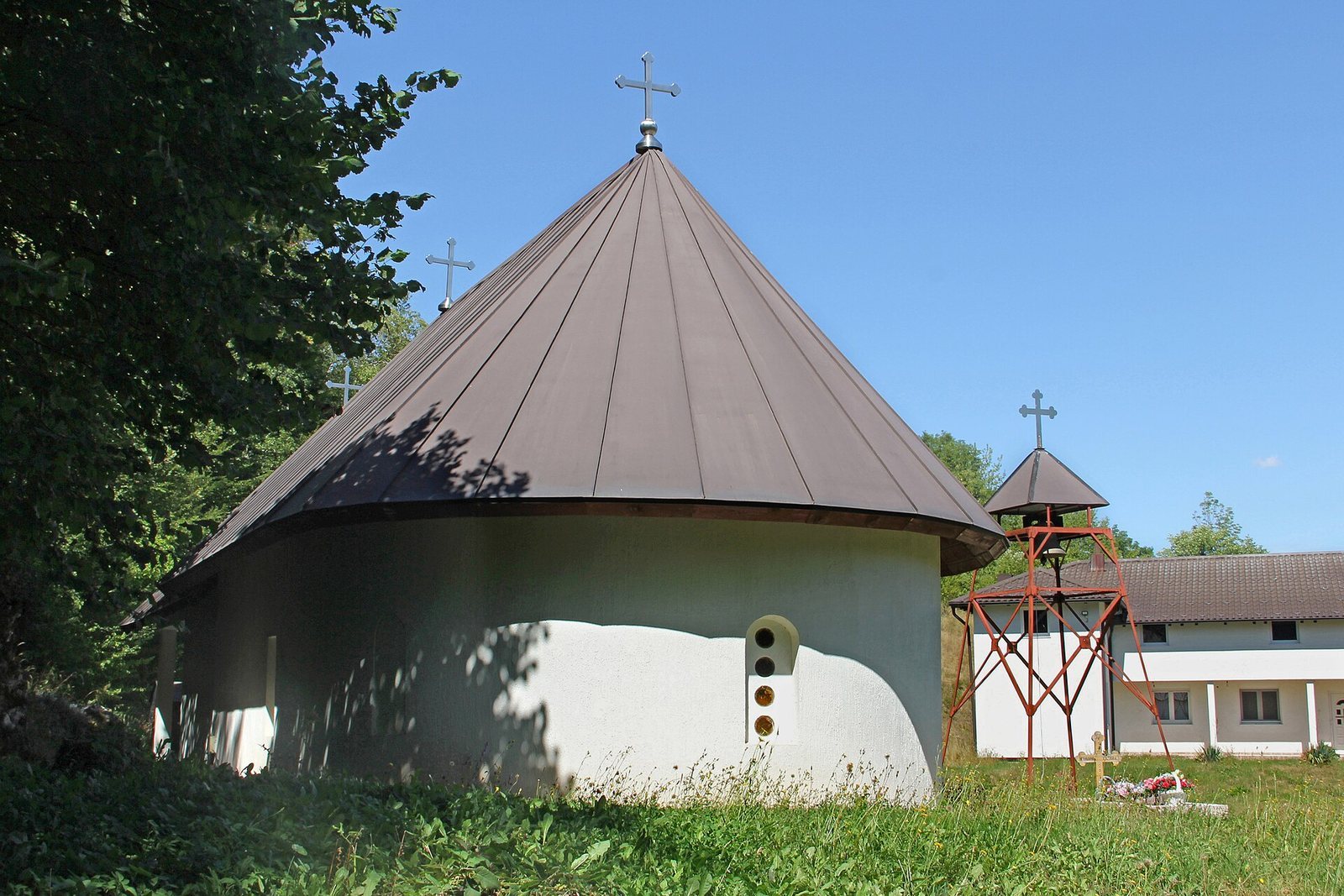
Janja Monastery is a Serbian Orthodox monastic site in Rutoši, Serbia. Its church was probably built in the mid- or late 15th century, although its precise foundation date and founder are uncertain. The monastery is affiliated with the Serbian Orthodox Church and the Eparchy of Mileševa, an Eastern Orthodox diocese, and is dedicated to Joachim and Anne, traditionally regarded as the parents of Mary, the mother of Jesus.
Origins and traditions
A tradition places the monastery’s foundation in the 14th century and credits Stefan Dragutin, a medieval Serbian king of the Nemanjić dynasty. The church’s architecture and furnishings, however, point to a later construction date, in the mid- or late 15th century. Serbian epic poetry associated with the Nemanjić era and local tradition call the site “Janja Church in Stari Vlah.”
Destruction and archaeological investigation
A Gospel dated 1671, now preserved at Žitomislić Monastery in Herzegovina, identifies its origin as the monastery on the Uvac. Janja Monastery was destroyed toward the end of the 17th century. On July 5, 1993, experts from the National Museum in Užice began archaeological investigations at the church as part of the “Holy Waters of Lim” project.
Restoration and consecration
Restoration began on October 2, 2008, with a liturgy led by Bishop Filaret Mićević and attended by clergy and members of the Eparchy of Mileševa’s monastic community. On Epiphany, the Eastern Orthodox feast commemorating Jesus’ baptism, the church’s crosses were raised and consecrated in 2011, followed by finishing work on the facade and interior. The restored monastery was consecrated on July 22, 2012, and regained its original appearance after four centuries.
Remains
The monastery stands on the left bank of the Uvac River, within its canyon, in a landscape bordered by the villages of Seništa and Radoinja in the historical region of Raška. Excavations below Janja Rock revealed the foundations of a church with a single main worship space. The building measured 9.30 metres long and 6 metres wide. Its design is described as Byzantine in type and belongs to the Raška architectural school, a tradition of medieval Serbian church architecture.
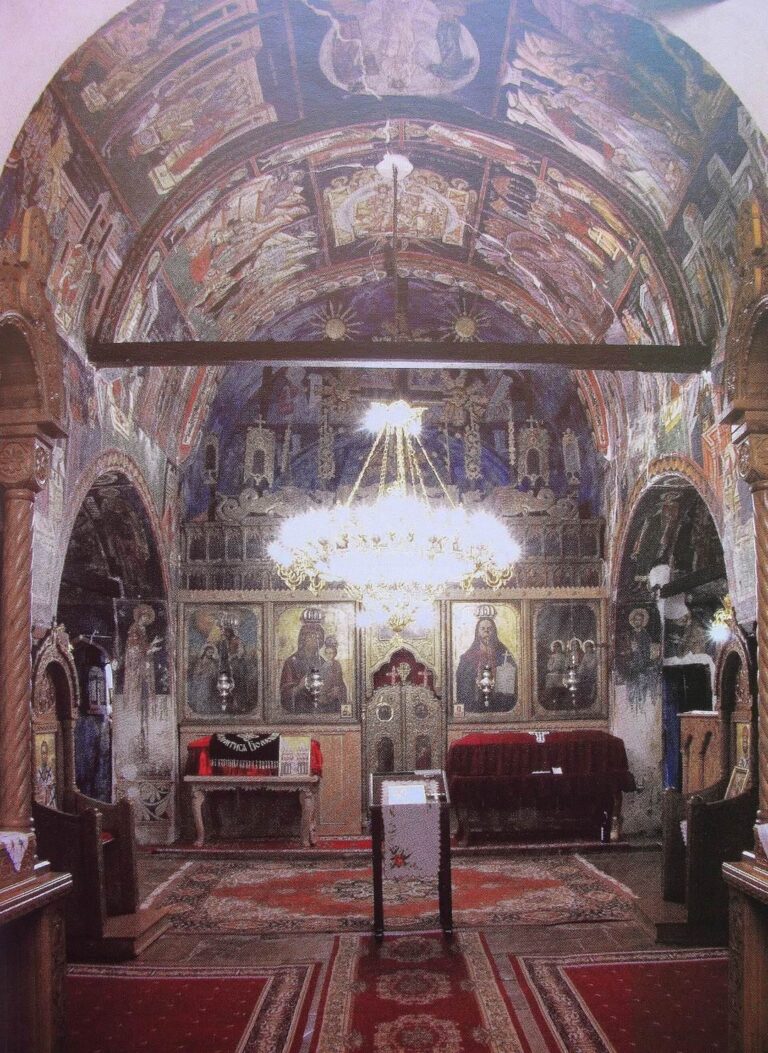
Finds from the excavations included a marble altar table made from three pieces, parts of candleholders and chandeliers, pottery fragments, and remnants of frescoes on the lower walls. During restoration, iconographer and fresco painter Ivan Kovalčik Mileševac of Novi Sad painted the church’s iconostasis, an icon-covered screen separating the altar area from the main body of the church, and a chandelier.