Church of Saint Nicholas: A Serbian Orthodox Church in Brezova
Site at a Glance
- Rating
- 5
- Popularity
- Very Low
- Country
- Serbia
- Primary era
- Early Modern
- Eras represented
- Medieval, Early Modern
- Civilizations
- Ottoman, Serbian
- Site type
- Religious
- Remains
- Church
On this page7 sections
History
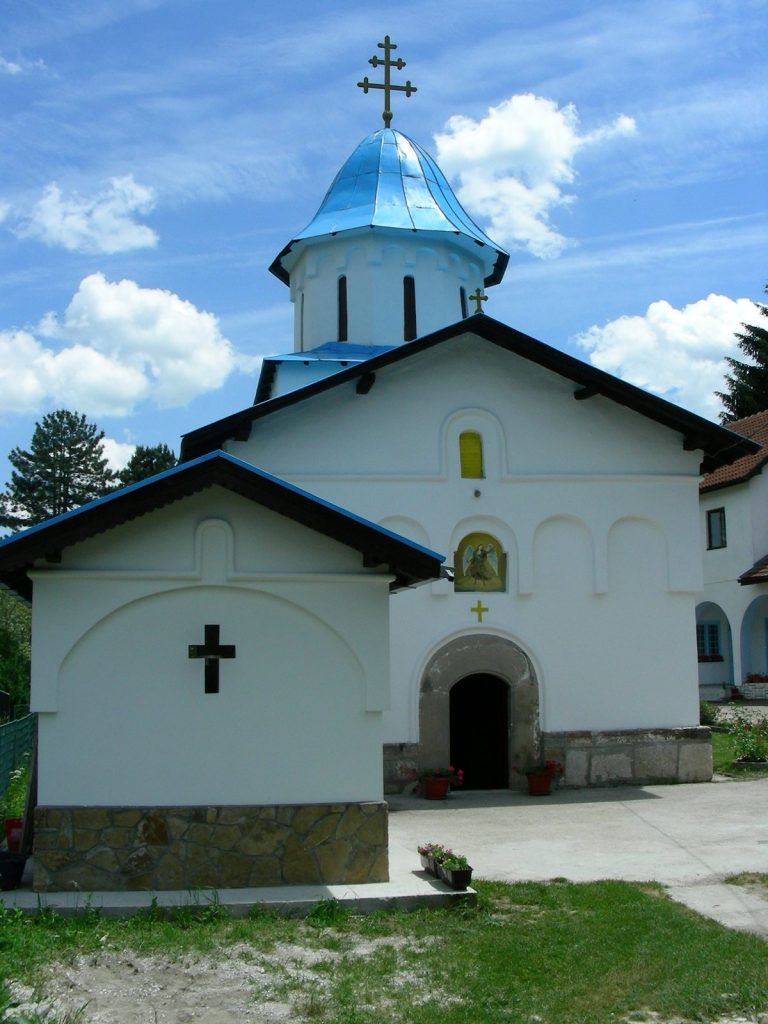
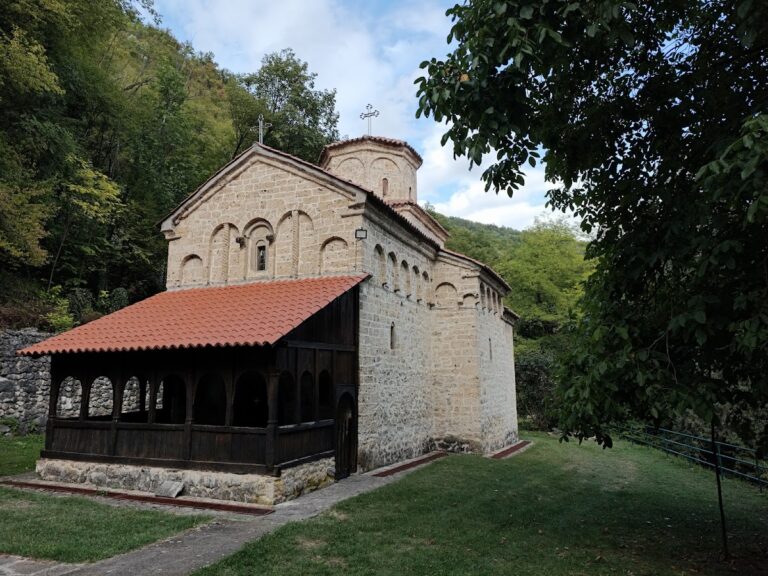
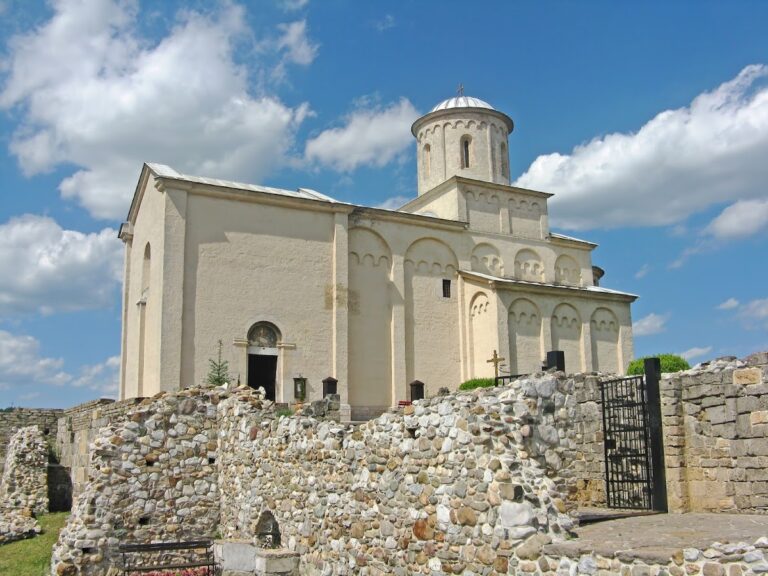
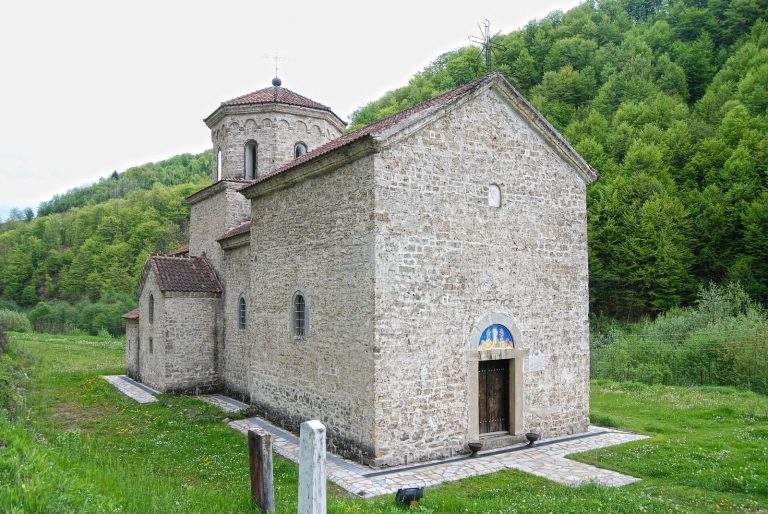
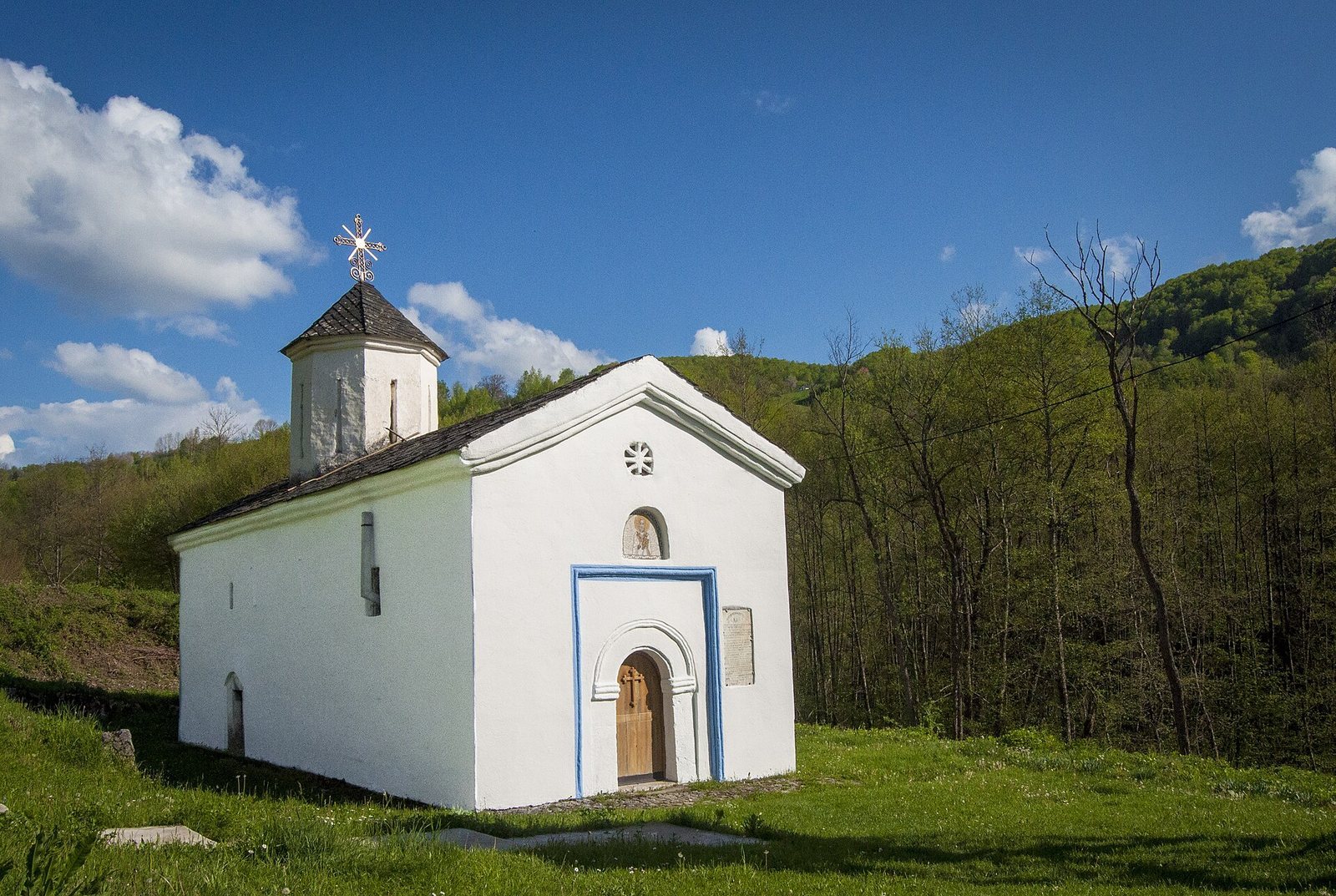
The Church of Saint Nicholas is a Serbian Orthodox church in Brezova, Serbia, built during the first half of the seventeenth century on the site of an older church. Its design belongs to the tradition of Serbian churches built under Ottoman rule and reflects the influence of the Raška architectural school, a medieval Serbian church-building tradition shaped by Byzantine forms.
Earlier Traditions and Seventeenth-Century Construction
Folk tradition connects the church’s construction with Despot Stefan Lazarević, a medieval Serbian ruler who held the Byzantine-derived title of despot. Stefan lived in the fifteenth century, while the present church dates from the following century. His association with the building is reinforced by his fresco portrait inside the church.
Frescoes and Later Work
The church was frescoed during the 1730s by two artists with different training and artistic approaches. In 1805, Simeon Lazović made the royal doors and an overdoor panel bearing the All-Seeing Eye for the church’s iconostasis, the screen separating the sanctuary from the congregation.
Conservation and Protection
Archaeological investigation, conservation, and restoration took place in campaigns during 1971–1972, 1973–1975, and 1987. The Republic of Serbia owns the church, which is protected as a monument of culture of great significance under the care of the Institute for Cultural Heritage Preservation in Kraljevo.
Remains
Building and Plan
The church is a single-nave structure with a polygonal dome and rose windows on the rear side. Inside, the main space, or naos, is divided into three bays. The dome rises over the central bay, while barrel vaults cover the two lateral bays. A semicircular apse forms the altar end. The large narthex, an entrance vestibule adjoining the main church, and a second entrance in the north wall were added later.
Frescoes and Liturgical Furnishings
The fresco program includes scenes from the life of Saint Nicholas and portraits of Lazar of Serbia, Milica, and Despot Stefan Lazarević. Stefan’s portrait is on the north wall near the northwest corner and is thought to have been based on an authentic fresco probably painted between 1421 and 1427, during his rule. A portrait of his father, Lazar of Serbia, appears beside it on the west wall. Lazar was a Serbian ruler, while Milica was a Serbian noblewoman and regent.
Most of the church was painted by the less accomplished of the two 1730s artists, an apprentice of the priest and painter Strahinja of Budimlje. The other painter’s work shows an affinity with icon painting, elongated figures, and modeled color. Their differing abilities and styles kept the composition from being fully unified, yet the iconography remains notably distinctive. The earlier church’s fourteenth-century iconostasis is preserved inside the present building, together with the royal doors and the overdoor panel made by Simeon Lazović in 1805.