Mažići Monastery: A Medieval Serbian Orthodox Monastery in Serbia
Site at a Glance
- Rating
- 4.9
- Popularity
- Very Low
- Country
- Serbia
- Primary era
- Medieval
- External website
- Open
- Eras represented
- Bronze Age, Classical, Medieval
- Civilizations
- Roman
- Site type
- Religious
- Remains
- Monastery
On this page9 sections
History
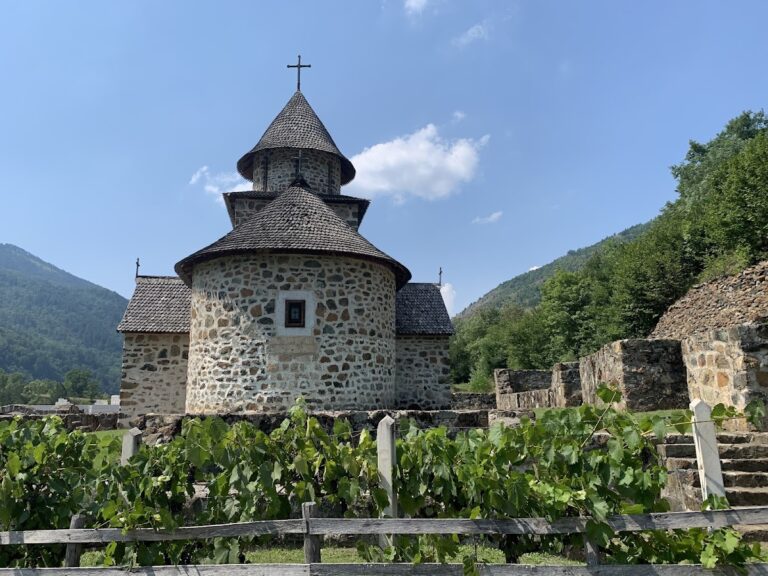
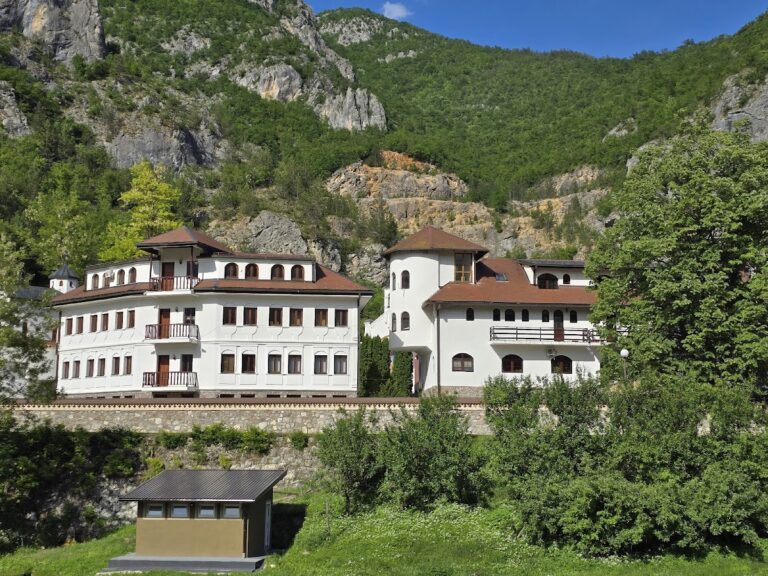
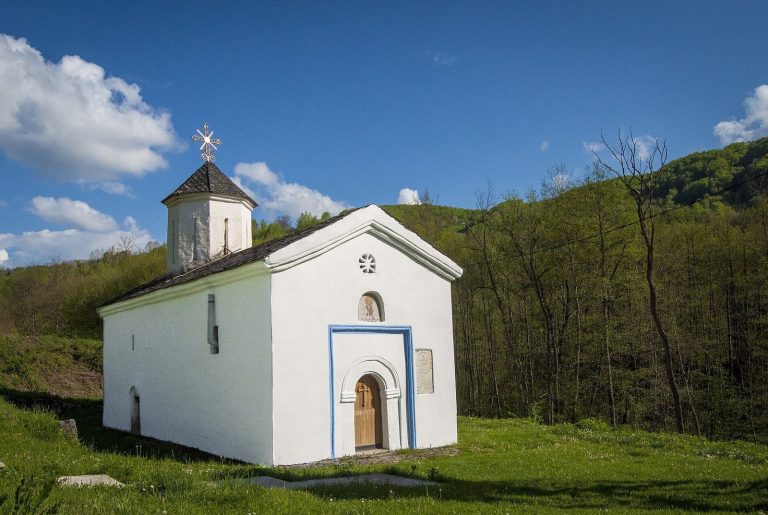
Mažići Monastery is a medieval Serbian Orthodox monastery in Serbia, near the village of Mažići on the left bank of the Lim River. Dedicated to Saint George, it is generally dated to the twelfth century and belongs to the Eparchy of Mileševa, an Orthodox Christian diocese. Its foundation may have taken place during the reign of Stefan Nemanja, the founder of the Nemanjić ruling dynasty, although an earlier origin has also been proposed.
Early medieval foundation
The monastery was first named in the Studenica Typikon, a medieval monastic rule associated with Saint Sava and the Studenica monastery. Written in 1208 by Saint Sava and the monks of Studenica, the text regarded Mažići as one of the most important monasteries in the Serbian state. Archaeological investigation has shown that the site had served as a cult place long before the medieval monastery was established, and the complex underwent several cycles of destruction and rebuilding.
Rebuilding under Stefan Milutin
Mažići probably suffered during the mid-thirteenth-century Cuman incursion. The Cumans were a confederation of nomadic Turkic peoples active in Eastern Europe during the Middle Ages. Archbishop Danilo II, a Serbian Orthodox archbishop and ecclesiastical author, recorded that King Stefan Milutin rebuilt the monastery. Milutin ruled Serbia from 1282 to 1321 and was a major patron of churches and monasteries. The church associated with this rebuilding belongs to his period.
Destruction and abandonment
The monastery was destroyed again in 1667. It was rebuilt afterward and was mentioned in 1683 and once more at the beginning of the eighteenth century. After this period, Mažići was permanently abandoned. A reliquary made in 1620, a container intended to preserve sacred relics or other holy objects, was originally kept at Mažići and is now held in the Old Church in Sarajevo.
Archaeology and protection
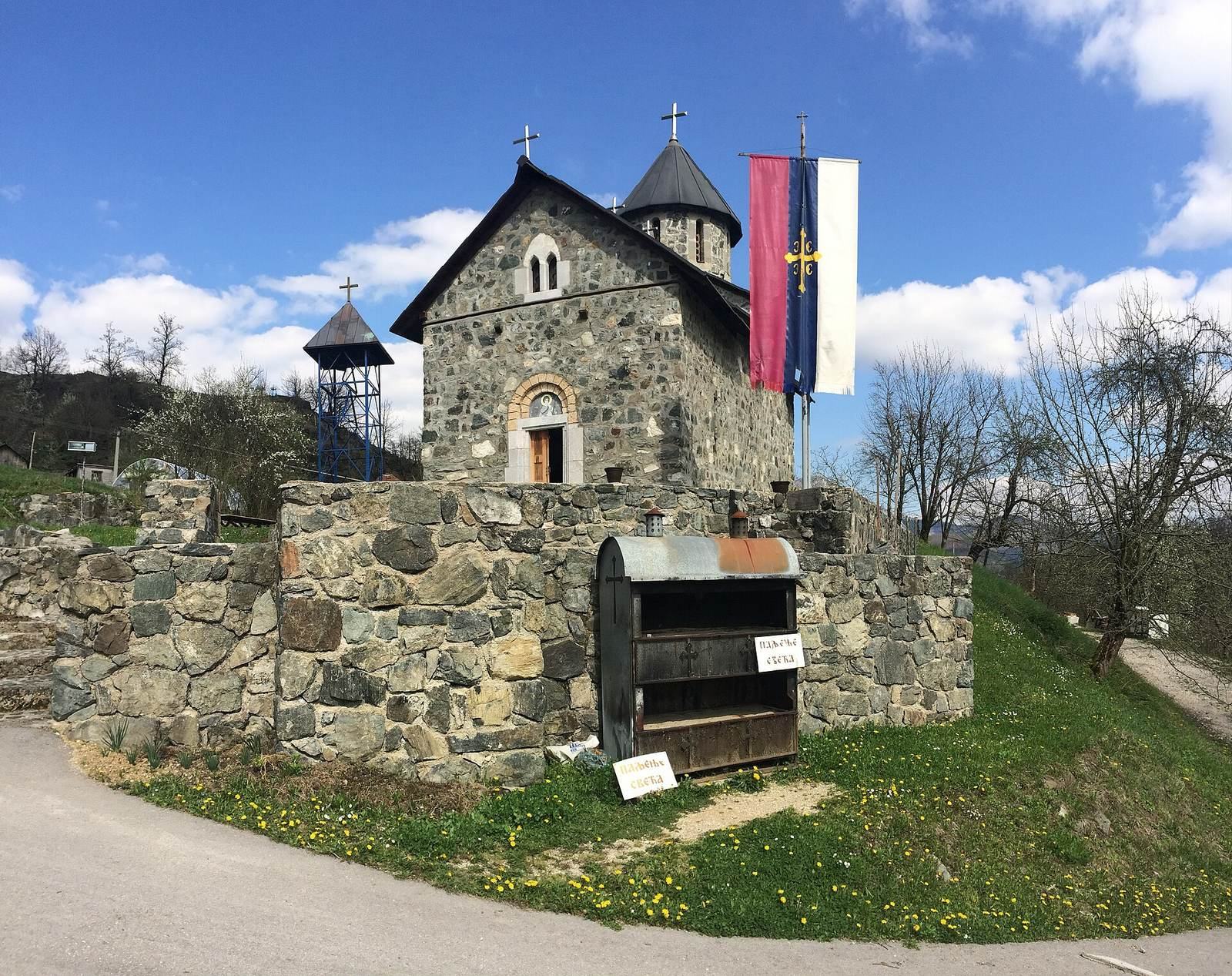
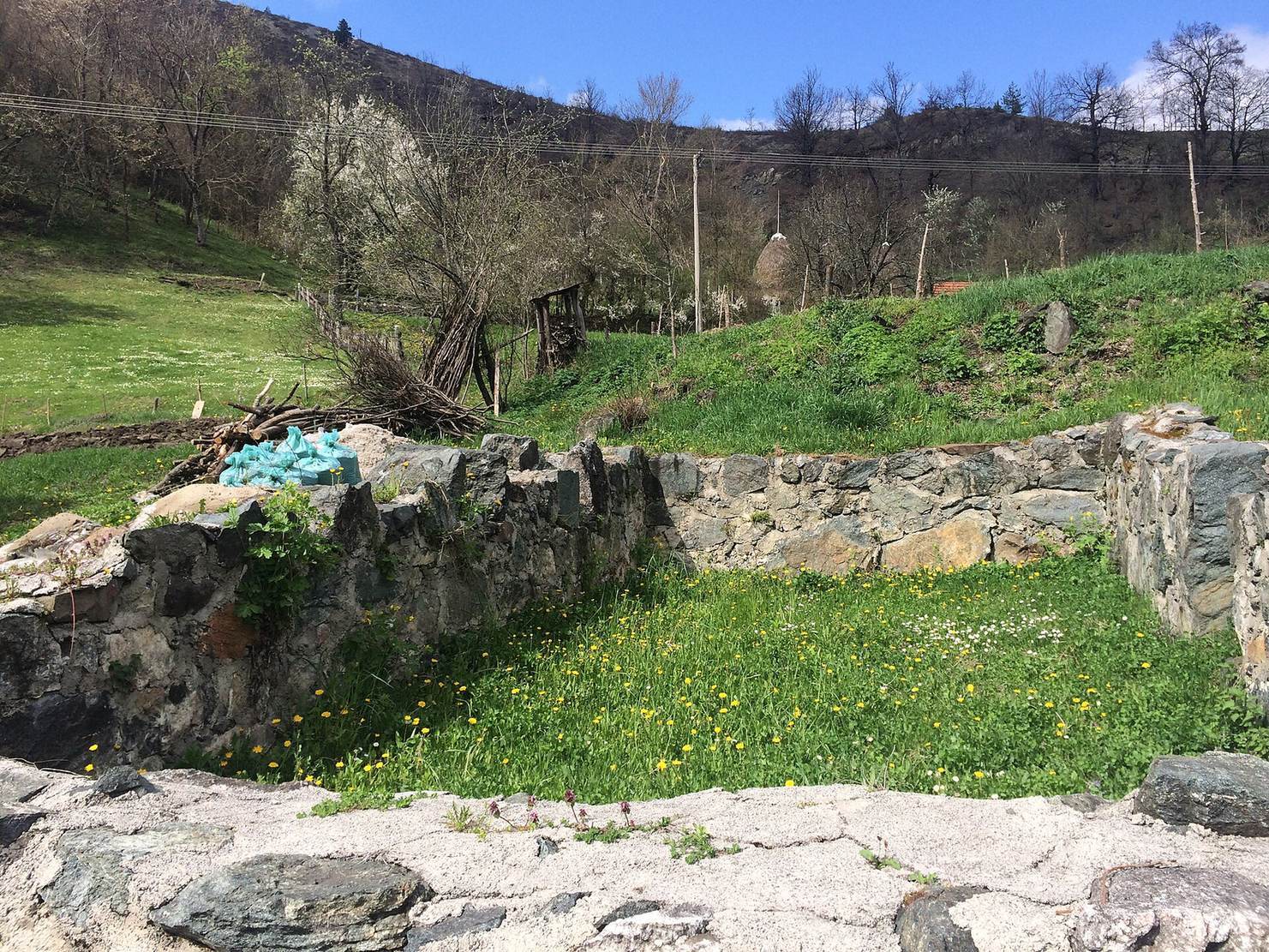
Extensive archaeological investigations carried out between 1999 and 2001 exposed the remains of the church and several monastic buildings. The church was reconstructed at the beginning of the twenty-first century according to designs prepared by the Republic Institute for the Protection of Cultural Monuments and based on the excavated remains. Work on the wider complex has continued. Mažići is protected by the Republic of Serbia as a Monument of Culture of Great Importance, under the authority of the Institute for the Protection of Cultural Monuments in Kraljevo.
Remains
The surviving archaeological complex preserves evidence of several periods of activity, from a Bronze Age burial mound and Roman graves to an earlier church with a cemetery and the medieval monastic buildings. The medieval arrangement included the Church of Saint George, a monastic residence, a kitchen, a refectory, cellars, and a hospital. Together, these remains show the range of religious, residential, domestic, and medical functions contained within the monastery.
Earlier archaeological layers
A prehistoric tumulus, or artificial burial mound, belongs to the Bronze Age. Roman graves provide evidence of later activity at the location. The foundations of an earlier church are enclosed by a necropolis, a cemetery or burial area, dated broadly from the ninth to the eleventh centuries. These features preserve the site’s use as a cult and burial place before the medieval monastery took its later form.
Church of Saint George
The Church of Saint George has a single-nave rectangular plan measuring 15 metres by 6 metres. Its sanctuary ends in a semicircular apse, and a square narthex, an entrance or vestibule space, was added later. The original walls were made from roughly dressed stone without visible mortar and survived to about 2 metres in height before reconstruction. Four strong pilasters preserved in the middle of the building probably supported a central dome over the nave. The reconstructed church follows plans derived from the remains of this earlier structure.
Monastic buildings
Excavation revealed the foundations and remains of the monastic residence, kitchen, refectory, cellars, and hospital. The hospital belonged to the period of King Stefan Milutin and contained medieval surgical instruments. These structures formed the supporting spaces of the monastery, linking communal life, food preparation, storage, residence, and medical care to the principal church.