Jagaddala Mahavihara: A Pala Buddhist Monastery and Center of Learning
Site at a Glance
- Popularity
- High
- Country
- Bangladesh
- Primary era
- Medieval
- Eras represented
- Medieval
- Civilizations
- Pala Empire
- Site type
- Religious
- Remains
- Monastery
On this page5 sections
History
Jagaddala Mahavihara was a Buddhist monastery and center of learning in present-day Bangladesh, probably near the village of Jagdal in Naogaon District. Founded toward the end of Pāla rule, likely under King Rāmapāla (c. 1077 to 1120), it flourished from the late 11th century to the middle of the 12th. The Pāla dynasty ruled northeastern India from the 8th to the 12th century and was a major patron of Buddhist institutions.
Location and foundation
The monastery is generally identified with ancient remains near Jagdal in Dhamoirhat Upazila, close to Paharpur and the Indian border. Historian Rampran Gupta placed Jagaddala in Dinajpur, while the identification with Naogaon is consistent with the fact that Naogaon formerly belonged to Dinajpur. A.K.M. Zakaria investigated five proposed sites named Jagdal or Jagadal, in Panchagarh, Haripur in Thakurgaon, Bochaganj in Dinajpur, Dhamoirhat in Naogaon, and Bamangola in India’s Malda district. Substantial ancient ruins were found only near the Naogaon village.
Historian Dinesh Chandra Sen associated the monastery’s foundation with Ramavati, which Rāmapāla made his capital after recovering the kingdom of Gauda. Ramavati is also named in Dharmamangala poems, a copper-plate charter of Rāmapāla’s son Madanapala, and Abul Fazl’s Ain-i-Akbari, a Mughal account of Akbar’s administration.
Learning and religious life
Tibetan records count Jagaddala among five leading mahaviharas, or major Buddhist monasteries and centers of learning, alongside Vikramashila, Nalanda, Somapura, and Odantapurā. The monasteries were supervised by the state and formed a connected network through which scholars could travel between institutions.
Jagaddala specialized in Vajrayana Buddhism, a Mahayana tradition using esoteric teachings and practices. Texts composed or copied at the monastery later entered the Kangyur, a Tibetan collection of translated Buddhist scriptures, and the Tengyur, a collection of translated commentaries and treatises. Vidyākara probably compiled the Sanskrit verse anthology Subhāṣitaratnakoṣa there in the late 11th or early 12th century.
The monastery’s scholars included Dānaśīla, who translated about 60 works into Tibetan, and Prince Vibhūticandra, an author, commentator, translator, and reviser. Mokṣākaragupta wrote on Buddhist logic, while Śubhākaragupta and Dharmākara also lived at Jagaddala. Its presiding deity was Avalokiteshvara, associated with compassion, and its presiding goddess was Mahatara, associated with Tara.
Flight, destruction, and archaeological recognition
The Kashmiri scholar Śākyaśribhadra is said to have visited Jagaddala around 1200. When Muslim incursions appeared imminent in 1204, he is said to have fled from the monastery to Tibet. Śākyaśribhadra was an abbot of Nalanda and helped transmit Buddhism to Tibet. Historian Sukumar Dutt tentatively dated Jagaddala’s final destruction to 1207; it appears to have been the last of the major monasteries to be overrun.
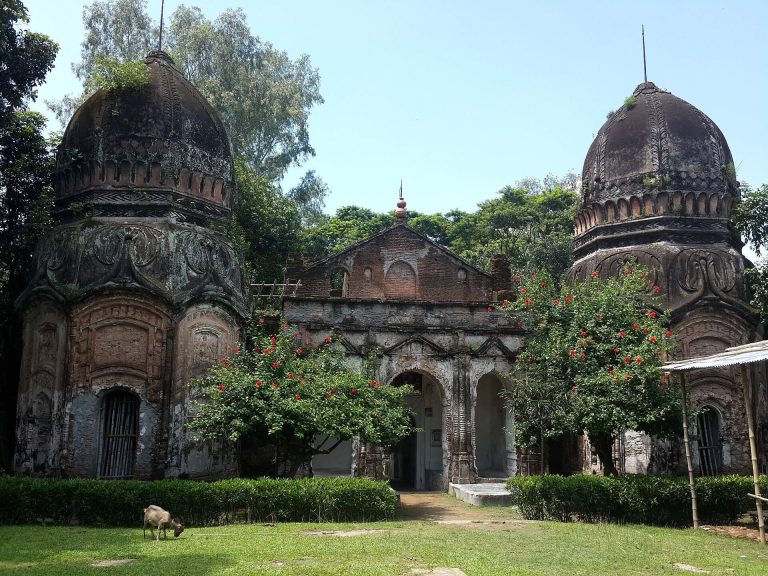
Local residents have regarded the ruins as the remains of a landlord’s house rather than a Buddhist monastery. Excavations carried out under UNESCO’s auspices established the site’s identity as a Buddhist monastery. Three excavation campaigns took place after 1996, and work under Bangladesh’s Department of Archaeology has continued. Jagaddala was submitted to UNESCO’s Tentative List in 1999 for possible World Heritage inscription.
Remains
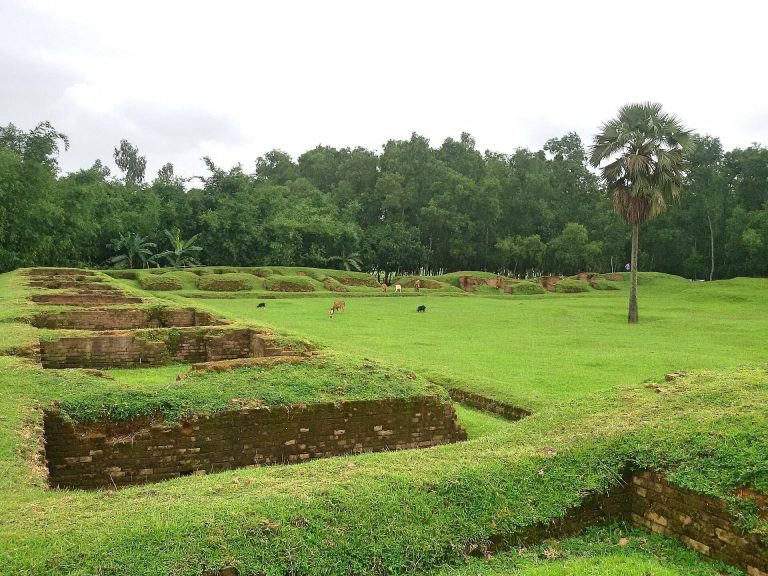
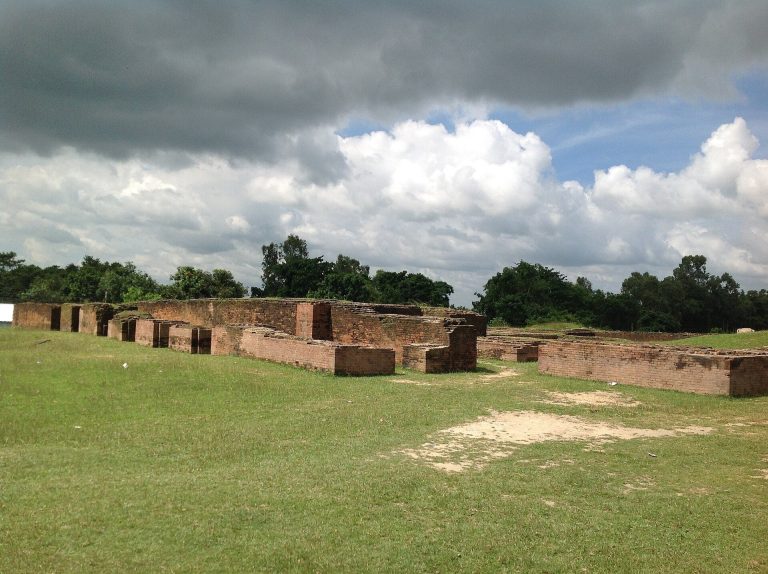
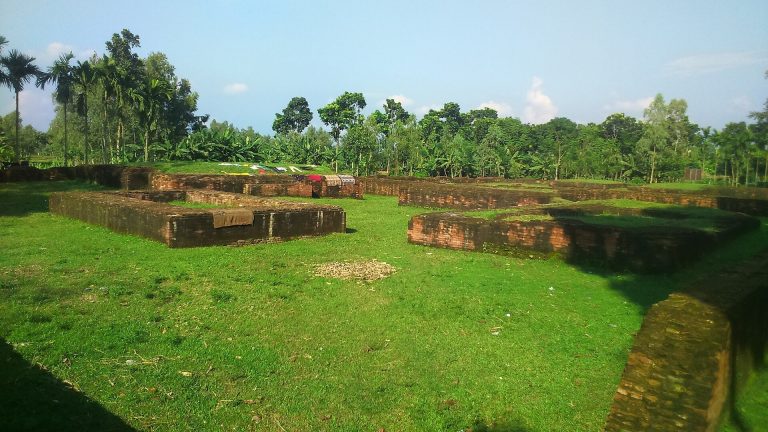
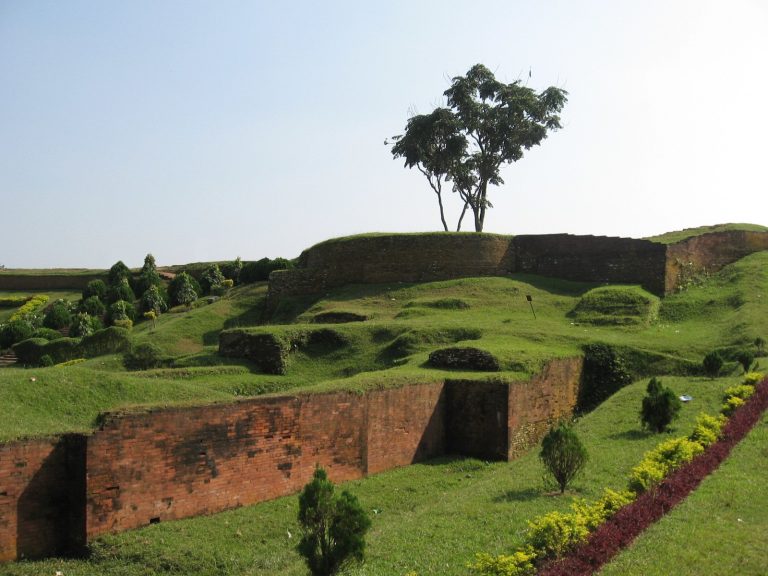
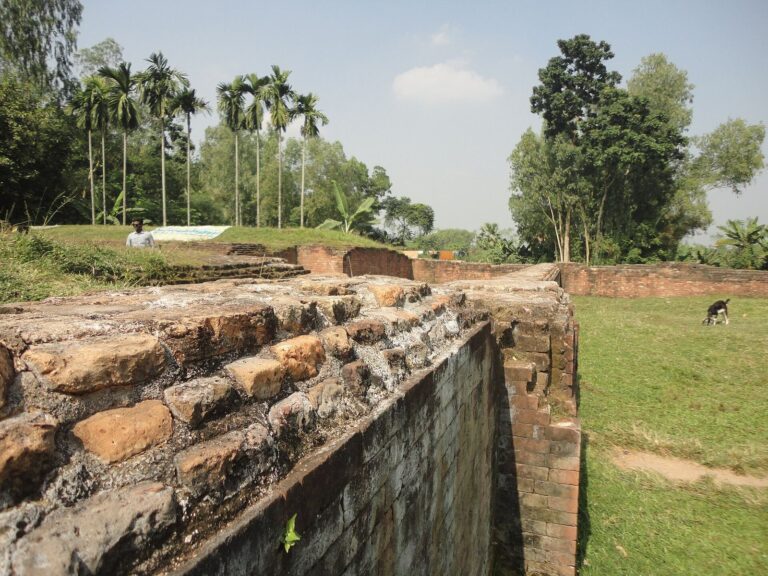
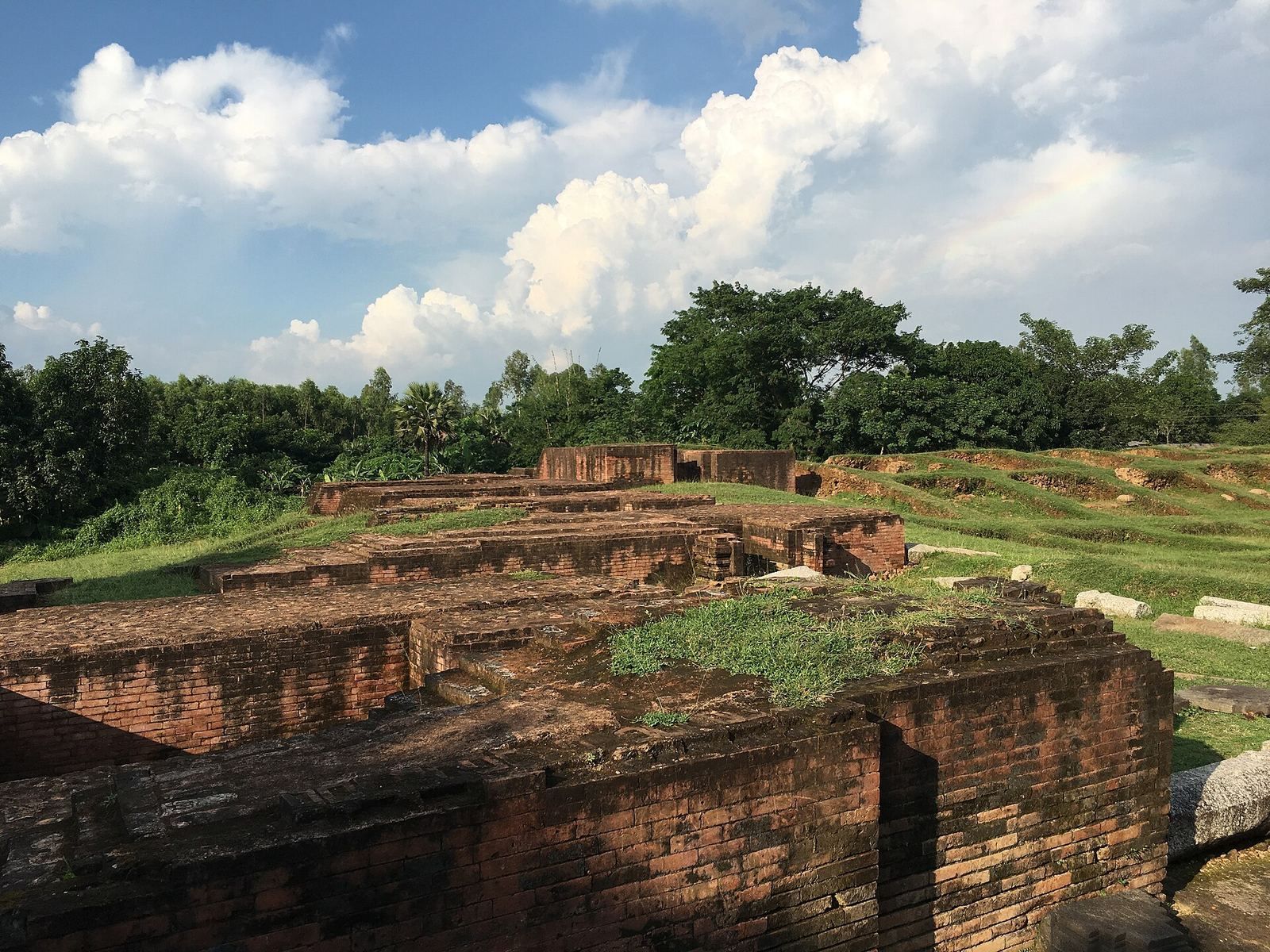
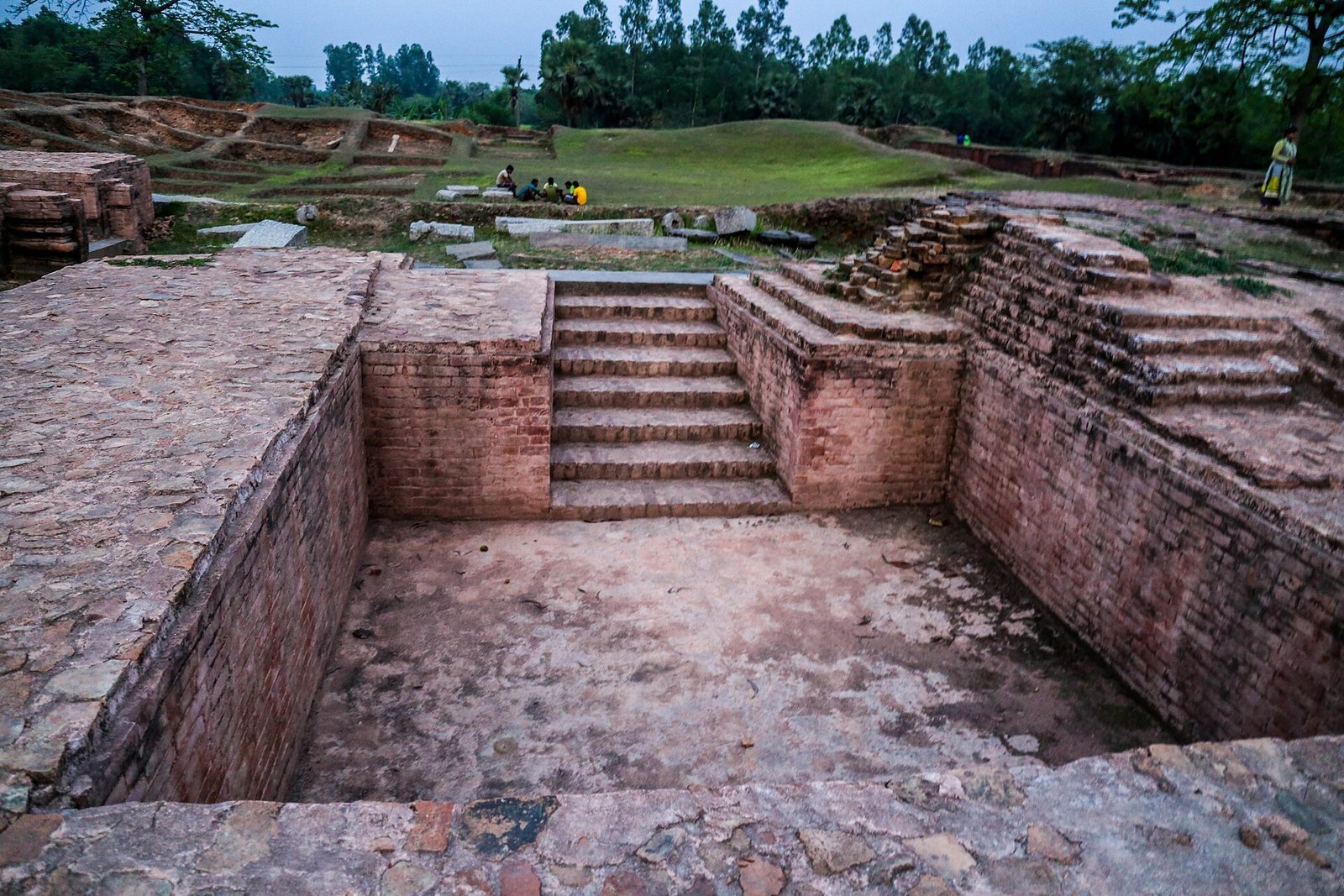
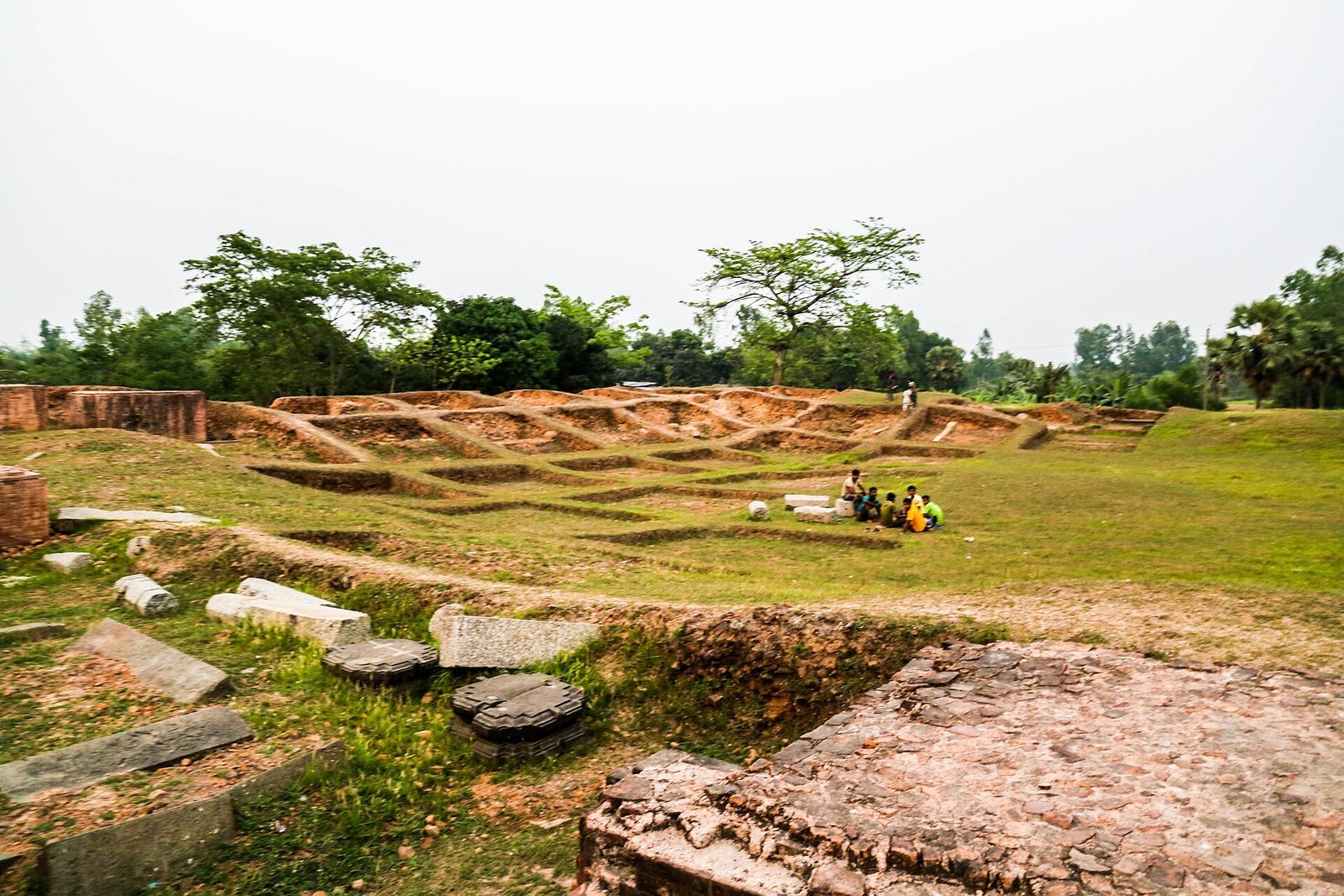
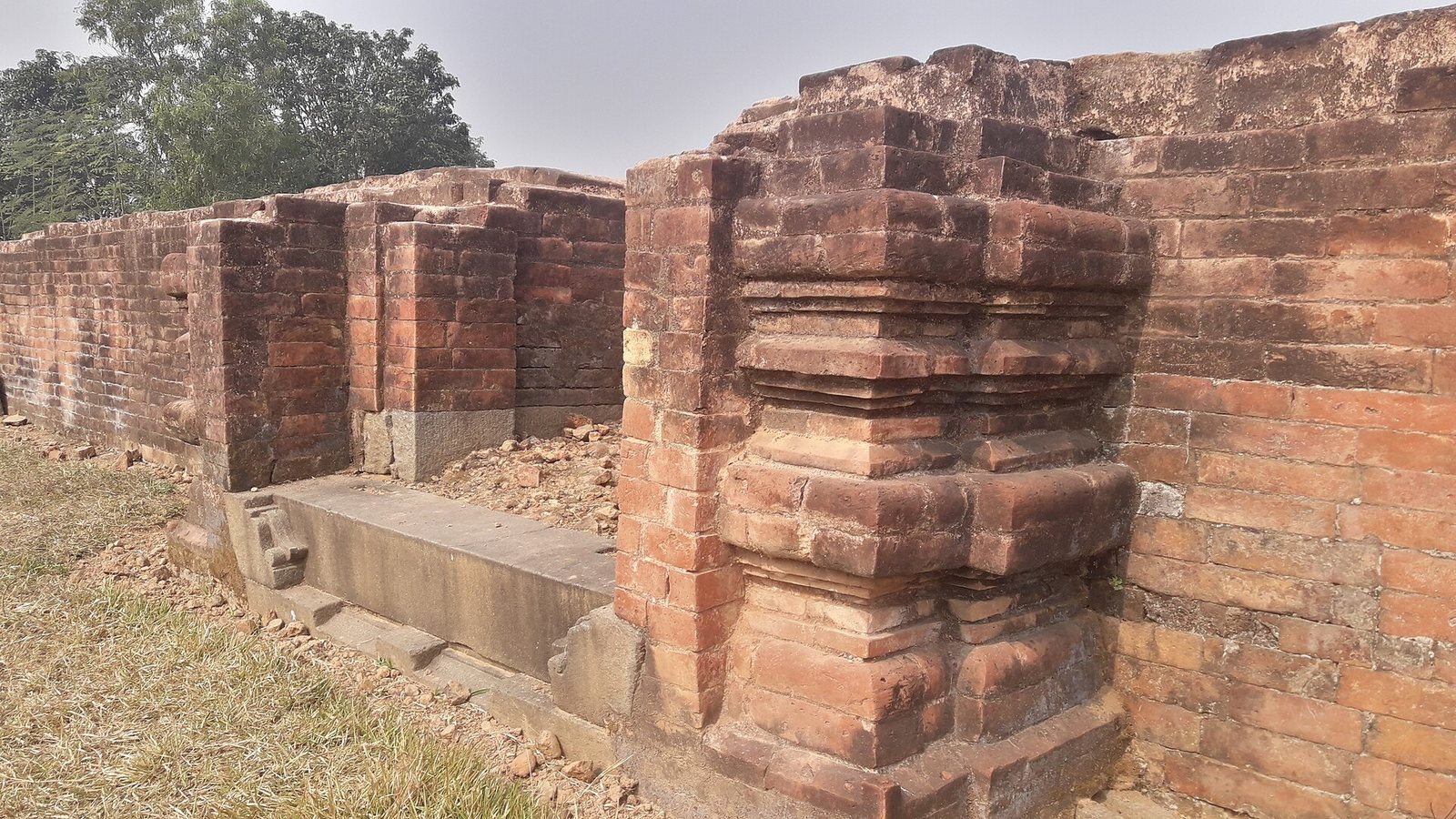
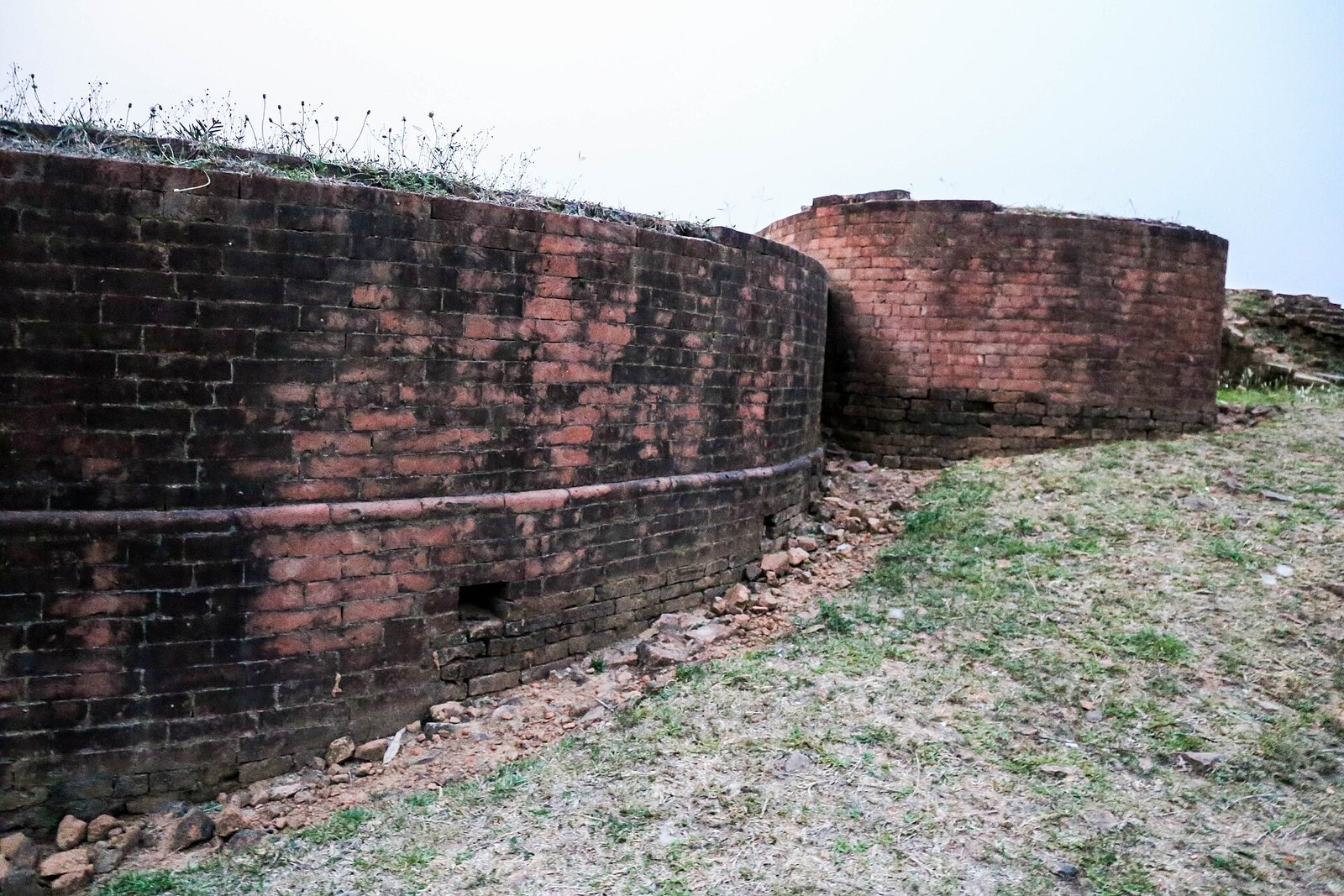
The archaeological remains form a mound about 105 m by 85 m, with its long axis running east to west. The walls measure approximately 5 m by 5 m, and fallen stone pillars lie among the ruins. Jagaddala is the only Buddhist vihara identified and excavated in Bangladesh with a roof approximately 60 cm thick. Excavated finds include terracotta plaques, ornamental bricks, nails, a gold ingot, and three stone images of deities.