Jabrin Castle: A Historic Fortress of the Yaruba Dynasty in Oman
Visitor Information
Google Rating: 4.6
Popularity: Medium
Official Website: www.jabreencastle.com
Country: Oman
Civilization: Early Modern
Site type: Military
Remains: Castle
History
Jabrin is a historic town situated within the municipality of Bahla, in the modern country of Oman. The site is chiefly known for a castle constructed during the late 17th century by an important figure of the Yaruba dynasty, a prominent ruling family in Oman.
The castle at Jabrin was built under the direction of Imam Bil’arab bin Sultan, who governed Oman from 1679 until his death in 1692. His reign represents a significant period in Omani history, marked by efforts to strengthen internal control and fortify the region against external threats. Bil’arab bin Sultan chose Jabrin both as a strategic defensive location and as a residence reflecting his political stature. Following his death, the imam was interred within the castle grounds, underscoring the site’s dual role as a place of defense and burial.
Throughout its history, the castle maintained its prominence as a symbol of Yaruba authority. Although no specific records detail military conflicts or changes in administration involving the castle, its preservation and continued recognition indicate it held importance as a regional stronghold. The presence of Imam Bil’arab bin Sultan’s tomb within the complex adds a religious and commemorative dimension to the site’s historical narrative.
Remains
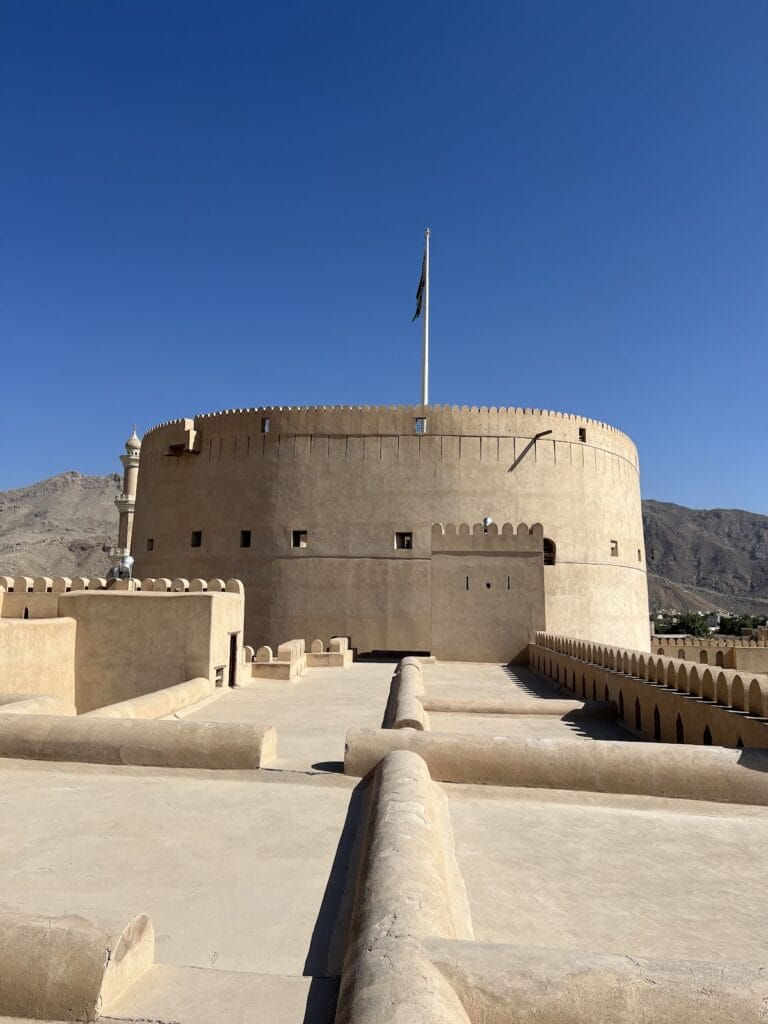
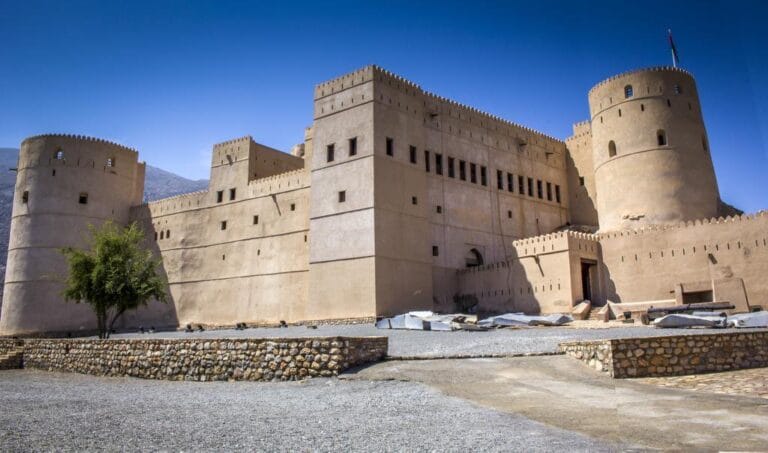
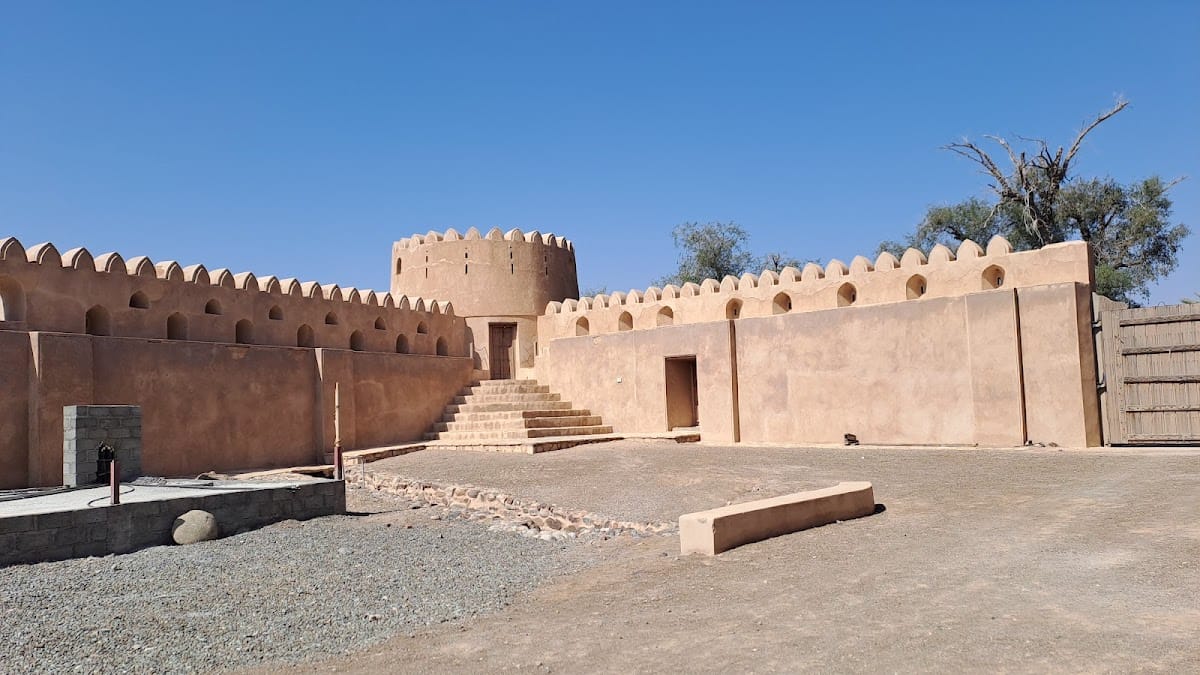
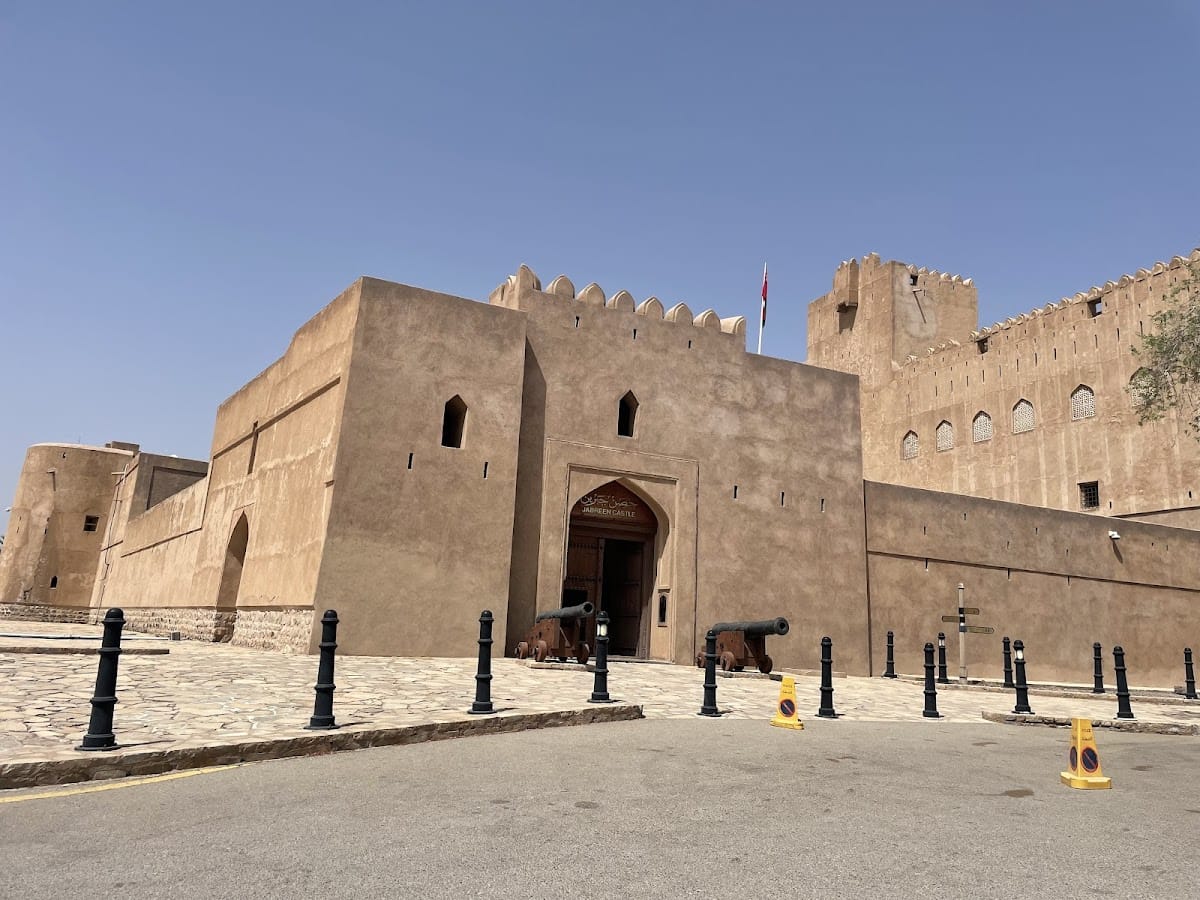
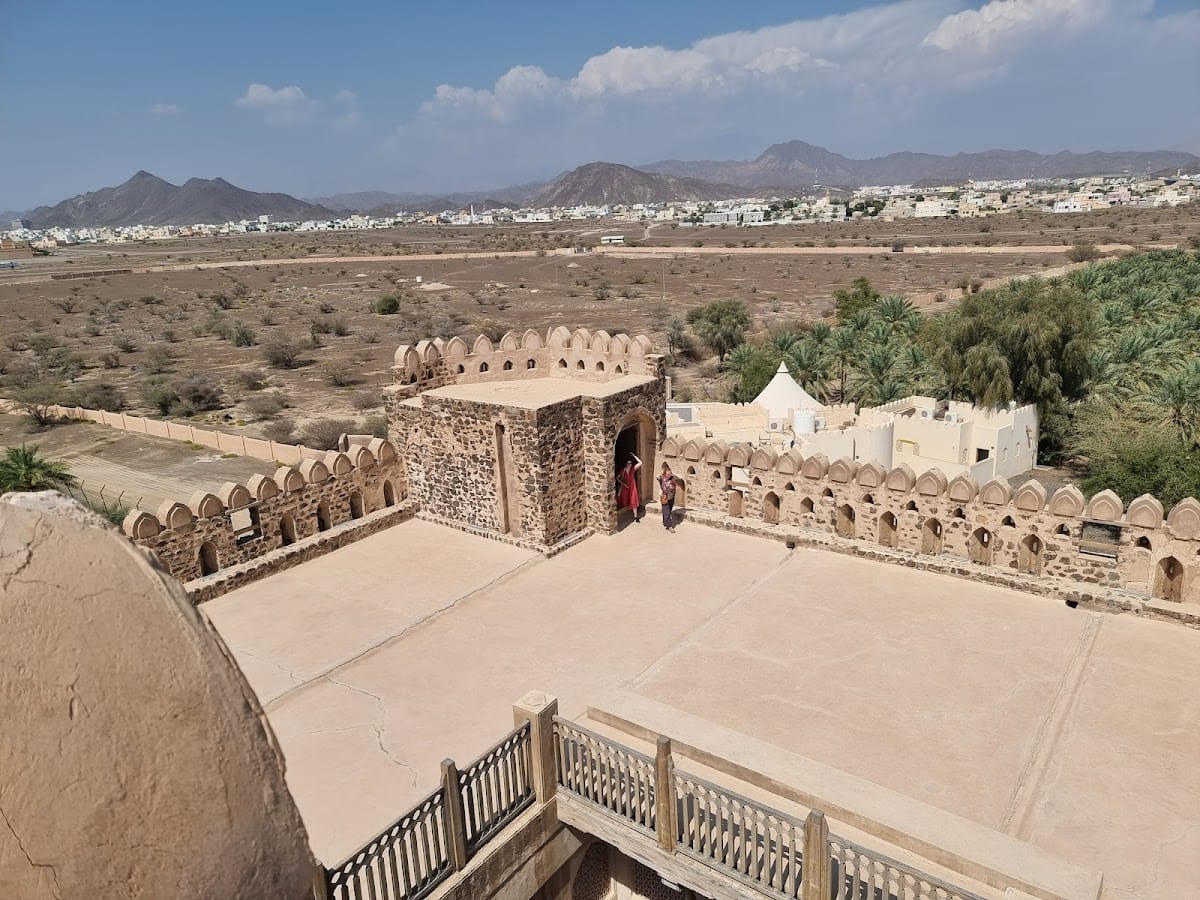
The central archaeological feature at Jabrin is the castle established by Imam Bil’arab bin Sultan in the late 1600s. The structure remains substantially intact today, allowing visitors to explore its historic fabric directly.
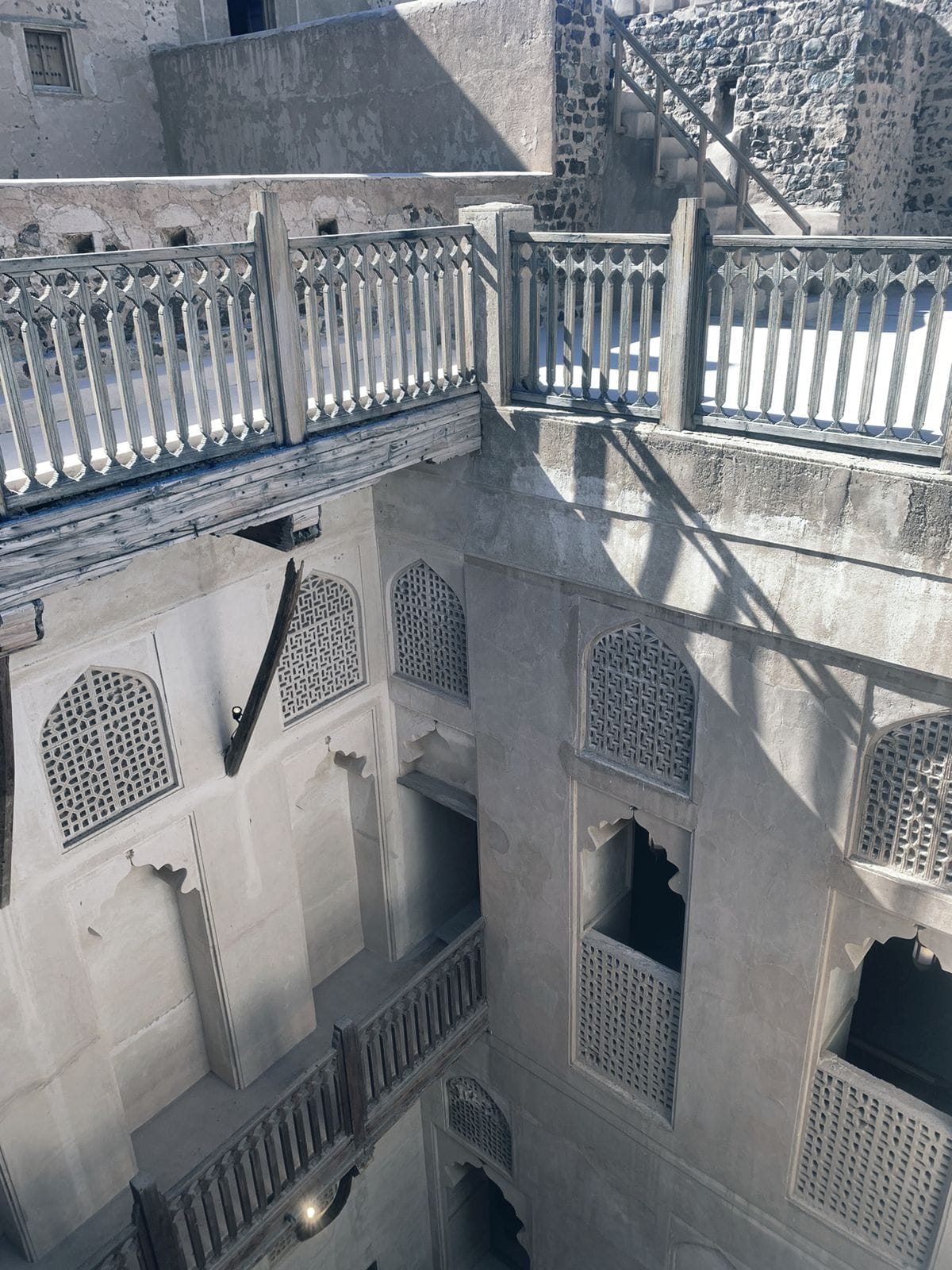
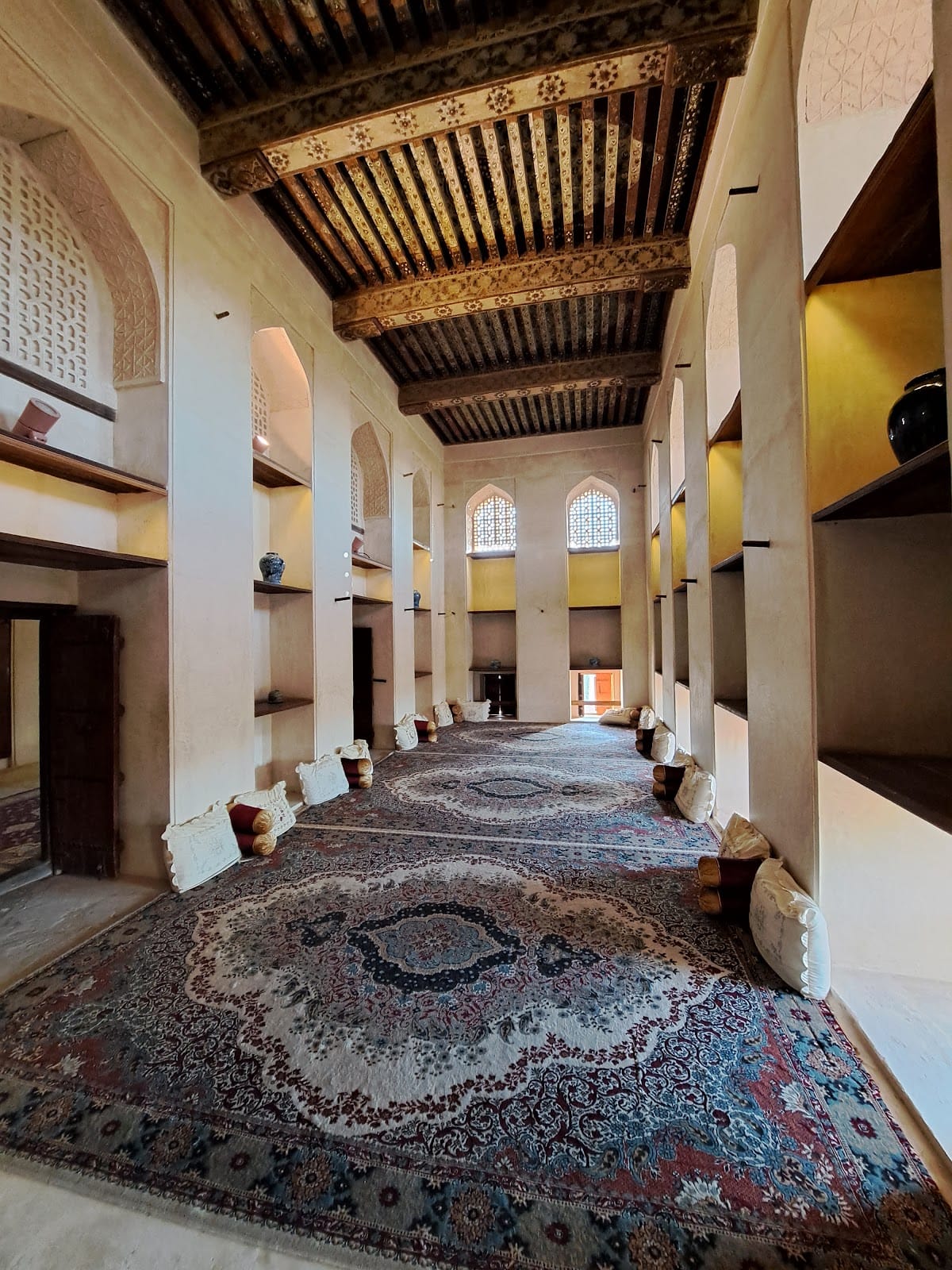
The castle’s construction showcases careful planning and durable techniques, though the precise materials used are not detailed in existing records. Its design reflects the architectural competence of the period and the builder’s intent to create a protected residence combining administrative, military, and personal functions. The castle’s state of preservation is sufficient to allow comprehensive access, indicating that key components such as walls, gates, and interior spaces have survived through the centuries.
Inside the castle, the imam’s burial site reinforces the complex’s significance beyond defense. While embellishments or inscriptions have not been specifically described, the castle’s enduring form and location near Nizwa and the Jabal Akhdar Mountains connect it closely to regional history and governance during the Yaruba dynasty’s rule. Today, the castle stands as a well-maintained example of Omani heritage from the late 17th century.